Quick answer
Match the pad's R-value to the coldest ground you expect, then choose thickness for comfort and type for how you camp. For three-season camping in mild conditions, an R-value around 2 to 3 with 2 to 3 inches of thickness covers most sleepers. For cold weather or winter, aim for R-value 5 or higher and accept the extra weight or bulk. If you want zero inflation hassle and bombproof durability, closed-cell foam wins; if you want packability and comfort, an inflatable pad is the better call.
What R-value actually measures
R-value measures a pad's resistance to heat loss, not its softness or how warm the air feels. The higher the number, the slower your body heat escapes into the ground. Ground steals heat far faster than air, so the pad under you matters more than the bag's temperature rating in many setups. A common failure is buying a warm bag and pairing it with a thin summer pad; the bag can't compensate for a cold floor. Treat R-value as the first filter, then thickness and type as the second and third.
- R-value 1 to 2: warm-weather and casual summer camping
- R-value 2 to 3: three-season use in mild to cool conditions
- R-value 4 to 5: shoulder-season and cold sleepers
- R-value 5 and up: winter and sub-freezing ground
Thickness: comfort, not warmth
Thickness mainly buys comfort and side-sleeping support, not insulation. A 1-inch pad can feel fine on soft grass but punishing on hard-packed ground or in a tent with a thin floor. Two to three inches suits most side sleepers; back sleepers can often go thinner. More thickness usually means more air to move and a longer inflate time, so there is a real trade-off between plushness and setup effort. If you move around at night, prioritize thickness and width over a slightly higher R-value.
Inflatable vs foam: the real trade-offs
Inflatable pads pack small, let you tune firmness, and typically deliver more comfort per ounce. They can puncture, need inflation, and may feel bouncy or noisy. Closed-cell foam pads are nearly indestructible, instant to deploy, and double as a sit pad or backup, but they are bulky and less cushioned. Self-inflating pads sit in the middle: some foam inside an air shell, moderate pack size, and less breath work than a pure air pad. Choose based on how you travel, not on which type sounds more advanced.
Width and length: the fit most buyers skip
A pad that is too narrow lets your arms fall off the edge and your hips roll onto cold ground. Standard width is around 20 inches; 25 inches or more suits restless sleepers and broader shoulders. Length matters for tall sleepers and for anyone who sleeps stretched out; short pads save weight but leave feet or head exposed. Measure your sleeping position, not your standing height, and check the packed size against your shelter. In a small tent like a one-pole solo design, a wide pad can crowd the vestibule and door.
How tents and pads work together
Your shelter changes what pad you need. A tent with a sewn-in or included ground sheet adds a layer between you and the dirt, but it does not replace insulation. In a roomy dome tent with a high ceiling and a large front room, you can size up to a wider, thicker pad and still have floor space for gear. In a compact two-room tent, a smaller footprint pad keeps the sleeping chamber usable and leaves the vestibule for boots and bags. If you camp in a pyramid tent without the inner, the open floor makes a higher R-value pad and a ground sheet more important.
Decision rules for choosing a sleeping pad
- Start with the coldest ground, not the average trip: Pick the R-value for the coldest night you realistically expect, then add a little margin if you sleep cold. A pad rated for summer will not stretch into a frosty shoulder-season night. Cold sleeper? Go one R-value step above your expected low.
- Choose thickness by sleep position: Side sleepers usually need 2 to 3 inches to keep hips and shoulders off the ground; back sleepers can often use less. Test your normal position, not a flat lie. If you wake with sore hips, thickness is the fix before R-value.
- Pick type by how you travel: Inflatable for packability and comfort, foam for durability and zero setup, self-inflating for a middle ground. Match the type to your transport and tolerance for inflation. Moto or car camping? Foam and self-inflating are low-risk. Backpacking? Inflatable.
- Verify width and length against your shelter: Measure the inner floor of your tent and compare it to the pad's dimensions. A pad that overhangs the door or crowds the vestibule makes the whole tent feel smaller. In a compact two-room tent, fit the pad to the sleeping chamber, not the whole floor.
Tents that pair well with a sleeping pad decision
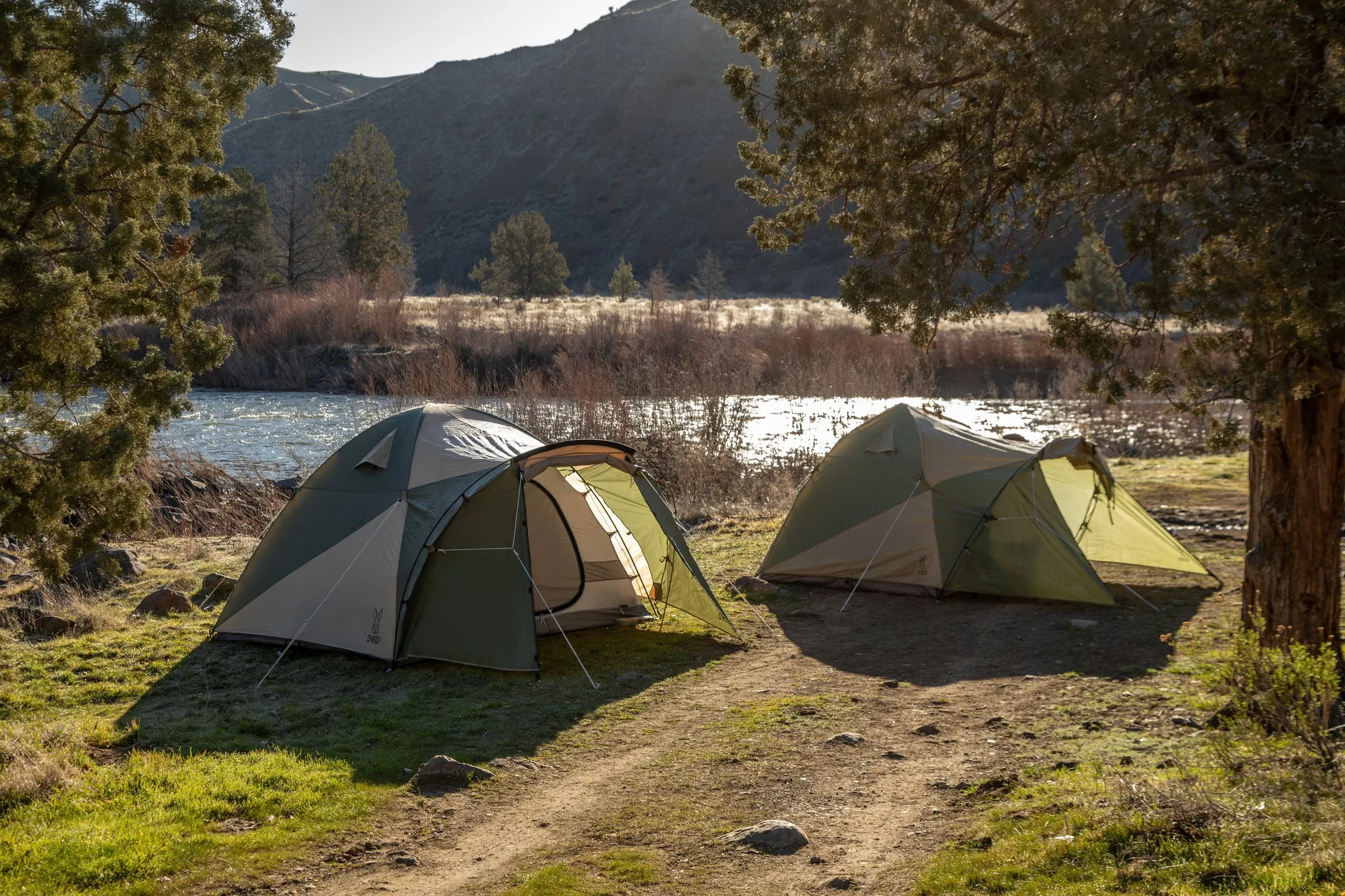
- THE Dome Tent: THE Dome Tent uses a classic dome shape with crossed poles and includes a ground sheet, plus a large front room that can extend into a canopy area. The included ground sheet adds a protective layer under your pad, and the roomy interior lets you choose a wider, thicker pad without sacrificing living space.
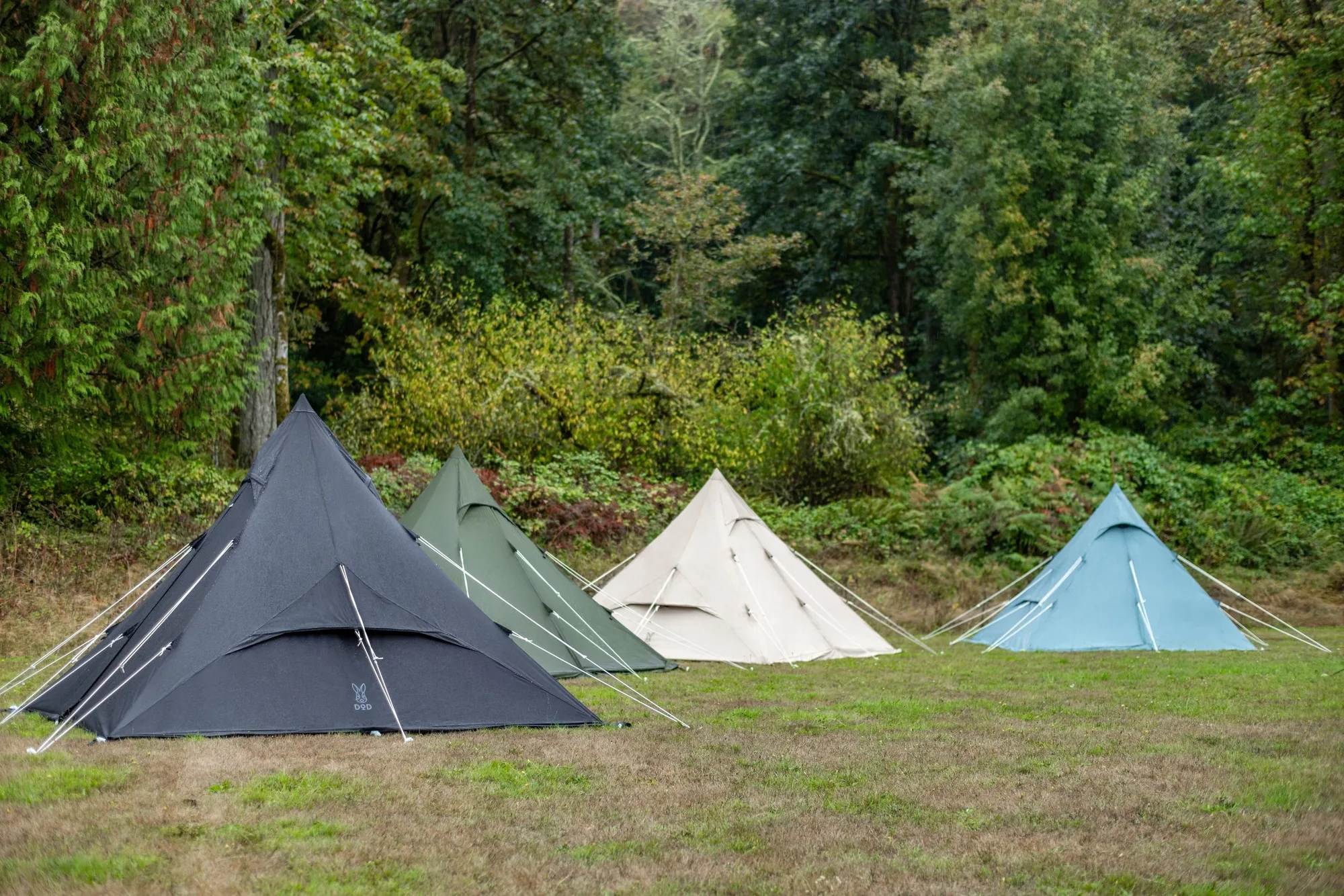
- Canvo™ RX Pyramid Tent (M): The CanvoTM RX Pyramid Tent (M) can be set up with the included inner tent or without it, and its CanvoTM shell is designed for breathability and weather protection. Pitching without the inner leaves you sleeping closer to the ground, so a higher R-value pad matters more; with the inner, a standard three-season pad is usually enough.
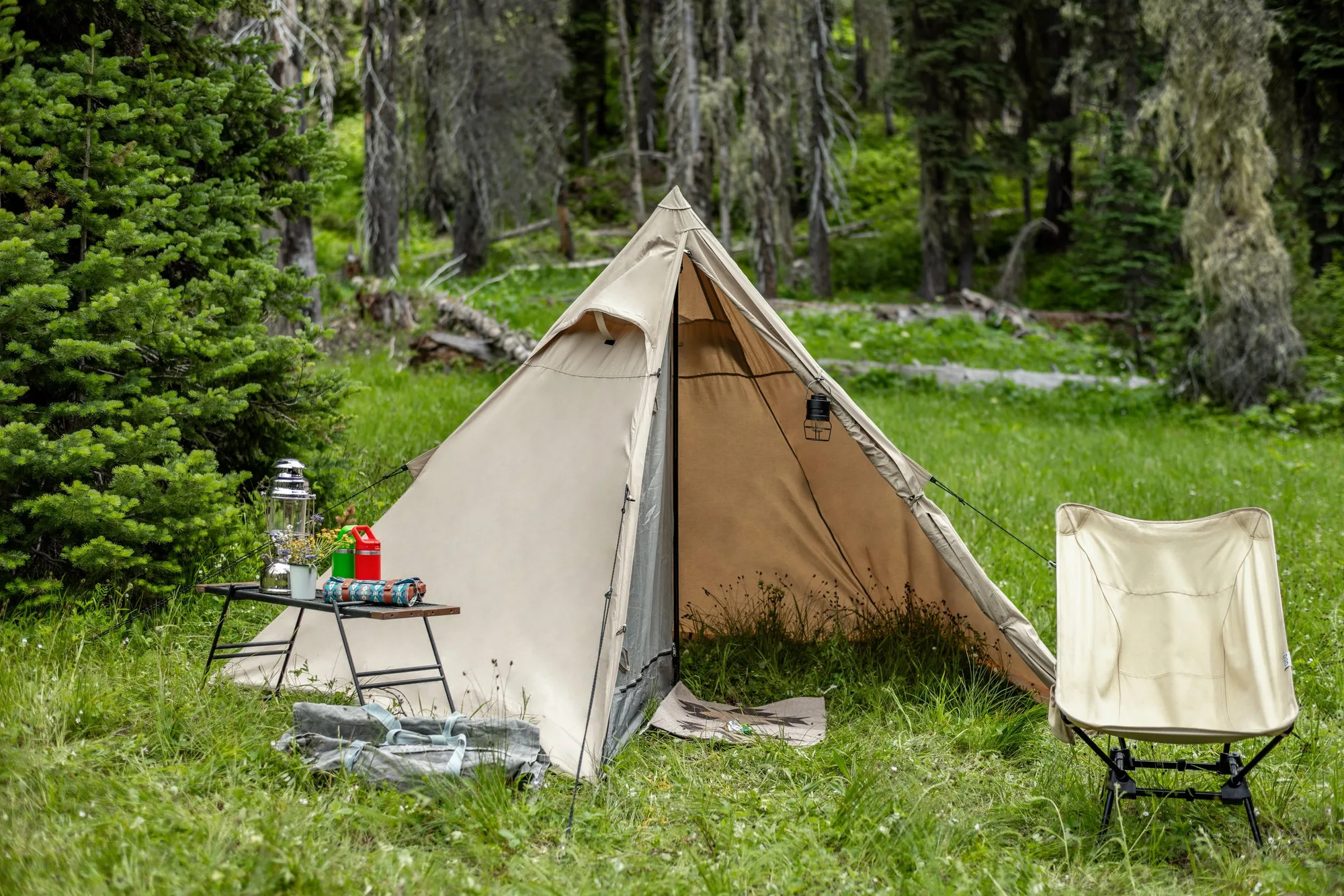
- Musha 1Pole Tent: The Musha 1Pole Tent is a two-room, one-pole solo tent with a separate sleeping chamber and vestibule, made from CanvoTM. The separate sleeping chamber rewards a pad sized to the inner floor, while the vestibule keeps gear off your sleeping area so you can prioritize comfort over storage.
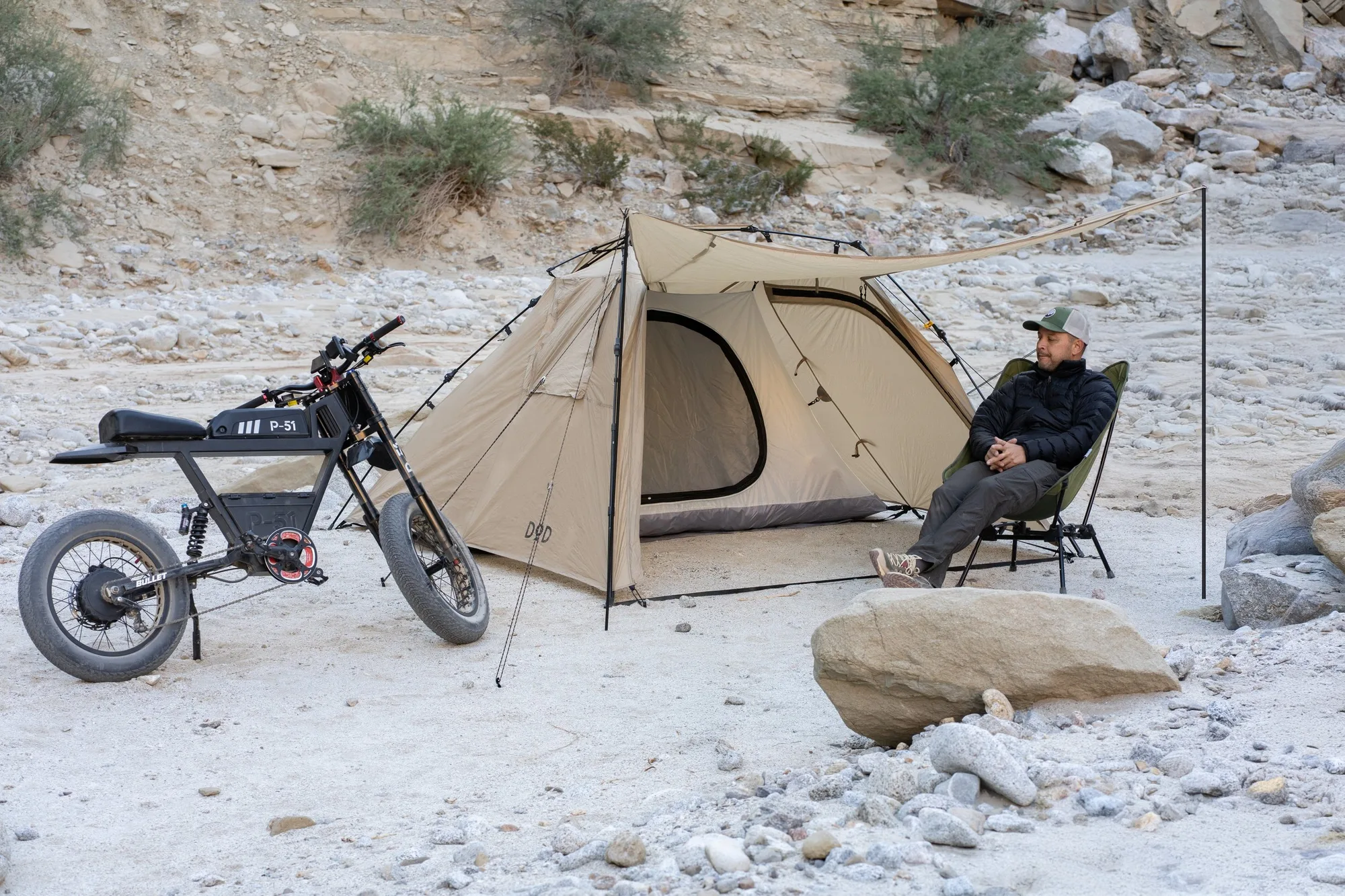
- Moto 1Pull Tent: The Moto 1Pull Tent is a small-footprint two-room tent with a mesh-enclosed inner chamber and a vestibule, using DOD's 1Pull system for quick setup and takedown. The small footprint limits pad width, so measure the inner chamber before buying a wide pad; the vestibule keeps the sleeping area clear.
Who should choose which pad
Best for
- Three-season campers who want one pad for mild to cool nights and prioritize packability
- Side sleepers who need 2 to 3 inches of cushioning and a wider pad
- Cold-weather campers willing to carry a higher R-value pad for winter or shoulder-season trips
Not for
- Ultralight backpackers counting every ounce, who should look at dedicated short or tapered inflatable pads
- Campers who only sleep in warm summer conditions and never expect cold ground, who can save money with a lower R-value pad
- Anyone who refuses to inflate a pad and wants instant, bombproof deployment, who should choose closed-cell foam