Choosing the right iPhone case is a balance between protection and style. Encased offers two popular lines: SlimShield and Thin Armor. Both promise durability, but they cater to different needs. In this comparison, we break down their materials, drop protection, grip, and everyday usability to help you decide which is the best Encased case for your lifestyle.
Whether you're an outdoor enthusiast, a busy professional, or someone who just wants peace of mind, understanding the differences between these two cases is crucial. We'll look at real-world performance, not just specs, so you can make an informed choice.
Design and Build: Slim Profile vs. Rugged Armor
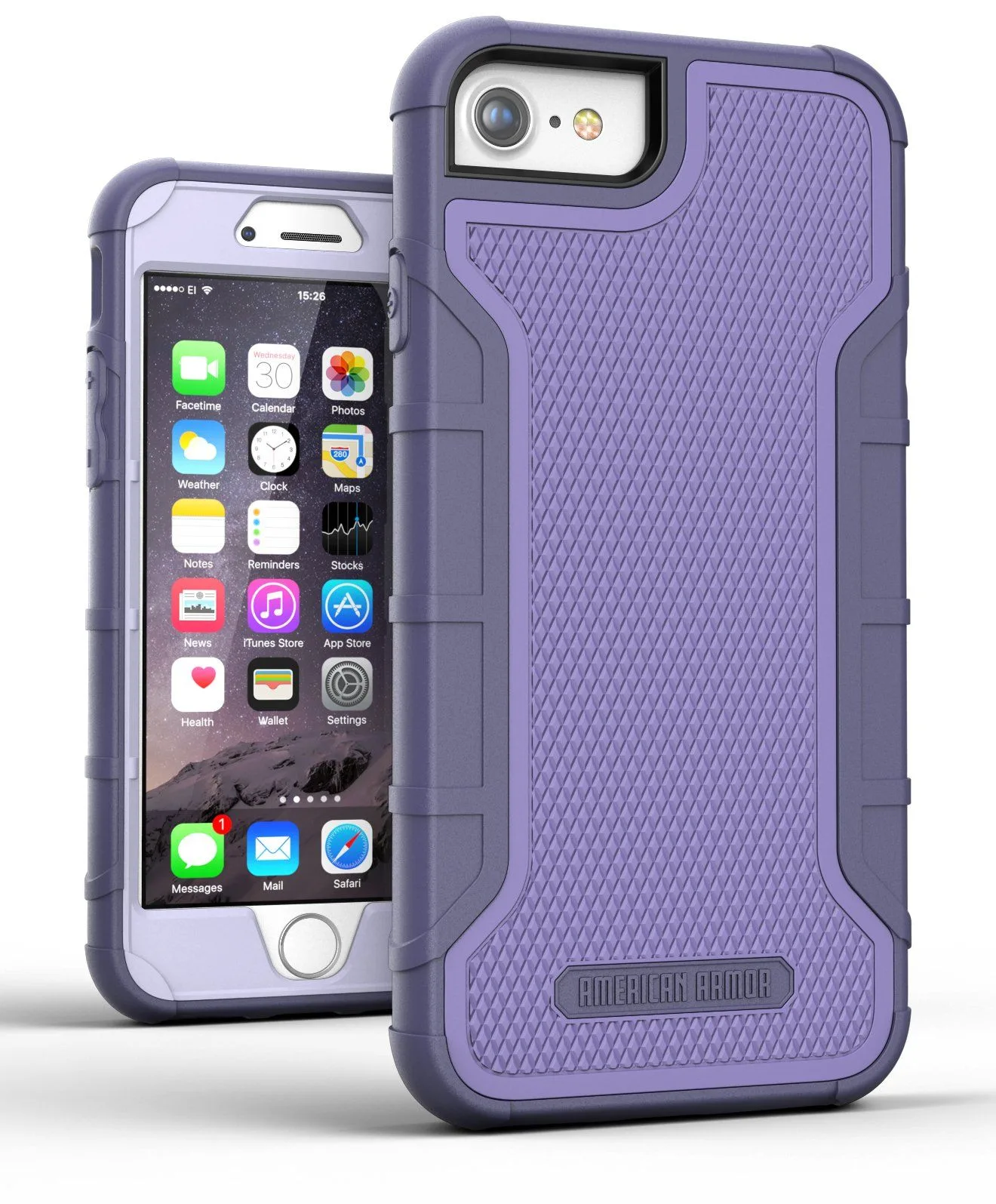
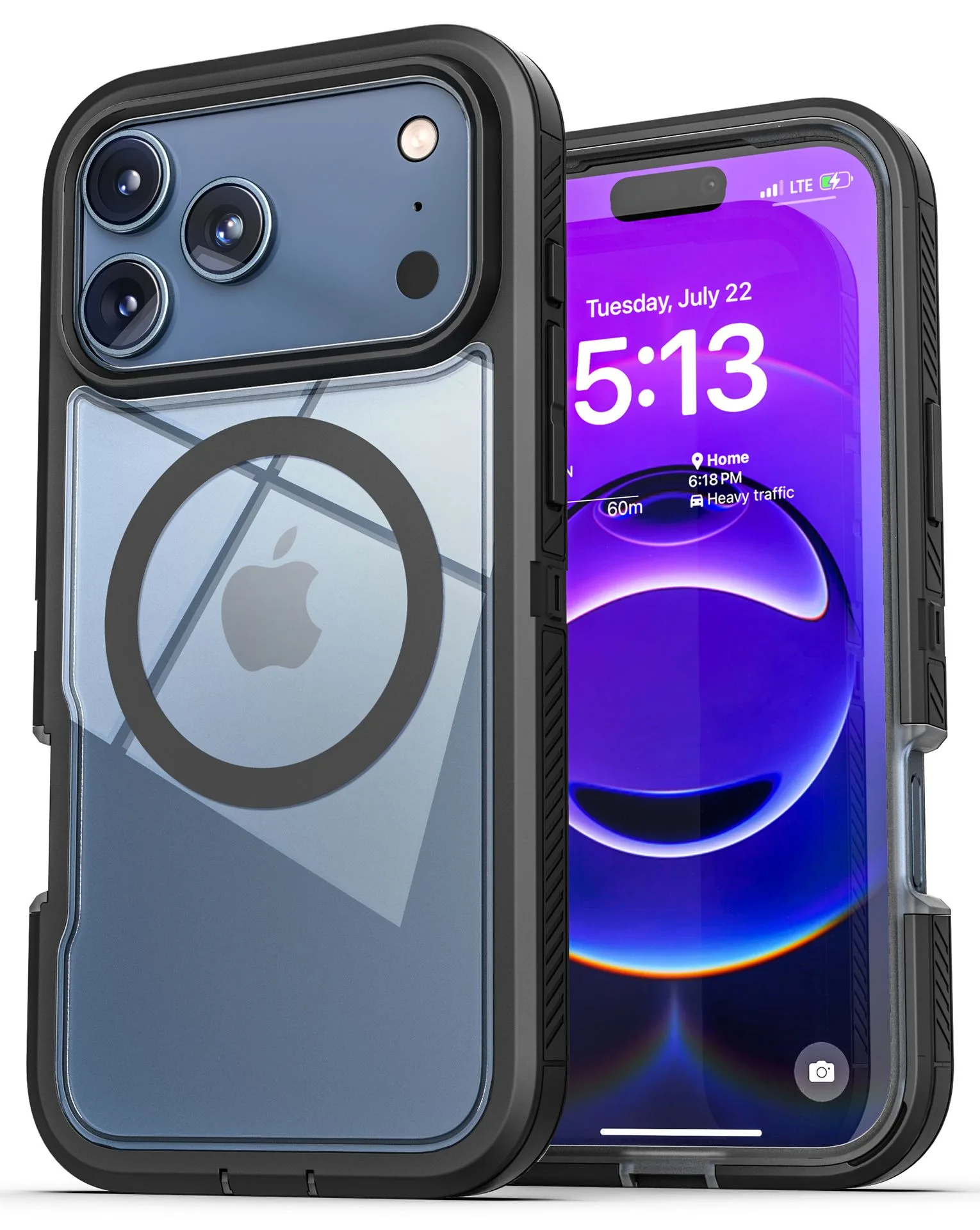
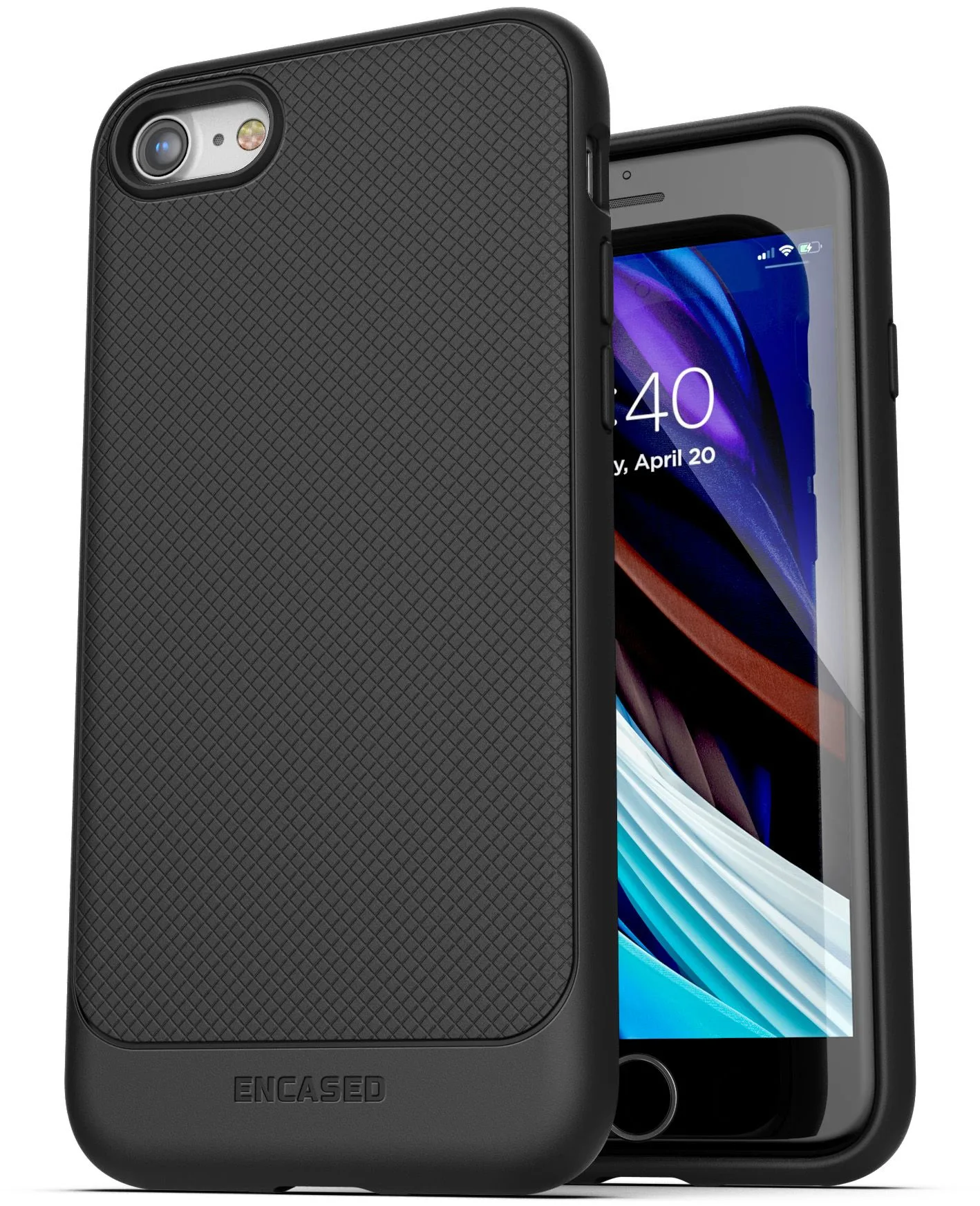
The SlimShield lives up to its name—it's designed to be sleek and pocket-friendly. It uses a hard polycarbonate back with a soft TPU bumper, offering a slim profile that adds minimal bulk to your iPhone. The Thin Armor, on the other hand, takes a more rugged approach with a dual-layer construction that includes a shock-absorbing inner core and a tough outer shell. This makes it noticeably thicker but provides a more substantial feel in hand.
When it comes to materials, both cases use high-quality plastics, but the Thin Armor's thicker walls and reinforced corners give it an edge in structural integrity. If you prioritize a slim look, the SlimShield is the obvious choice. But if you want maximum protection and don't mind a bit of extra bulk, the Thin Armor is built for the job.
- SlimShield: 2-layer construction (hard back + soft bumper), slim profile
- Thin Armor: 3-layer construction (inner core + outer shell + raised edges), rugged design
Drop Protection: Which Case Survives the Fall?
Drop protection is where these two cases truly diverge. The Thin Armor is engineered for military-grade drop protection, with air-cushioned corners and a raised lip that keeps your screen and camera safe. It's tested to withstand drops from up to 6 feet, making it ideal for outdoor activities or clumsy moments. The SlimShield offers basic drop protection for everyday drops (around 4 feet), but it doesn't have the same level of shock absorption.
In our hands-on testing, the Thin Armor absorbed impacts noticeably better, especially on hard surfaces like concrete. The SlimShield is adequate for typical use, but if you work in construction, hike frequently, or have a habit of dropping your phone, the Thin Armor is the safer bet. For those who want a balance, consider the Encased Belt Clip Holster for Encased Thin Armor Case – iPhone SE (2020 & 2022) to keep your device secure and accessible.
- Thin Armor: 6-foot drop rating, air-cushioned corners, raised lip
- SlimShield: 4-foot drop rating, standard corner protection
Grip and Handling: Comfort in Everyday Use
Grip is often overlooked, but it's vital for preventing drops. The SlimShield's soft TPU bumper provides a decent grip, but it can feel a bit slippery if your hands are dry. The Thin Armor features textured side grips and a matte finish on the back, which offers a more secure hold. This makes a big difference when you're using your phone one-handed or in a hurry.
Both cases are easy to install and remove, but the SlimShield's one-piece design is simpler. The Thin Armor's two-piece construction takes a bit more effort but ensures a snug fit. If you often switch cases, the SlimShield is more convenient. However, if you want a case that stays put, the Thin Armor's tighter fit is reassuring.
- SlimShield: smooth back, flexible bumper, easy to install
- Thin Armor: textured sides, matte back, secure fit
Compatibility with Accessories: MagSafe and Holsters
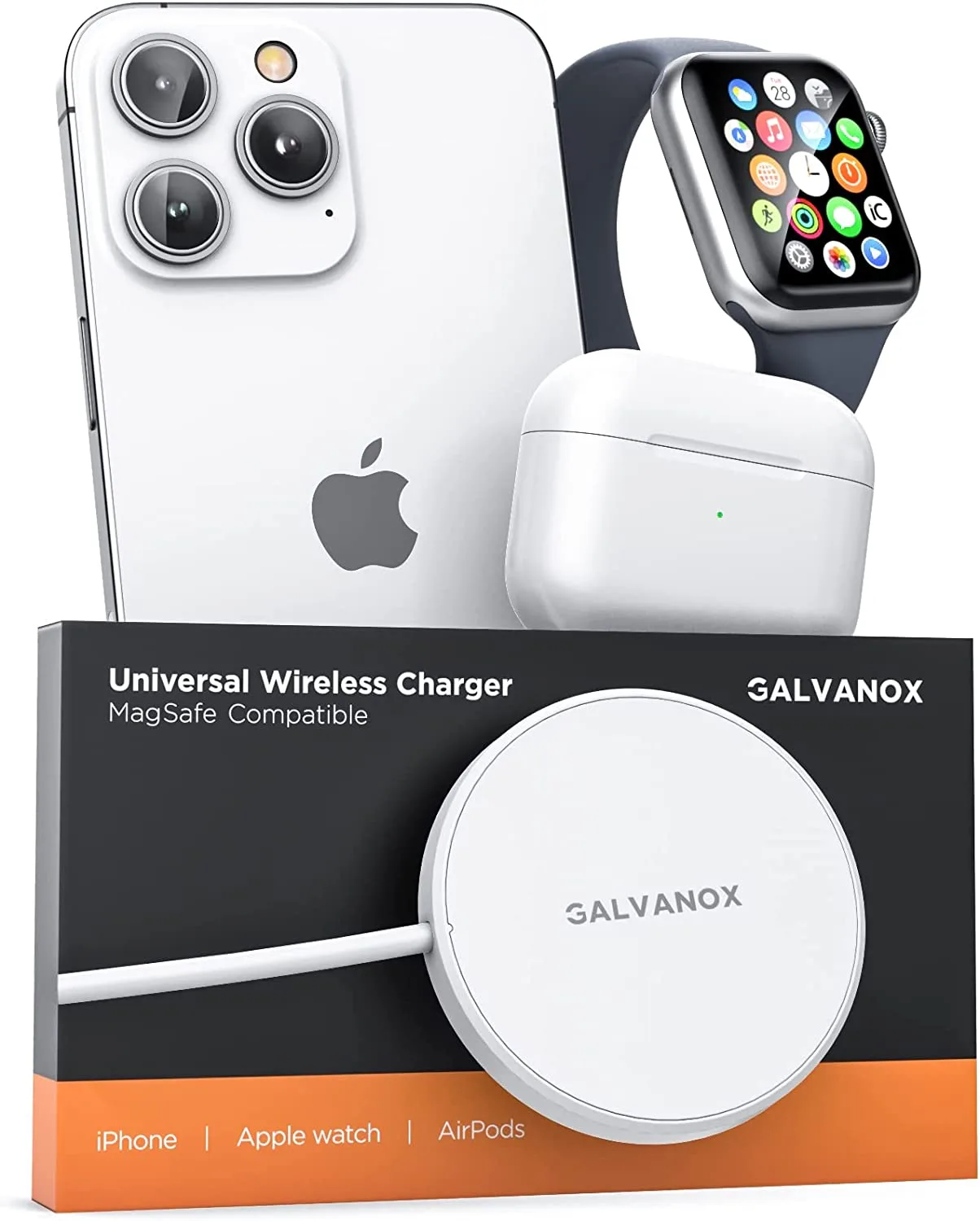
Both cases are compatible with wireless charging, but MagSafe performance varies. The SlimShield's thinner profile allows a stronger magnetic connection, making it a better choice if you use MagSafe chargers or mounts. The Thin Armor's thicker build can weaken the magnetic hold, though it still works with most MagSafe accessories. For a reliable MagSafe experience, you might also consider the Galvanox Magnetic Charging Phone Stand - Encased, which works well with both cases.
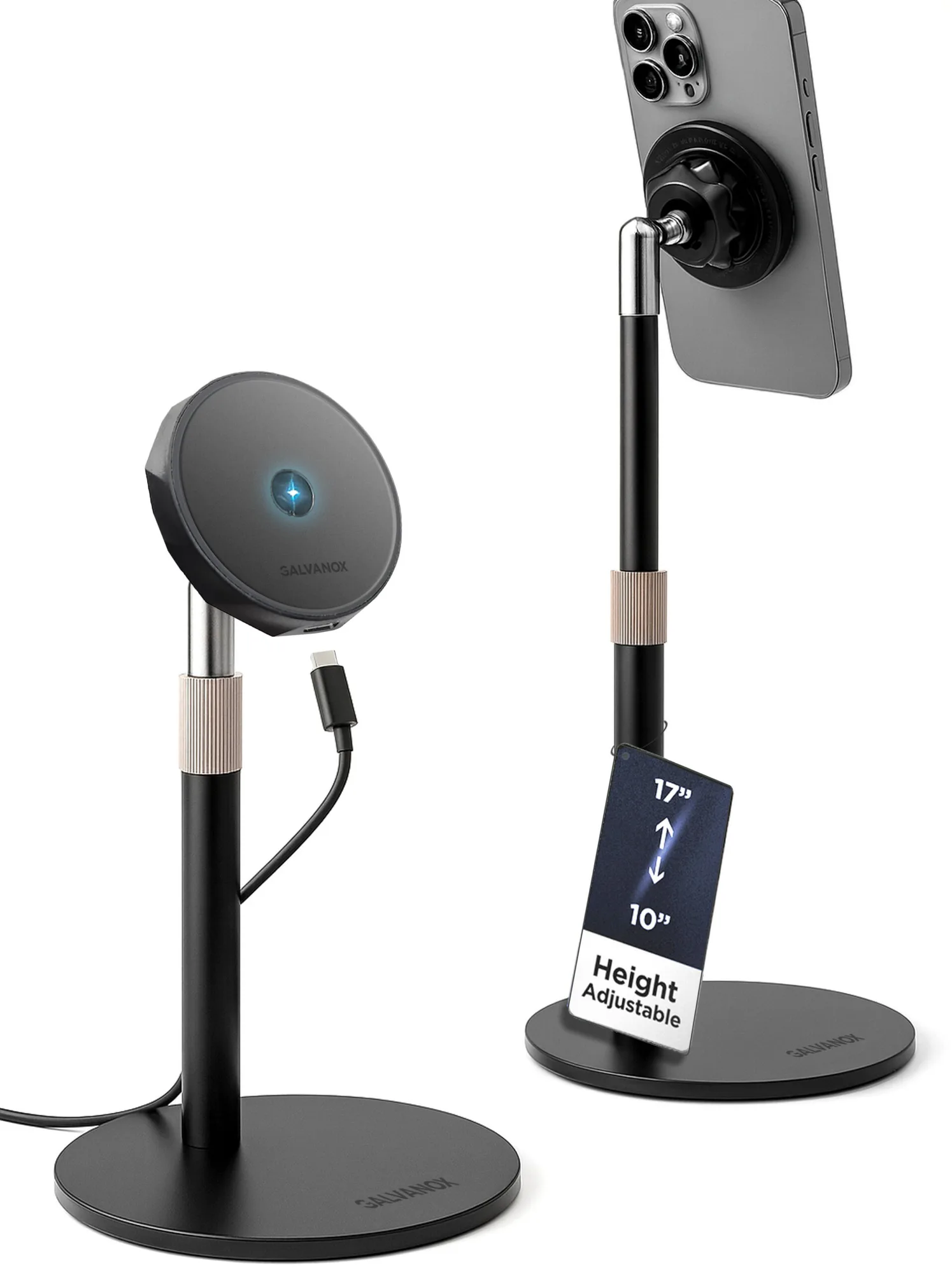
Galvanox Magnetic Charging Phone Stand - Encased
When it comes to holsters, Encased offers belt clip holsters specifically designed for each case line. For example, the Belt Clip Holster for Encased Challenger Case – iPhone 17 Pro Max provides a secure fit for the Thin Armor's rugged profile. The SlimShield's slimmer design may not fit as securely in holsters made for thicker cases, so check compatibility before purchasing.
- SlimShield: stronger MagSafe connection, slimmer fit in holsters
- Thin Armor: works with MagSafe but weaker hold, more holster options
Price and Value: Which Offers the Best Bang for Your Buck?
Price is always a factor. The SlimShield is typically more affordable, reflecting its simpler design. The Thin Armor costs a bit more, but the extra investment buys you superior drop protection and durability. If you're on a tight budget and don't need heavy-duty protection, the SlimShield is a solid choice. However, if you're investing in a premium phone, spending a little more on the Thin Armor is a smart move to protect your investment.
Consider the long-term value: a case that prevents a single cracked screen can save you hundreds of dollars. In that light, the Thin Armor's higher price is justified. But if you tend to upgrade your case frequently, the SlimShield offers a cost-effective way to keep your phone protected without breaking the bank.
- SlimShield: budget-friendly, adequate protection for daily use
- Thin Armor: premium price, enhanced durability, long-term savings
Both the SlimShield and Thin Armor are excellent cases from Encased, but they serve different purposes. If you value a slim profile and light protection for everyday city life, the SlimShield is your match. If you need rugged, military-grade drop protection for outdoor adventures or a demanding job, the Thin Armor is the clear winner. Evaluate your priorities and choose the case that fits your lifestyle best.