Hiking with your dog is one of life's greatest joys, but maintaining control on rugged terrain can be a challenge. A slip lead offers a unique combination of quick release, hands-free convenience, and gentle correction, making it a favorite among trail enthusiasts. When used correctly, a climbing rope slip lead can transform your hiking experience by giving you reliable control without the bulk of a traditional harness and leash setup.
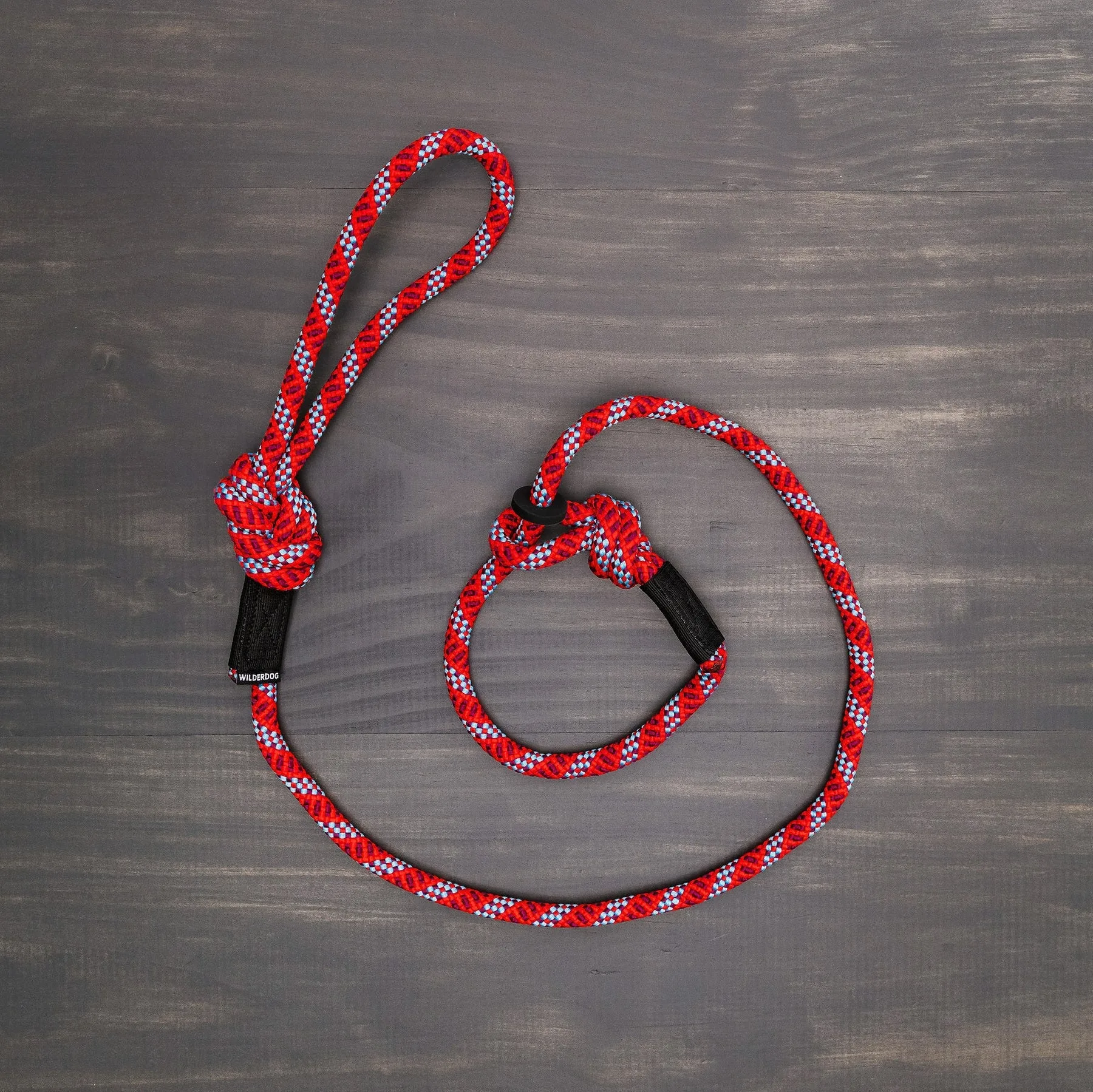
rope slip lead
Whether you're navigating steep switchbacks, crossing streams, or encountering wildlife, understanding how to properly use a slip lead is essential. In this guide, we'll share practical tips for using a slip lead on hikes, covering everything from fit and positioning to training techniques that keep both you and your dog safe on the trail.
Why Choose a Slip Lead for Hiking?
A slip lead is a single piece of rope or webbing that forms a loop around your dog's neck and a leash in your hand. Unlike traditional collars and leashes, a slip lead tightens gently when your dog pulls and loosens when they relax, providing natural feedback. This design is especially useful on hikes where you need quick adjustments—like when your dog spots a squirrel or you need to guide them past a narrow ledge.
The Wilderdog Climbing Rope Slip Lead is crafted from durable climbing rope, offering both strength and flexibility. Its lightweight construction means it won't weigh your dog down, and the rope's texture provides a secure grip even in wet conditions. For hikers who value minimalism and efficiency, a slip lead is an excellent alternative to bulky harnesses.
- Quick on-and-off: Ideal for frequent transitions between on-leash and off-leash sections.
- Natural correction: Gentle pressure teaches your dog to walk calmly without harsh yanking.
- Compact and packable: Fits easily in a pocket or daypack when not in use.
Proper Fit: The Foundation of Safe Slip Lead Use
Before hitting the trail, ensure your slip lead is fitted correctly. The loop should sit high on your dog's neck, just behind the ears, similar to a martingale collar. This positioning allows the lead to tighten evenly without putting pressure on the throat. A common mistake is placing the loop too low, which can cause choking or discomfort.
To adjust the fit, slide the metal ring or stopper up or down the rope. The loop should be snug enough that it won't slip over your dog's head but loose enough to fit two fingers between the rope and your dog's neck. For dogs with thick fur or sensitive skin, consider pairing the slip lead with a padded collar for extra comfort on long hikes.
- Check fit before every hike, especially if your dog's weight or coat changes seasonally.
- Practice at home first: Let your dog wear the slip lead indoors to get used to the sensation.
Trail Training: Teaching Your Dog to Respond to the Slip Lead
A slip lead is most effective when your dog understands how to respond to its gentle pressure. Start by walking on flat, familiar terrain and rewarding your dog for walking loosely by your side. When your dog pulls, apply steady, even pressure (not a jerk) and release as soon as they slacken the leash. This teaches them that pulling leads to discomfort, while walking calmly earns freedom.
On the trail, use the slip lead to guide your dog around obstacles or past distractions. For example, if your dog lunges toward a deer, a quick, gentle upward correction can redirect their attention. Pair this with a verbal cue like "leave it" to reinforce the behavior. Over time, your dog will learn to check in with you automatically, making hikes safer and more enjoyable.
- Use high-value treats for positive reinforcement during training sessions.
- Avoid constant tension: Keep the leash loose when your dog is walking well.
Safety Tips for Using a Slip Lead on the Trail
While slip leads are versatile, they require mindful use. Never tie your dog to a stationary object with a slip lead, as they could panic and choke. Similarly, avoid using a slip lead for tethering or long-term restraint. For hikes with off-leash sections, keep the slip lead accessible but not worn—store it in your pack or clip it to your belt loop.
When hiking in dense brush or near water, be aware that the slip lead can snag on branches or rocks. Choose a trail that matches your dog's experience level, and always carry a backup leash or collar in case of emergencies. The Wilderdog Climbing Rope Slip Lead is designed to break away under extreme pressure, but it's still wise to inspect the rope for fraying after each adventure.
- Bring a separate water bowl and first aid kit for your dog.
- Use a bell (like the Backcountry Bell) to keep track of your dog in thick cover.
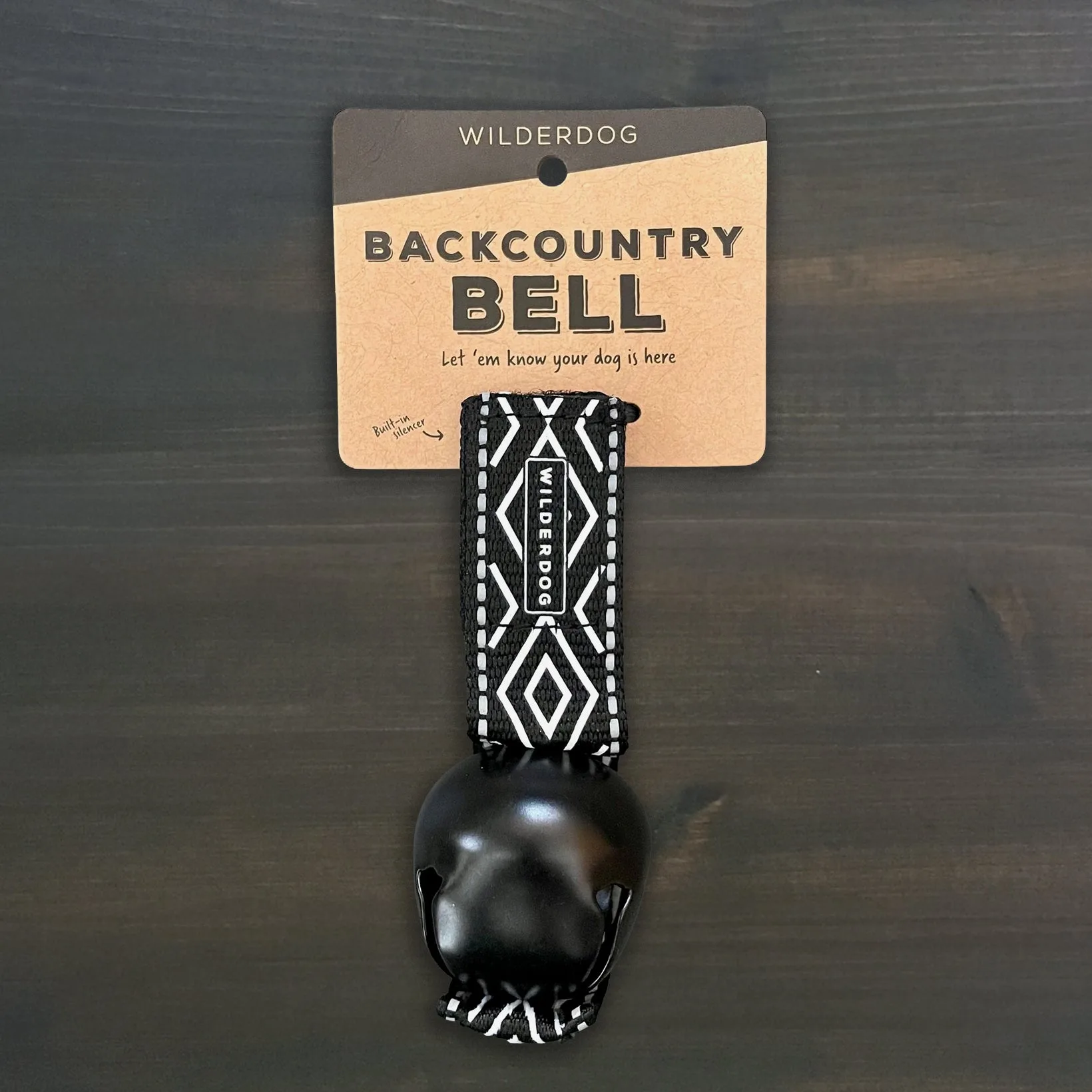
Backcountry Bell
When Not to Use a Slip Lead
Slip leads are not ideal for every dog or every situation. Brachycephalic breeds (like pugs or bulldogs) or dogs with respiratory issues should avoid slip leads due to potential airway pressure. Puppies and dogs with neck injuries also require alternative gear. For these cases, consider a harness or a standard collar paired with a lightweight leash like the Wilderdog x Stio Ultralight Leash, which offers similar trail convenience without neck pressure.
Additionally, if your dog is a strong puller or reactive, a slip lead may not provide enough control. In such cases, combine the slip lead with a front-clip harness for better steering. Always prioritize your dog's comfort and safety over convenience.
Mastering the climbing rope slip lead takes practice, but the payoff is a more connected and controlled hiking experience. By focusing on proper fit, positive training, and trail awareness, you'll build a stronger bond with your dog while exploring the outdoors. Ready to upgrade your trail gear? Check out the Wilderdog Climbing Rope Slip Lead for a durable, adventure-ready design that keeps you and your pup safe on every hike.