Quick Recommendation
If you need a discreet accent or want to fit tight spaces, choose the smaller stickers. When you want a bold focal point that draws the eye, opt for the larger format, keeping in mind that larger sizes may be limited in the current Annuzza Art lineup.
Sticker size is a simple yet powerful design decision. A small 1.5‑2" sticker can blend into a laptop lid or planner page without overwhelming the surrounding graphics, while a larger 2‑3" piece can become the centerpiece of a notebook or window.
In this comparison we look at how size influences visual appeal, durability, and placement options, using real examples from Annuzza Art’s collection.
Size and Visual Presence
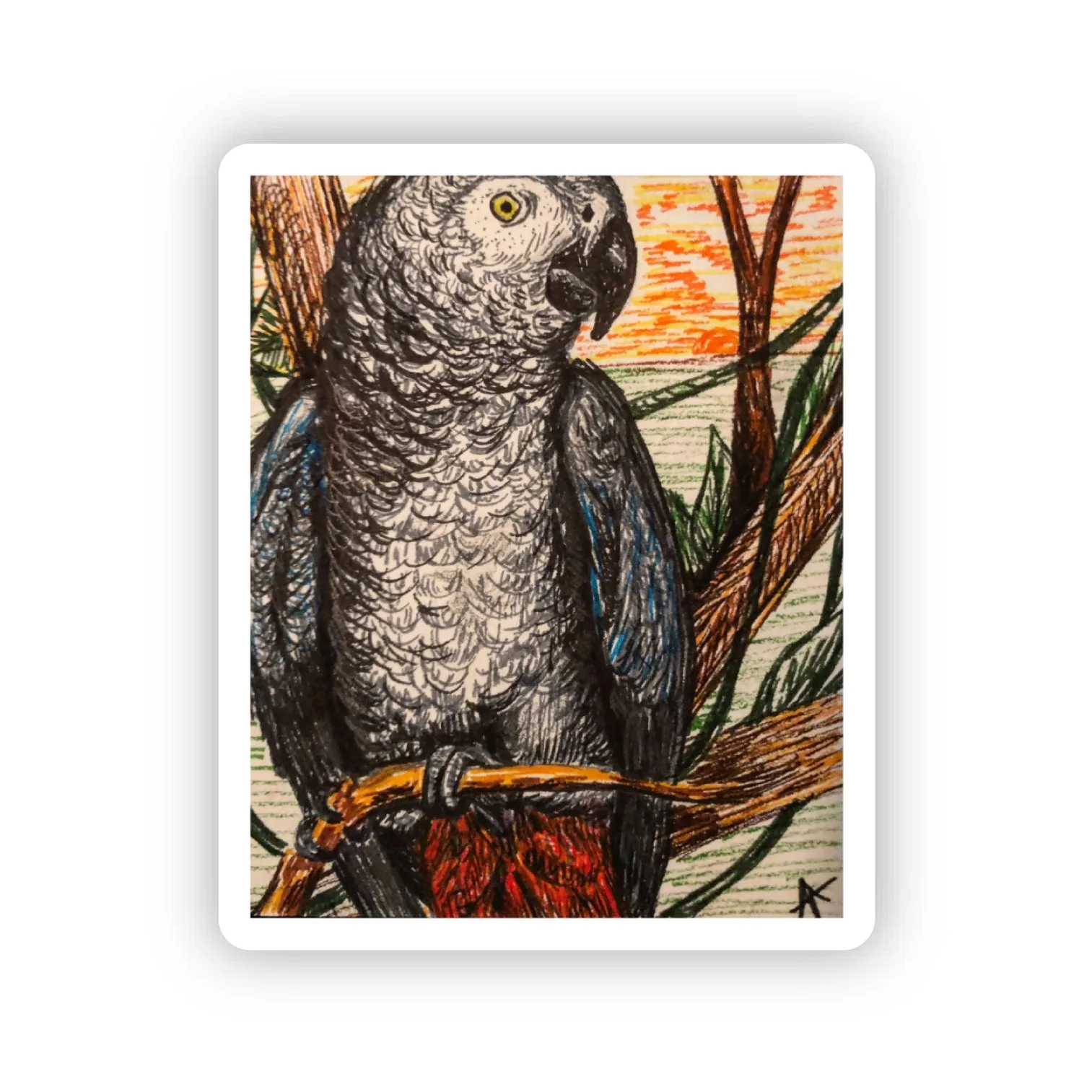
Smaller stickers, like the 1.6" x 2.0" African Grey Parrot Sticker, sit close to the surface and let surrounding elements breathe. Their modest footprint makes them ideal for tight layouts, such as planner grids or phone cases where space is at a premium. Larger stickers, even a modest 2" x 1.6" like the Geo‑organic Lion Sticker, cover more area and create a stronger visual anchor, which can be useful for branding or decorative statements.
African Grey Parrot Sticker
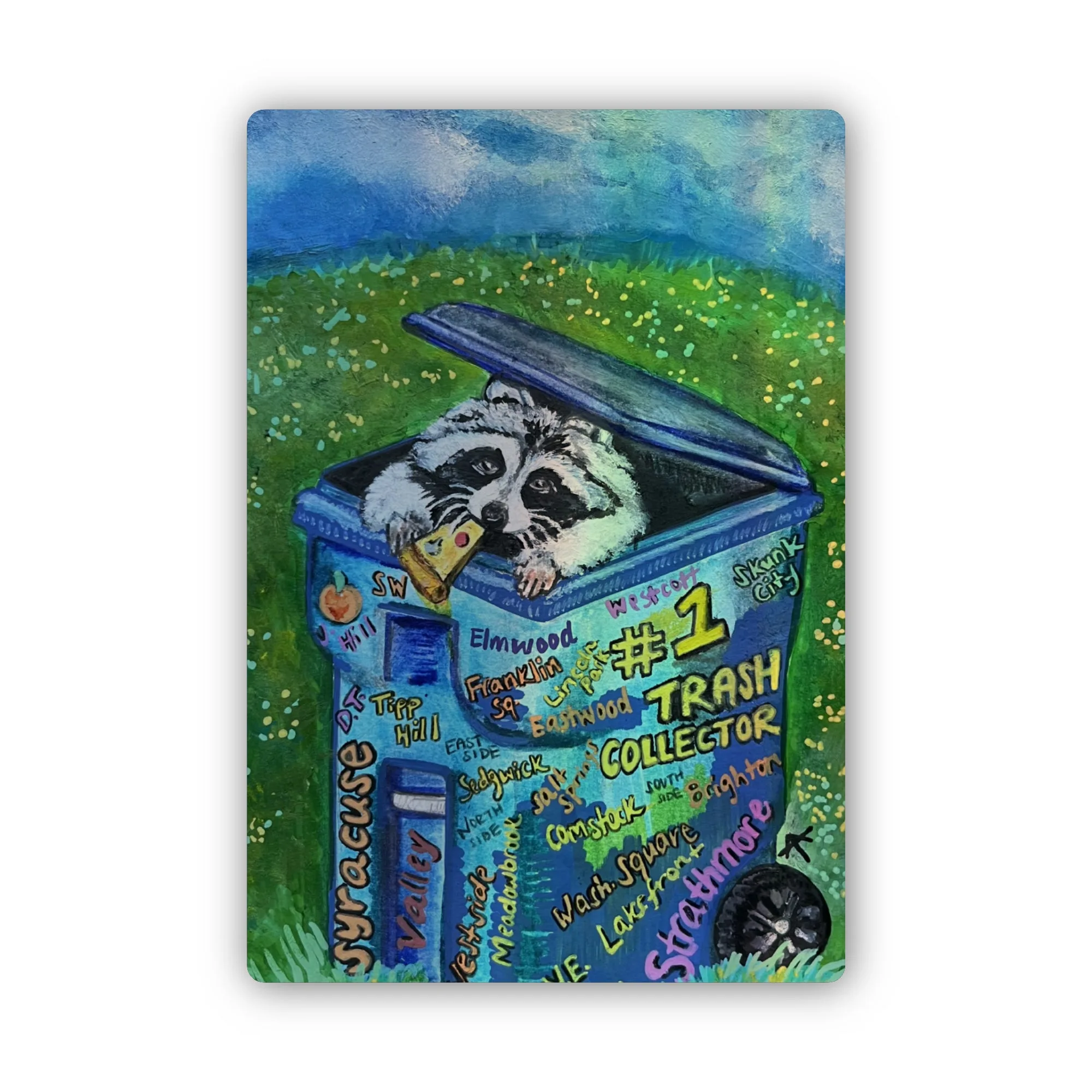
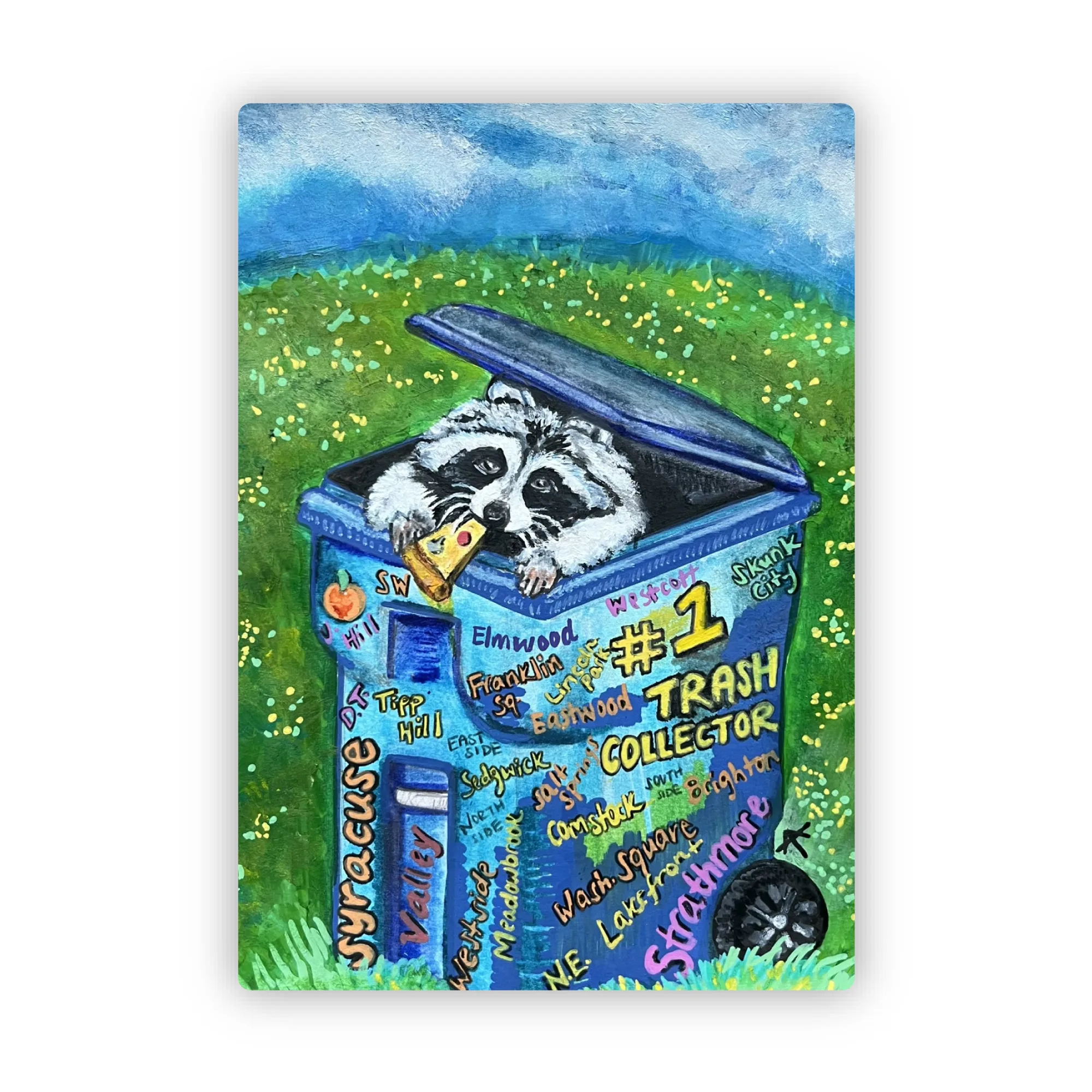
The visual impact also depends on the artwork’s detail. Fine line drawings retain clarity at smaller sizes, whereas bold, high‑contrast designs (e.g., the holographic #1 Trash Collector Sticker) benefit from extra space to showcase their sheen.
#1 Trash Collector Sticker
- Use small stickers for subtle branding or to complement existing designs.
- Choose larger stickers when you want the artwork to be the main attraction.
Material and Durability
All Annuzza Art stickers are die‑cut, waterproof, and built to survive everyday handling. The holographic finish on the #1 Trash Collector Sticker adds a visual pop but can show scratches more readily than matte stickers, so a larger size may expose the effect longer.
Because the material is the same across sizes, durability isn’t a trade‑off; the decision rests on how much surface you’re willing to allocate.
Key Trade‑offs to Consider
- Detail vs. Coverage: Smaller stickers preserve fine details but cover less area; larger stickers showcase bold graphics but may lose subtle line work. Match artwork style to size for optimal clarity.
- Portability vs. Visibility: Tiny stickers travel easily and stay unobtrusive; bigger stickers command attention but require more space. Consider where the sticker will live—portable items vs. static displays.
- Cost vs. Impact: All stickers share the same price range, but larger formats can deliver greater visual impact per dollar spent. If budget is tight, use multiple small stickers to create a collage effect.
Real‑World Sticker Examples
- African Grey Parrot Sticker: 1.6" x 2.0" Die Cut Waterproof Sticker – This "African Grey" sticker features my 2019 marker drawing (a gift for my Godfather). It's a small way to share the memory of Cocoa, a bird who was very dear to us. Its compact dimensions let it fit on tight surfaces like laptop corners or planner tabs while still delivering a personal story.
- #1 Trash Collector Holographic Sticker: 1.37" x 2.0" Die Cut Waterproof Holographic Sticker – Unique mixed media sticker: a raccoon's pizza party in a Syracuse trash cart now available with holographic pizzaz! Spot your neighborhood amidst the '#1 Trash Collector' graffiti. The holographic finish catches light dramatically; a slightly larger size enhances visibility of the shimmering effect in outdoor or bright indoor settings.
Which Size Fits Your Project?
Best for
- Planner enthusiasts who need precise, non‑overwhelming accents
- Small gifts or tech accessories where space is limited
Not ideal for
- Large‑scale wall art where a single sticker should dominate
- Outdoor signage that requires maximum visibility from a distance
Selecting the right sticker size balances subtlety and statement. Use small, detailed stickers for tight, personal spaces, and opt for the larger formats when you want the artwork to lead the visual conversation.