Smart ceiling fans have evolved from simple air circulators to sophisticated home automation devices. With built-in Wi-Fi, voice control, and energy-efficient LED lighting, they offer convenience and style. But with so many options, how do you choose the right one? This guide breaks down the key factors to consider, ensuring you select a fan that fits your space, style, and smart home ecosystem.
Whether you're upgrading a living room, bedroom, or outdoor patio, understanding sizing, features, and lighting technology is crucial. We'll explore everything from blade span to color temperature options like CCT and tunable white, so you can make an informed decision. Let's dive in.
Why Upgrade to a Smart Ceiling Fan?
Smart ceiling fans offer more than just cooling. They integrate with your smart home system, allowing you to control speed, lighting, and scheduling via voice commands or a mobile app. Many models include energy monitoring, helping you reduce electricity bills. The convenience of adjusting your fan from your couch or while away from home is a game-changer.
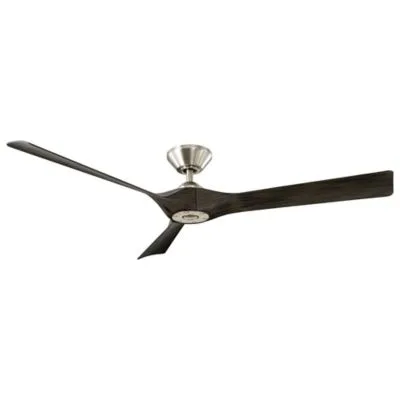
Additionally, modern smart fans often feature sleek designs and advanced LED lighting, enhancing the ambiance of any room. With options like the Umbra Dome Semi-Flushmount, you can combine functionality with aesthetic appeal. However, choosing the right fan goes beyond looks—it's about performance and compatibility.
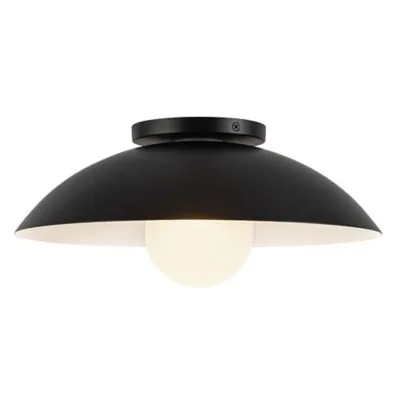
Umbra Dome Semi-Flushmount
- Voice control with Alexa, Google Assistant, or Siri
- Remote access via smartphone apps
- Energy-efficient DC motors
- Integration with other smart devices
How to Choose the Right Ceiling Fan Size
Selecting the correct fan size is critical for optimal air movement. A fan that's too small won't cool effectively, while one that's too large can overpower the room. Measure your room's square footage to determine the ideal blade span. For rooms up to 75 sq ft, a 29-36 inch fan works; for 76-144 sq ft, choose 36-42 inches; for 144-225 sq ft, opt for 44-50 inches; and for larger spaces, consider 50 inches or more.
Ceiling height matters too. For standard 8-foot ceilings, flushmount or low-profile fans are best. If you have higher ceilings, downrods can lower the fan to the optimal 8-9 feet from the floor. This ensures proper air circulation and safety. Remember, the fan should be at least 7 feet above the floor and 18 inches from walls.
- Measure room dimensions before shopping
- Check ceiling height for downrod needs
- Consider blade pitch for efficiency
Key Features to Look For in a Smart Ceiling Fan
When shopping for a smart ceiling fan, prioritize features that enhance usability and energy efficiency. Look for fans with reversible motors for year-round use, quiet operation, and multiple speed settings. Wi-Fi connectivity is a must, as is compatibility with your preferred voice assistant. Some fans offer scheduling and automation, allowing you to set routines based on time or temperature.
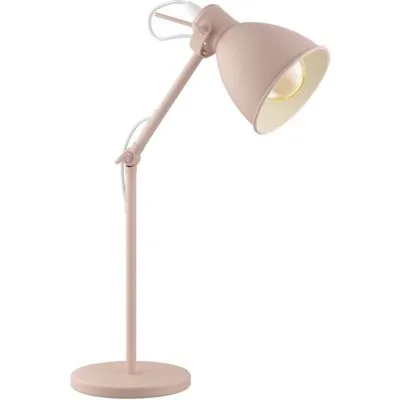
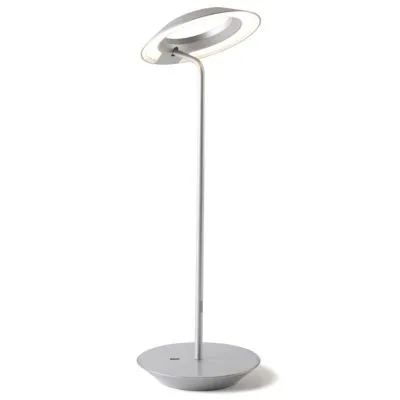
Lighting is another crucial aspect. Many smart fans include integrated LED lights with adjustable brightness and color temperature. For instance, the Talia LED Charging Table Lamp offers versatile lighting, but for ceiling fans, you'll want options like CCT (Correlated Color Temperature) or tunable white. CCT lets you switch between warm and cool light, while tunable white allows for continuous adjustment. This flexibility helps set the perfect mood for any activity.
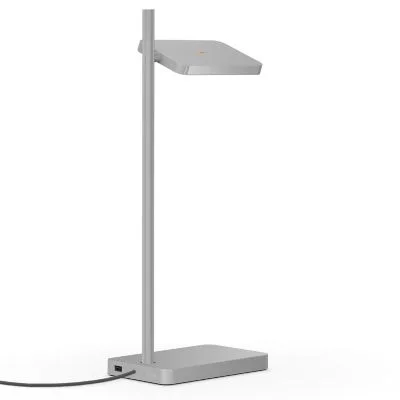
Talia LED Charging Table Lamp
- Reversible motor for summer and winter
- Adjustable color temperature (CCT or tunable white)
- Built-in dimming and scheduling
- Energy Star rating for efficiency
Indoor vs. Outdoor Smart Ceiling Fans
Not all ceiling fans are created equal when it comes to weather resistance. Indoor fans are designed for controlled environments, while outdoor fans must withstand moisture, humidity, and temperature extremes. For covered patios or verandas, look for fans rated as 'damp-rated' or 'wet-rated'. Damp-rated fans can handle moisture but not direct rain, while wet-rated fans are safe for exposed areas.
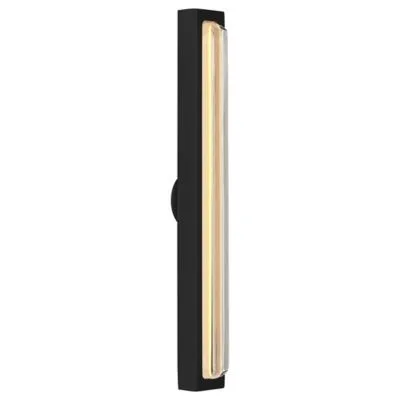
Outdoor smart fans often feature corrosion-resistant materials and sealed motors. They may also have specialized blades that resist warping. If you're looking to cool your outdoor living space, consider models like the LED Outdoor Double Flood Light for additional lighting, but for the fan itself, ensure it's rated for outdoor use. This will guarantee longevity and safety.
- Check IP ratings for water resistance
- Choose damp-rated for covered areas, wet-rated for exposed
- Look for UV-resistant finishes
Lighting Technology: CCT vs. Tunable White
Lighting is a key feature in many smart ceiling fans. CCT (Correlated Color Temperature) allows you to choose between preset color temperatures, typically ranging from 2700K (warm) to 5000K (cool). This is great for setting the mood or matching your decor. Tunable white goes a step further, offering a continuous spectrum of white light, so you can fine-tune the exact shade you prefer.
Both options are energy-efficient and use LED technology. When comparing fans, consider whether you want simple presets or full adjustability. For example, the Broche Semi-Flushmount offers elegant lighting, but for ceiling fans, you'll want to check the specifications. Many smart fans now include both CCT and tunable white, giving you maximum flexibility.
- CCT offers preset color temperatures
- Tunable white allows continuous adjustment
- Both are energy-efficient and long-lasting
Installation and Compatibility Considerations
Before purchasing a smart ceiling fan, ensure it's compatible with your home's wiring and smart hub. Most fans require a neutral wire for smart features. If you don't have one, you may need to hire an electrician. Also, check if the fan works with your existing smart home ecosystem, whether it's Amazon Alexa, Google Home, or Apple HomeKit.
Installation can be a DIY project for those with electrical experience, but professional installation is recommended for safety. Consider the weight of the fan and whether your ceiling box can support it. Some fans come with detailed instructions and mounting hardware, making the process easier. If you're replacing an existing fan, the job is often simpler.
- Check for neutral wire availability
- Verify compatibility with your smart assistant
- Assess ceiling box weight capacity
Top Smart Ceiling Fan Picks from Our Store
To help you start your search, we've curated a few standout options. The Umbra Dome Semi-Flushmount is a stylish choice for modern interiors, offering a sleek silhouette and efficient airflow. For outdoor spaces, the LED Outdoor Double Flood Light complements any fan with bright, energy-saving illumination. And if you're looking for a versatile lighting solution, the Talia LED Charging Table Lamp is perfect for bedside or desk use, though it's not a ceiling fan.
Remember, the right fan depends on your specific needs. Consider room size, ceiling height, and desired features. With our guide, you're now equipped to make an informed decision. Happy shopping!
- Umbra Dome Semi-Flushmount: modern design, ideal for low ceilings
- LED Outdoor Double Flood Light: perfect for outdoor areas
- Talia LED Charging Table Lamp: versatile lighting for any room
Choosing the right smart ceiling fan involves balancing size, features, and compatibility. By following this guide, you'll find a fan that not only cools efficiently but also enhances your smart home experience. Explore our collection to discover the perfect match for your space.