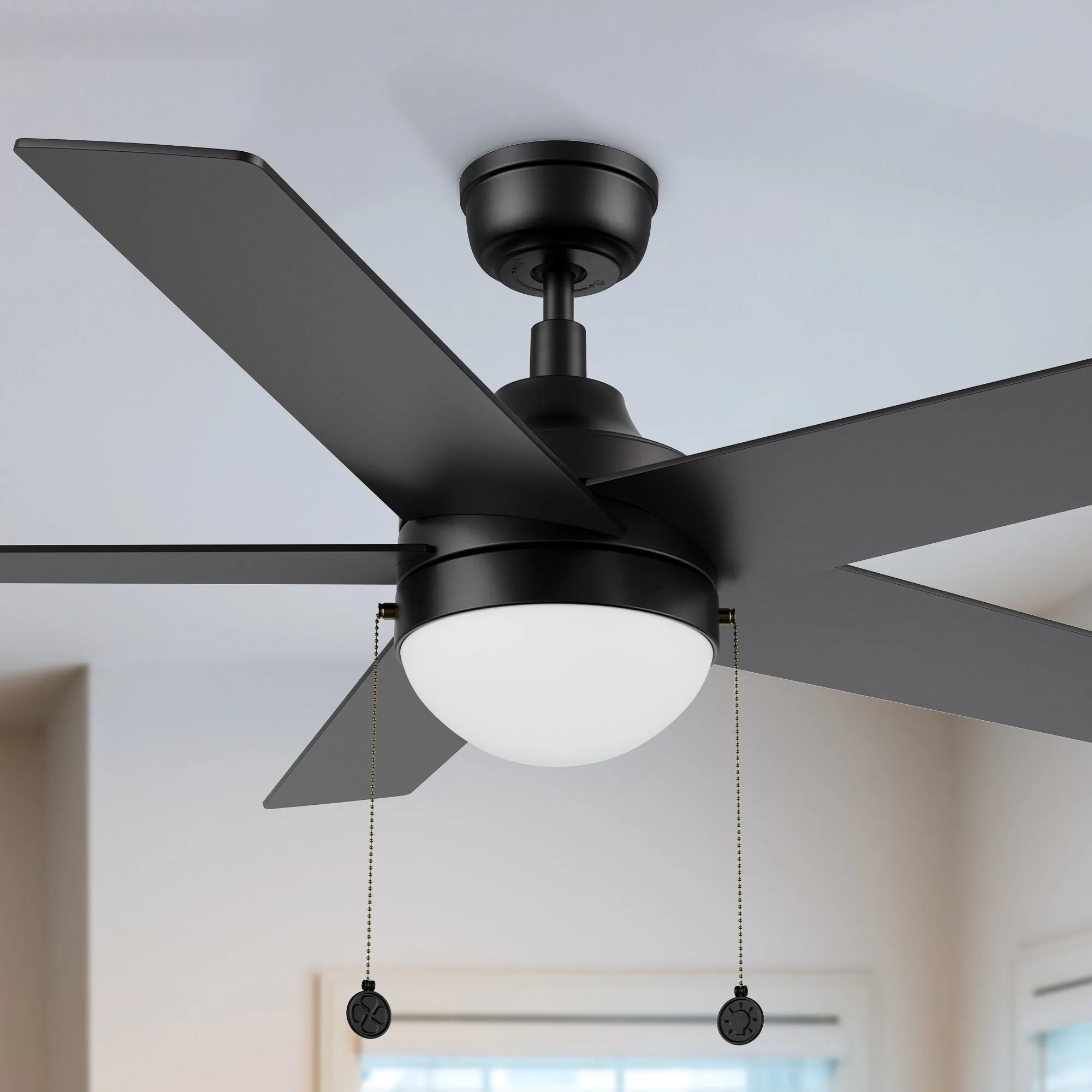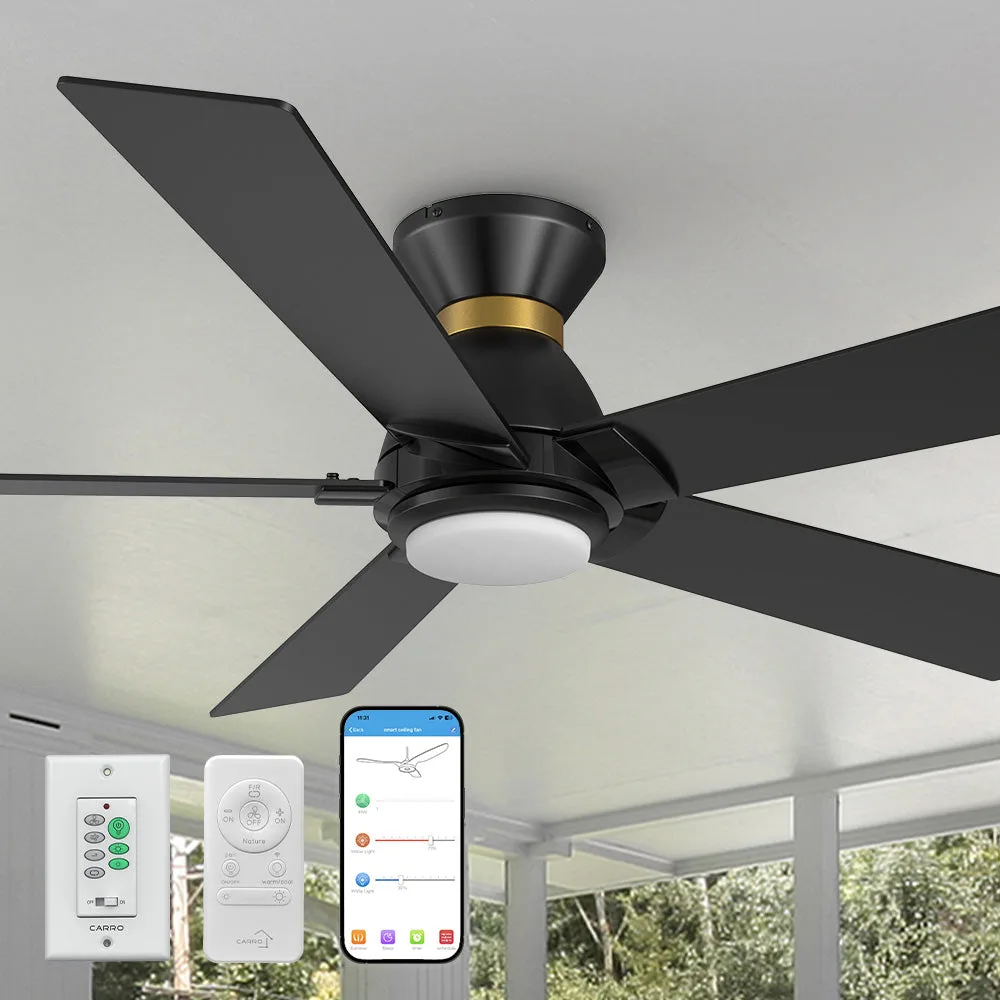
Quick Recommendation
Pick dense, balanced blades such as wood or high‑quality composite, paired with a whisper‑quiet DC motor. Avoid thin, cheap plastic blades if you need a truly silent environment.
Blade material is often overlooked, yet it directly influences how much sound a ceiling fan generates. Even with the same motor, a fan with heavy, well‑damped blades can feel noticeably quieter than one with lightweight plastic blades.
This guide breaks down the most common blade materials, their acoustic properties, and how they interact with the motor technology found in CARRO’s smart ceiling fans.
Key Blade Materials and Their Noise Profile
Wood blades naturally absorb vibration, reducing the resonance that amplifies motor hum. They also tend to be heavier, which stabilizes airflow and limits wobble. However, wood can be more expensive and may require occasional sealing to prevent humidity damage.
Composite or ABS‑based blades strike a balance between weight and rigidity. Engineered to dampen vibration, they are lighter than wood but still provide a solid feel. They are cost‑effective and less prone to warping, making them a popular choice for many indoor smart fans.
- Metal blades (aluminum or steel) deliver the strongest airflow but can act as a speaker cone, magnifying motor noise.
- Thin, low‑density plastic blades are cheapest but often transmit motor vibrations, resulting in a louder fan.
How Blade Design Works With a Whisper‑Quiet DC Motor
CARRO’s smart fans, such as the Yarmouth Quiet Ceiling Fan 52" and Zaire 52" models, use a 10‑speed DC motor specifically engineered for low noise. When paired with well‑damped blades, the motor’s quiet operation shines through, delivering a truly silent breeze.
If you install a fan with heavy, balanced blades on a fan that only has a basic AC motor, the noise reduction benefits diminish. The motor’s intrinsic sound level sets the baseline; blade material refines it.
Decision Rules for Blade Material
- Wood Blades: Dense, natural fibers absorb vibration; ideal for rooms where silence matters most. Choose wood if budget allows and humidity is controlled.
- Composite/ABS Blades: Engineered to balance weight and rigidity, providing good damping at lower cost. Best all‑round choice for most indoor smart fans.
- Metal Blades: High airflow but can amplify motor noise; suited for large, open spaces where volume outweighs quiet. Avoid metal if you need a whisper‑quiet environment.
Product Examples Demonstrating Quiet Blade Performance
- Yarmouth Quiet Ceiling Fan 52" with Remote 10 Speed No Light: Whisper-quiet DC Motor: Equipped with a 10-speed ultra-quiet DC motor, this fan ensures wobble-free airflow, adjustable speeds, and reversible airflow for energy-efficient comfort. The motor’s low vibration foundation lets any high‑quality blade material maintain a near‑silent operation.
- Zaire 52 inch Ceiling Fan with LED Light and Pull Chain: Whisper-Quiet DC Motor: With 3-speed reversible DC motor, quiet ceiling fan allows you to change best ceiling fan… Even with a simpler speed range, the DC motor’s quiet design pairs well with wood or composite blades for a silent bedroom environment.
Who Should Choose Which Blade Material
Best For
- Home offices or study rooms where background noise must stay low
- Bedrooms, nurseries, and media rooms that benefit from silent airflow
Not Ideal For
- Large open living areas where maximum airflow is priority over silence
- Ultra‑budget projects that can only afford thin plastic blades
Selecting the right blade material is a simple yet powerful way to keep your smart ceiling fan whisper‑quiet. Pair a wood or composite blade with CARRO’s DC‑motor fans for the best balance of comfort, efficiency, and peace.