Bird conservation has entered a new era, powered by smart technology and community participation. Traditional conservation methods often rely on labor-intensive fieldwork and limited data sets. But with the rise of affordable, connected smart feeders, ordinary people can now contribute to meaningful scientific research from their own backyards. This shift is not just a trend—it's a movement that is reshaping how ornithologists and ecologists track bird populations, migration patterns, and behavior.
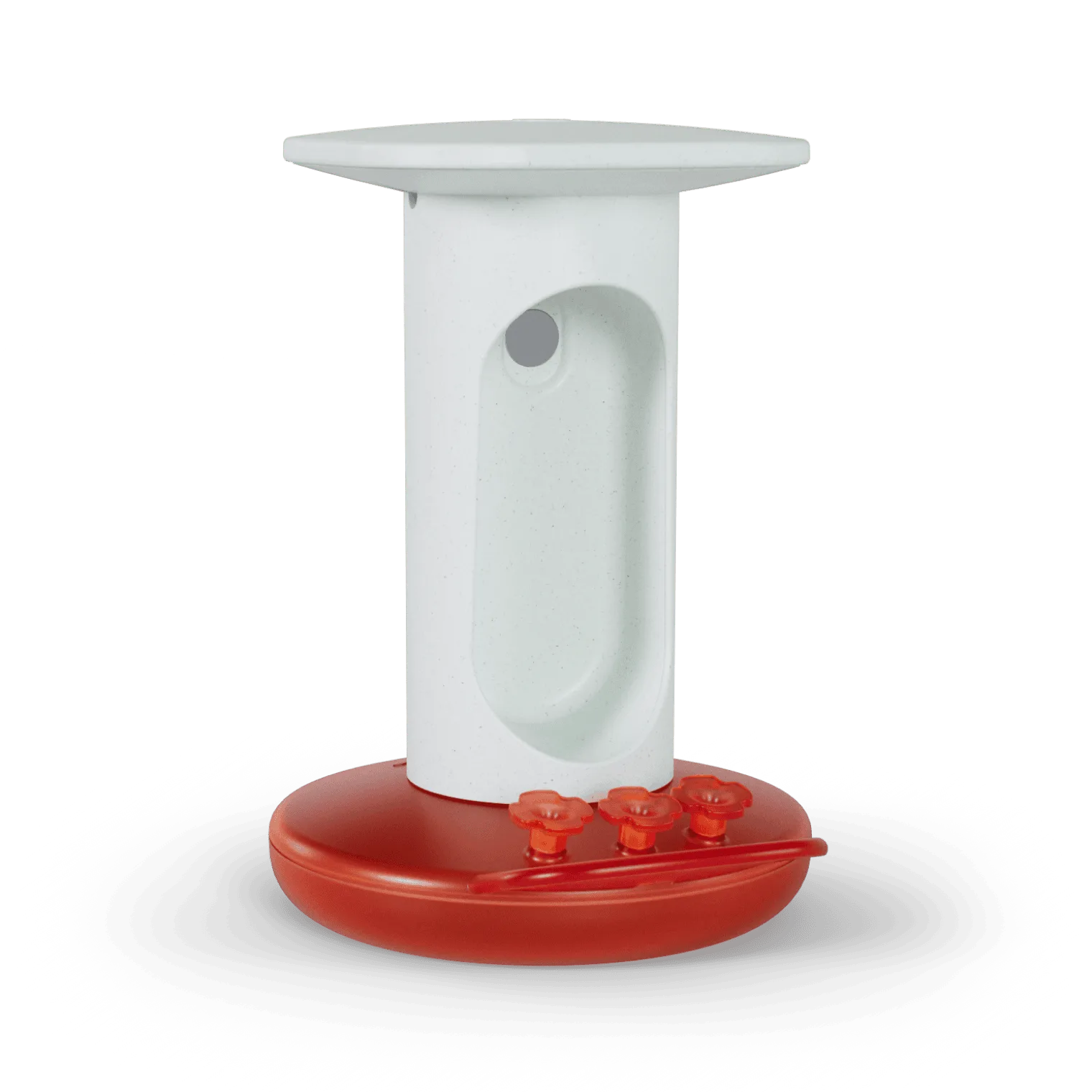
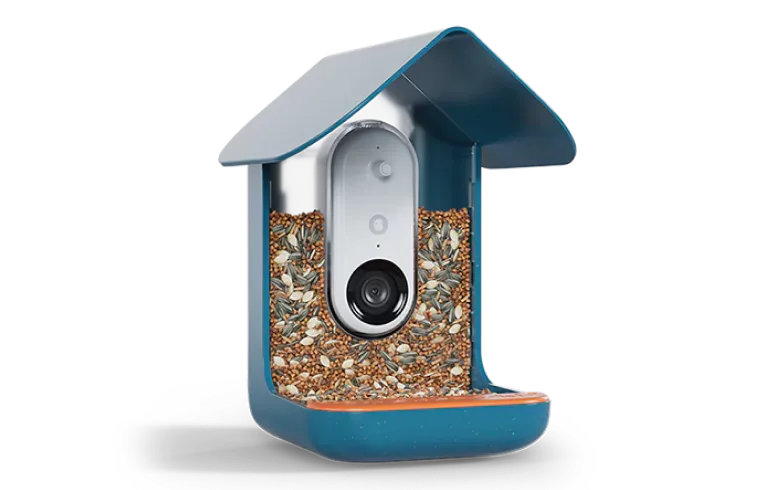
Among the innovators leading this charge is Birdbuddy, a brand that blends high-quality design with advanced IoT capabilities. Products like the https://nexaelectroai.shop/products/birdbuddy-pro-solar-221217Birdbuddy Pro Solar and the https://nexaelectroai.shop/products/smart-hummingbird-feeder-pro-solar-221218Smart Hummingbird Feeder Pro Solar do more than just feed birds—they capture images, record visits, and send data to a central platform where users can observe and share insights. This article explores how these smart feeders are becoming essential tools for conservation, the role of citizen science, and where the industry is headed.
The Data Revolution in Ornithology
For decades, bird data collection relied on banding stations, field surveys, and occasional volunteer counts. While valuable, these methods provide only snapshots. Smart feeders change the game by offering continuous, automated data collection. Each time a bird visits a feeder like the Smart Hummingbird Feeder Pro, the device records the species, time, and even weather conditions. This high-frequency data helps scientists identify subtle shifts in behavior and migration timing.
The Birdbuddy network aggregates data from thousands of users worldwide, creating a massive, real-time database. Researchers can analyze patterns such as early arrivals of migratory species or declines in feeder visits, which may indicate broader environmental stresses. This kind of large-scale monitoring was previously impossible without significant funding and manpower.
- Continuous monitoring reduces gaps in data that seasonal surveys cannot cover.
- Image recognition software in smart feeders can automatically identify species, reducing human error.
- Users can opt-in to share their data with research institutions, making citizen science contributions effortless.
Citizen Science in Action: How Backyard Birdwatchers Contribute
Citizen science projects like eBird have long depended on volunteer observers. But tracking birds manually can be time-consuming and inconsistent. Smart feeders automate the process, making it easy for anyone to participate without needing expert knowledge. A home user who installs a Birdbuddy Pro Solar feeder becomes a data node in a global network. The feeder's solar panel ensures continuous operation, even in remote areas.
The social and educational aspect is equally important. Users can see live feeds of their visitors, learn species names through the app's built-in guide, and share sightings with a community of like-minded enthusiasts. This engagement fosters a deeper connection to nature and a sense of stewardship. Many users report that they become more aware of local habitat needs and begin planting native flowers or reducing pesticide use after joining the Birdbuddy platform.
- Real-time notifications let users know when a rare species visits.
- The app provides personalized insights about bird behavior and local ecology.
- Community features allow users to participate in challenges and contribute to conservation campaigns.
Conservation Implications and Industry Innovations
Smart feeders are not just gadgets; they are tools with direct conservation impact. For example, data from feeders can help identify areas where food sources are scarce, prompting habitat restoration projects. They can also detect early signs of disease outbreaks, such as avian pox or conjunctivitis, by tracking unusual patterns in visits or appearance. Conservation organizations are beginning to partner with smart feeder companies to access this data for targeted interventions.
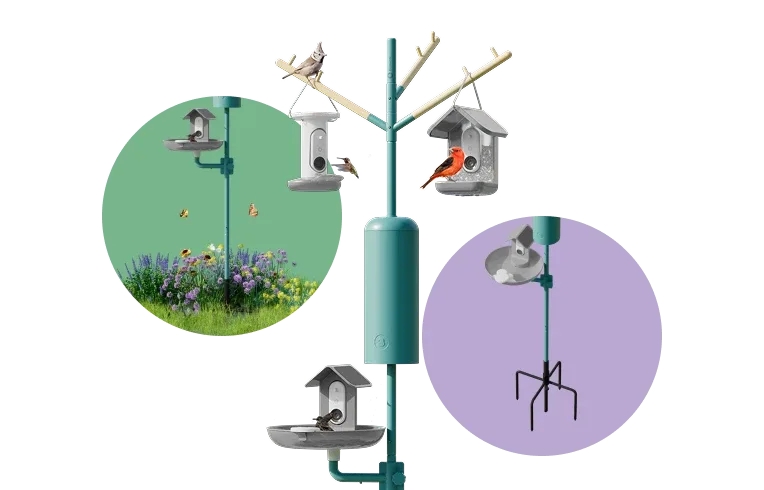
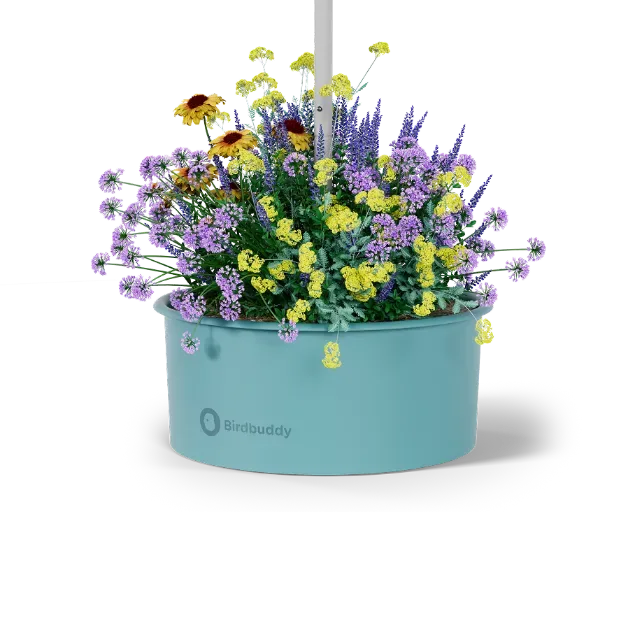
The industry is responding with new features designed for conservation. Birdbuddy's Solar Roof accessory extends battery life in low-light conditions, ensuring data collection continues during overcast days or in shaded gardens. The Wall Mount provides a stable, adjustable platform that can be positioned to capture the best angles for species identification. And the Pollinator Pot complements feeders by supporting bees and butterflies, broadening the ecological impact of a smart garden setup.
- Data collected during critical migration periods can inform conservation policy.
- Smart feeders help monitor invasive species that compete with native birds.
- Integration with weather data allows researchers to study climate change effects on feeding behavior.
Challenges and the Road Ahead
Despite the promise, smart feeder technology faces hurdles. Data privacy concerns, device reliability in extreme weather, and the digital divide limiting participation in underserved communities are all issues that need addressing. Battery life remains a challenge for heavy bird traffic areas, though solar panels like those on the Smart Hummingbird Feeder Pro Solar mitigate this significantly.
Looking forward, we can expect smarter AI that can distinguish between similar species, better networking between feeders to map territories, and even integration with satellite data for landscape-level analysis. As more people adopt smart feeders, the dataset will grow exponentially, unlocking new insights into avian ecology. The ultimate goal is a globally connected web of feeders that acts as a nervous system for bird conservation.
- Privacy settings in the Birdbuddy app allow users to control what data is shared.
- Ongoing firmware updates improve species recognition accuracy.
- Industry standards for data format and sharing could boost cross-platform research.
Smart feeders are proving that technology and nature can work hand in hand. By turning every backyard into a research station, products like the Birdbuddy Pro Solar and Smart Hummingbird Feeder Pro empower individuals to make a real difference for bird conservation. Whether you're a seasoned birder or a curious beginner, now is the time to join the citizen science movement and let your feeder do more than just feed—let it help protect the birds we love.