Attracting hummingbirds to your backyard is a rewarding experience, and the right feeder housing plays a crucial role in keeping these tiny visitors safe and comfortable. A smart hummingbird feeder housing does more than just hold the feeder—it protects the nectar from the elements, deters unwanted insects, and integrates with modern features like cameras and solar panels. Whether you’re upgrading an existing setup or starting from scratch, understanding the key features of hummingbird feeder housing will help you make an informed purchase.
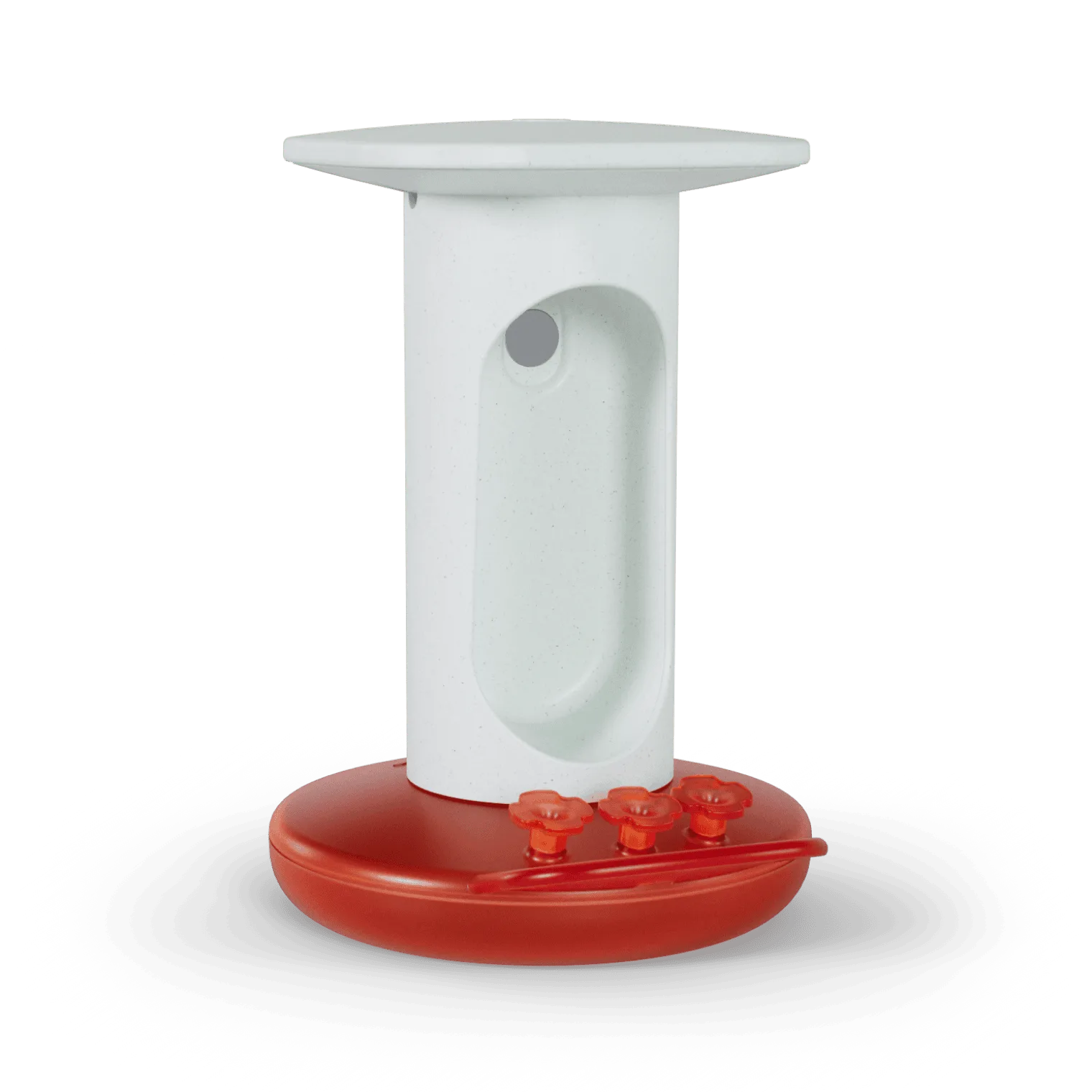
smart hummingbird feeder housing
In this buying guide, we’ll walk you through the most important aspects to evaluate when selecting a smart hummingbird feeder housing. From material durability and weatherproofing to compatibility with accessories like solar roofs and mounting options, you’ll learn exactly what to look for to create the perfect feeding station. We’ll also highlight how Birdbuddy’s offerings, such as the Smart Hummingbird Feeder Housing and the Smart Hummingbird Feeder Pro, can meet your needs.
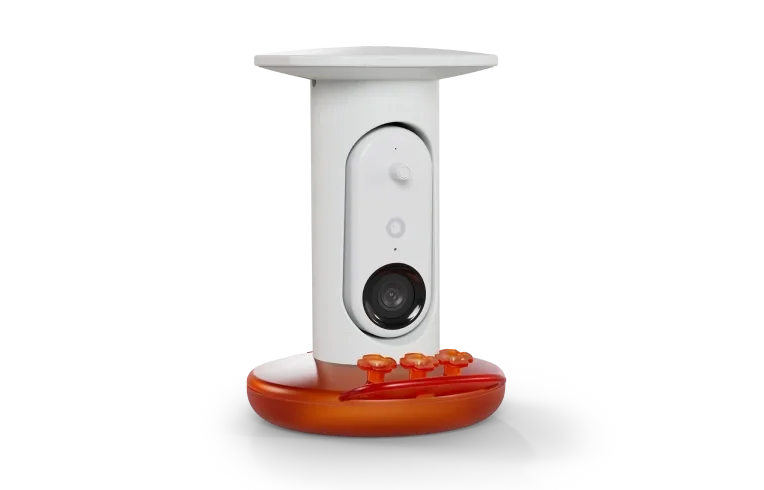
Smart Hummingbird Feeder Pro
Why Housing Matters for Your Smart Hummingbird Feeder
The housing of a smart hummingbird feeder is not just an aesthetic shell—it directly impacts the feeder’s functionality and the birds’ well-being. A well-designed housing protects the nectar from rain, wind, and excessive sunlight, which can spoil the sugar solution quickly. It also helps shield the camera or sensor components in smart feeders from moisture and debris, ensuring reliable operation season after season. Without proper housing, you may face issues like nectar dilution, mold growth, or frequent battery drain.
Furthermore, housing can influence which birds visit your feeder. A well-crafted housing that mimics natural perching spots or adds a touch of red (hummingbirds’ favorite color) can make your feeder more inviting. Birdbuddy’s Smart Hummingbird Feeder Housing is designed with these factors in mind, offering a sturdy build that integrates seamlessly with their smart feeder system. When you invest in quality housing, you’re investing in longer-lasting nectar, happier birds, and a more enjoyable viewing experience.
- Look for housing with UV-resistant materials to prevent color fading and nectar spoilage.
- Ensure the housing has proper ventilation to avoid condensation inside the feeder.
Key Features to Look For in Hummingbird Feeder Housing
When shopping for a smart hummingbird feeder housing, several features deserve your attention. Start with the material: high-quality plastics, such as polycarbonate or UV-stabilized ABS, offer lightweight durability and resistance to cracking under sun exposure. Glass housings are elegant but heavier and more fragile. For longevity, check that all seals are watertight and that the housing includes a drainage system to prevent water pooling around the ports.
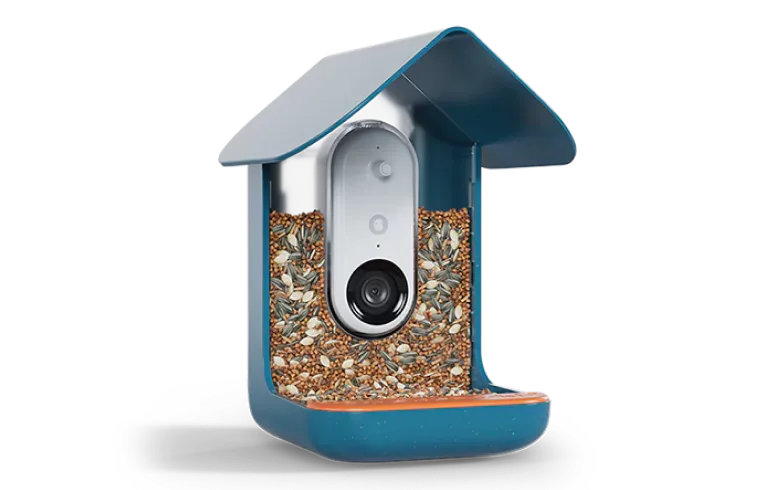
Another critical feature is the housing’s design for nectar port accessibility. The ports should be easy to clean and refill, with a shape that discourages bees and wasps while inviting hummingbirds. Built-in ant moats can also be a valuable addition. Finally, consider whether the housing accommodates add-ons like a Solar Roof or a camera module. Birdbuddy’s Smart Hummingbird Feeder Housing is engineered to work with their camera-equipped Smart Hummingbird Feeder Pro and can be paired with the Solar Roof for extended battery life.
- Check for shatterproof materials if you live in an area with hail or strong winds.
- Prioritize housings with dishwasher-safe components for easy cleaning.
Compatibility with Birdbuddy Accessories
One of the greatest advantages of choosing a smart hummingbird feeder housing from a cohesive ecosystem like Birdbuddy is compatibility. The Smart Hummingbird Feeder Housing is designed to fit seamlessly with the Smart Hummingbird Feeder Pro, allowing you to capture high-quality photos and videos of visiting hummingbirds. It also supports the Solar Roof, which can be attached on top to keep the nectar cooler in summer and power the feeder’s smart features without frequent battery changes.
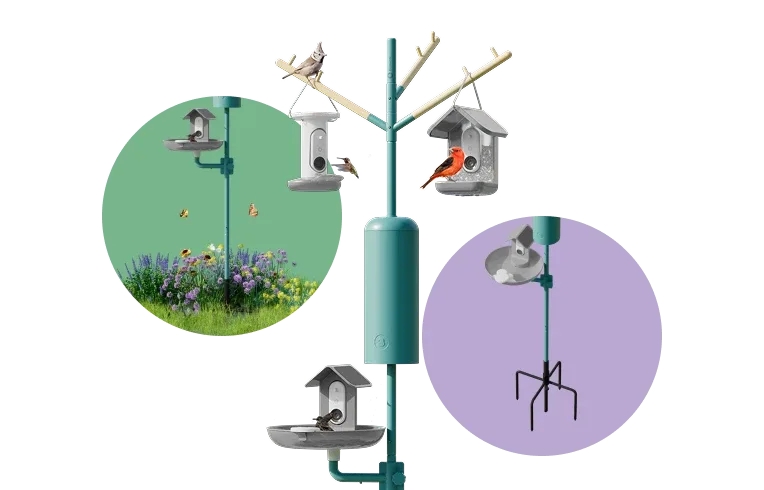
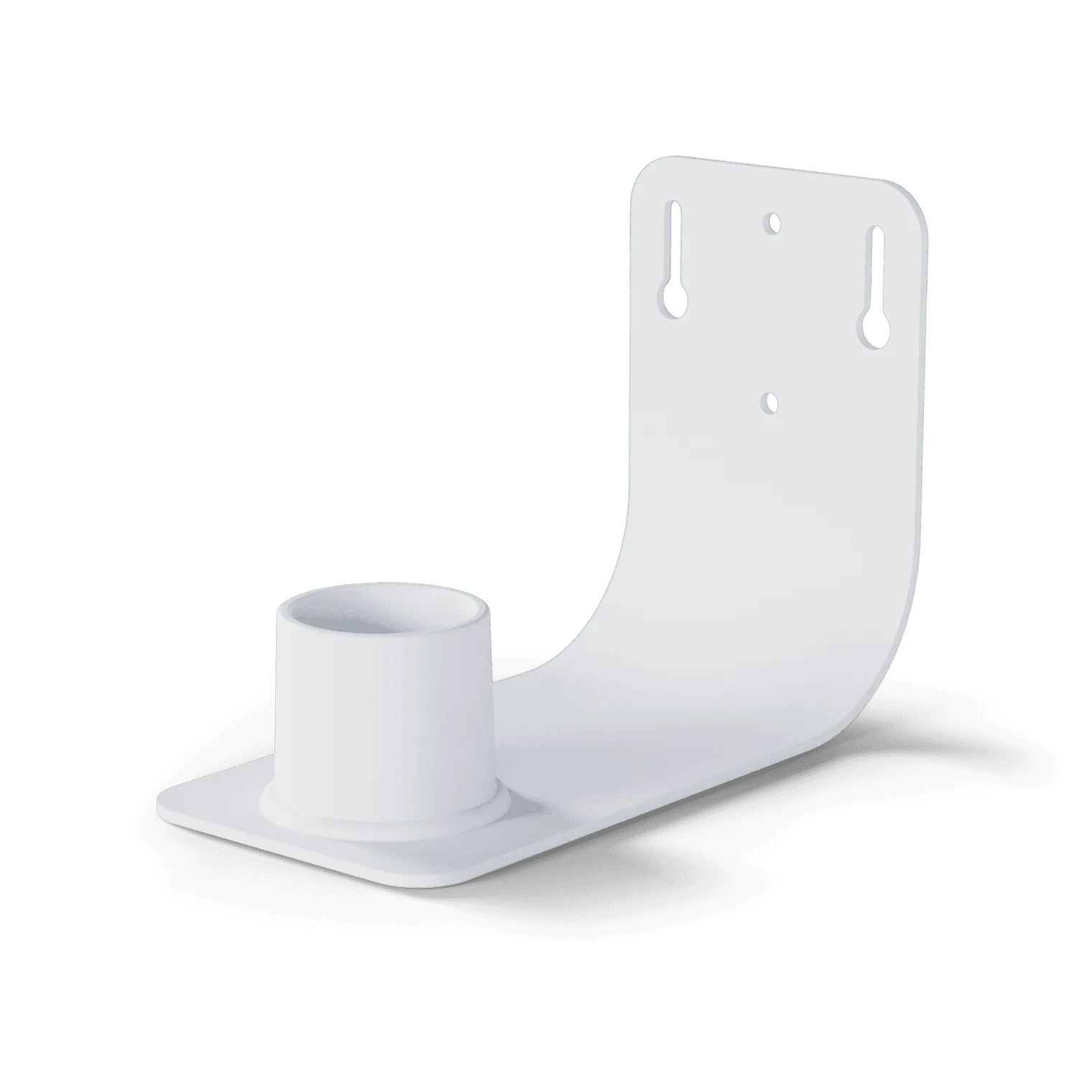
Mounting is another area where compatibility matters. The housing can be used with the Wall Mount for secure attachment to fences, walls, or posts, giving you flexibility in placement. If you prefer a freestanding setup, consider pairing the housing with the Nature Station Essential for a complete feeding and observation station. Before purchasing, always verify that the housing is designed to fit your specific feeder model—mixing incompatible brands can lead to leaks or poor camera alignment.
- Use the Wall Mount for a sturdy installation that keeps the feeder stable in windy conditions.
- Combine the housing with a Solar Roof to reduce maintenance and improve energy efficiency.
Material and Durability: What to Expect
The material of your hummingbird feeder housing directly affects its lifespan and the safety of the birds. Look for BPA-free, food-grade plastics that won’t leach chemicals into the nectar. Metal housings can heat up quickly under direct sun, potentially warming the nectar and causing spoilage, so they are less ideal for hot climates. Birdbuddy uses high-grade, UV-resistant plastic in their housings, which remains cool and won’t yellow over time.
Durability also means resistance to impact. A housing that can withstand a dropped feeder or a curious squirrel is worth the extra investment. Check user reviews for feedback on long-term use, especially in extreme weather. Many Birdbuddy customers praise the Smart Hummingbird Feeder Housing for its robust construction, noting that it survives heavy rain and snow without cracking. The housing’s seals are designed to keep moisture out, protecting the internal electronics and nectar from contamination.
- Opt for housing with a UV protection rating of at least 5 years for outdoor use.
- Test the seals by filling the housing with water and tilting it before first use.
Installation and Mounting Options
Ease of installation is often overlooked but can make the difference between a frustration-free setup and a weekend project. The best hummingbird feeder housings come with clear instructions and simple assembly. Many are designed to snap together or require only basic tools. Birdbuddy’s housing typically mounts using a standard hook or bracket, and the Wall Mount accessory provides a more permanent solution for high-traffic areas.
Think about where you want to place the feeder. Hummingbirds prefer a quiet spot with some cover from predators but also visible from your window. A housing that allows for adjustable orientation—such as tilting the feeder downward slightly—can help prevent rain from entering the ports. For optimal viewing, consider installing the feeder at eye level. The Birdbuddy Smart Hummingbird Feeder Housing is lightweight enough for pole mounting if you use a compatible adapter, giving you even more placement flexibility.
- Mount the housing at least 5 feet off the ground to deter cats and other predators.
- Place near red or tubular flowers to attract hummingbirds faster.
Choosing the right smart hummingbird feeder housing is a balance of durability, compatibility, and thoughtful design. By focusing on features like weather resistance, material quality, and ecosystem integration, you can create a feeding station that hummingbirds will love and that you’ll enjoy maintaining. For a reliable option that checks all these boxes, explore the Birdbuddy Smart Hummingbird Feeder Housing—it’s built to pair perfectly with other accessories and delivers long-lasting performance season after season.