Quick Verdict
If you value low‑maintenance, filter‑free operation and energy savings, Vornado’s Smart Air Purifier series is the better fit. Choose a traditional HEPA unit when certified particle capture and proven filtration are top priorities.
Vornado’s Smart Air Purifier series promises filterless cleaning using advanced vortex technology, while traditional HEPA units rely on dense filter media to trap particles. Both approaches aim to improve indoor air quality, but they differ in how they achieve it and what users get out of the experience.
Understanding these differences helps you decide which system aligns with your health goals, budget, and maintenance preferences.
Technology Foundations
Smart purifiers use Vornado’s proprietary vortex action to circulate air rapidly, creating turbulence that captures dust and allergens on a smooth, non‑filter surface. The process reduces the need for replaceable filters and can operate continuously with minimal power draw. Traditional HEPA units employ a dense fibrous filter that physically blocks particles 0.3 microns and larger, delivering a certified capture rate of 99.97% but requiring periodic filter replacements.
The vortex method also spreads airflow throughout the room, often reaching 70‑100 feet, which can improve temperature uniformity. HEPA units focus airflow through the filter, which can create a more localized clean zone but may leave pockets of unfiltered air elsewhere.
- Vortex action = whole‑room circulation; HEPA = point‑source filtration
Energy Use and Maintenance
Vornado’s Energy Smart circulators consume up to 80% less electricity than conventional fans, and the filterless design means no recurring filter costs. This translates to lower annual operating expenses and a smaller environmental footprint. HEPA units, while often efficient, still draw power for the fan motor and require filter replacements every 6‑12 months, adding both cost and waste.
For households that run purifiers continuously, the energy savings of a smart, filter‑free system become especially noticeable on the utility bill.
- Filter‑free = no recurring filter purchases
Performance Trade‑offs
A filterless system may not achieve the same certified particle capture levels as a HEPA filter, which can be critical for users with severe asthma or for environments needing strict compliance (e.g., medical facilities). However, the vortex technology removes a large portion of airborne dust and pollen, sufficient for most residential settings.
Noise levels also differ: Vornado’s brushless DC motors run quietly, while some HEPA units can become louder as airflow pushes through dense filter media.
- HEPA = higher certified filtration; Smart = quieter, lower energy
Key Trade‑offs
- Filtration Performance vs. Maintenance: HEPA delivers certified 99.97% capture but needs regular filter changes; Smart purifiers avoid filters but offer lower certified removal rates. Choose HEPA for strict medical‑grade needs, Smart for low‑maintenance homes.
- Energy Consumption vs. Cost: Vornado’s brushless DC motor uses up to 80% less electricity and eliminates filter costs; HEPA units consume more power and incur filter replacement expenses. Smart purifiers are more economical over time.
- Noise Level vs. Airflow Strength: Vortex technology provides quiet, whole‑room airflow; dense HEPA filters can increase fan noise at higher speeds. If quiet operation is a priority, the Smart series has the edge.
Related Vornado Circulator Facts
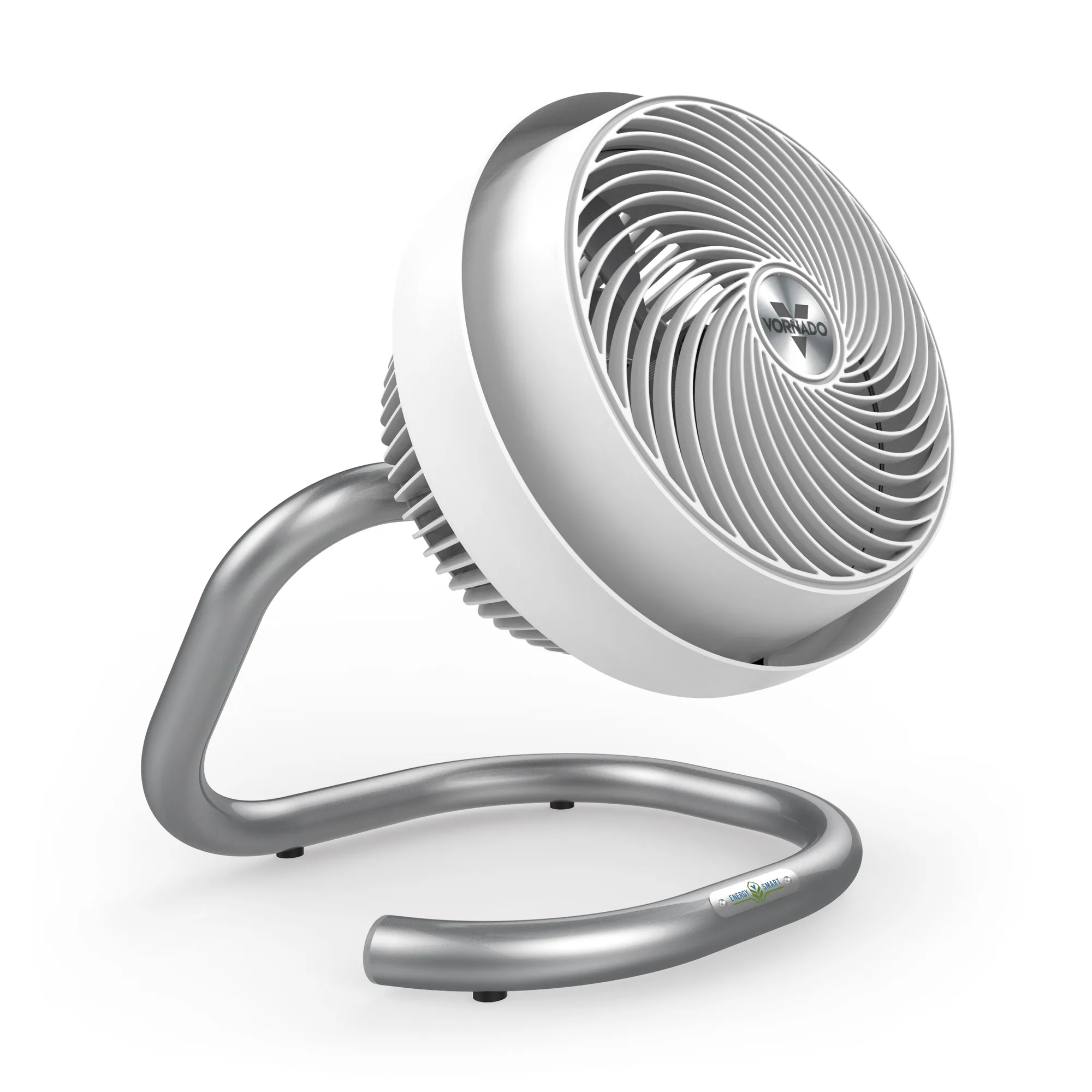
- 723DC Energy Smart Large Air Circulator: Combining classic style with more‑powerful airflow (up to 100′), the brushless DC motor uses up to 80% less energy, bringing modern efficiency to the home. Shows how Vornado’s Energy Smart technology reduces power consumption while delivering strong, whole‑room circulation.
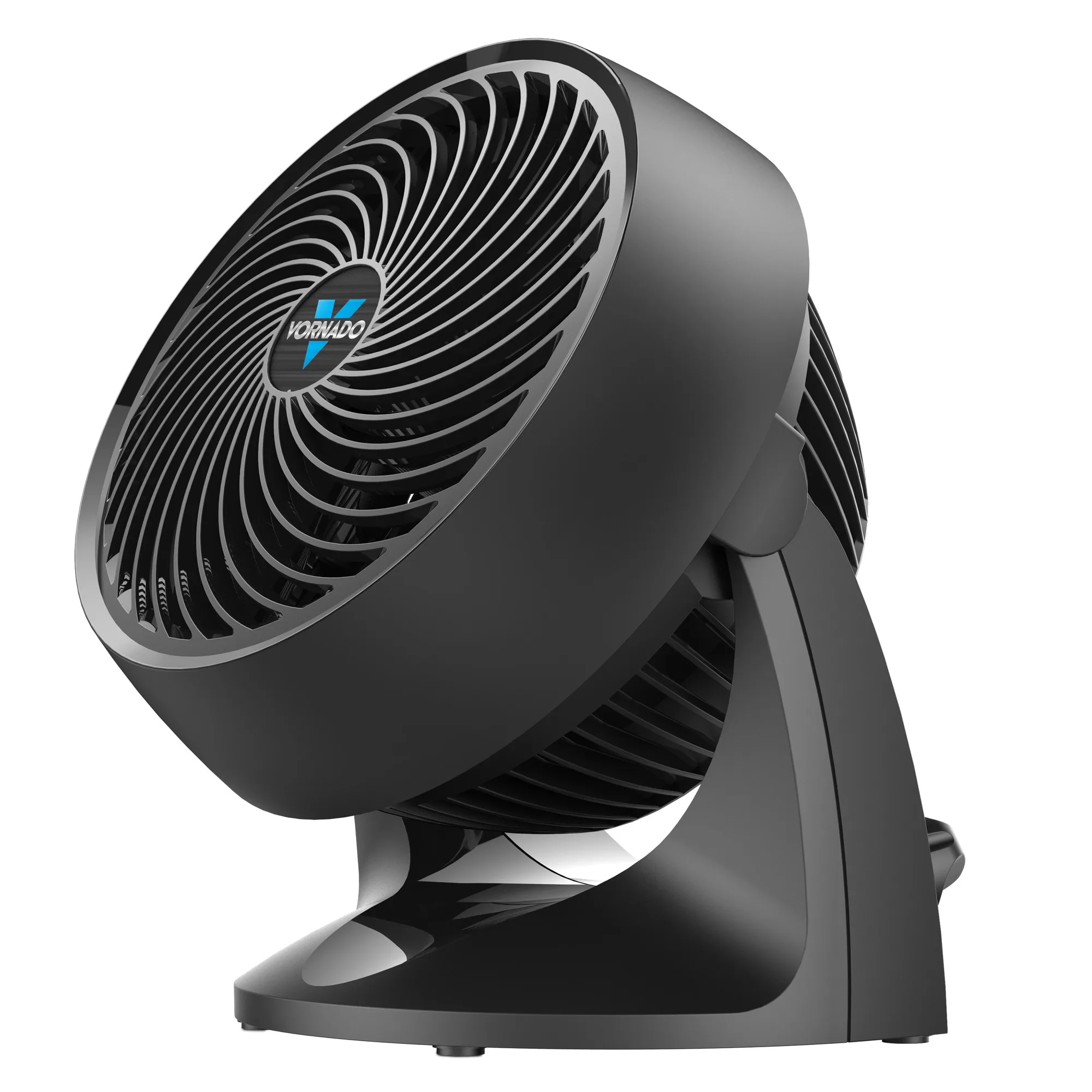
- Vornado 533 Small Air Circulator: Uses signature energy efficient Vortex Action to move air up to 70 feet, providing whole‑room circulation despite its compact size. Demonstrates that Vortex Action works in both large and small units, reinforcing the effectiveness of the same principle used in the Smart Purifier series.
Which System Fits Your Needs?
Best For
- Homeowners who want low‑maintenance, filter‑free air cleaning and lower energy bills
- Rooms where quiet, whole‑room circulation is more important than certified particle capture
Not Ideal For
- Environments requiring certified 99.97% particle removal (e.g., medical or lab spaces)
- Users who need a portable unit with ultra‑high filtration for severe allergy or asthma sufferers
Both Vornado’s Smart Air Purifier series and traditional HEPA units have distinct advantages. Your choice should balance the need for certified filtration against the desire for low maintenance, energy savings, and quiet operation.