Losing your keys is one of the most frustrating moments of any day. You pat your pockets, retrace your steps, and waste precious minutes hunting for a small metal object that seems to have vanished. Bluetooth trackers have become the go-to solution for this modern annoyance, with Apple’s AirTag leading the market. But there’s a strong contender that’s built specifically for everyday carry enthusiasts: the SmartCard series from KeySmart. In this SmartCard vs AirTag comparison, we’ll break down design, battery life, tracking range, and integration with Apple Find My to help you decide which key tracker is best for your keys.
Whether you’re a minimalist who carries only a few items or a tech lover who wants maximum functionality, choosing the right tracker matters. AirTag is a sleek disc that relies on Apple’s vast network, but SmartCard offers a slimmer form factor that fits inside a wallet or attaches seamlessly to a key organizer. We’ll explore the differences in real-world use, cost, and compatibility so you can make an informed choice for your EDC setup.
Design and Form Factor: Slim vs Circular
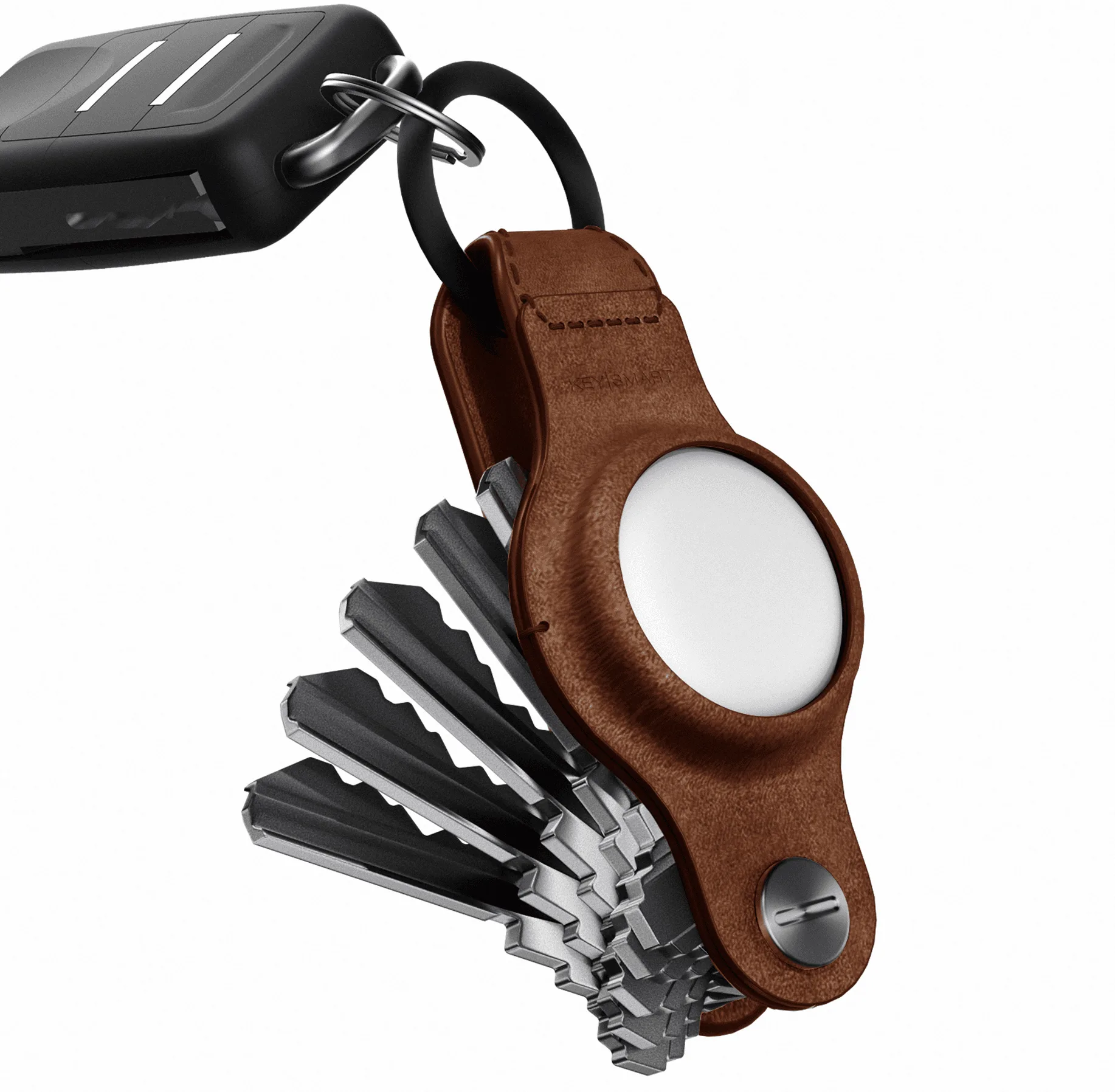
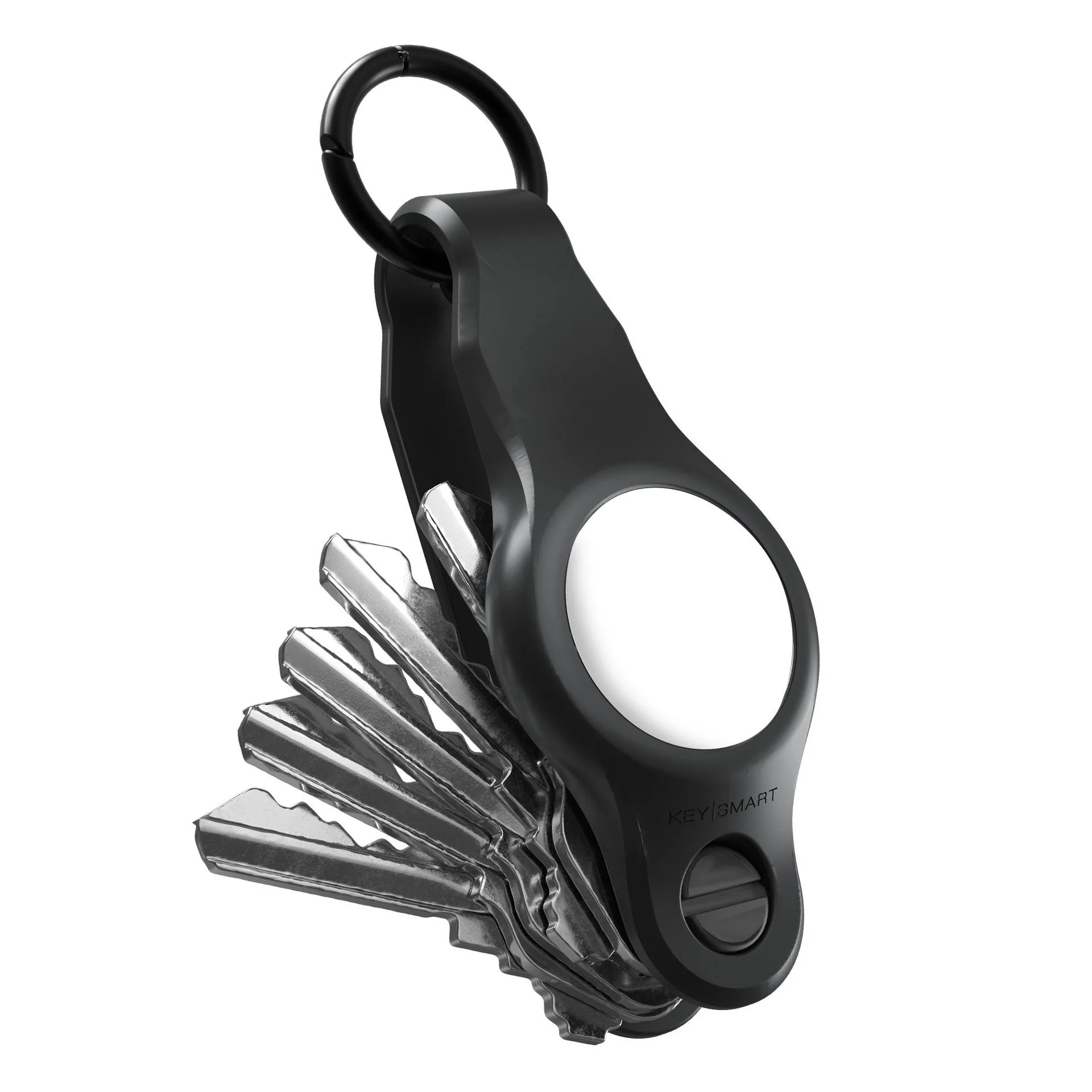
The most immediate difference between SmartCard and AirTag is shape and thickness. Apple’s AirTag is a round, coin-sized device about 8 mm thick. It works well on a keyring but can feel bulky when placed in a wallet or pocket. The SmartCard, by contrast, is credit-card-sized and just 2.5 mm thick, making it ideal for slipping into a slim wallet or attaching to a key organizer without adding noticeable bulk. If you carry a KeySmart Loop White or a similar compact key holder, the SmartCard integrates more naturally than a bulky AirTag.
For those who prefer to keep their tracker with their keys, both devices can be attached via a keyring. However, the SmartCard’s rectangular shape and built-in slot allow it to slide into a dedicated pocket in many wallets, while the AirTag often requires a separate holder. The SmartCard Pro and SmartCard Ghost both offer wireless charging, eliminating the need to replace coin batteries—a convenience that AirTag lacks. If you value a sleek, low-profile design that disappears into your carry, SmartCard has a clear edge.
- SmartCard is 2.5 mm thick vs AirTag’s 8 mm – fits easily in wallets and key organizers.
- SmartCard supports wireless charging; AirTag uses a replaceable CR2032 battery.
- SmartCard’s card shape works with many EDC wallets and key holders without extra accessories.
Battery Life and Charging: Convenience Matters
Battery life is a critical factor in any Bluetooth tracker comparison. Apple’s AirTag runs on a standard CR2032 coin cell battery that lasts about one year. When it dies, you pop it out and replace it—simple enough, but you need to keep spare batteries on hand. The SmartCard series takes a different approach: both the SmartCard Pro and SmartCard Ghost are rechargeable via Qi wireless charging. A full charge lasts up to 12 months, and when it’s low, you just place it on a wireless pad for a couple of hours.
This rechargeable design means you never have to buy or store coin batteries, which is more eco-friendly and convenient for daily use. If you already use a wireless charger for your phone, charging your key tracker becomes effortless. For travelers or minimalists who hate carrying extra accessories, the SmartCard’s wireless charging is a standout feature. AirTag’s replaceable battery is fine, but it’s not as seamless as the SmartCard’s rechargeable solution.
- SmartCard: rechargeable via Qi wireless charging, lasts up to 12 months per charge.
- AirTag: replaceable CR2032 battery, lasts about 1 year.
- SmartCard eliminates the need for spare batteries and is more environmentally friendly.
Tracking Technology and Range: Apple Find My vs Find Hub
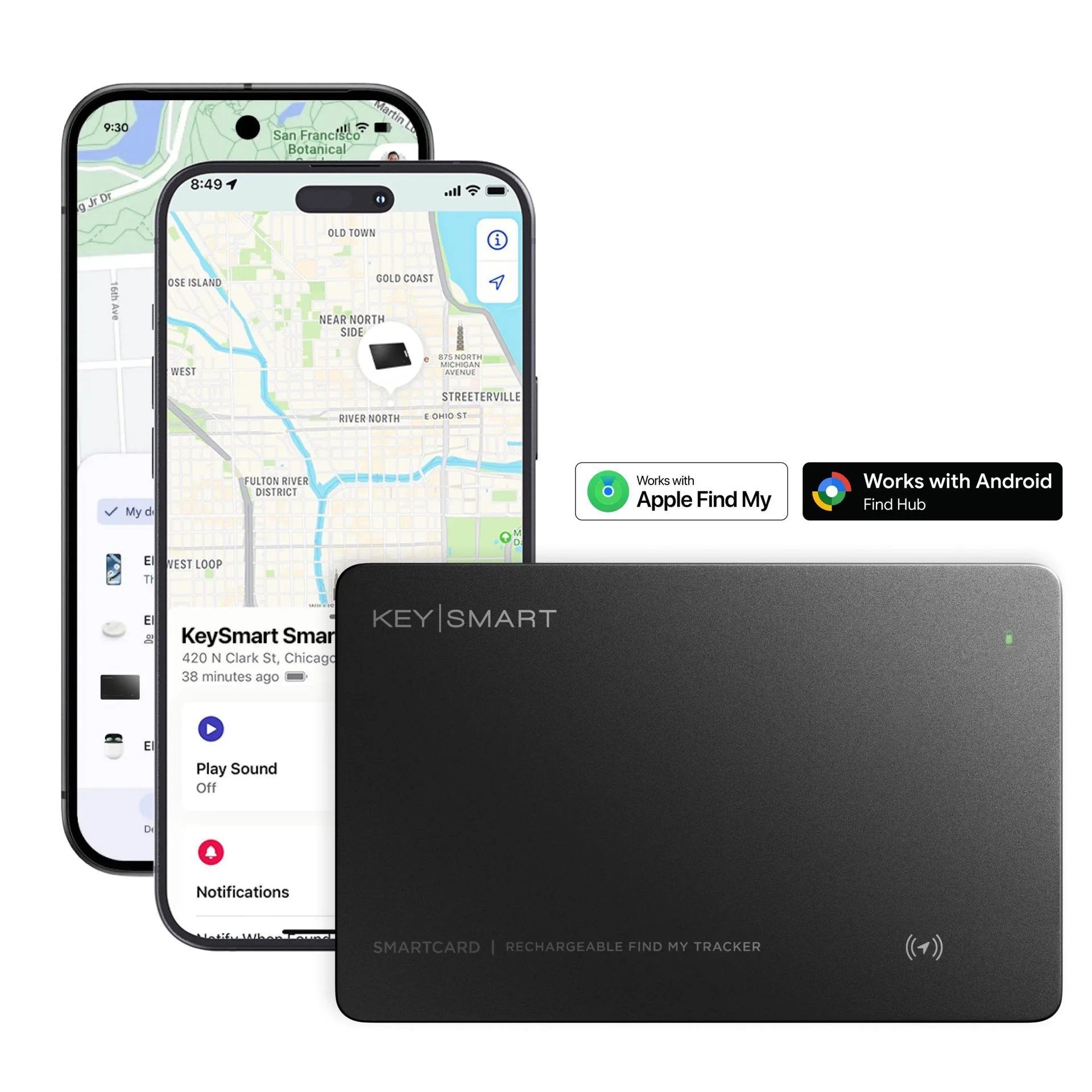
Both trackers use Bluetooth Low Energy (BLE) for proximity tracking, but they differ in network integration. AirTag relies exclusively on Apple’s Find My network, which leverages hundreds of millions of Apple devices worldwide to help locate lost items. SmartCard offers dual compatibility: the SmartCard Ghost works with both Apple Find My and Android Find Hub, making it a versatile choice for households with mixed devices. The SmartCard Pro is also compatible with both networks, ensuring you can track your keys regardless of your phone’s OS.
Range is similar for both—around 100-150 feet in open air—but the real power comes from crowd-sourced location. AirTag’s network is larger due to Apple’s ecosystem, but SmartCard’s integration with Find Hub gives Android users a comparable experience. If you’re an Apple-only user, AirTag’s network is slightly more robust. But if you or your family use Android phones, SmartCard is the clear winner. Both devices also support sound alerts and precision finding (with U1 chip on newer iPhones for AirTag, and similar on SmartCard models).
- SmartCard works with Apple Find My AND Android Find Hub; AirTag is Apple-only.
- Both have ~100-150 ft Bluetooth range; crowd-sourced tracking extends range infinitely.
- Precision finding available on both with compatible devices.
Price and Value: Which Key Tracker Gives You More?
Price is a major consideration when choosing a key tracker. Apple AirTag costs around $29 for a single unit, while a four-pack is about $99. SmartCard Pro and SmartCard Ghost are priced competitively, usually between $25 and $35, but they offer added value with wireless charging and dual-network compatibility. When you factor in the cost of replacing coin batteries over a few years, the SmartCard’s rechargeable design can save you money in the long run.
Additionally, SmartCard’s slim profile means you don’t need to buy extra accessories to carry it in a wallet or key organizer. AirTag often requires a separate keyring holder or adhesive case, adding $10-15 to the total cost. For EDC enthusiasts who already own a KeySmart Loop White or a key organizer, the SmartCard integrates without extra hardware. Overall, SmartCard delivers better value for those who want a feature-rich, low-maintenance tracker that fits seamlessly into their daily carry.
- AirTag: ~$29 each; SmartCard: ~$25-35 with wireless charging included.
- SmartCard saves money on batteries and accessory holders over time.
- SmartCard offers dual-network tracking at a comparable price to AirTag.
Which Tracker Should You Choose for Your Keys?
The decision between SmartCard and AirTag ultimately depends on your ecosystem and lifestyle. If you’re deeply embedded in Apple’s ecosystem and want the largest crowd-sourced network, AirTag is a reliable choice. However, if you use Android devices, prefer a slimmer form factor, or want the convenience of wireless charging, SmartCard is the better option. For EDC enthusiasts who carry a compact key organizer, the SmartCard’s card shape and compatibility with KeySmart products make it a natural fit.
Consider also how you plan to carry the tracker. If it will live on a keyring, both work, but the SmartCard’s low profile is less obtrusive. If you want to keep it in a wallet, SmartCard is the only practical choice. And if you value not having to buy batteries, SmartCard wins hands down. In the SmartCard vs AirTag debate, there is no one-size-fits-all answer, but for most everyday carry users, the SmartCard offers a more modern, versatile, and convenient solution.
- Choose AirTag if you’re all-in on Apple and want the largest network.
- Choose SmartCard if you use Android, want wireless charging, or prefer a slim design.
- SmartCard integrates seamlessly with KeySmart key organizers and wallets.
Whether you’re upgrading your key tracker or building a new EDC kit, the SmartCard series delivers a compelling blend of slim design, wireless charging, and universal compatibility. If you’re ready to streamline your carry and never lose your keys again, explore the SmartCard Ghost Gen 3 or SmartCard Pro today and experience the future of key tracking.