Why the Smoky Lite Litz Rewards Careful Handling
The Smoky Lite Litz Cable is designed to be compact and easy to wear while you're out and about. Its lightweight build and flexible smoky gray jacket make it a natural companion for portable listening, but those same qualities mean it benefits from a deliberate coiling and storage routine. A little attention when you pack up can help prevent tangling and reduce strain on the parts that are hardest to repair: the custom-matrix MMCX connectors and the 3.5mm right-angle termination.
This guide walks through a simple process for coiling and storing the cable. It focuses on habits that protect the cable's flexibility and connectors without adding unnecessary steps to your day.
Cable Features That Shape Your Storage Approach
-
Smoky Lite Litz Cable: Silver-plated copper conductors with a flexible, smoky gray jacket. The jacket's flexibility allows gentle coiling, but it still deserves relaxed loops rather than sharp folds.
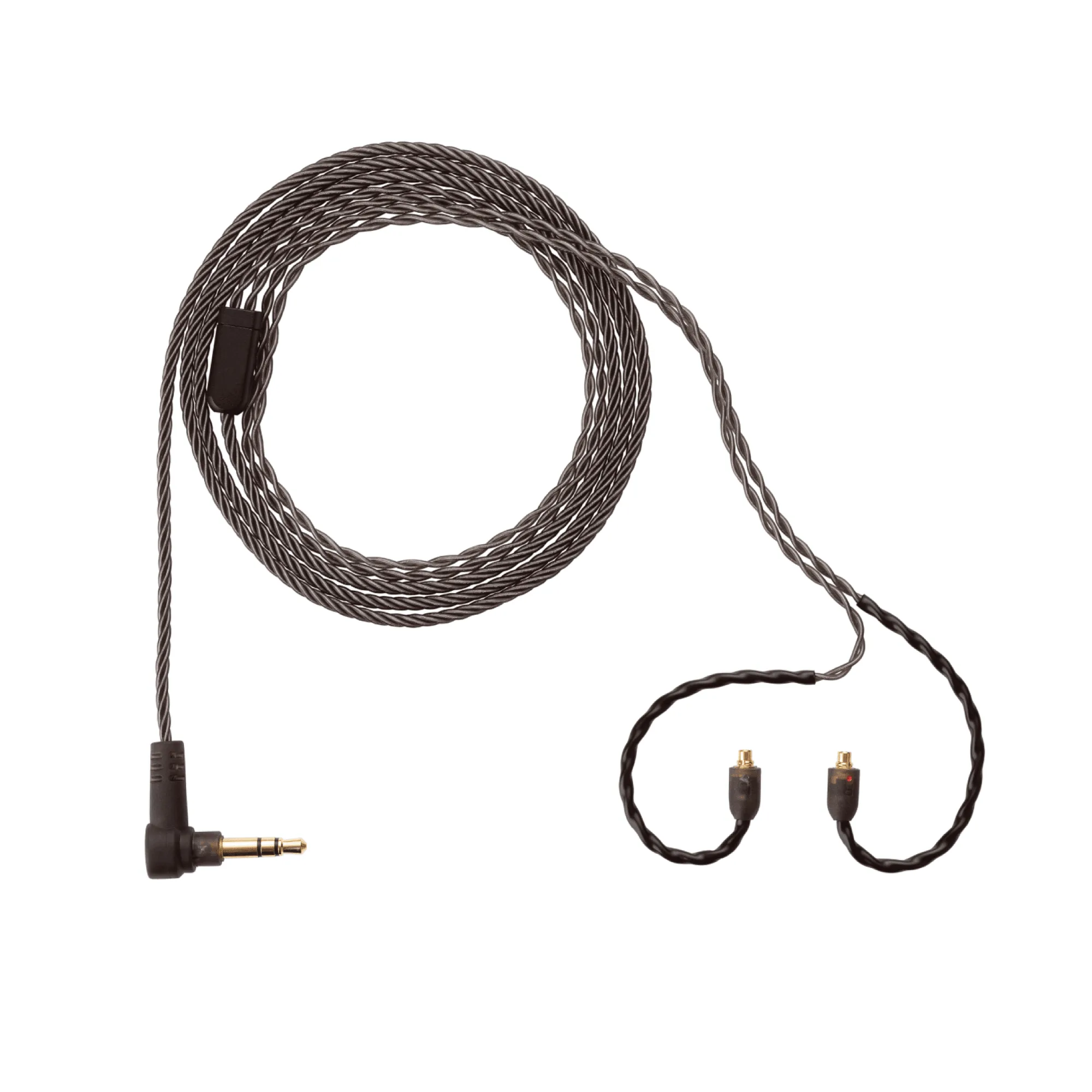
Smoky Lite Litz Cable
-
Smoky Lite Litz Cable: Molded, lightweight earhooks. Earhooks hold a set shape; coiling around them can create pressure points, so keep loops loose near the hooks.
-
Smoky Lite Litz Cable: Custom-matrix MMCX connectors. These connectors are the most delicate junction on the cable; avoid bending or pulling the cable right at the plug.
-
Smoky Lite Litz Cable: 3.5mm right-angle termination. The right-angle plug protrudes less, but the cable exit point still needs strain relief when stored.
A Simple Coiling Routine for the Smoky Lite Litz
Follow these steps each time you pack the cable away. The goal is to keep the cable relaxed and the connectors protected.
- Disconnect from your earphones and source: Unplug the MMCX connectors from your IEMs and the 3.5mm plug from your player. This prevents stress on the connectors while coiling.
- Wipe away moisture and debris: A quick wipe with a dry, soft cloth removes sweat and dust before storage. Pay attention to the area around the earhooks and connectors.
- Form loose, even loops: Starting from the 3.5mm plug end, coil the cable into loops about the width of your hand. Keep the loops relaxed; tight coils can kink the jacket.
- Keep the earhooks uncompressed: Let the molded earhooks sit naturally within the coil rather than folding them back on themselves.
- Secure with a soft tie: Use a hook-and-loop strap or a soft tie to hold the coil. Avoid sharp-edged clips or tight rubber bands that can pinch the jacket.
- Store in a dedicated pouch or case: Place the coiled cable in a cable bag or a small pouch. If you use an IEM case, keep the cable separate from hard items to avoid abrasion.
Habits That Help Prevent Tangling and Strain
Small adjustments to how you handle the cable day to day can make coiling and storage easier.
- Coil over-under: Alternate the direction of each loop to reduce twisting. This simple technique helps the cable lie flat and resist tangling.
- Avoid wrapping around your device: Wrapping the cable around a phone or player creates tight bends at the plug and can strain the right-angle termination.
- Give the connectors breathing room: When plugging or unplugging, grip the connector body rather than pulling on the cable. This reduces stress on the MMCX joints.
- Keep the cable away from heat and sunlight: Prolonged exposure to heat or direct sun can degrade the jacket over time. Store the cable in a cool, dry place.
What to Check Before and After Storage
A quick inspection each time you coil the cable can catch small issues before they become bigger ones. Look along the length of the jacket for any signs of abrasion, stiffness, or kinks. Pay particular attention to the areas near the MMCX connectors and the 3.5mm plug, where flexing is most concentrated. If you notice the jacket becoming stiff or showing visible wear, consider replacing the cable to avoid intermittent connections.
The Smoky Lite Litz is an entry-level cable, and with consistent care it can remain a reliable part of your portable setup. The supplied information does not include specific durability ratings or cleaning instructions beyond what is described here, so treat these steps as general best practices rather than manufacturer requirements.