Quick answer
For most people who want to reduce frizz without flat iron damage, the Tangle Teezer Smoothing Tool is the better daily choice. It takes hair from wet to dry with gentle tension and no pulling, so you get smooth results without heat. A straightener still wins for sharp, pin-straight styles or stubborn cowlicks, but it comes with heat damage and a longer routine.
How the Smoothing Tool works without heat
The Smoothing Tool is a blow-drying hairbrush, not a heated styler. Its overlapping fixed base teeth create built-in tension and flexibility at the tips, so you can pull a section taut while airflow from your dryer does the smoothing. Because the teeth flex, you can work close to the scalp without scratching or yanking. This makes it a practical answer to how to smooth frizzy hair without heat: you still use a dryer, but you are not pressing a 200°C plate against every strand.
The trade-off is that you need a blow-dryer and a few minutes of technique. If you air-dry only, the Smoothing Tool will detangle and align hair, but it will not create the same sleek finish as a hot tool. For many straight and wavy textures, that is a fair exchange for avoiding heat damage.
What a straightener does that the Smoothing Tool cannot
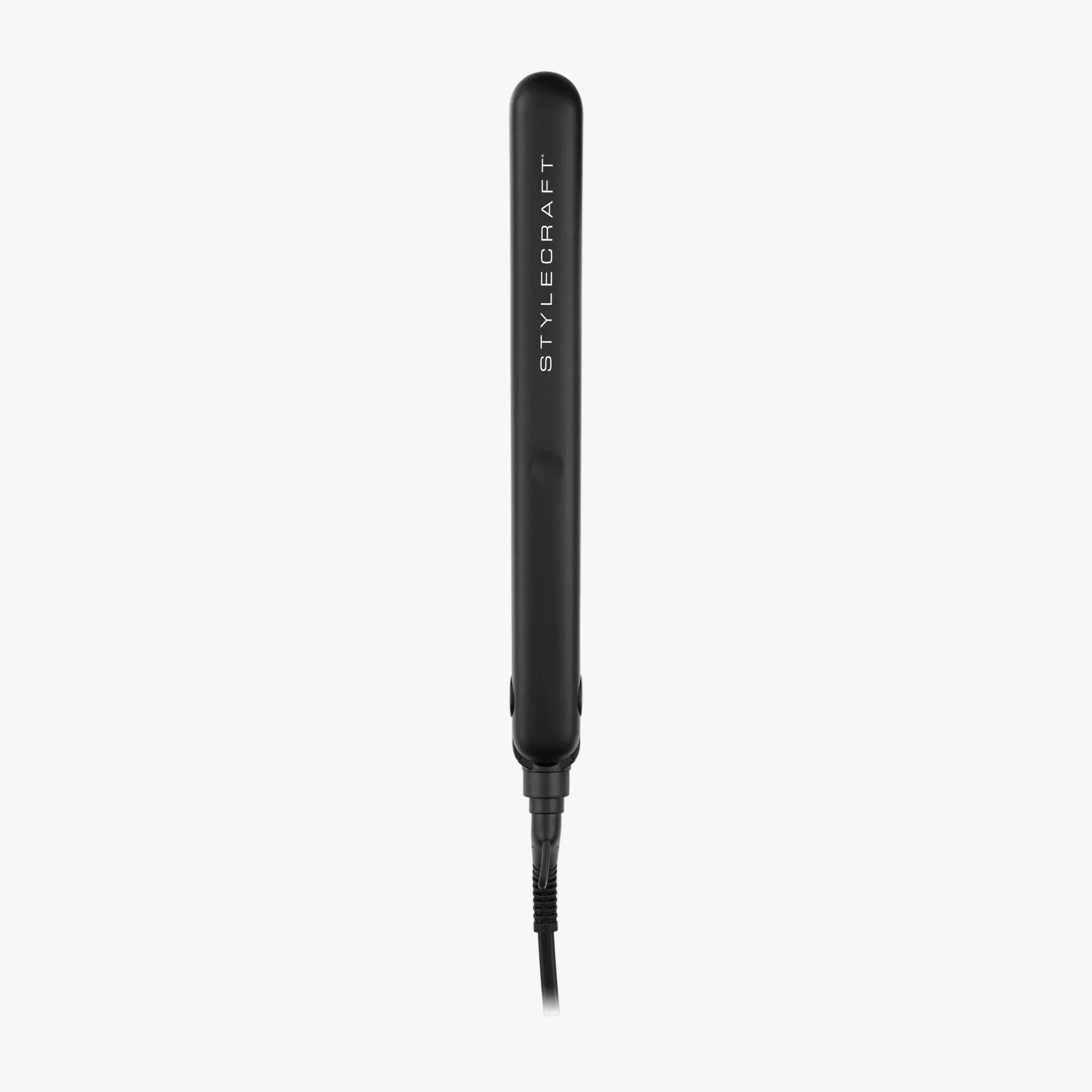
A flat iron can seal the cuticle with direct heat, producing a glass-like, pin-straight finish that lasts until the next wash. It can also flatten a stubborn cowlick or a bend in the hair that a brush and dryer will not fully remove. If your goal is a sharp, editorial look or you are working on very coarse, resistant hair, a straightener is still the more powerful tool.
That power comes with a cost: repeated high heat can leave hair brittle, and the results are only as good as your heat protectant and sectioning. The Smoothing Tool does not reach those temperatures, so it cannot match that level of flattening. It is a gentler smoothing option, not a replacement for a flat iron when you need maximum hold.
Daily routine: which method fits your morning
If you wash in the morning and want to leave the house in ten minutes, the Smoothing Tool fits a wet-to-dry routine: rough-dry to 80%, then brush section by section with the dryer following the brush. You get smooth, frizz-reduced hair without waiting for a flat iron to heat up or cooling each section.
A straightener suits a different rhythm: wash at night, air-dry, then flat-iron in the morning for a polished finish that holds. That is more total time and more heat exposure, but it gives you a sleeker result on demand. Choose based on how much time you have and how much heat your hair can take.
Frizz control on wet vs dry hair
Frizz often starts when wet hair is manipulated roughly or dried without direction. The Smoothing Tool is designed to be used on wet hair as you dry, which means you can smooth the cuticle in the direction it grows instead of fighting frizz after it sets. If you prefer to detangle first, a wet-to-dry detangler like The Ultimate Detangler Chrome can prep the hair before you pick up the Smoothing Tool.
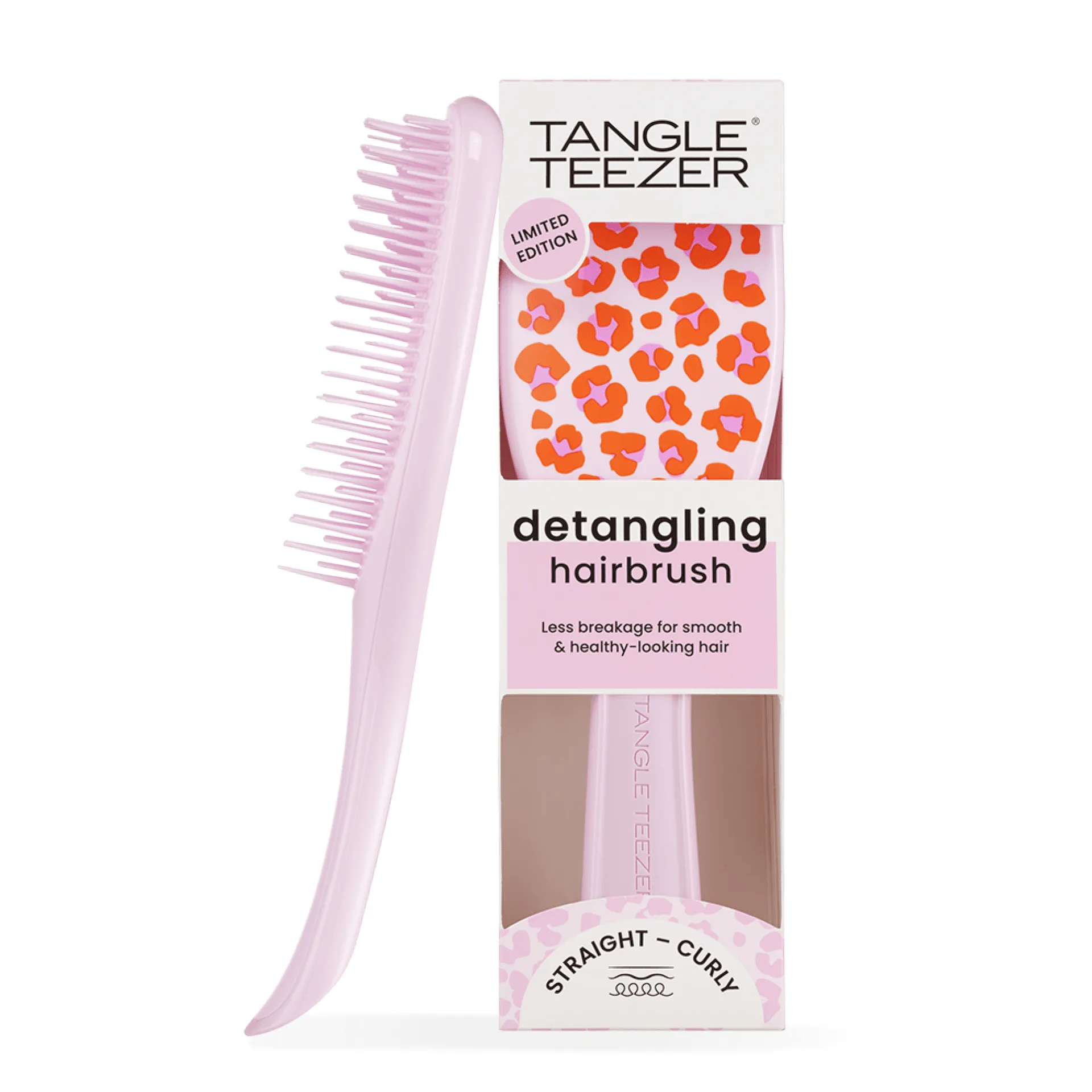
The Ultimate Detangler
A straightener works on completely dry hair. If you flat-iron damp hair, you risk steam damage and uneven results. So the two tools live at different stages: the Smoothing Tool is part of your wash-and-dry routine, while the straightener is a dry-hair finisher. Knowing that split helps you avoid using either one at the wrong moment.
Trade-offs: Smoothing Tool vs straightener
- Heat exposure: The Smoothing Tool uses airflow and tension, not a hot plate. A straightener applies direct high heat to each section. Choose the Smoothing Tool if you want to reduce frizz without flat iron damage; choose the straightener only when you need maximum flattening.
- Finish and hold: The Smoothing Tool gives a smooth, natural blow-dry finish. A straightener gives a sharper, pin-straight result that can last until the next wash. If your style depends on a glass-like finish, the straightener is still the stronger tool.
- Time and technique: The Smoothing Tool works on wet hair as you dry, so it fits a single wash-and-go session. A straightener requires dry hair and section-by-section passes. For busy mornings, the Smoothing Tool is faster; for special occasions, the straightener earns its extra minutes.
Product facts
- Smoothing Tool: The Smoothing Tool is a blow-drying hairbrush with overlapping fixed base teeth that provide built-in tension and flexibility at the tips, taking hair from wet to dry for a quick and gentle blow-dry with no pulling. This is the core heatless option: it smooths while you dry, so you can reduce frizz without a flat iron and without the scalp discomfort of stiff bristles.
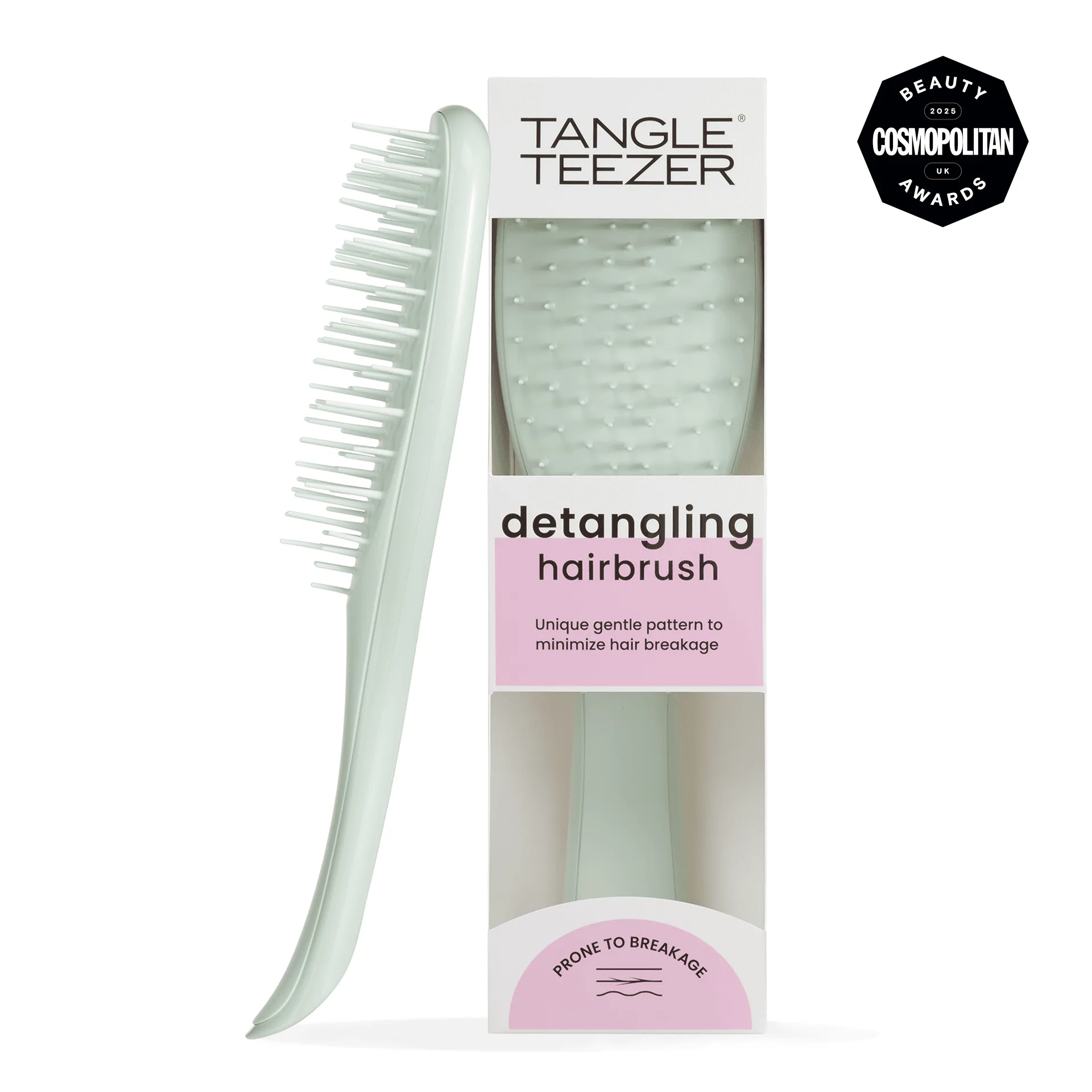
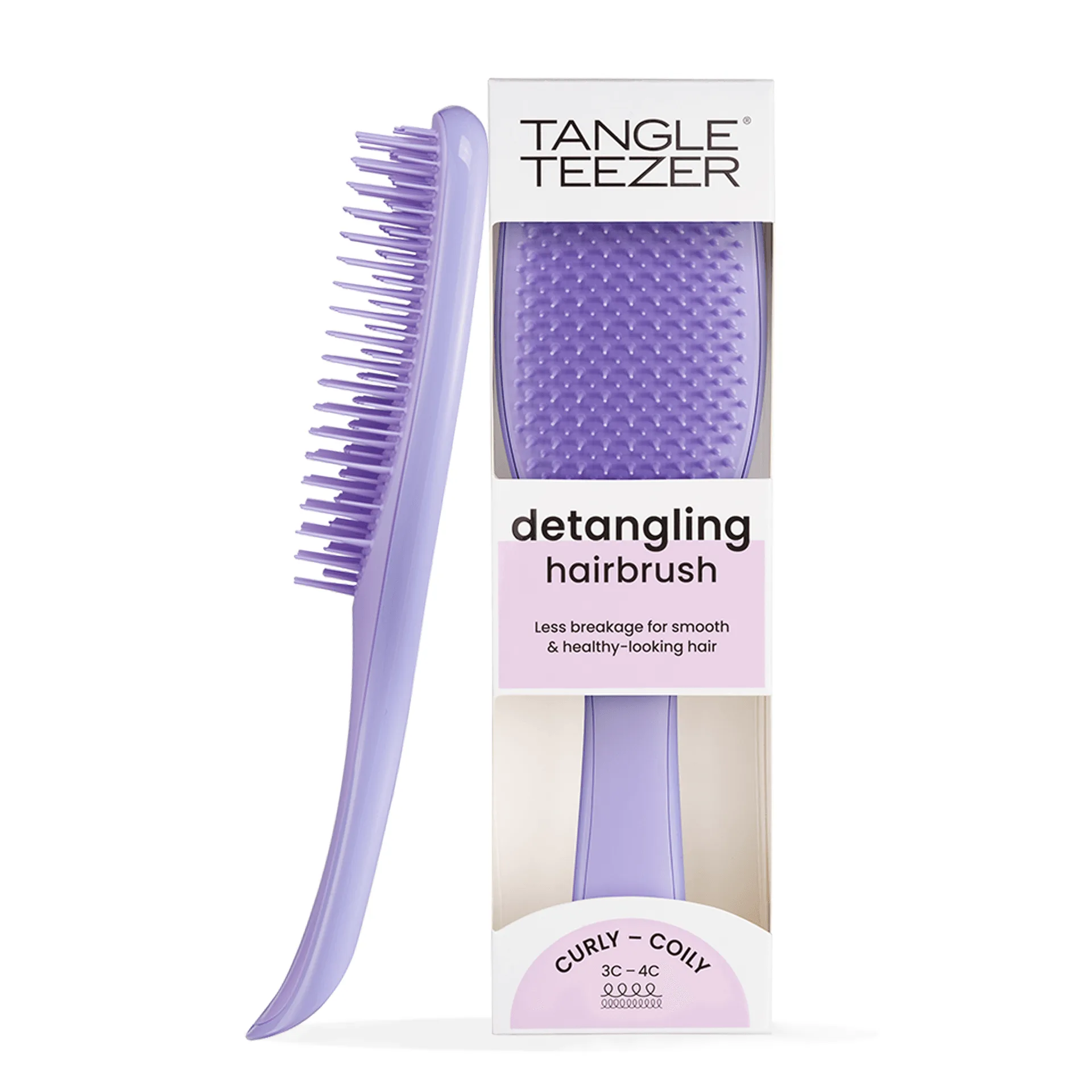
- The Ultimate Detangler Chrome: The Ultimate Detangler Chrome is designed for use on wet or dry strands and comes in three metallic finishes: Champagne Gold, Chocolate Bronze, and Mauve Copper. Use it to detangle before smoothing. Working on knot-free hair means the Smoothing Tool can glide through sections without snagging, which keeps frizz down.
- The Ultimate Detangler Plant Brush™: The Ultimate Detangler Plant Brush is made from 85% sustainably sourced castor beans and is available by hair type and colour. If you want a lower-impact detangling step before heatless smoothing, this plant-based option delivers the same detangling job with a different material story.
Which should you choose?
Best for
- Anyone who wants heatless frizz control as part of a daily wash-and-dry routine
- Straight and wavy hair that frizzes easily when air-dried
- People who want to smooth hair without the damage of repeated flat-iron use
Not for
- Anyone who needs a pin-straight, glass-like finish that only a flat iron can deliver
- Very coarse or resistant hair that resists blow-dry smoothing
- People who air-dry only and never use a blow-dryer