Quick answer
Choose a Snuggler when your child needs a flatter, huggable comfort object for sleep and carrying, especially from baby through early toddler years. Choose a Kin when your child is around preschool age and wants a standing, play-ready friend tied to a specific emotional lesson. If you want a lower-cost way to test attachment or start a collection, a Mini like Owl is the practical first step.
What actually separates a Snuggler from a Kin
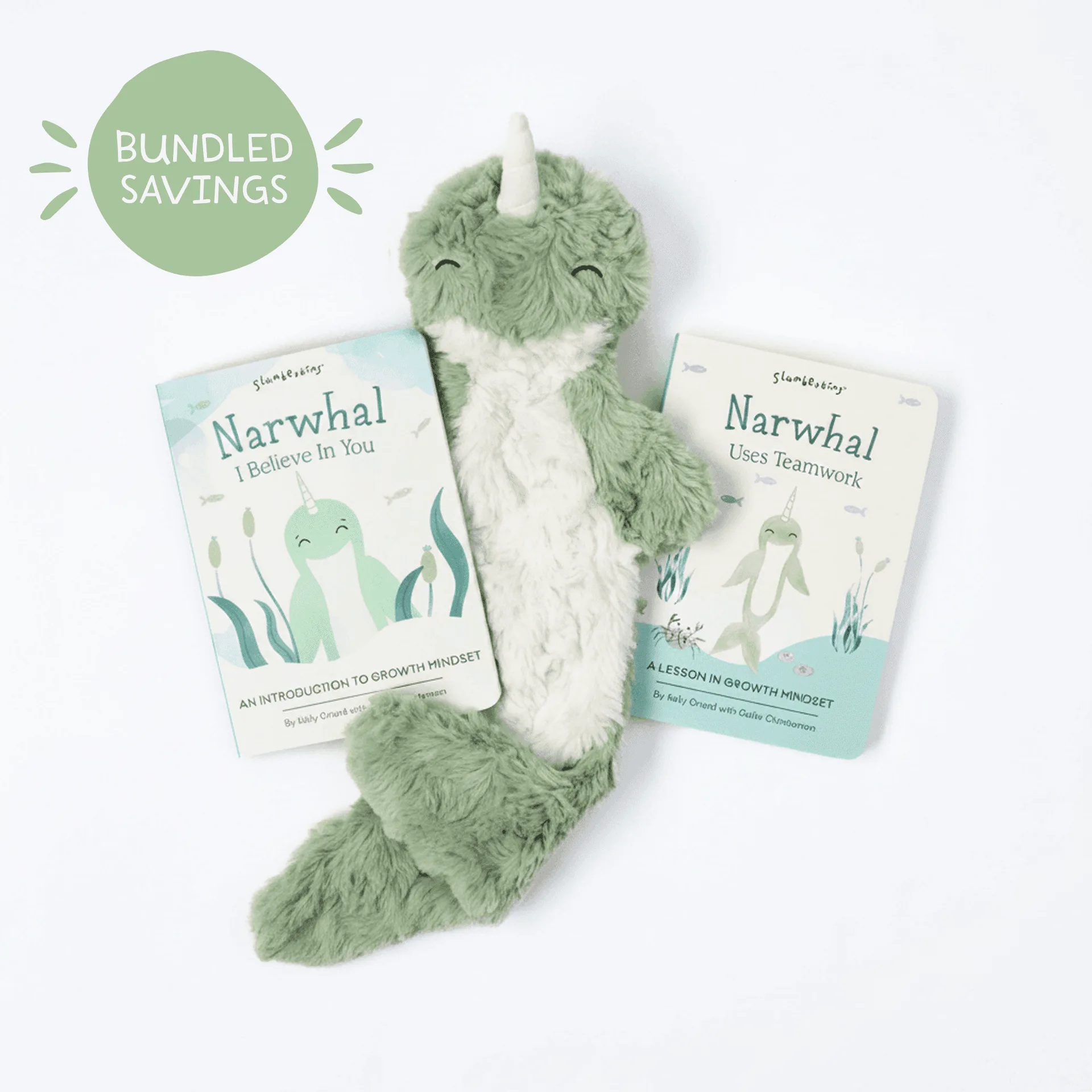
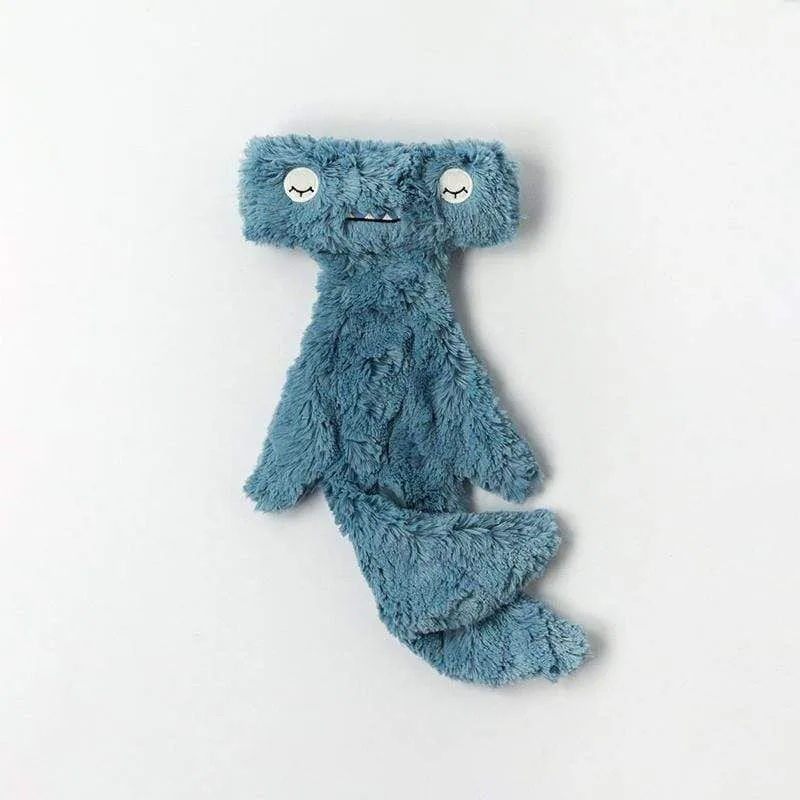
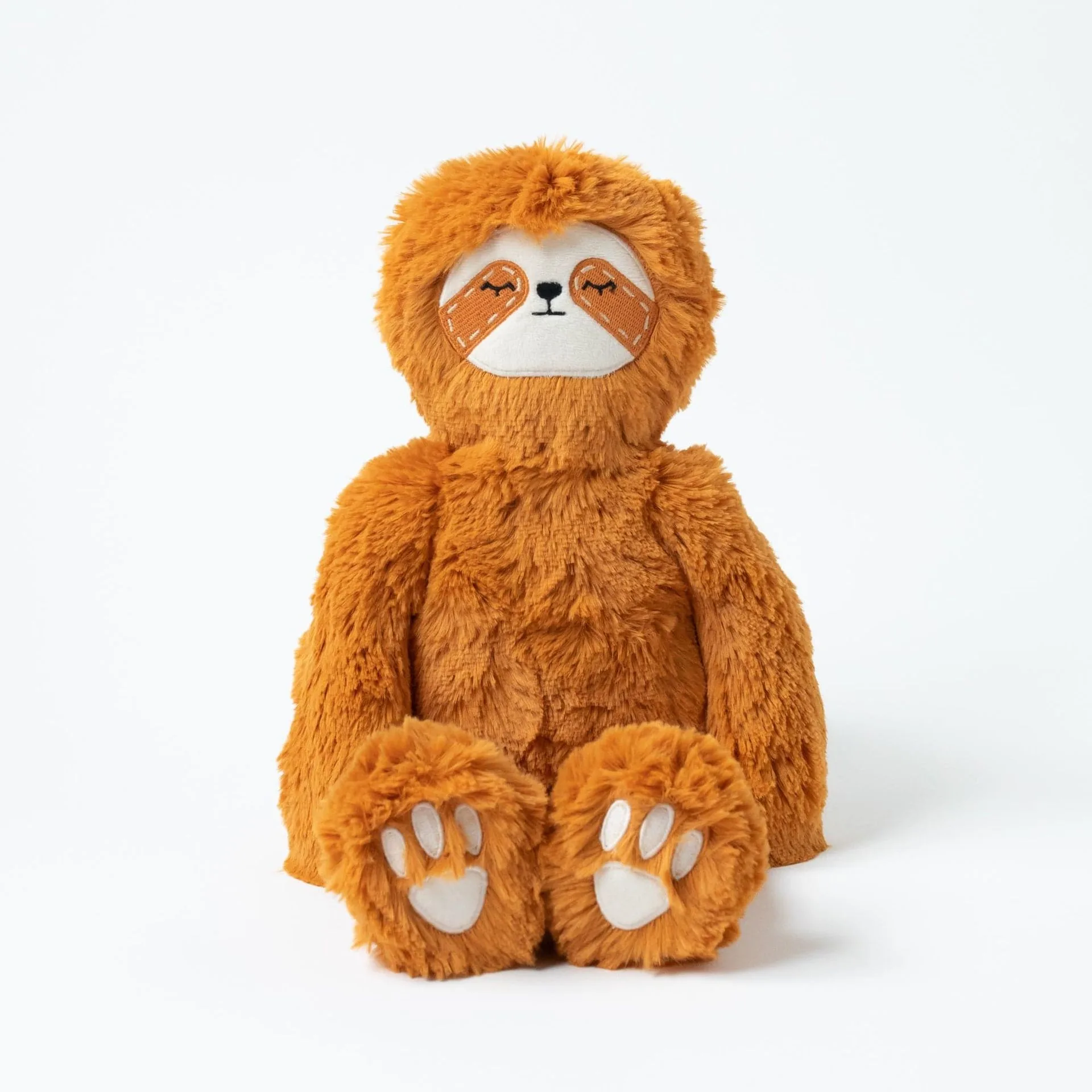
The real difference is body shape and purpose. A Snuggler is built to be held flat against the body, which makes it easier for a baby or toddler to grip, tuck under an arm, or lay across a chest at nap time. A Kin keeps a more upright, character-like shape, so it stands and sits on a shelf or bed and works as a play partner during daytime routines. That shape difference, not just the name, is what should drive your choice.
Slumberkins pairs each character with a specific emotional lesson, so the character matters as much as the format. A Kin for a preschooler can act as a reminder during a real moment, such as repairing after a conflict or noticing something to be grateful for. A Snuggler does the same lesson work but in a form that is easier to hold during rest. Neither format is inherently better; they solve different problems.
Match the format to your child's age and routine
For babies and young toddlers, the priority is comfort and portability, so a Snuggler is usually the better fit. It is easier to wash, easier to pack in a diaper bag, and less likely to be knocked over during a stroller ride. If your child is still putting everything in their mouth or dragging a toy across the floor, the flatter shape also creates fewer snag points.
For preschoolers, the priority shifts toward imaginative play and emotional coaching. A Kin that stands up can join pretend play, sit at the table during a hard conversation, or wait on the bed as a visual cue for a routine. If your child is already attached to a particular character, matching the format to that character keeps the lesson consistent. If you are still deciding on a first character, start with the feeling your child is working on rather than the animal.
Where Minis fit into the decision
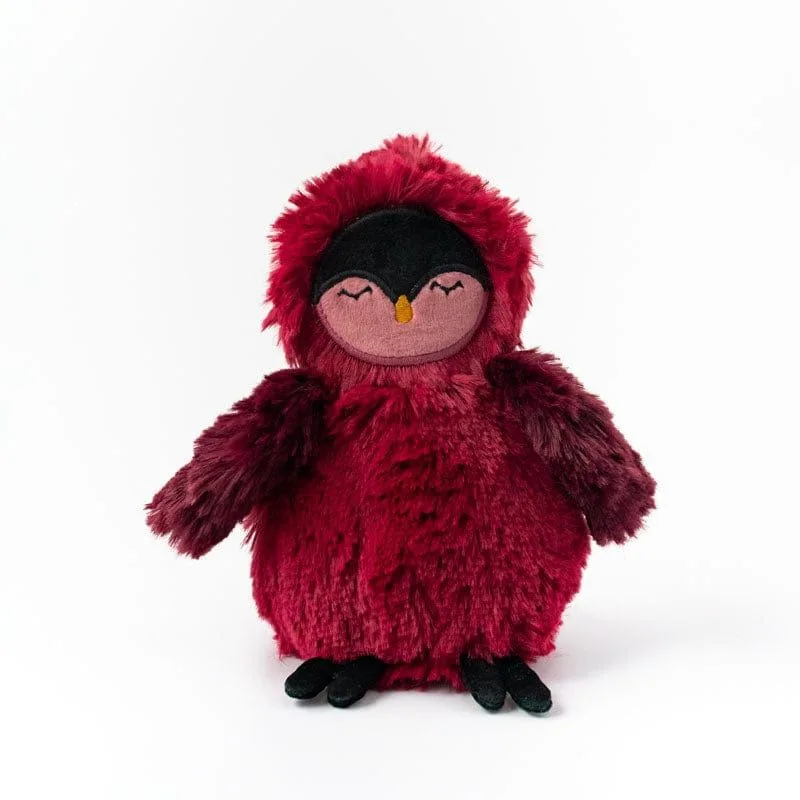
Minis are not a smaller version of the same decision; they are a different purchase. They cost less, take up less space, and work well as a first introduction, a travel companion, or a gift for a child who is not ready for a full-size plush. Owl, for example, is tied to a story about going to parents, teachers, and friends when facing challenges, which makes it a natural small gift at the start of a school year.
The trade-off is that a Mini offers less surface area for hugging and less presence in a bed or play corner. If your child already reaches for a full-size plush at night, a Mini will likely become a secondary toy rather than the main comfort object. Use a Mini to test interest, not to replace a Snuggler or Kin your child already relies on.
How to decide in one store visit
Pick the format first, then the character. If your child is under three or needs a sleep and travel companion, look at Snugglers. If your child is three or older and would use a standing friend during play and conversations, look at Kins. If you are buying a gift and do not know the child's attachment style, a Mini is the safer, lower-commitment choice.
Then check the lesson. A repair-focused character suits a child who is learning to reconnect after big feelings. A gratitude-focused character suits a child who is ready to practice noticing good moments. The format determines how the plush gets used; the character determines what it helps your child practice.
Trade-offs to weigh before you buy
- Snuggler: comfort versus presence: A Snuggler is easier for babies and toddlers to hold, carry, and sleep with, but its flatter shape makes it less useful for standing pretend play. Choose it if sleep, travel, and cuddling are the main jobs.
- Kin: play value versus age fit: A Kin stands, sits, and joins daytime routines, and it pairs with a specific lesson such as repair or gratitude, but it is age-graded for 3+ and less portable for a baby. Choose it if your child is preschool age and will use it during play and conversations.
- Mini: low cost versus limited comfort: A Mini costs less and works as a first gift or travel toy, but it offers less surface area for hugging and is unlikely to become the main bedtime comfort object. Choose it to test interest or mark a milestone, not to replace a full-size plush.
Product facts that affect the choice
- Sage Repair Bear Single: Sage Repair Bear Single is a Kin in the Kins (Singles) category, built around repairing after a parent loses their temper and breaking the habit of sweeping conflict under the rug. This is a Kin for families who want a concrete tool for reconnecting after a hard moment, not just a comfort object.
- Honey Lion Kin Single: Honey Lion Kin Single is a Kin with a wild mane and fluffy tail that teaches children that expressing gratitude can help spread joy and connection. It is age-graded for 3+. The 3+ age grade confirms that Kins are aimed at preschoolers and older children, which matches the standing, play-ready format.
- Owl Mini: Owl Mini is one of Bigfoot's friends in the story "Bigfoot Copes with Hurt Feelings," a lesson about going to parents, teachers, and friends when facing challenges. A Mini is a low-cost way to introduce a specific lesson or mark a school-year milestone when a full-size plush is more than you need.
Which one fits your child
Best for
- Babies and young toddlers who need a flat, portable comfort object for sleep and travel
- Preschoolers (3+) who want a standing friend for pretend play and emotional lessons
- Gift-givers who want a lower-cost first plush or a school-year milestone gift
Not for
- Families who need a standing play figure for a child under 3
- Children who already rely on a full-size plush and need a like-for-like replacement
- Buyers who want one plush to cover both sleep comfort and active pretend play