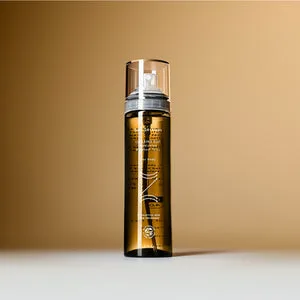
When it comes to hand washing, the choice between a classic bar soap and a pump bottle of liquid soap often sparks debate. Both get your hands clean, but they differ in ingredients, environmental impact, cost, and how they treat your skin. If you’re looking for a more sustainable, skin-friendly option, you may have come across https://novabeautyai.shop/products/soap-home-267825Soap Home, a concentrated bar soap designed to replace multiple liquid soap bottles. In this comparison, we’ll break down the key differences to help you decide which is better for your home.
We’ll evaluate factors like formulation, packaging waste, longevity, and overall value. By the end, you’ll know whether a bar soap like Soap Home deserves a spot next to your sink—or if traditional liquid soap still wins your vote.
Ingredients and Skin Benefits
Traditional liquid soaps are typically formulated with surfactants like sodium lauryl sulfate (SLS) that create a rich lather but can strip the skin of natural oils. Many also contain synthetic fragrances, preservatives, and moisturizers that may cause irritation for sensitive skin. While some premium liquid soaps include nourishing ingredients, the base is often water-heavy and diluted.
Soap Home, on the other hand, is a concentrated bar soap made with plant-based oils and minimal ingredients. It’s free from sulfates, parabens, and phthalates, making it a gentler choice for daily hand washing. The bar format means you get pure soap without excess water, so a little goes a long way. For those with dry or sensitive skin, the simpler formula can help maintain the skin’s natural barrier. If you prefer a moisturizing option, you might also consider Carea Cream after washing to replenish hydration.

Carea Cream
- Tip: For extra gentle cleansing, pair Soap Home with a moisturizer like Carea Cream to keep hands soft.
Environmental Impact and Packaging
One of the biggest arguments against liquid soap is its packaging. Most liquid soaps come in plastic bottles that are often not recycled or end up in landfills. Even refill pouches still generate waste. The manufacturing and transportation of liquid soap also have a higher carbon footprint due to the water content.
Soap Home eliminates plastic waste entirely. It comes in a paper wrapper that can be composted or recycled. Because it’s a solid concentrate, it’s lighter to ship, reducing emissions. By switching to a bar soap, you can significantly cut down on single-use plastic in your bathroom and kitchen. For a complete eco-friendly hand care routine, consider the Renewing Duo, which combines a gentle bar with a nourishing balm.
- Tip: Store Soap Home on a well-draining soap dish to extend its life and keep your sink clean.
Cost and Longevity
Liquid soap may seem inexpensive upfront, but because it’s mostly water, you go through bottles quickly. A typical 12 oz liquid soap lasts about two to three weeks with regular use by a family. Over a year, that adds up to many bottles and higher cumulative cost.
Soap Home is a concentrated bar that lasts much longer—often two to three months with daily use. One bar can replace several liquid soap bottles, making it more cost-effective in the long run. For an even more economical option, you can try the Theraplush Refill, which offers a similar concentrated format for hand care. The initial price of a bar may be higher, but the cost per wash is lower.
- Tip: To maximize longevity, keep Soap Home dry between uses and avoid leaving it in standing water.
Convenience and User Experience
Liquid soap wins on convenience for many people. It’s easy to dispense with one hand, and it doesn’t leave residue on the sink. Pump bottles are familiar and mess-free, especially in public or high-traffic areas.
Soap Home requires a bit more effort: you need to lather it in your hands or use a soap dish. However, many users find the ritual satisfying and appreciate the lack of plastic. The bar also doesn’t drip or clog pumps. For a modern twist, you can pair it with a Buffing Bar Starter Set to create a gentle exfoliating lather. Ultimately, the choice comes down to whether you prioritize convenience or sustainability.
- Tip: If you miss the foam, try using a soap saver pouch to create a rich lather with Soap Home.
Soap Home offers a compelling alternative to traditional liquid soap, especially if you care about reducing plastic waste, saving money over time, and using gentler ingredients on your skin. While liquid soap is undeniably convenient, the environmental and skin benefits of a bar soap are hard to ignore. If you’re ready to make the switch, explore the Soap Home bar and see how it transforms your hand washing routine. For a complete plastic-free hand care experience, check out the Renewing Duo.