Quick Answer
Soap bars rarely melt because you use them too much — they melt because they sit in standing water. The fix is simple: store each bar on a draining dish, keep it away from direct shower spray, and let it dry fully between uses. If your soap turns soft and sticky within days, the problem is your storage, not the soap.
Why Soap Turns to Mush (And Why It's Not the Bar's Fault)
Soap is designed to dissolve gradually in water, but it's not designed to sit in it. When a bar rests in a puddle on a flat dish, the bottom layer absorbs water and never dries out. That's what creates the soft, sticky layer that seems to vanish twice as fast as the rest of the bar.
The type of soap matters less than most people think. A handmade bar and a commercial bar will both break down faster in standing water. The difference is that handmade and natural soaps often contain glycerin, which attracts moisture — so they can feel the effects of poor drainage even more quickly.
The Three Storage Mistakes That Cost You the Most Soap
Most soap waste comes down to three habits: leaving the bar in the shower spray, using a dish that traps water, and storing bars in a closed, humid space. Each one keeps the bar wet for longer than it needs to be.
Fixing all three takes less than a minute a day and can noticeably extend how long each bar lasts.
- Leaving the bar directly under the showerhead, where it gets soaked every time someone turns on the water.
- Using a flat, non-draining soap dish or a dish with shallow grooves that hold water against the base of the bar.
- Storing spare bars in a sealed container in a humid bathroom instead of a dry cupboard.
How to Store Soap Bars So They Actually Dry
The goal is airflow on every side of the bar. A soap dish with raised ridges or slats lets water run off and air circulate underneath. If your current dish has a flat base, that's the first thing to change.
After each use, give the bar a quick shake or pat and place it on the draining dish — not on the edge of the bath or a shelf where water pools. If you keep spare bars, store them unwrapped or loosely wrapped in a dry cupboard, not in the bathroom cabinet where steam lingers.
What About Aleppo Soap and Other Natural Bars?
Natural and handmade bars, including Aleppo-style soaps, tend to have a softer, more moisture-attracting surface than heavily processed commercial bars. That doesn't mean they're lower quality — it means they benefit even more from proper drainage.
If you're rotating between several bars, keep only one in the shower at a time. The rest should stay dry and out of the steam until you're ready to use them.
Verdicts on Common Soap Storage Claims
- Claim: Soap melts faster because it's low quality.: Soap dissolves faster when it stays wet. A bar sitting in water will soften regardless of how it was made. Verdict: False. Fix the drainage before blaming the bar.
- Claim: Any soap dish will do as long as it looks nice.: A dish without drainage holds water against the base of the bar, which is the single biggest cause of soap turning to mush. Verdict: False. Choose a dish with ridges or slats that let water run off.
- Claim: You should keep spare soap in the bathroom so it's handy.: Bathroom humidity keeps spare bars damp even when they're not in use, which can soften them before you ever open them. Verdict: False. Store spares in a dry cupboard outside the bathroom.
Products That Support Better Soap Care
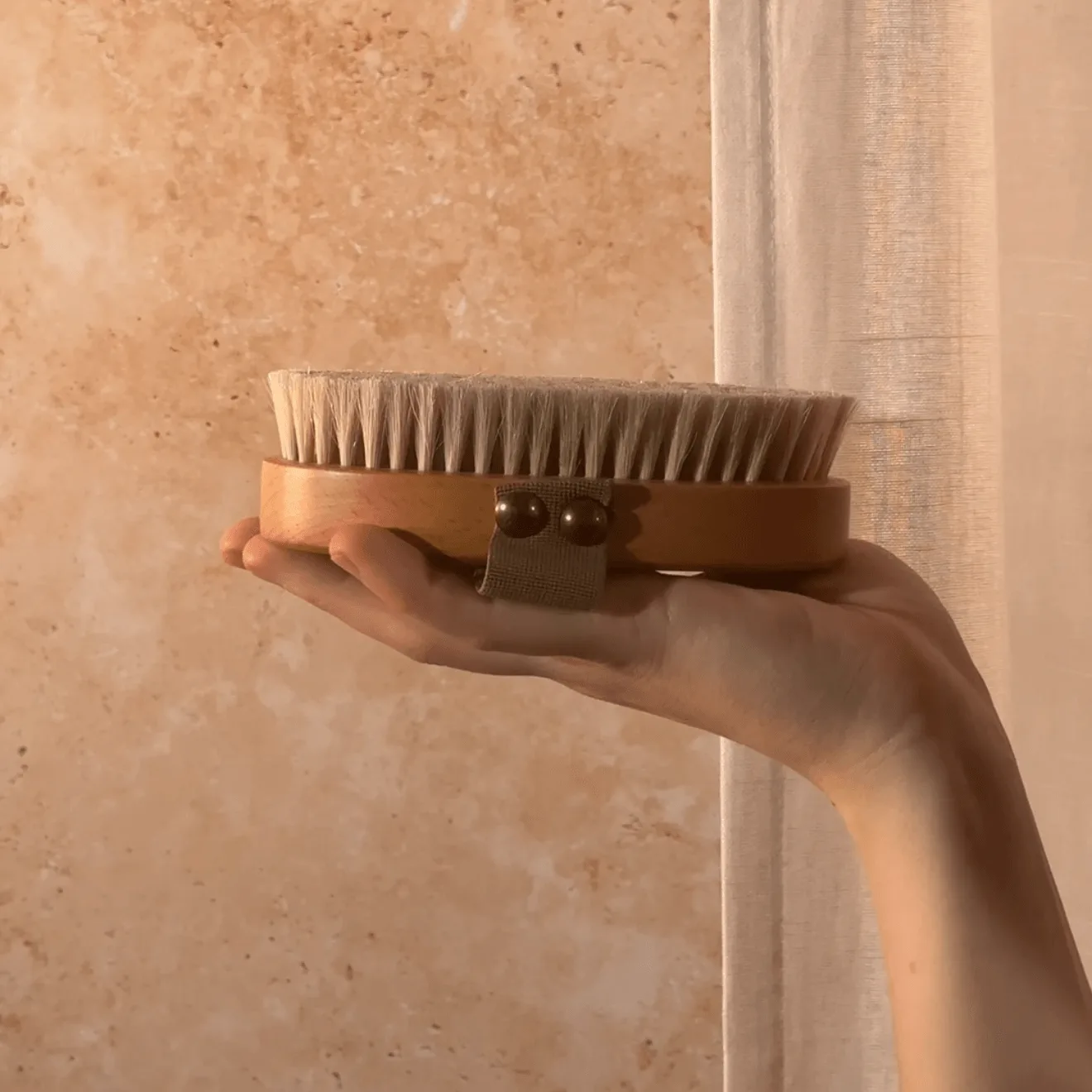
- Natural Horse Hair Anti-Cellulite Body Brush: Natural horse hair anti-cellulite body brush designed for dry body brushing to stimulate circulation and exfoliate. Dry brushing works best on dry skin, so it pairs naturally with a soap routine where bars are kept out of standing water and used deliberately rather than left in the shower.