Quick answer
A well-fitting sock should feel snug around the arch and heel without pinching your toes or sliding down. Choose fabric based on your day: cotton for breathable everyday wear, wool for warmth, and synthetic blends for moisture management. Always wash socks inside out in cool water and skip the dryer to keep elastic and cushioning intact.
Socks are the hardest-working piece in your drawer, yet they often get the least attention. A sock that fits poorly or wears out too fast can ruin an otherwise comfortable day, whether you're at work, on a hike, or just relaxing at home.
This FAQ answers the questions readers send us most often about sock fit, fabric choices, and care. Each answer stands on its own, so you can jump straight to the issue you're dealing with.
How should socks fit?
A good sock hugs your foot without leaving deep marks. The heel should sit squarely on your heel, not creep up your ankle or bunch under your arch. Toes need room to wiggle—if they feel compressed, size up. The cuff should stay put without digging in; if you see a red ring after a few hours, the cuff is too tight.
Sock sizes usually follow shoe sizes, but brands vary. If you're between sizes, choose the larger one for casual socks and the smaller one for athletic socks that need to stay put. Always check the size chart rather than assuming your usual shoe size translates directly.
- Try socks on with the shoes you plan to wear them with—shoe volume changes how a sock feels.
- If one foot is slightly larger, fit to the larger foot to avoid compression.
What is the best sock fabric?
There is no single best fabric—it depends on the day. Cotton is soft, breathable, and easy to wash, making it a solid choice for everyday wear and lounging. Merino wool regulates temperature and resists odor, which is why it's popular for hiking and travel. Synthetic fibers like polyester, nylon, and spandex add durability, moisture wicking, and stretch.
Most quality socks blend fibers to combine benefits. For example, a cotton sock with a small percentage of elastane will hold its shape better than pure cotton. If you sweat heavily or get cold feet, look for moisture-wicking blends or wool. If you want simple, comfortable socks for around the house, cotton-rich blends are a practical pick.
- Cotton: breathable and soft, but stays damp when wet.
- Wool: warm, odor-resistant, and temperature-regulating.
- Synthetics: durable, quick-drying, and stretchy—great for sport.
Why do my socks slide down?
Socks slide down for three main reasons: the cuff has lost its elasticity, the sock is too big, or the fabric is too smooth for your shoe. Over time, repeated washing and drying breaks down elastane, so old socks simply stop gripping. If your socks are new and still slide, check the size—a sock that's too large will bunch and slip.
To fix it, start by sizing down if you're between sizes. Wash in cool water and air-dry to preserve elastic. If the sock has a silicone grip band inside the cuff, make sure it's sitting against your skin, not folded over. For shoes with a loose heel, a slightly thicker sock can reduce slipping.
- Rotate socks so you're not wearing the same pairs every day—elastic needs recovery time.
- Avoid fabric softener, which coats fibers and reduces grip.
How do I care for socks so they last?
Turn socks inside out before washing to clean the part that touches your skin and to protect the outer surface from pilling. Use cool or warm water on a gentle cycle with a mild detergent. Hot water and harsh chemicals speed up elastic breakdown. Skip chlorine bleach unless the care label explicitly allows it.
Air-drying is the single best way to extend sock life. If you must use a dryer, choose low heat and remove socks while slightly damp. Store socks folded or rolled loosely—stretching them over a hanger or tight ball can distort the cuff. Following these steps keeps socks comfortable and helps them hold their shape far longer.
- Wash socks with similar colors to avoid dye transfer.
- Treat stains promptly with a dab of detergent before washing.
Are HOM socks different from other brands?
HOM socks are designed with the same attention to comfort and quality as the brand's underwear and sleepwear. While the specific materials vary by style, HOM focuses on softness, fit, and durable construction. If you already trust HOM for everyday essentials, their socks are a natural extension of that same approach.
Because HOM offers different sock styles for different needs, check the product description for fiber content and care instructions. That tells you exactly what you're getting and how to keep it performing well.
- Look for HOM socks in casual, dress, and sport styles.
- Match the sock weight to your shoe and activity for best comfort.
Sock care quick reference
Washing temperature
Use cool or warm water on a gentle cycle. Hot water breaks down elastane and causes shrinkage. When in doubt, choose cool.
Drying method
Air-dry whenever possible. If using a dryer, select low heat and remove socks slightly damp. Air-drying roughly doubles the life of elastic fibers.
Fabric softener
Skip it. Softener leaves a coating that reduces moisture wicking and can make socks feel slippery. A mild detergent is all you need.
Product facts
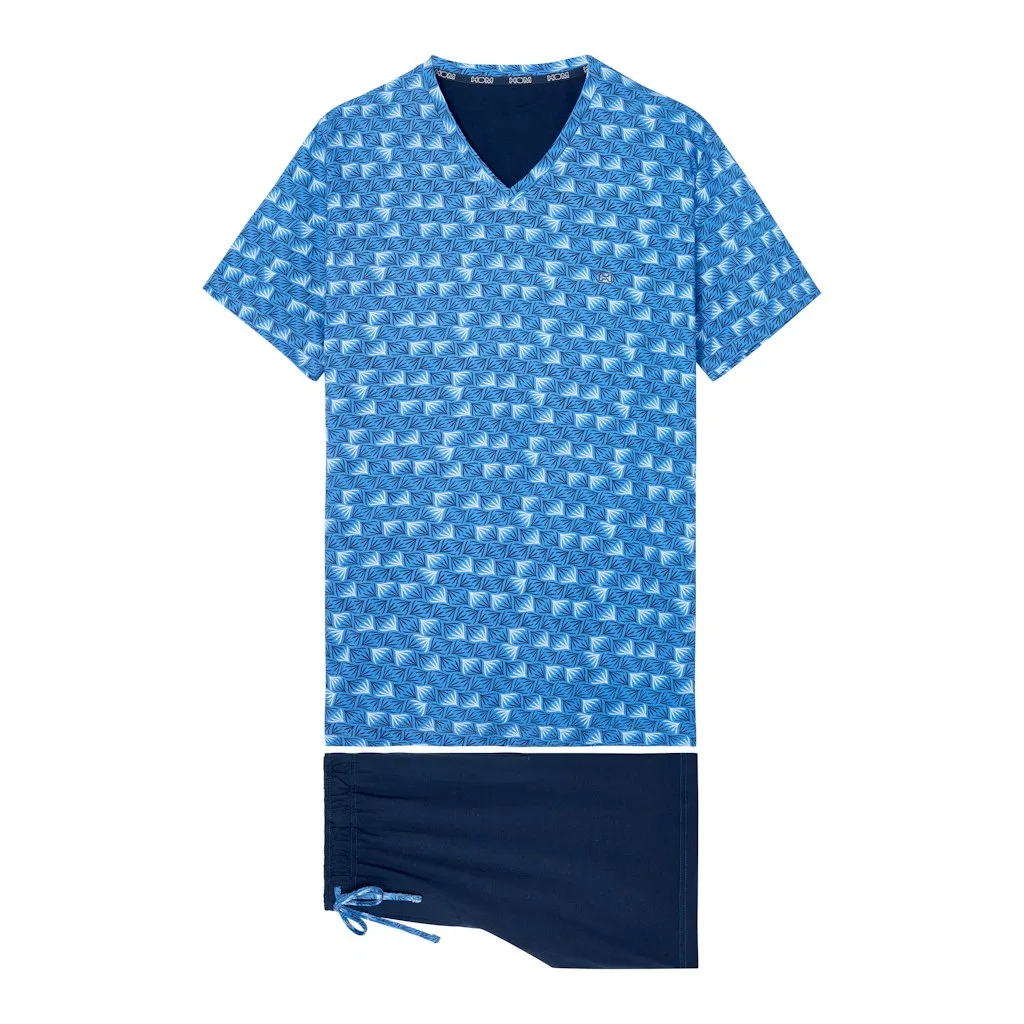
- Beachcomber Short Pajama Set | Blue Print 403116-I0BI: Made from 100% cotton for softness, lightness, and breathability. Cotton is the same breathable fiber many people prefer in socks for everyday comfort, so this set reflects HOM's focus on natural, skin-friendly materials.
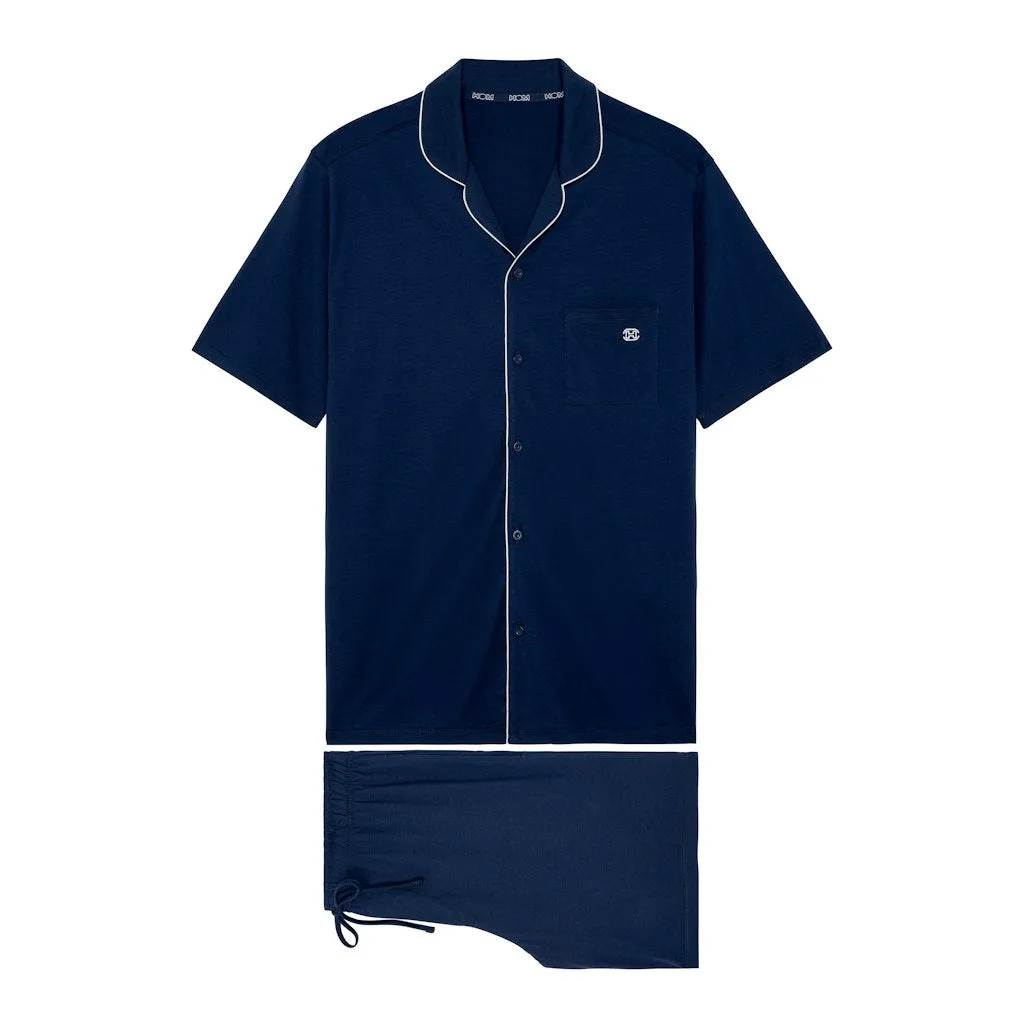
- Rafael Short Pajama Set | Navy 403121-00RA: A 2-piece set with a short-sleeved shirt and shorts, breathable and comfortable against the skin. Shows HOM's consistent approach to comfortable, breathable fabrics across categories—useful context if you're building a head-to-toe HOM wardrobe.
Sock comfort comes down to three things: the right size, a fabric that matches your day, and gentle care. Get those right, and your socks will stay comfortable and last far longer.