Quick answer
Buy socks by matching three things to the job: fabric to the activity, height to the shoe and trouser line, and fit to the shape of your foot. For work and daily wear, a breathable blend with a defined heel and a height that clears your shoe collar is the reliable default. For the gym, prioritize moisture-wicking fibers and a snug but not tight fit. For downtime, a soft, warm sock that stays up without pressure is worth the trade-off in durability.
Start with the job, not the color
The fastest way to narrow a sock drawer is to name the activity first. A sock that disappears inside a low-profile sneaker solves a different problem than one that stays up under a boot all day. Work socks need to balance breathability with enough structure to survive repeated washing and long wear. Gym socks need to move sweat away from the skin and hold their shape through repeated stretch. Downtime socks can lean into softness and warmth because they are not fighting friction or moisture the same way.
Once the job is clear, the fabric choice becomes much easier to judge. A fiber that feels luxurious in a lounge sock may be the wrong pick for a high-sweat workout, and a thin, slick fiber that works under a dress shoe may feel cold and insubstantial on a winter weekend.
Sock fabric guide: what each fiber actually does
Cotton is soft and breathable, which makes it a comfortable choice for everyday wear and low-impact activities. Its trade-off is that it holds moisture, so it can feel damp and heavy during intense exercise or in hot, humid conditions. Wool, including merino, regulates temperature and manages moisture well, but it usually costs more and needs more careful washing to avoid shrinkage. Synthetic fibers such as polyester, nylon, and elastane add stretch, durability, and quick drying. They are common in gym socks and in any sock that needs to keep its shape.
Most good socks are blends rather than a single fiber. A cotton-rich sock with a small percentage of elastane will fit better and stay up more reliably than a pure cotton sock. A wool blend with nylon reinforced at the heel and toe will last longer than pure wool. When you read a label, look at the fiber order: the first fiber listed is the largest share, and the last fibers are usually there for stretch or reinforcement. If a specification like exact fiber percentages is not shown on the product page, treat that as a limitation and choose based on the overall feel and construction you can verify.
No-show vs crew socks: height changes the job
No-show socks sit below the shoe collar and are designed to be invisible in low-cut sneakers, loafers, and some slip-on shoes. They work best when you want a clean ankle line and your shoes do not rub against the ankle. The trade-off is that they offer less protection from friction and less warmth, and they can slip down if the heel grip is weak. Crew socks rise to the mid-calf and stay put under trousers, boots, and athletic shoes. They protect the ankle and lower leg, which matters for hiking, cold weather, and long days on your feet.
A practical middle ground is an ankle or quarter sock that covers the ankle bone but stays below the calf. It is a good default for gym sessions and casual wear when you want more coverage than a no-show but less bulk than a crew. If you wear both dress shoes and sneakers in the same week, owning at least one pair of each height is more useful than trying to make one height do everything.
Fit tips that prevent the most common sock problems
A sock should feel snug around the arch and heel without leaving deep marks on your skin. If the heel pocket sits halfway up your ankle, the sock is too small or the wrong shape for your foot, and it will slide down. If the toe area bunches, the sock is too long, which can cause blisters during activity. Look for a defined heel and a shaped toe, because a tube-shaped sock has to rely on stretch alone to stay in place.
Cuff tension matters too. A cuff that leaves a red ring after an hour is too tight, even if the rest of the sock feels fine. A cuff that slides down immediately is too loose or has lost its elastic. For work and gym use, a moderate cuff with a bit of elastane is the most reliable. For downtime, a softer, wider cuff is more comfortable, but it may not stay up as well under a boot.
How many pairs and which colors to buy
A workable starting set is five to seven pairs for daily wear, two to three pairs for the gym, and two pairs for downtime or sleep. That spread lets you rotate socks so they dry fully between wears, which extends their life more than any single fabric choice. For work, match socks to the trousers rather than the shoes when you want a longer, cleaner line. For the gym, choose a color that hides sweat marks if that matters to you, and keep a separate pair for workouts so you are not carrying gym moisture into your daily rotation.
If you are rebuilding a drawer from scratch, buy one height and one fabric for your most frequent activity first, then add the second height. This avoids ending up with a drawer full of socks that all solve the same problem.
Decision rules for buying socks
- If the sock is for work or daily wear: Choose a breathable cotton or cotton-blend sock with a defined heel and enough elastane to hold the cuff. Match height to your shoe: no-show for low-profile shoes, crew for boots and trousers. Prioritize fit and durability over softness.
- If the sock is for the gym: Choose a synthetic or wool-blend sock that wicks moisture and holds its shape. An ankle or quarter height usually balances coverage and airflow better than a no-show. Avoid heavy cotton that stays damp.
- If the sock is for downtime or sleep: Choose a soft, warm sock with a wide, low-pressure cuff. Accept that it may not stay up as well under a boot or tight shoe. Comfort is the goal, not durability.
- If you are unsure between no-show and crew: Buy one pair of each in the fabric you already like, wear both for a week, and keep the height that caused fewer adjustments. Test before you commit to a multi-pack.
Product facts that support these choices
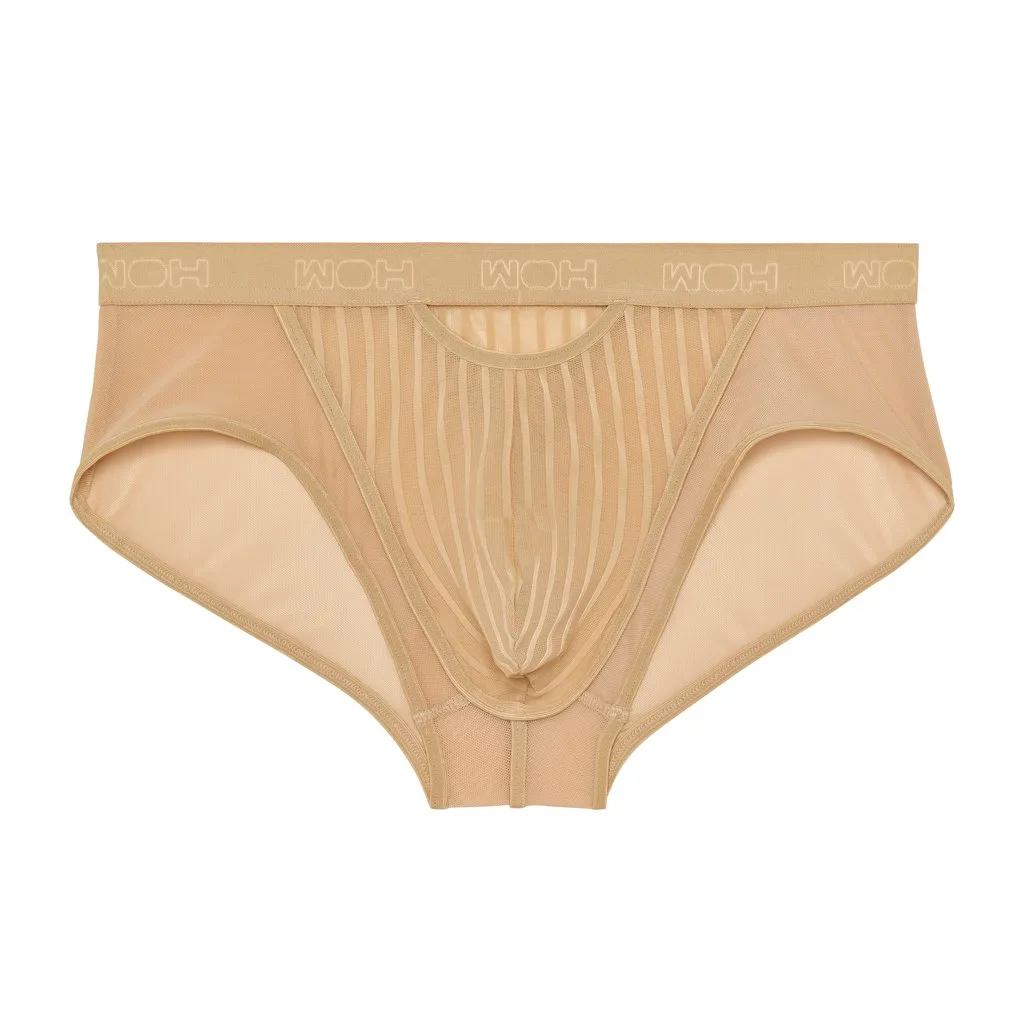
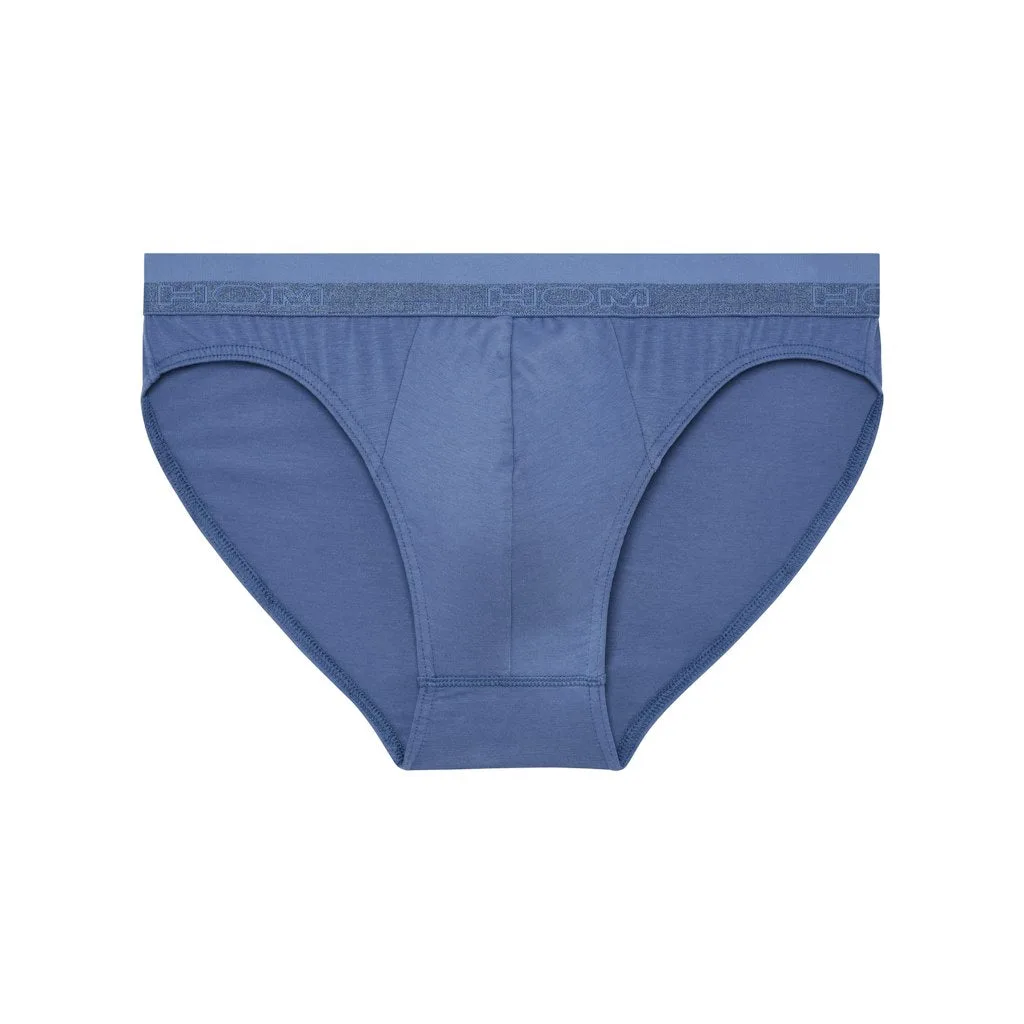
- Personal Allure Mini Briefs | Skin 463017-00DT: The PERSONAL ALLURE briefs feature fine vertical jacquard stripes in sheer tulle, described as a discreet and invisible lingerie line with an elegant and sensual look. This illustrates how a fine-gauge, low-bulk construction can stay discreet under clothing — the same principle you want in a no-show or dress sock that should not show through or bunch.
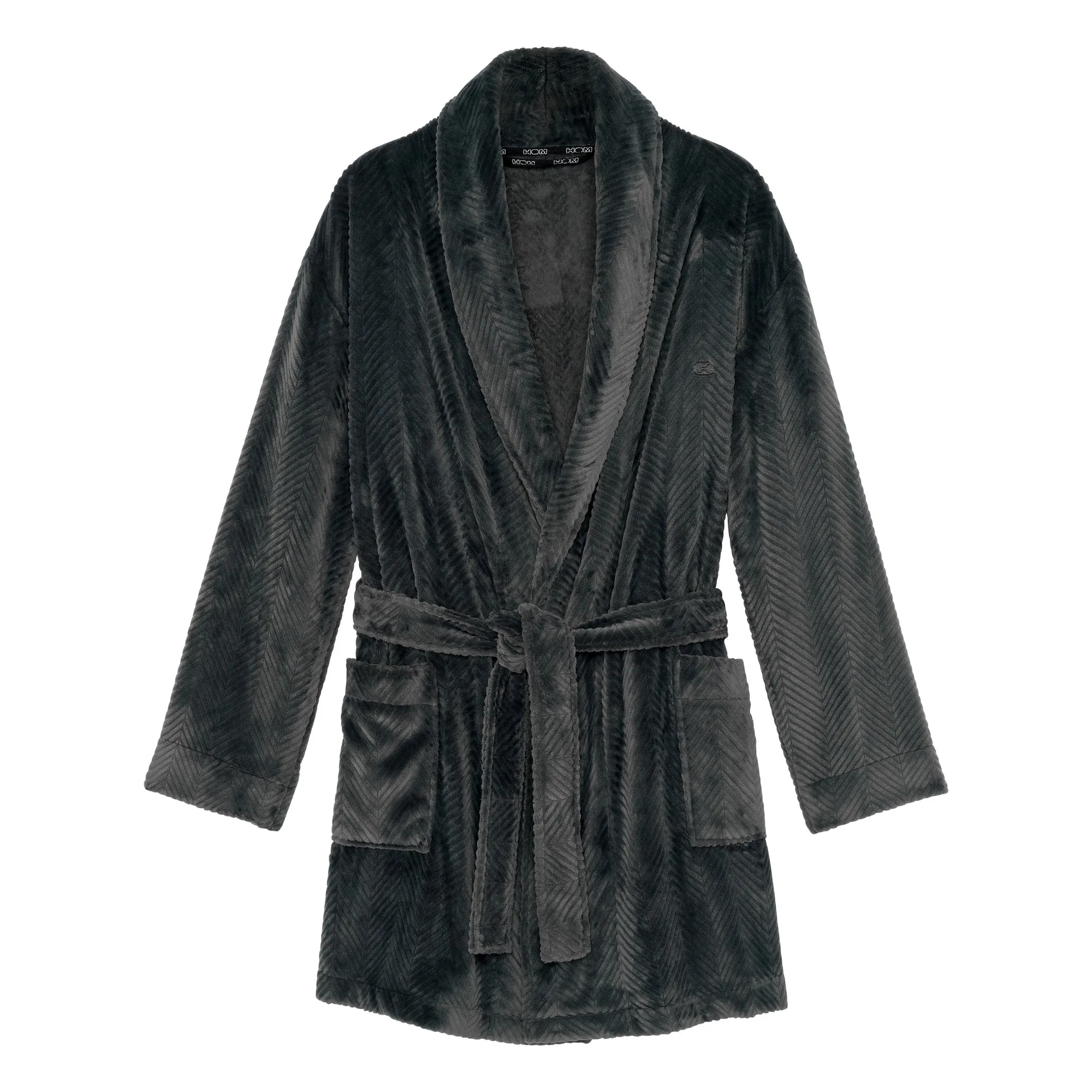
- Everest Short Robe | Grey 402878-00ZU: The EVEREST short kimono is a short bathrobe with a herringbone pattern, made from thick fleece that is very fluffy, warm, and soft, with a tone-on-tone belt and two large pockets. For downtime, warmth and softness are the priority, which is the same trade-off you make when choosing a cozy sleep or lounge sock over a thin, durable everyday pair.
Who this buying approach is for
Best for
- Shoppers who want one clear method for choosing socks across work, gym, and downtime
- Anyone rebuilding a sock drawer and unsure whether to buy no-show, ankle, or crew height
- People who want to judge sock fabric and fit from a product label without guessing
Not for
- Shoppers looking for medical compression socks or prescribed support hosiery
- Anyone who needs specialty socks for a specific sport with rules about equipment
- Buyers who only want a single pair and are not comparing heights or fabrics