Protein bars have become a staple for fitness enthusiasts, athletes, and anyone looking for a convenient, high-protein snack. With so many options on the market, it can be challenging to choose the right one for your needs. Among the latest innovations, soft core protein bars have emerged as a game-changer, offering a unique texture and taste experience that sets them apart from traditional protein bars. In this article, we'll explore what makes soft core protein bars different, why they're gaining popularity, and how they can fit into your fitness routine.
Whether you're hitting the gym, heading to the office, or just need a quick post-workout refuel, understanding the nuances of protein bar textures can help you make a smarter choice. We'll dive into the key differences, nutritional profiles, and what to look for when selecting the best soft core protein bar for your lifestyle.
What Are Soft Core Protein Bars?
Soft core protein bars are a modern twist on the classic protein bar. Unlike traditional bars that often have a dense, chewy, or crunchy texture, soft core bars feature a creamy, soft centre that is often compared to a dessert-like filling. This innovation is designed to enhance the eating experience, making the bar more enjoyable and less like a chore. The soft core can be filled with flavours such as chocolate, peanut butter, caramel, or fruit, providing a rich taste without compromising on protein content.
The texture of a soft core protein bar is achieved through a careful balance of ingredients. Manufacturers use a combination of protein isolates, soluble fibres, and natural sweeteners to create a moist, tender interior that contrasts with a slightly firmer outer layer. This dual-texture approach not only improves mouthfeel but also helps to maintain the bar's structural integrity during packaging and transport. For those who find traditional protein bars too dry or hard to chew, soft core options offer a welcome alternative.
- Key characteristic: a soft, creamy centre that contrasts with a firmer outer layer.
- Often includes real chocolate or nut butter fillings for added flavour.
- Designed to be more palatable, especially for those new to protein bars.
Texture and Taste: The Soft Core Advantage
The primary difference between soft core protein bars and regular bars lies in texture. Traditional protein bars can be dense, chalky, or overly chewy, which can make them less appealing for daily consumption. Soft core bars, on the other hand, are engineered to be tender and moist, often mimicking the texture of a baked good or a candy bar. This makes them a popular choice for people who want a treat-like snack that still supports their fitness goals.
Taste is another major factor. Soft core bars often incorporate higher-quality ingredients, such as real cocoa butter or natural nut butters, to enhance flavour. For example, the Soft Core Chocolate Peanut Butter Protein Bar combines a rich chocolate coating with a creamy peanut butter centre, delivering a satisfying taste that rivals traditional confectionery. This focus on flavour means you're more likely to look forward to eating your protein bar, rather than seeing it as a necessary evil.
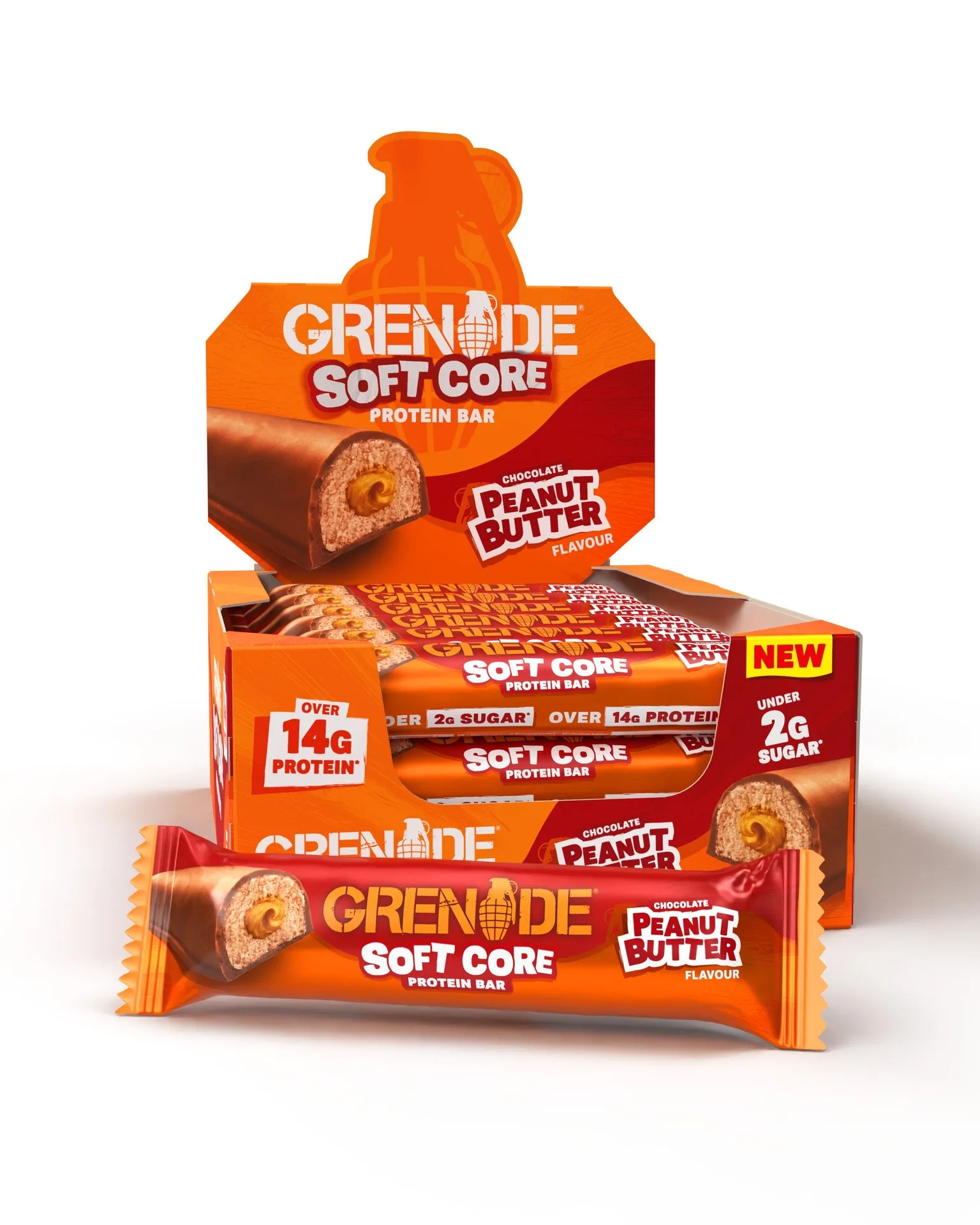
Soft Core Chocolate Peanut Butter Protein Bar
- Soft core bars are less likely to be dry or chalky.
- They often contain real food ingredients for a more authentic taste.
- The texture can help with satiety, making you feel fuller for longer.
Nutritional Profile: Are Soft Core Bars Healthier?
When comparing soft core protein bars to regular bars, it's important to look at the nutritional label. While both types typically provide a similar amount of protein (around 15-20 grams per bar), soft core bars may have slightly different macronutrient ratios. Many soft core bars are formulated with lower sugar content, using natural sweeteners like stevia or erythritol to keep calories in check. They also tend to be higher in fibre, which aids digestion and supports blood sugar stability.
However, not all soft core bars are created equal. Some may contain added sugars or saturated fats to achieve their desirable texture. It's crucial to read the ingredients list and choose bars that align with your dietary goals. For instance, the Soft Core Chocolate Peanut Butter Protein Bar offers a balanced profile with high protein, moderate healthy fats, and low sugar, making it a smart choice for post-workout recovery or a midday snack. Always compare protein-to-calorie ratios to ensure you're getting the most nutritional bang for your buck.
- Check for added sugars: aim for bars with less than 5g of sugar per serving.
- Look for at least 15g of protein to support muscle repair and growth.
- Fibre content should be 3g or more to promote fullness and digestive health.
How Soft Core Protein Bars Fit Into Your Fitness Routine
Soft core protein bars are incredibly versatile. They can be used as a pre-workout snack to provide sustained energy, a post-workout recovery aid to repair muscles, or a convenient meal replacement when you're on the go. Their soft texture makes them easy to eat quickly, even without water, which is a significant advantage over denser bars that can be difficult to swallow.
For those focused on weight management, soft core bars can help curb cravings for sweets while still delivering essential nutrients. The combination of protein and fibre in bars like the Soft Core Chocolate Peanut Butter Protein Bar can keep you satisfied between meals, reducing the likelihood of unhealthy snacking. Additionally, their portability means you can stash one in your gym bag, desk drawer, or car for whenever hunger strikes. Just remember to pair them with a balanced diet and regular exercise for optimal results.
- Use as a pre-workout snack 30-60 minutes before exercise.
- Ideal for post-workout recovery within 30 minutes of training.
- Can serve as a healthy dessert alternative to satisfy sweet cravings.
What to Look for When Buying Soft Core Protein Bars
With the growing popularity of soft core protein bars, the market is flooded with options. To choose the best one, start by examining the ingredient list. Avoid bars with long lists of artificial additives, hydrogenated oils, or high-fructose corn syrup. Instead, look for whole food ingredients like oats, nuts, and natural protein sources such as whey or plant-based isolates.
Next, consider your personal taste preferences. Soft core bars come in a variety of flavours, from classic chocolate and peanut butter to more adventurous combinations like salted caramel or berry. If you enjoy a rich, indulgent taste, the Soft Core Chocolate Peanut Butter Protein Bar is a top contender. Also, pay attention to the brand's reputation and customer reviews. Grenade UK, for example, is known for its commitment to quality and flavour innovation, making their soft core bars a reliable choice. Finally, check the protein-to-calorie ratio to ensure the bar aligns with your fitness goals without exceeding your daily calorie needs.
- Prioritise bars with minimal artificial ingredients.
- Choose flavours you genuinely enjoy to stay consistent with your snacking.
- Compare protein content per calorie to ensure efficiency.
Soft core protein bars represent a delicious and nutritious evolution in the protein bar market. Their unique texture, superior taste, and balanced nutritional profile make them an excellent choice for anyone looking to boost their protein intake without sacrificing flavour. Whether you're a seasoned athlete or just starting your fitness journey, incorporating a soft core bar into your routine can help you stay on track. Explore the Soft Core Chocolate Peanut Butter Protein Bar to experience the difference for yourself and elevate your snacking game today.