Protein bars have become a staple for anyone looking to fuel their workouts, curb hunger, or satisfy a sweet tooth without derailing their nutrition goals. But not all protein bars are created equal — especially when it comes to texture and taste. The debate between soft core and traditional protein bars has been heating up, with fans on both sides swearing by their favourite style.
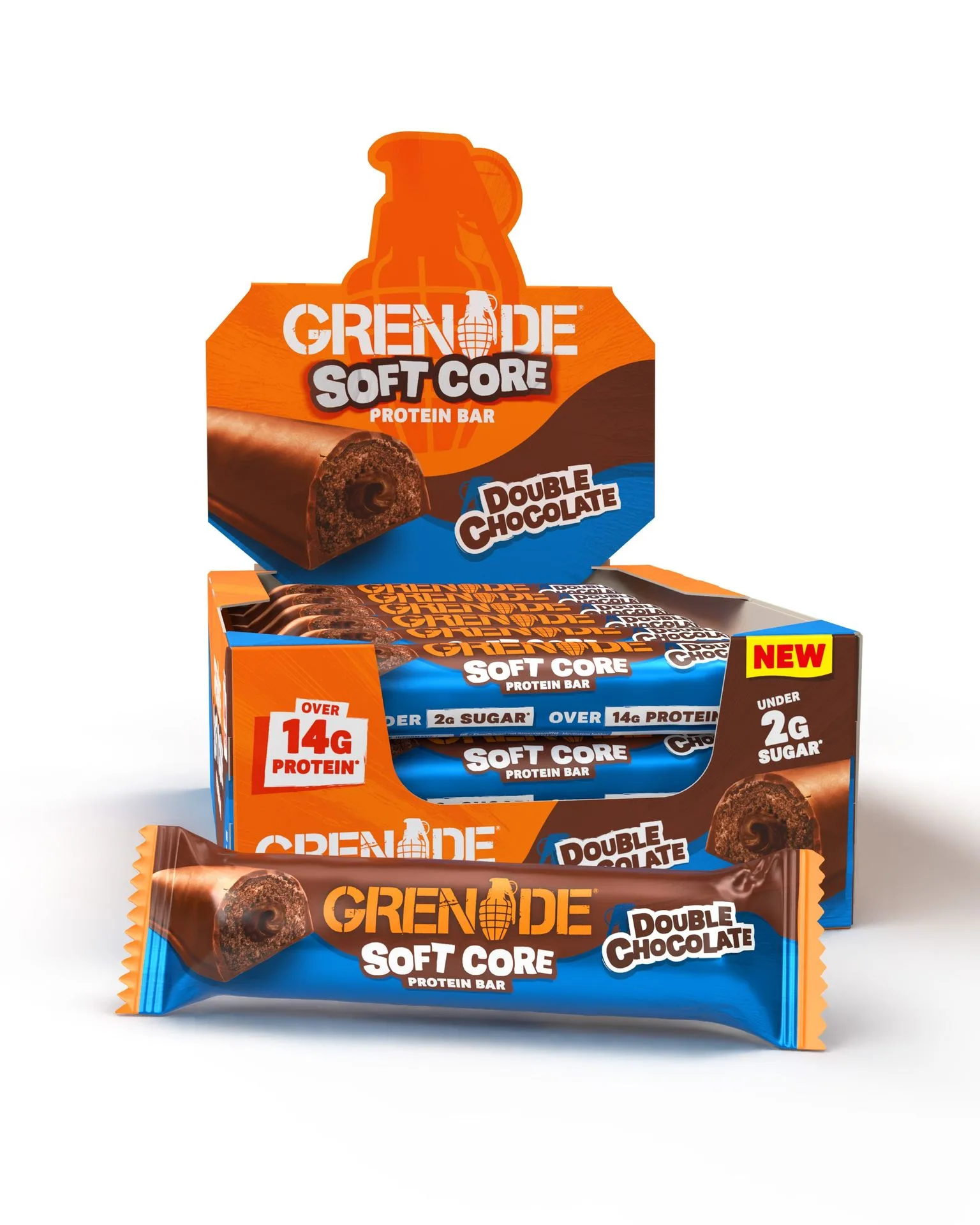
In this comparison, we’ll break down the key differences between soft core and traditional protein bars. From mouthfeel and flavour intensity to nutritional profiles and convenience, we’ll help you decide which type deserves a spot in your gym bag. Along the way, we’ll highlight a few standout options from Grenade’s range, including the Soft Core Double Chocolate Protein Bar and the classic OREO Protein Bar.
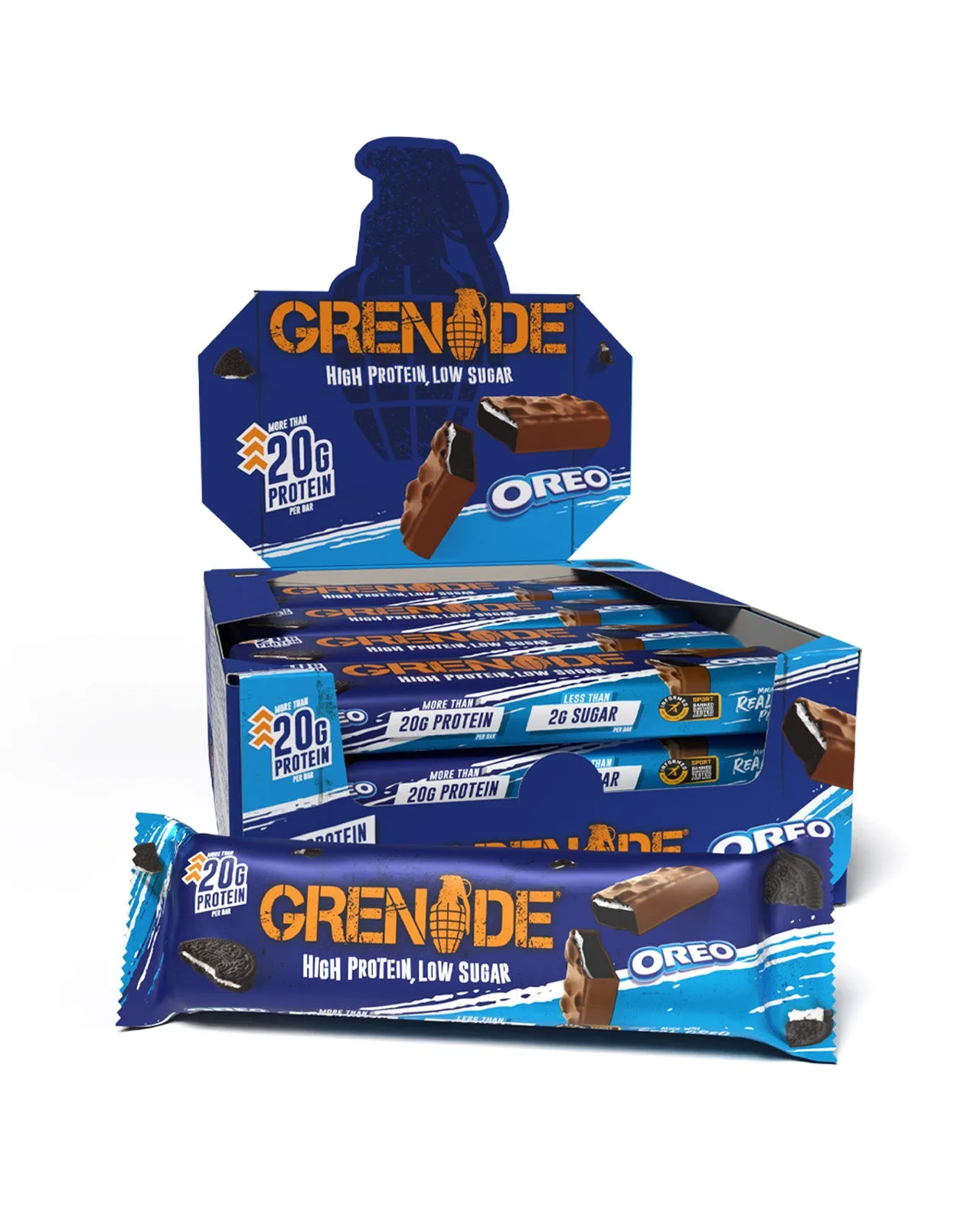
OREO Protein Bar
What Defines a Traditional Protein Bar?
Traditional protein bars are typically dense, chewy, and uniform in texture. They’re made by blending protein powder (often whey or casein) with binders like oats, rice flour, or syrup, then baking or pressing the mixture into a bar shape. The result is a consistent, firm bite that holds up well in a pocket or bag without crumbling.
Flavour-wise, traditional bars rely on coatings, chunks, or swirls to add variety. They often have a hearty, satisfying chew that some people prefer for a more substantial snack. Grenade’s OREO Protein Bar is a perfect example: it combines a classic cookie-flavoured coating with a dense, chewy interior that delivers a familiar, indulgent taste without the sugar crash.
- Traditional bars tend to have a longer shelf life due to lower moisture content.
- They’re often less sticky, making them easier to eat on the go without messy fingers.
What Makes a Soft Core Protein Bar Different?
Soft core protein bars feature a distinct two-layer construction: a firmer outer shell or coating and a soft, creamy, or gooey centre. The core is achieved by using a different filling — often a blend of protein, fats, and humectants — that stays soft and luscious even after the bar is packaged. This creates a contrast in texture that many find more dessert-like and satisfying.
The taste experience is also elevated because the soft centre can carry intense flavours like chocolate, caramel, or fruit, while the outer layer provides a contrasting crunch or chew. Grenade’s Soft Core Double Chocolate Protein Bar is a standout in this category, offering a rich chocolate coating with a velvety, mousse-like centre that feels more like a treat than a supplement.
- Soft core bars are ideal for those who crave a creamy, melt-in-your-mouth texture.
- They often deliver a more layered flavour profile with each bite.
Texture Showdown: Chewy vs. Creamy
Texture is arguably the most polarising factor when choosing a protein bar. Traditional bars offer a uniform chew that feels substantial and filling — think of a dense, baked oatmeal cookie. This texture works well for sustained energy release and is less likely to feel overly sweet or rich.
Soft core bars, on the other hand, provide a dynamic mouthfeel. The initial bite gives way to a soft, almost pudding-like centre that can be surprisingly indulgent. For many, this makes the bar feel more like a dessert, which can help with cravings without resorting to high-sugar snacks. If you enjoy the contrast of a crisp shell and a smooth filling, soft core is likely your winner.
- Try both styles side by side to see which texture you prefer — personal preference varies widely.
- Soft core bars may be more prone to melting in hot weather, so store them in a cool place.
Taste Comparison: Flavour Intensity and Variety
When it comes to taste, traditional protein bars often have a more subdued, balanced flavour profile. The uniform texture means the taste is consistent from first bite to last, which can be comforting but sometimes monotonous. Coatings and mix-ins (like cookie pieces or caramel) help break up the flavour, but the overall experience is less layered.
Soft core bars, by design, deliver a more intense and varied taste. The centre can be flavoured differently from the outer layer, creating surprises as you eat. For example, a chocolate outer shell might hide a peanut butter or caramel core, amplifying the indulgence. Grenade’s Soft Core Double Chocolate Protein Bar nails this with a deep cocoa flavour throughout, but the soft centre adds a creaminess that makes the chocolate taste richer and more satisfying.
- Soft core bars are excellent for satisfying sweet cravings with fewer calories than a full dessert.
- Traditional bars are often better for those who prefer a more savoury or neutral flavour profile.
Nutritional Side-by-Side: What’s Inside the Bar?
Both soft core and traditional protein bars can be nutritionally similar, but there are some differences to note. Traditional bars tend to be slightly lower in fat because they don’t require a creamy filling, and they often have a higher fibre content from added grains. Soft core bars, on the other hand, may have a bit more fat (from the creamy centre) and sometimes slightly more sugar to achieve that dessert-like taste.
However, many modern soft core bars are formulated to keep macros in check. For instance, the Soft Core Double Chocolate Protein Bar delivers around 20g of protein with moderate sugar and fat, making it a balanced choice for post-workout recovery or a midday snack. Traditional bars like the OREO Protein Bar also pack a similar protein punch but with a different texture profile. Always check the label to match the bar to your dietary needs.
- Compare protein, sugar, and fibre content on the nutrition panel to find the best fit for your goals.
- Soft core bars can be a great pre-workout snack because the quick-digesting carbs provide fast energy.
Which One Should You Choose?
Your choice between soft core and traditional protein bars ultimately comes down to personal preference and your intended use. If you want a no-fuss, sturdy bar that travels well and provides steady energy, a traditional bar is a reliable pick. It’s also a great option if you prefer a more subtle sweetness or want to avoid sticky fingers.
If you’re after a treat-like experience that feels more like a dessert, soft core bars are the way to go. They’re perfect for when you need a mental break or want to satisfy a craving without breaking your nutrition plan. For the best of both worlds, keep a variety in your stash — reach for a traditional bar on busy days and a soft core bar when you need a little indulgence.
- Test a few different flavours and textures to discover your personal favourite.
- Consider the time of day: soft core bars can be a great evening snack, while traditional bars work well pre-workout.
Whether you lean towards the hearty chew of a traditional protein bar or the creamy indulgence of a soft core option, Grenade’s range has something to satisfy every palate. If you’re ready to experience the rich, dessert-like texture of a soft core bar for yourself, the Soft Core Double Chocolate Protein Bar is a fantastic place to start. Head over to the Grenade shop to explore the full selection and find your new favourite.