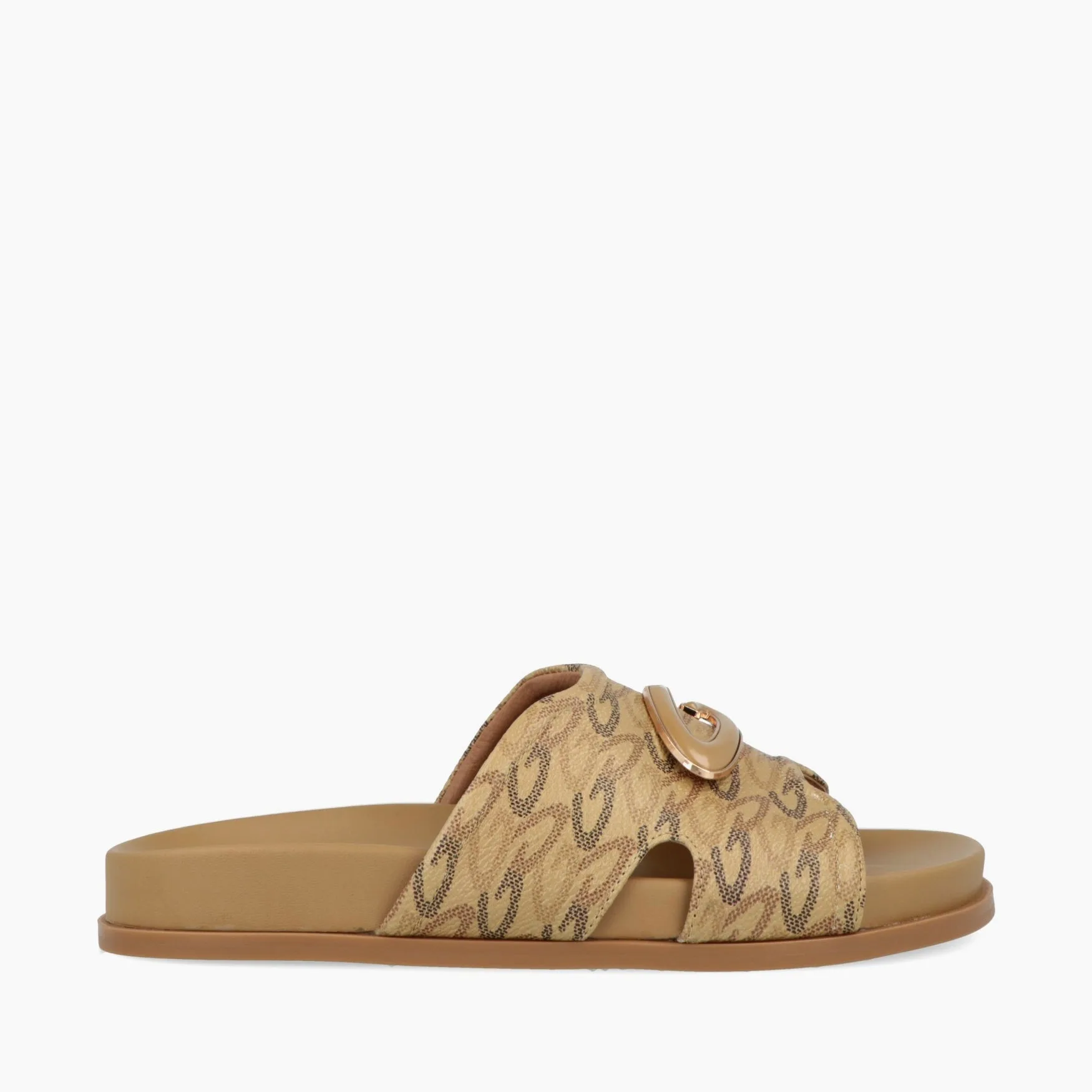
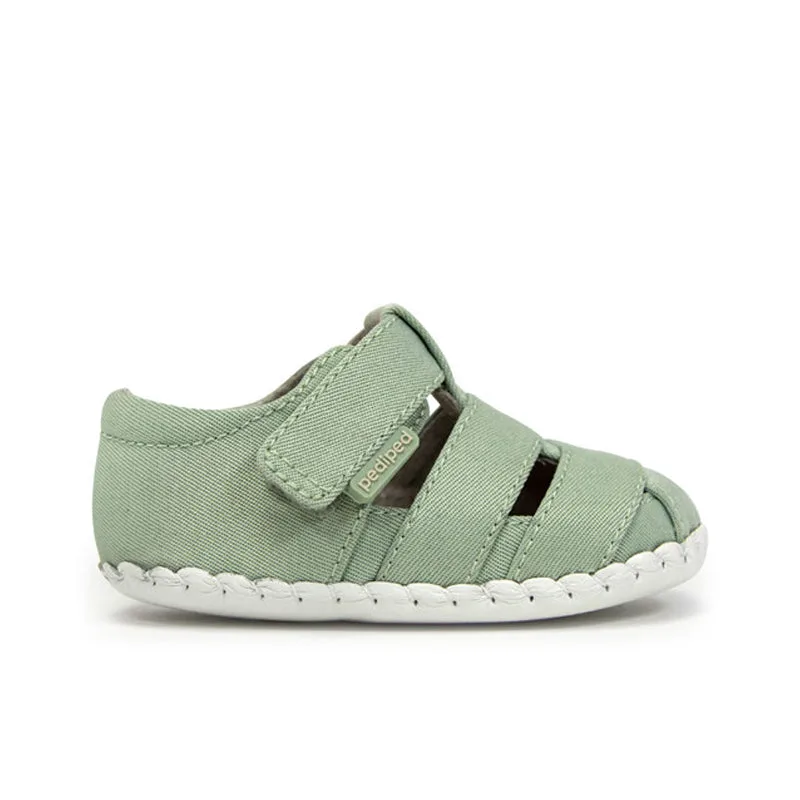
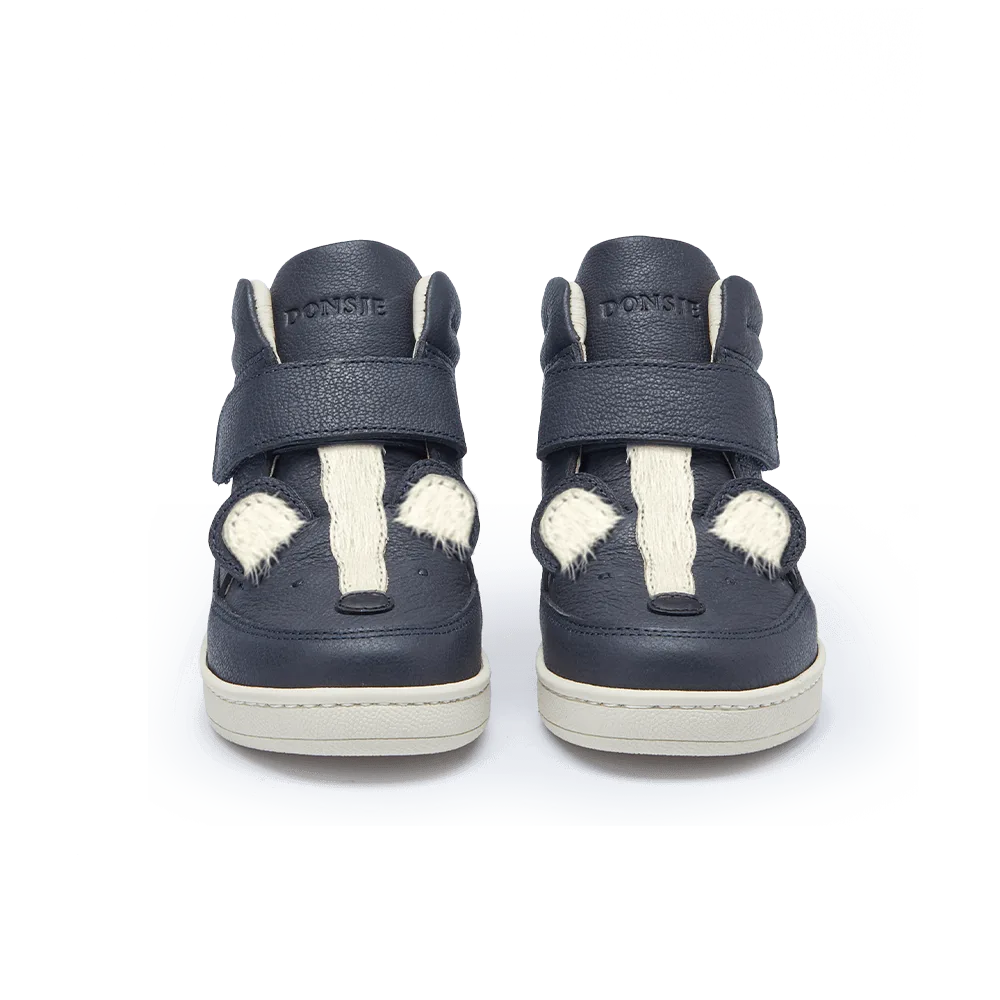
Start with the listed size range, not your child's age
Soft Sand strap sandals are listed for toddlers ages 12 months to 5 years, with sizes from 4 US Size to 10 US Size. That age range is a starting point, not a guarantee of fit. Children the same age can wear very different shoe sizes, so the size chart matters more than the birthday.
Measure both feet at the end of the day, when feet are at their largest. Stand your child on a piece of paper, mark the longest toe and the back of the heel, and measure the distance in inches or centimeters. Then compare that measurement to the size options offered for Soft Sand. If you are between sizes, choose the larger size rather than hoping the smaller one will stretch.
A simple fit check when the sandals arrive
Try the sandals on with the socks or bare feet your child will normally wear. Check these points before letting them walk outside.
- Check toe room: With your child standing, press gently at the front of the sandal. There should be a small gap between the longest toe and the front edge, enough that toes are not pressed against the material. The wide toe box in the design gives toes room to move, but the sandal still needs to be long enough.
- Check the strap: The integrated strap should hold the sandal securely without leaving deep marks. You should be able to slide one finger under the strap with mild resistance. If the strap is too loose, the sandal may slip off; if it is too tight, it can rub.
- Watch your child walk: Have your child walk a few steps. The sandal should stay on without your child curling their toes to keep it in place. The flexible rubber outsole should bend naturally with each step, not stiffen the foot.
- Check the heel: The heel should sit comfortably inside the sandal without hanging over the back edge. A heel that spills over the edge means the size is too small.
What the Soft Sand listing confirms for fit
-
Soft Sand: Perfect for toddlers ages 12 months to 5 years. This is the age range the sandals are designed for, but you still need to match your child's measured foot to the listed sizes.
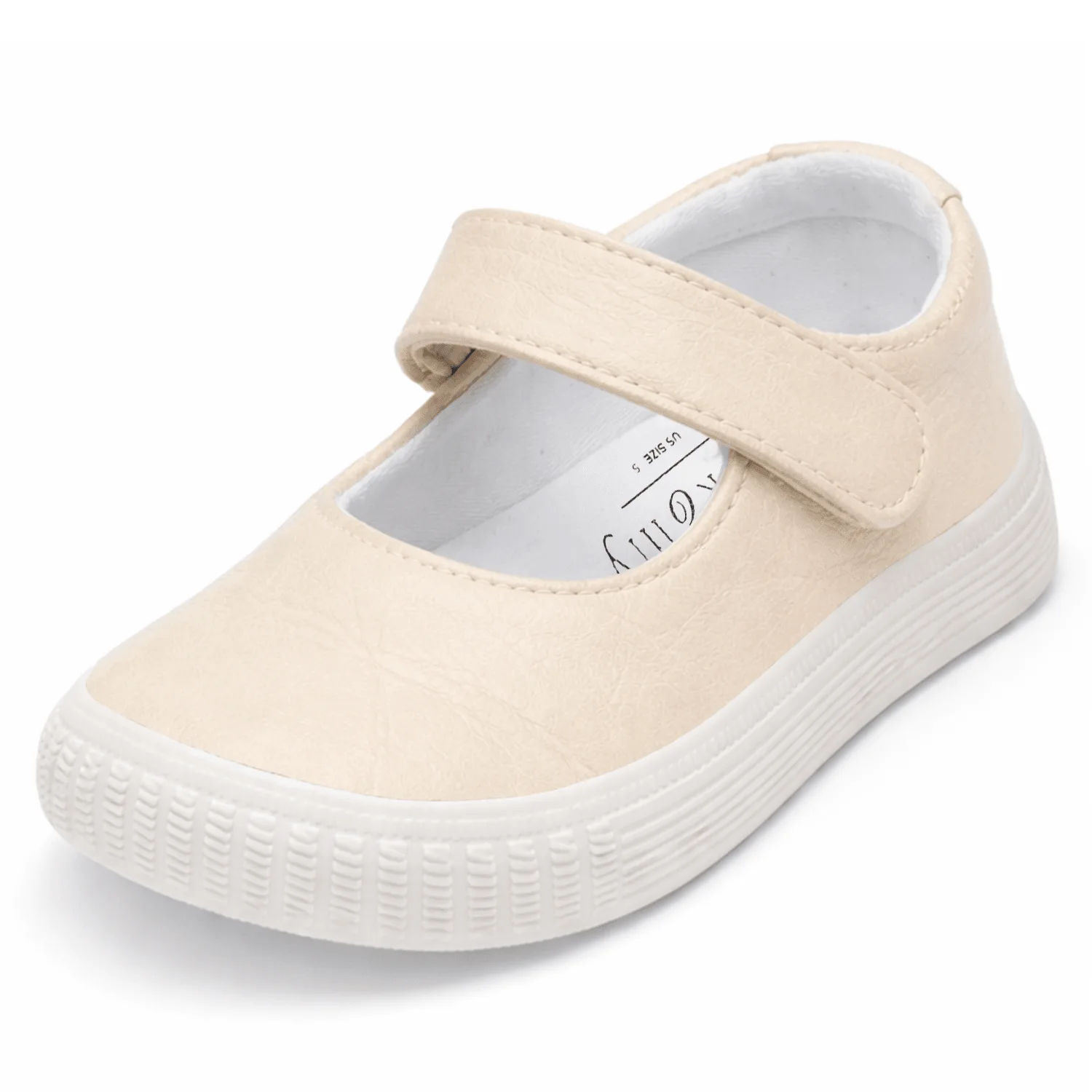
Soft Sand
-
Soft Sand: Available in sizes 4 US Size through 10 US Size. These are the only sizes listed, so measure first and choose from this range rather than assuming a typical size for your child's age.
-
Soft Sand: Integrated strap design provides a secure fit that is easy for parents and children to manage. The strap is meant to keep the sandal on during active play, but you still need to adjust it to your child's foot.
-
Soft Sand: Wide toe box allows toes to move freely. A wide toe box supports natural toe movement, but the sandal must also be long enough so toes do not touch the front.
How should kids sandals fit? Signs of a good or poor fit
A well-fitting sandal stays on without being tight, leaves room for toes to wiggle, and lets the foot bend naturally. After a short wear, check your child's feet for red marks or rubbing. Light marks that fade quickly are normal; deep indentations or blisters mean the fit is wrong.
If your child trips often, the sandal may be too long. If they complain of pressure at the toes or heel, it may be too small. Neither is a defect in the sandal; it usually means the size needs adjusting.
When to size up, stay, or try another style
Size up if the measured foot is at or beyond the upper end of the current size, if the toes touch the front, or if the heel hangs over the back. Stay with the current size if there is still a small gap at the toe and the strap holds securely. If the strap cannot be adjusted to hold the sandal on without being too tight, the shape may not suit your child's foot; in that case, consider a different style.
Remember that the listed age range is 12 months to 5 years, but growth spurts vary. Recheck the fit every few months, especially before a new season.
Caring for Soft Sand sandals
The supplied product information does not include specific care instructions. To keep the sandals in good condition, follow general sensible practices: wipe them with a damp cloth and mild soap, air-dry them away from direct heat, and store them in a cool, dry place. Avoid machine washing or drying unless the manufacturer's instructions say otherwise.
Because the materials are described as soft and lightweight, they may show wear with heavy use. Check the strap and outsole regularly for signs of damage, and replace the sandals if they no longer provide secure footing.