The bird feeding industry is undergoing a quiet revolution. While backyard birdwatchers have long relied on traditional feeders, a new wave of technology is transforming the hobby into a connected, sustainable experience. At the heart of this shift is solar power. Solar bird feeders are no longer a niche curiosity; they are becoming the standard for eco-conscious enthusiasts who want to watch birds without worrying about batteries, cables, or environmental impact.
In 2026, the convergence of renewable energy, AI-powered recognition, and modular product design is driving rapid adoption. Leading brands like Birdbuddy are releasing integrated solar models that combine high-efficiency panels with smart cameras and weatherproof housings. Whether you are a seasoned birder or a casual observer, understanding these trends will help you choose the right feeder for your garden. Below, we break down the key innovations shaping the industry this year.
Why Solar Is Now the Default Power Source for Smart Feeders
The shift toward solar-powered bird feeders is driven by three factors: convenience, reliability, and sustainability. Traditional smart feeders rely on disposable batteries or hardwired connections, which create waste and limit placement options. Solar panels eliminate these hassles, allowing feeders to sit in sunny spots far from outlets. In 2026, solar cell efficiency has improved dramatically, meaning even partial sunlight can keep a feeder’s camera, Wi-Fi, and sensors running all day.
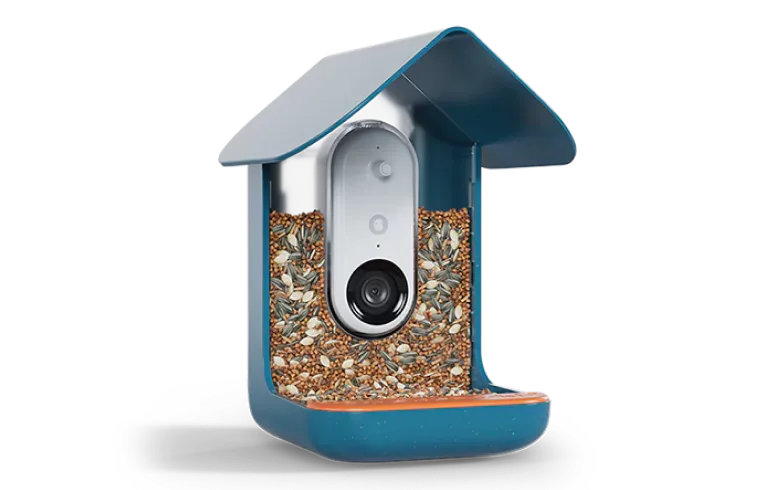
Birdbuddy has embraced this trend with products like the https://nexaelectroai.shop/products/birdbuddy-pro-solar-221217Birdbuddy Pro Solar, which integrates a high-output solar panel directly into the feeder’s roof. This design ensures continuous operation without manual charging. Other manufacturers are following suit, but Birdbuddy’s approach of pairing solar with a robust housing and smart connectivity sets a new benchmark. For users in cloudy climates, the feeder still stores energy from intermittent sun, making it a truly year-round solution.
- Look for feeders with monocrystalline panels for best low-light performance.
- A built-in battery buffer ensures the feeder works at night and on overcast days.
Smart Features Beyond Solar: AI Bird Recognition & Live Streaming
Solar power is only part of the story. The real excitement in 2026 comes from the intelligent features that solar enables. Without the need to change batteries, users can leave their feeders online 24/7, capturing every visit. Birdbuddy’s smart feeders use AI to identify over 1,000 bird species and send real-time notifications to your phone. This technology, once limited to high-end trail cameras, is now accessible to home users.
The integration of solar also allows for more power-hungry features like HD video streaming and night vision. With the Smart Hummingbird Feeder Solar Roof, for example, the solar panel not only powers the camera but also supports a heated element for colder months. This kind of seamless energy management is a trend we expect to see across all feeder categories, from seed feeders to hummingbird stations.
- AI recognition accuracy now exceeds 95% for common backyard species.
- Live streaming works over standard Wi-Fi; no monthly subscription required.
Modular Accessories Extend the Solar Ecosystem
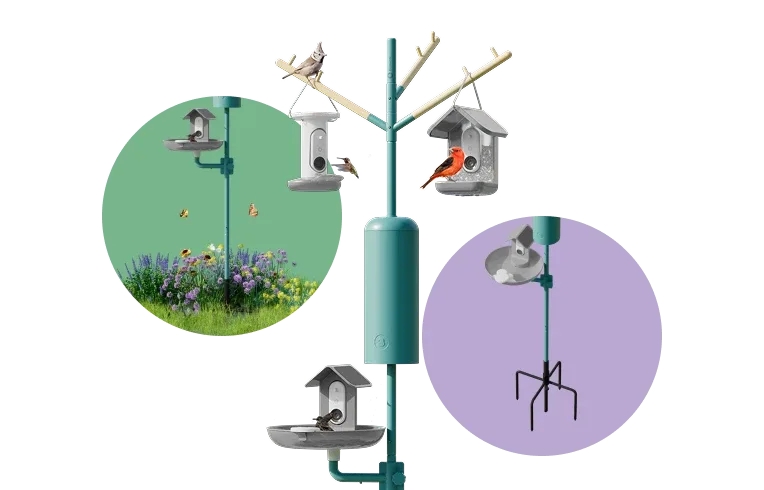
Another major trend is modularity. Instead of buying a single all-in-one unit, bird lovers can now build a custom feeding station with solar-powered components. Birdbuddy’s ecosystem offers add-ons like the Perch Extender, which attaches to the main feeder and provides additional perching space without drawing extra power. Similarly, the Wall Mount lets you position your solar feeder on a fence or wall, optimizing sun exposure.
The ability to mix and match accessories means you can upgrade over time. For instance, you might start with a Birdbuddy Pro Solar, then add a solar roof for a hummingbird feeder later. This approach reduces waste and gives consumers more control over their setup. The industry is moving away from disposable, single-use products toward long-lived, upgradeable systems.
- The Perch Extender is a simple, battery-free addition that increases bird capacity.
- Use the Wall Mount to tilt the feeder toward the sun for maximum charging.
Sustainability Meets Design: Aesthetic Solar Feeders
Gone are the days when solar panels meant ugly black rectangles. In 2026, manufacturers are prioritizing design. Birdbuddy’s feeders, for example, use neutral colors and elegant shapes that blend into any garden. The solar panel is discreetly integrated into the roof, so the feeder looks like a stylish decorative piece rather than a tech gadget.
This aesthetic shift is important for mainstream adoption. Consumers want products that enhance their outdoor space, not clash with it. The trend is also influencing materials: recycled plastics, bamboo, and powder-coated metals are becoming common. By pairing sustainability with good design, brands are making it easier for bird lovers to go green without sacrificing style.
- Check for UV-resistant panels that won’t yellow over time.
- Many feeders now include built-in drainage and seed guards to reduce waste.
As solar technology and smart connectivity continue to mature, the bird feeding experience is becoming more immersive, convenient, and environmentally friendly. Whether you are drawn to AI bird recognition, the ease of solar power, or the beauty of a well-designed feeder, there has never been a better time to upgrade your setup. Explore the latest in solar bird feeding innovation with the Birdbuddy Pro Solar, a perfect example of how these trends come together to create a smarter, greener backyard.