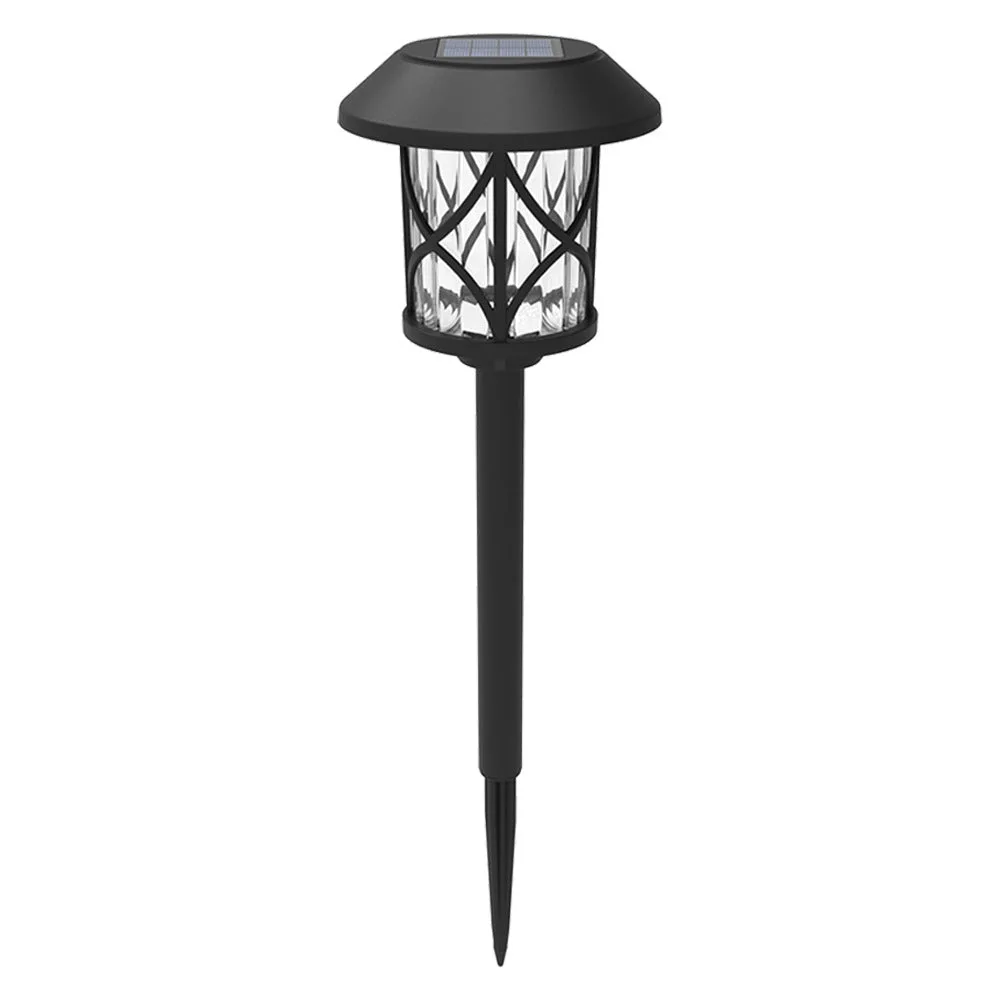
Quick answer
Most solar garden light stems last about two to three years before the rechargeable battery weakens, though the LED and solar panel often keep working longer. You can extend that by cleaning the panel monthly, keeping the stems out of deep shade, and replacing the battery when the glow time drops noticeably. If your stems are part of a set like the Pair Of Solar Garden Lights Stems, treat the battery as the first part to check when performance fades.
What actually wears out first on a solar light stem?
The rechargeable battery is almost always the first component to fade. It sits in the stem base or a small compartment, charging by day and discharging at night. After a few hundred charge cycles, it holds less energy, so the light dims earlier in the evening or stops altogether. The solar panel and LED are more durable, but the panel can lose efficiency if dust, pollen, or bird droppings block sunlight. The stem itself—usually plastic or coated metal—can crack or cloud over time, especially if it is knocked by a mower or sits in standing water.
How do I know if my stems need care or replacement?
Run a simple three-night test. First, confirm the stems get at least six hours of direct sun; if they are shaded, move them before assuming failure. Second, clean the solar panel with a damp cloth and check that the light sensor (a small dot near the panel) is not covered by dirt or a decorative cap. Third, note how long the light stays on after dusk. If it runs less than four hours on a sunny day, the battery is likely the culprit. If the light never turns on even after a full sunny day and a clean panel, the issue may be a corroded battery contact or a failed sensor.
Can I replace the battery in a solar light stem?
Many solar garden light stems use a standard rechargeable cell, often a 1.2V NiMH or similar button or cylindrical battery. Check the stem base or the solar panel housing for a small screw or twist-off compartment. If the battery is soldered in, replacement is harder and may not be worth the effort for a low-cost stem. When you do replace it, match the voltage and size exactly; a higher-voltage battery can damage the LED. After swapping, charge the stem in full sun for a day before expecting normal nighttime performance.
How should I clean and store solar light stems?
Wipe the solar panel with a soft, damp cloth every few weeks during pollen season. Avoid abrasive cleaners or scratching the panel surface. For the stem and decorative parts, rinse with plain water and let them dry fully before putting them back. If you store stems for winter in a cold climate, remove the battery and keep it indoors at room temperature; leaving a discharged battery in freezing conditions can shorten its life. Bring the stems inside or cover them if you expect heavy snow or ice that could crack the plastic.
What outdoor conditions shorten solar light stem life?
Constant shade, standing water, and extreme heat are the main enemies. A stem that sits in a puddle will corrode its battery contacts faster. A panel that is shaded by a shrub or wall will never fully recharge, so the battery cycles deeper and dies sooner. High heat can also degrade the battery and fade plastic over time. If you live in a region with harsh summers, choose a spot with afternoon shade for the panel if possible, but still enough morning sun to charge. The goal is steady, consistent charging without cooking the electronics.
Solar stem care quick answers
How long do solar garden light stems last?
Expect about 2–3 years of good performance before the battery fades. The LED and panel may last longer, but the battery is the limiting part. If your stems are older than two years and dim early, replace the battery first.
Why do my solar lights stop working?
Common causes are a dirty solar panel, a shaded location, a worn-out battery, or corroded battery contacts. Test one change at a time: clean, reposition, then replace the battery. Clean the panel and check sun exposure before buying replacements.
Can I replace the battery in a solar light stem?
Yes, if the battery compartment is accessible. Match the voltage and size exactly, and charge in full sun for a day before use. Soldered batteries are not worth replacing on low-cost stems.
How do I care for solar light stems in winter?
Remove the battery and store it indoors at room temperature. Bring the stems inside or cover them if heavy snow or ice is likely. Cold storage with a discharged battery shortens its life.
Product facts
- Pair Of Solar Garden Lights Stems: Solar Firefly String Lights – Magical Glow for Any Outdoor Space. Create a dreamy garden ambiance with solar-powered lights that dance like fireflies. Swaying Firefly Effect: Each stem moves with the wind, mimicking floating fireflies for a mesmerizing glow. Solar-Powered Elegance: Charges by day and lights up at night—no wires or electricity needed. Weatherproof & Durable: Built to withstand rain, heat. Because these stems are weatherproof and solar-powered, the main maintenance tasks are cleaning the panels and replacing the battery when the glow time shortens. The swaying effect means the stems move, so check that they are not tangled or blocked from sunlight.
- Solar Mandala Wall Lights (2 pcs): Solar Mandala Wall Lights – Color-Changing Outdoor Décor. Projects stunning mandala patterns with vibrant color-changing LEDs. Solar Powered: Charges during the day and lights up automatically at night—no wiring or electricity needed. Weather Resistant: Built to withstand rain, sun. If you also use solar wall lights, the same battery-care rules apply. Color-changing LEDs can draw slightly more power, so a weak battery may show up as fewer colors or shorter run time.
- Solar Ground Light (4pcs): Solar ground Lights with 4 Stakes – Illuminate Your Outdoors Efficiently. Eco-Friendly Lighting: Powered by sunlight—no wiring or electricity needed. Automatic On/Off: Charges during the day and lights up automatically at night. Weatherproof & Durable: Built to withstand outdoor conditions all year round. Features: 3 Lighting. Ground lights face more dirt and moisture than hanging stems. Keep the panel clear of mud and leaves, and check the stake area for water pooling after heavy rain.