Quick Answer
When buying a solar lamp, focus on brightness (lumens), battery capacity, and weather resistance. Choose a lamp with at least 100 lumens for practical lighting, a battery that lasts through the night, and an IP65 rating for outdoor use. Consider your specific use case—decorative, security, or portable—to balance features and price.
Solar lamps are a popular choice for eco-friendly outdoor lighting, but with so many options, it's easy to get overwhelmed. Whether you're illuminating a garden path, adding ambiance to a patio, or preparing for a camping trip, understanding the key features can make your decision much easier.
This guide breaks down the essential solar lamp features—brightness, battery life, durability, and more—so you can choose a lamp that meets your needs without overpaying. We'll also highlight common trade-offs and provide clear decision rules to help you shop with confidence.
Brightness: Lumens and Light Output
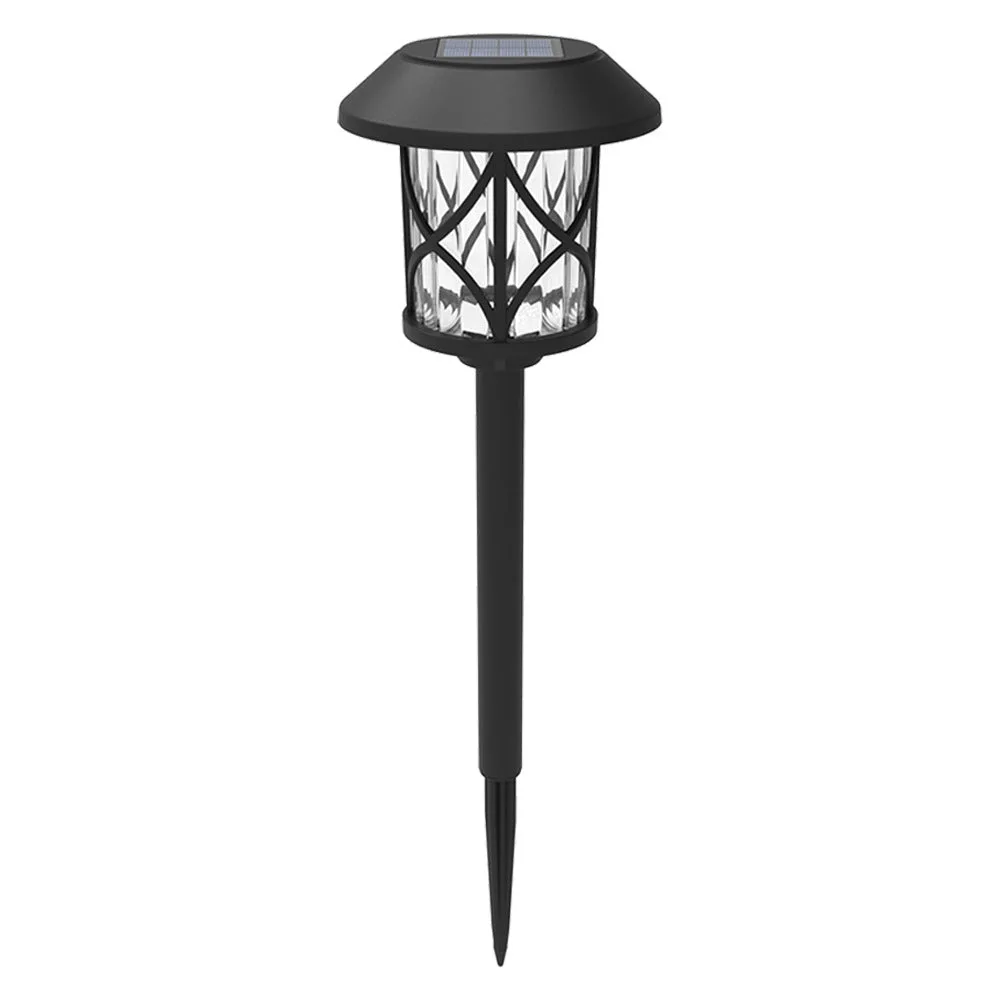
Brightness in solar lamps is measured in lumens. The higher the lumens, the brighter the light. For pathway lighting, 10-30 lumens is usually enough to mark edges. For security or task lighting, you'll want 100 lumens or more. Decorative lamps, like solar firefly lights, often have lower lumens but create a subtle, magical glow.
Check the product specifications for lumens. Some lamps may list wattage instead, but lumens are a more accurate measure of visible brightness. Keep in mind that higher brightness often drains the battery faster, so balance your lighting needs with battery life.
- Match lumens to your purpose: 10-30 for accent, 100+ for task lighting.
- Look for lamps with adjustable brightness or multiple modes to save energy.
Battery Life and Charging
Battery life determines how long your solar lamp will shine after a full day of charging. Most solar lamps use rechargeable batteries like NiMH or Li-ion. A good solar lamp should provide 8-12 hours of light on a full charge, especially if it gets several hours of direct sunlight.
Consider the battery capacity (mAh) and the type of solar panel. Monocrystalline panels are more efficient than polycrystalline, especially in low light. If you live in a cloudy area, a larger battery and efficient panel are crucial. Some lamps also have a 'smart' feature that turns on automatically at dusk and off at dawn, saving battery life.
- Aim for at least 8 hours of runtime for overnight use.
- If you have limited sunlight, choose a lamp with a separate solar panel for flexible placement.
Durability and Weather Resistance
Outdoor solar lamps must withstand rain, heat, and sometimes snow. Look for an IP (Ingress Protection) rating. IP65 means fully protected against dust and low-pressure water jets, making it suitable for most outdoor conditions. IP67 is even better for temporary submersion.
Materials matter too: stainless steel and ABS plastic are common. Check if the lamp is UV-resistant to prevent fading. Also, consider the lamp's design—some are more prone to water pooling, so a sealed unit is preferable. For garden lights that move with the wind, ensure they are sturdy enough to handle gusts.
- For outdoor use, choose at least IP65.
- Avoid placing solar lamps in areas with heavy foot traffic to prevent damage.
Light Modes and Sensors
Many solar lamps offer multiple light modes: steady, flashing, or motion-activated. Motion sensors are great for security lights, as they only activate when movement is detected, saving battery. Some decorative lamps have a 'firefly' flicker effect, which is more about ambiance than illumination.
Consider whether you want automatic on/off via a light sensor. This is convenient but may not work well if the lamp is in a shaded area. Some models allow you to override the sensor manually. Think about how you'll use the lamp and choose modes that fit your routine.
- Motion sensors extend battery life but may not cover the entire area continuously.
- For decorative purposes, a flicker mode can be more charming than a steady light.
Decision Rules for Buying a Solar Lamp
- Define your primary use: Are you lighting a walkway, adding ambiance, or needing task light? This determines lumens, beam angle, and style. Checkpoint: If it's for security, choose a bright, motion-activated lamp. For ambiance, lower lumens are fine.
- Check the battery capacity and panel type: Look for at least 1000mAh battery and a monocrystalline panel for efficient charging in varying weather. Verdict: A larger battery and efficient panel are worth the extra cost if you have limited sun.
- Verify the IP rating: For outdoor use, IP65 or higher is essential to resist rain and dust. If the lamp will be near a pool, consider IP67. Next step: If the IP rating isn't listed, ask the seller or choose a different product.
- Consider the light modes and sensor: Decide if you need motion detection, dusk-to-dawn auto mode, or decorative flicker. More modes can mean more flexibility but also higher price. Checkpoint: Choose a lamp with modes that match your daily routine to save battery.
Solar Lamps We Recommend
- Pair Of Solar Garden Lights Stems: Solar Firefly String Lights – Magical Glow for Any Outdoor Space. Each stem moves with the wind, mimicking floating fireflies for a mesmerizing glow. Solar-powered, charges by day and lights up at night—no wires or electricity needed. Weatherproof & durable, built to withstand rain, heat, and more. These garden lights are perfect if you want a decorative, low-maintenance option. Their weatherproof design ensures they hold up outdoors, and the wind-swaying effect adds a dynamic touch to your garden without increasing electricity bills.
- Purse Heart Lamp: Find What You Need in a Flash – The ultimate handbag light to illuminate your bag in seconds! Touch-activated light stays on for 16 seconds for quick searches. Compact and lightweight design fits any bag or backpack with ease. Rechargeable design. If you're looking for a portable, rechargeable solar lamp for indoor or on-the-go use, this heart lamp is a practical choice. It's not for outdoor lighting, but its touch sensor and compact size make it ideal for finding items in your bag or as a nightlight.
Which Solar Lamp Fits Your Needs?
Best for
- Garden owners who want decorative, low-maintenance lighting that adds ambiance without wiring.
- Campers and hikers needing a portable, rechargeable light source for emergencies or evening activities.
Not for
- Those needing high-intensity security lighting that requires consistent, bright illumination all night.
- Indoor use where sunlight is not accessible; consider plug-in or battery-powered alternatives.
Choosing the right solar lamp doesn't have to be complicated. Focus on the key features—brightness, battery life, durability, and modes—that match your specific use case. Whether you're adding a magical glow to your garden with solar stems or need a portable light for your bag, there's a solar lamp that fits. Use our decision rules to weigh trade-offs and make a purchase you'll be happy with for years to come.