Quick Answer
Solar lights often stop working after rain due to water ingress, corroded contacts, or a faulty battery. To fix them, dry out the unit, clean the contacts, and replace any damaged batteries. For long-term prevention, choose lights with proper IP ratings, seal openings, and elevate them to avoid pooling water.
Rain can be a silent killer for solar lights. You check your garden after a storm and find your lights dim or completely dead. This is a common frustration, but the good news is that many issues are fixable. In this guide, we'll walk you through why solar lights fail after rain, how to diagnose the problem, and practical steps to repair and prevent water damage.
Understanding the root causes—from water seepage to corrosion—will help you extend the life of your lights and keep your outdoor space glowing. We'll also share tips on choosing more resilient options and maintaining them properly.
Why Solar Lights Fail After Rain
Solar lights are exposed to the elements, and rain can introduce moisture into the housing. Even with seals, temperature changes can cause condensation inside the unit. This moisture can corrode the metal contacts, short-circuit the electronics, or damage the rechargeable battery.
Another common issue is water pooling around the base of the light. If the solar panel is at ground level or in a low spot, rainwater can submerge the panel and seep into the casing. Over time, this repeated exposure weakens the seals and leads to failure.
- Check the IP rating: Look for IP65 or higher for outdoor use.
- Inspect seals and gaskets regularly for cracks or wear.
Diagnosing the Problem: Is It Water Damage or Something Else?
Before you take apart your solar light, determine whether water is the culprit. If the light worked before the rain and stopped immediately after, moisture is likely. Other signs include visible condensation inside the lens, rust on the battery contacts, or a faint buzzing sound when shaking the unit.
If the light hasn't worked for a while, the battery may have simply reached the end of its life. Solar batteries typically last 1-2 years. Also, check if the solar panel is dirty or shaded, as this can prevent charging.
- Perform a simple test: Bring the light indoors, dry it thoroughly, and see if it works after a day in the sun.
Step-by-Step Fix for Water-Damaged Solar Lights
If you suspect water damage, start by disassembling the light. Most solar lights have screws on the back or bottom. Carefully open the casing and inspect the inside. Remove the battery and set it aside. Use a soft cloth to dry all components, and a cotton swab with rubbing alcohol to clean corroded contacts.
Allow all parts to air dry completely for 24-48 hours. If the battery is swollen or shows signs of leakage, replace it with a new rechargeable battery of the same type (usually AA or AAA NiMH). Once everything is dry, reassemble the light and test it in direct sunlight.
If the light still doesn't work after cleaning and drying, the circuit board may be damaged. In that case, it's often more cost-effective to replace the light rather than attempt complex repairs.
- Use a hairdryer on a cool setting to speed up drying, but avoid overheating.
- Apply a thin layer of dielectric grease to contacts to prevent future corrosion.
Prevention: How to Keep Your Solar Lights Working Through Rain
Prevention starts with choosing the right lights. Look for solar lights with an IP65 rating or higher, which means they are dust-tight and protected against water jets. Also, consider the design: lights with a downward-facing solar panel or a drip edge are less likely to collect water.
During installation, place lights in areas where water doesn't pool. Elevate them on stakes or mounts. After heavy rain, wipe down the solar panel and check for moisture. Regularly inspect and replace worn gaskets. Applying a clear sealant around the seams can add an extra layer of protection.
For areas with extreme weather, you might opt for solar lights with detachable solar panels that can be mounted under an eave, keeping the panel dry while the light stays in the garden.
- Clean solar panels monthly to ensure maximum charging efficiency.
- Bring portable solar lights indoors during severe storms or winter.
When to Replace Instead of Repair
Sometimes, the damage is too severe. If you've dried and cleaned the light, replaced the battery, and it still doesn't work, the internal circuitry is likely fried. Also, if the casing is cracked or the seal is broken beyond repair, water will keep getting in.
In these cases, replacing the light is the smarter choice. When shopping for new solar lights, invest in higher-quality options with solid construction and good warranties. This saves you money in the long run compared to frequent replacements.
- If a light has failed twice from water damage, replace it with a more waterproof model.
Diagnosis: Is Your Solar Light Worth Saving?
- Symptom: Light doesn't turn on after rain: Look for visible moisture, condensation, or corrosion inside the battery compartment. If moisture is present, proceed to dry and clean the unit.
- Likely cause: Water ingress or corroded contacts: Open the casing, dry all parts, clean contacts with rubbing alcohol, and allow to air dry. If cleaning resolves the issue, continue with prevention measures.
- Corrective action: Replace battery if needed: If the battery is swollen or old, replace it with a new NiMH rechargeable battery of the same size. If the light works after battery replacement, you're done.
- Stop point: When to choose another option: If the light still fails after drying, cleaning, and battery replacement, or if the casing is cracked, stop repairing and consider a more weather-resistant alternative. Replace the light or switch to plug-in options for reliable outdoor lighting.
Product Facts: Solar-Powered Options from Brightech
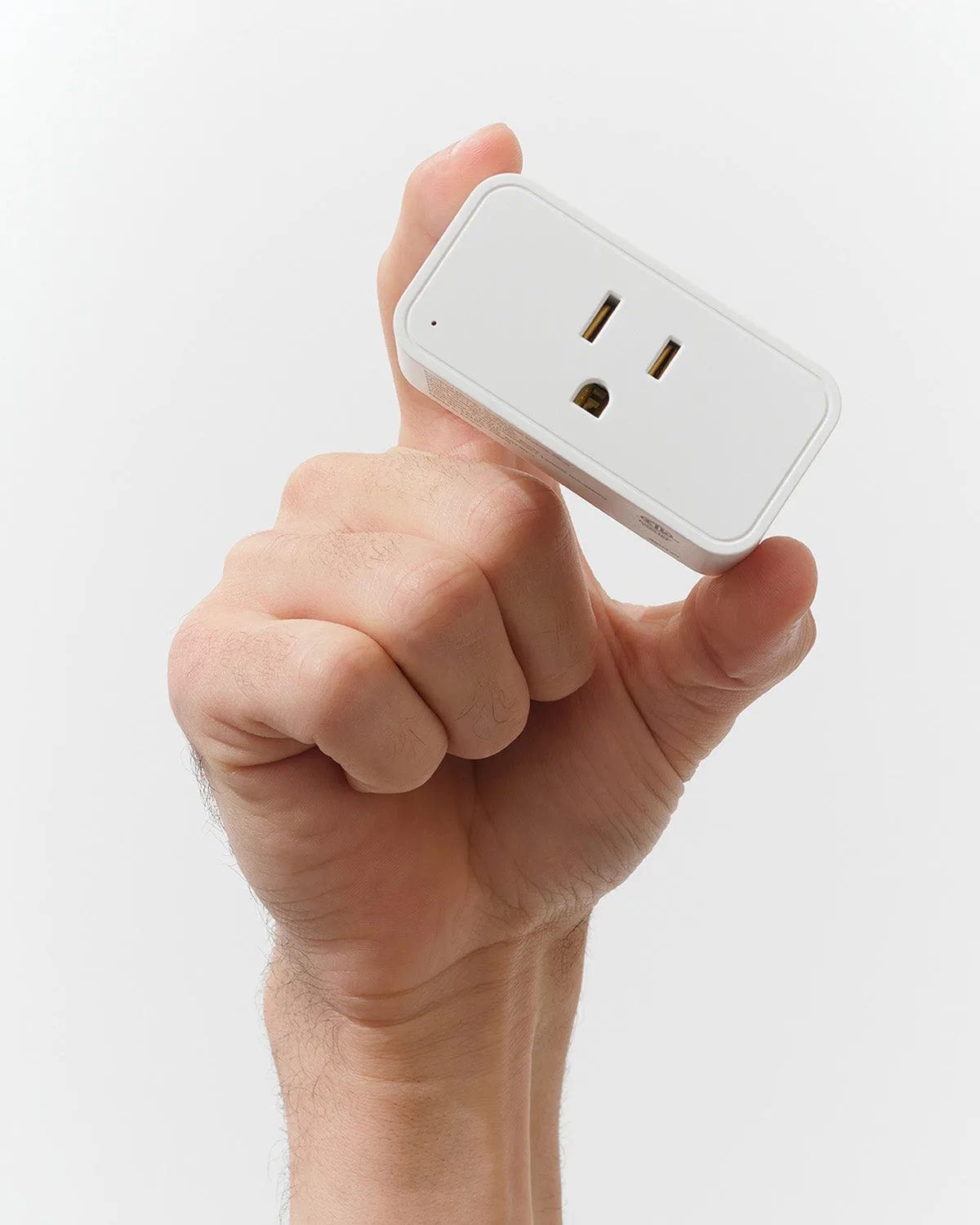
- Outdoor Smart Plug: Our Smart WiFi Outdoor Plug lets you power string lights 100 percent hands-free, compatible with Alexa and Google Home. If you're tired of solar lights failing, switching to plug-in string lights controlled by a smart plug gives you reliable, weatherproof lighting without battery or solar panel issues.
- Indoor Smart Plug: Using our Smart WiFi Indoor Plug, you can control your indoor appliances with just the sound of your voice, synced to a smart app. For indoor lighting that never faces rain, pair a table lamp with this smart plug to create cozy, voice-controlled ambiance that's unaffected by weather.
Rain doesn't have to spell the end for your solar lights. By understanding the causes of water damage and following the diagnostic steps above, you can fix many issues and extend the life of your lights. For those ready to upgrade, consider weatherproof alternatives like our Outdoor Smart Plug to power string lights reliably, rain or shine.