If you already own a smart bird feeder or are planning to upgrade your backyard setup, a solar roof accessory can be a game-changer. It keeps the feeder powered, reduces battery changes, and adds a sleek, eco-friendly touch to your garden. But with several options on the market, how do you pick the right one? This buying guide breaks down the essential features to look for in a solar roof bird feeder accessory, helping you make an informed purchase that suits your specific feeder model and birdwatching habits.
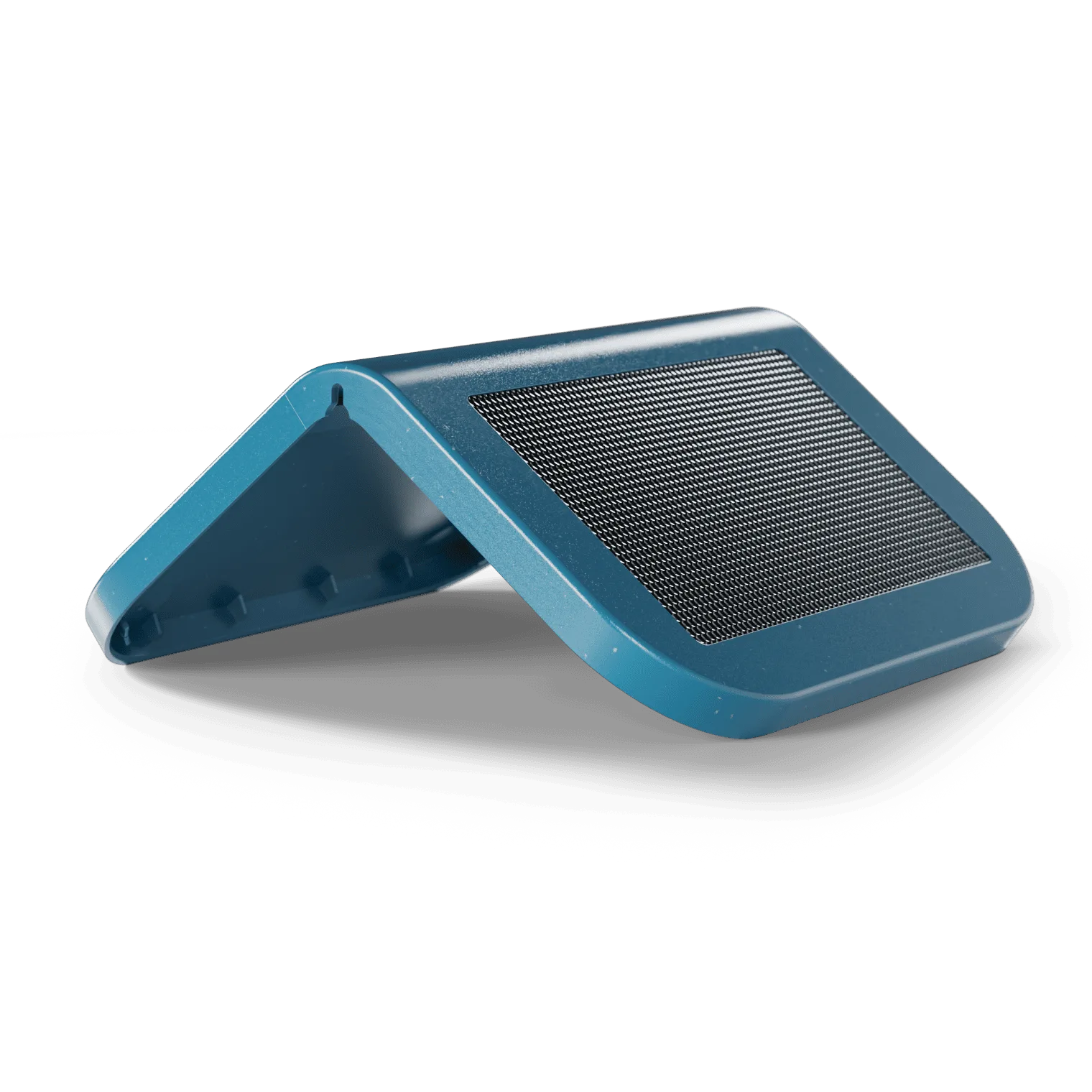
solar roof
Whether you are drawn to the convenience of continuous solar charging or simply want to extend the life of your feeder’s electronics, understanding the differences between solar roof designs is crucial. We’ll cover compatibility, power output, weather resistance, and installation ease—so you can choose the perfect solar roof for your bird feeder without any guesswork.
Why Add a Solar Roof to Your Bird Feeder?
A solar roof does more than just protect the bird feed from rain and snow. Integrated solar panels convert sunlight into electricity, which can power the feeder’s camera, sensors, and Wi-Fi connectivity. This means fewer trips to swap batteries and a more reliable monitoring experience—especially during long stretches of sunny weather. For avid birdwatchers, a solar roof ensures you never miss a moment of hummingbird or finch activity due to a dead battery.
Beyond functionality, a solar roof adds a polished, modern aesthetic to your feeder. It often replaces a standard top cap, blending seamlessly with the feeder’s design. Brands like Birdbuddy offer dedicated solar roof options that are engineered to fit specific feeder lines, ensuring a snug, weatherproof seal.
- Reduces battery replacement frequency
- Provides consistent power for smart features
- Enhances feeder durability against the elements
Key Features to Consider in a Solar Roof Bird Feeder Accessory
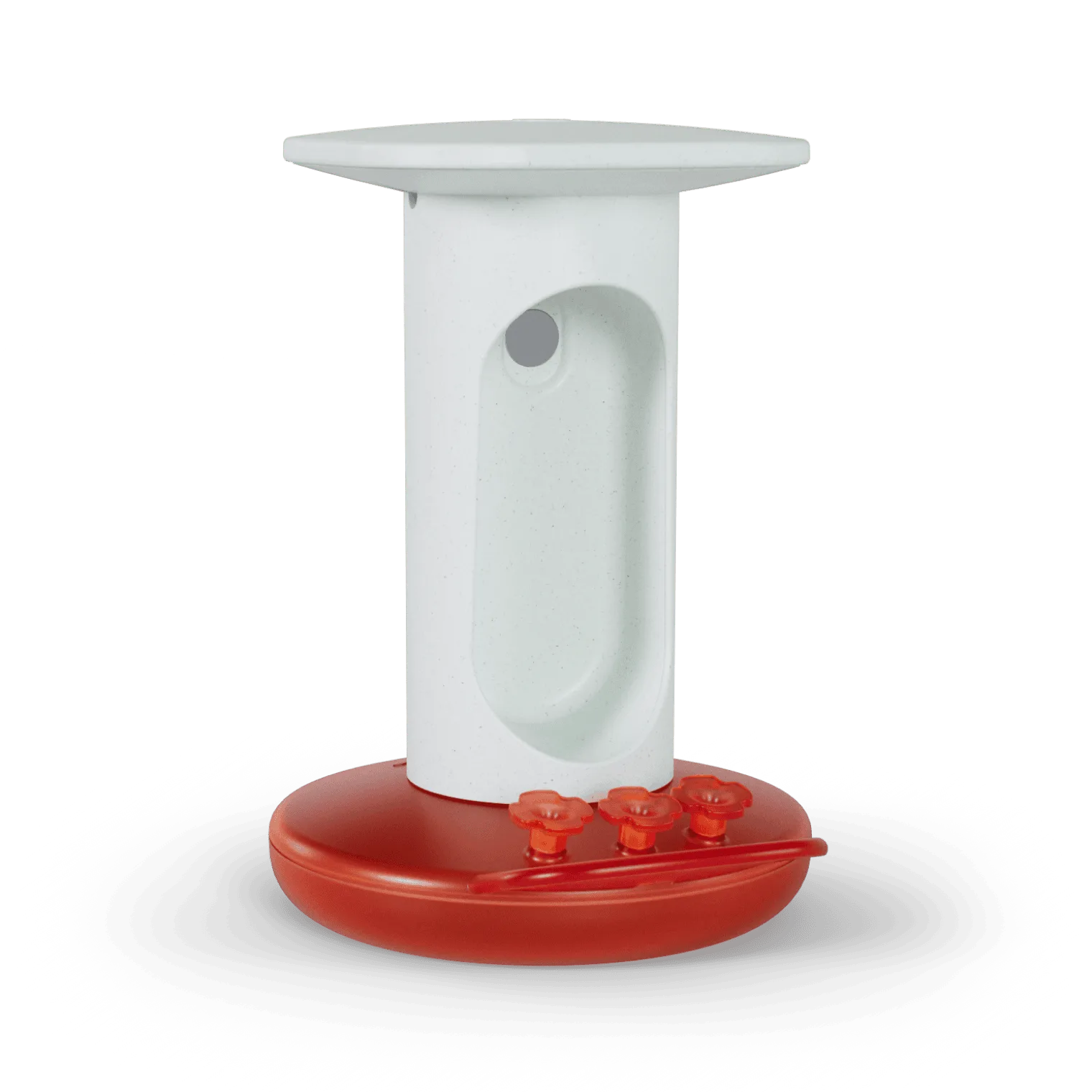
When shopping for a solar roof, start by checking compatibility. Most solar roofs are designed for a particular feeder model or range. For example, the Solar Roof from Birdbuddy is made to work with the Nature Station line, while the Smart Hummingbird Feeder Solar Roof fits the hummingbird feeder series. Always verify that the mounting mechanism and size match your feeder’s top opening. A mismatched roof may not seal properly, letting moisture inside.
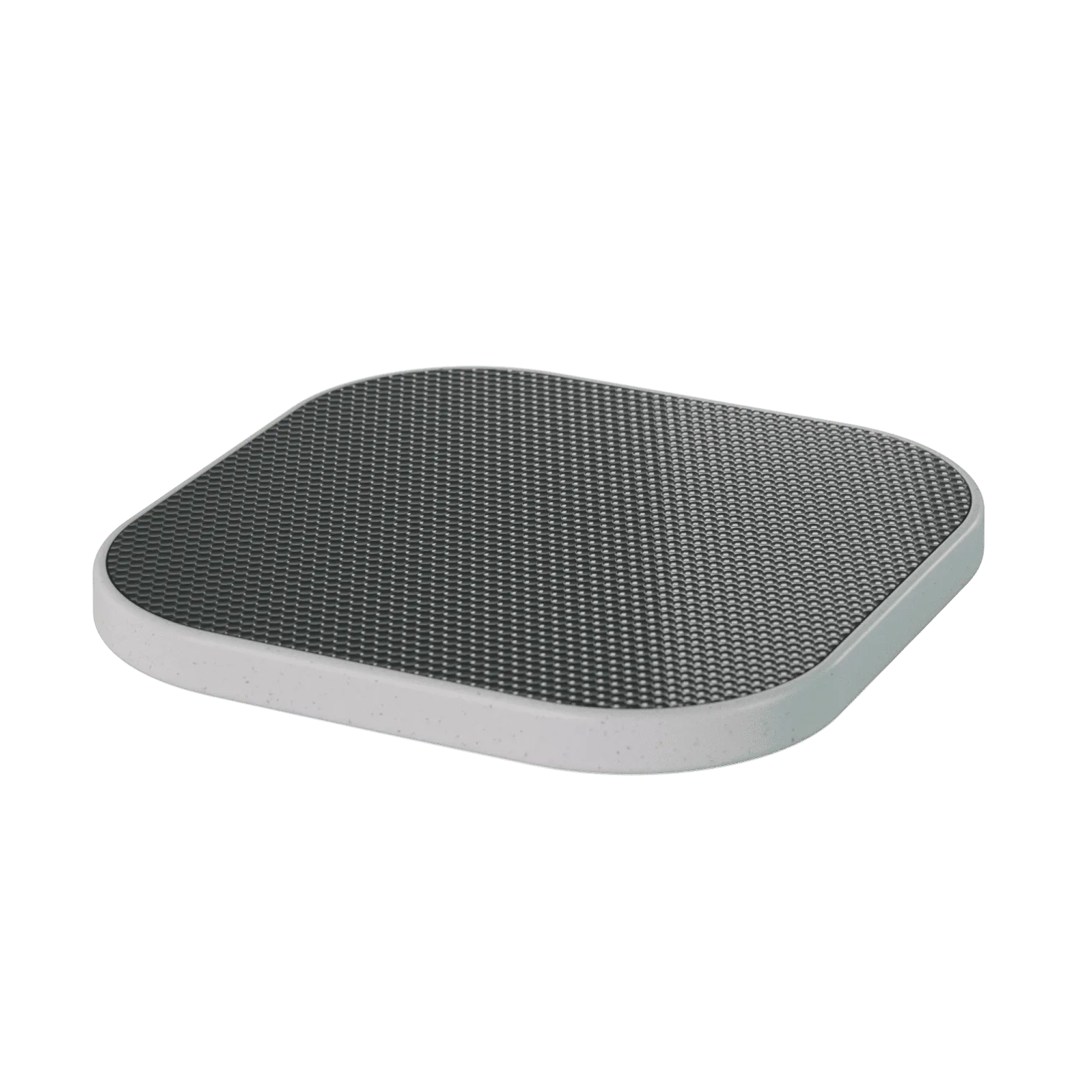
Smart Hummingbird Feeder Solar Roof
Next, evaluate the solar panel’s output—typically measured in watts or milliamps. Higher output means faster charging, but it also depends on the panel’s size and efficiency. Look for monocrystalline panels, which perform better in low light. Also consider storage: some solar roofs have a built-in rechargeable battery that stores energy for nighttime or cloudy days. The https://nexaelectroai.shop/products/smart-hummingbird-feeder-pro-solar-221218Smart Hummingbird Feeder Pro Solar is an all-in-one unit with an integrated solar roof and battery, ideal if you want a complete solution.
- Check compatibility with your feeder brand and model
- Look for high-efficiency monocrystalline panels
- Consider options with a built-in rechargeable battery for 24/7 coverage
Comparing Birdbuddy Solar Roof Options
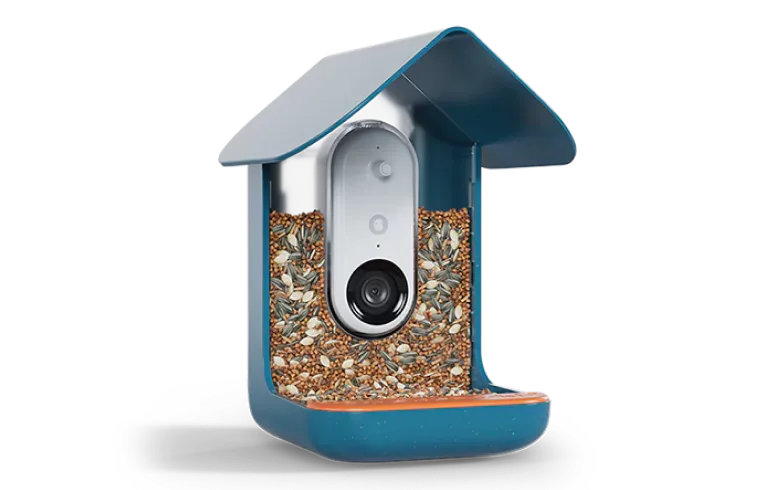
Birdbuddy offers a couple of distinct solar roof accessories tailored to different feeders. The Solar Roof is a standalone accessory designed for the Nature Station range. It clips onto the feeder’s top and provides a generous solar panel surface to keep the built-in battery topped up. It’s a simple, affordable upgrade if you already own a Nature Station. On the other hand, the Smart Hummingbird Feeder Solar Roof is made specifically for the hummingbird feeder series. It has a slightly smaller footprint but uses the same high-efficiency panel technology.
For those starting from scratch, the Smart Hummingbird Feeder Pro Solar bundles a premium hummingbird feeder with a built-in solar roof, so you get a complete, ready-to-use system out of the box. This eliminates compatibility concerns and ensures the electronics are perfectly matched to the solar charging circuit. Choose the separate roof if you want to upgrade an existing feeder, or the integrated model for a seamless new setup.
- Solar Roof: Best for upgrading Nature Station feeders
- Smart Hummingbird Feeder Solar Roof: Tailored for hummingbird feeders
- Smart Hummingbird Feeder Pro Solar: All-in-one solution with solar included
Installation and Weather Resistance Tips
Most solar roof accessories are designed for easy, tool-free installation. They typically snap or twist onto the feeder’s top. However, you should ensure the roof is fully seated and that any rubber gaskets are in place to prevent water ingress. If your solar roof doesn’t include a gasket, consider adding a thin silicone seal around the edge for extra protection during heavy rain.
Weather resistance is critical because the roof is constantly exposed to sun, rain, and snow. Look for an IP rating—IP44 or higher means the accessory is protected against splashing water and dust. The Birdbuddy solar roofs are built with UV-resistant plastics and tempered glass panels, so they can withstand years of outdoor use. Also, remember to clean the solar panel periodically with a soft cloth to maintain maximum charging efficiency.
- Follow the manufacturer’s installation guide for a secure fit
- Inspect gaskets and seals before mounting
- Clean the solar panel every few weeks to remove dust and pollen
Adding a solar roof to your bird feeder is a smart investment in convenience, sustainability, and uninterrupted birdwatching. Whether you opt for the standalone Solar Roof or the integrated Smart Hummingbird Feeder Pro Solar, you’ll enjoy fewer battery changes and a more reliable smart feeder experience. Explore the Smart Hummingbird Feeder Solar Roof to see how it fits your existing setup and start powering your feeder with free energy from the sun.