Two Decks, One Origin – Which Suits You?
Both the Solitaire17 Standard Blue and the Solitaire17 Red Gilded LTD700 started as digital decks in the Solitaire17 app before becoming physical playing cards. They share the same bold horizontal index and standard faces, but their materials, finish, and collectibility differ. This guide compares the two so you can decide based on your priorities: everyday play, budget, or limited-edition collecting.
Key Product Facts
-
Solitaire17 Standard - Blue: Standard faces, bold index, back design with hot foil application. Printed by WJPC (700 units). Paper stock: Art Paper white core with linen finish. The Blue deck is a standard edition, making it more affordable and suitable for regular play, though the paper stock is noted as thicker than standard with room for improvement.
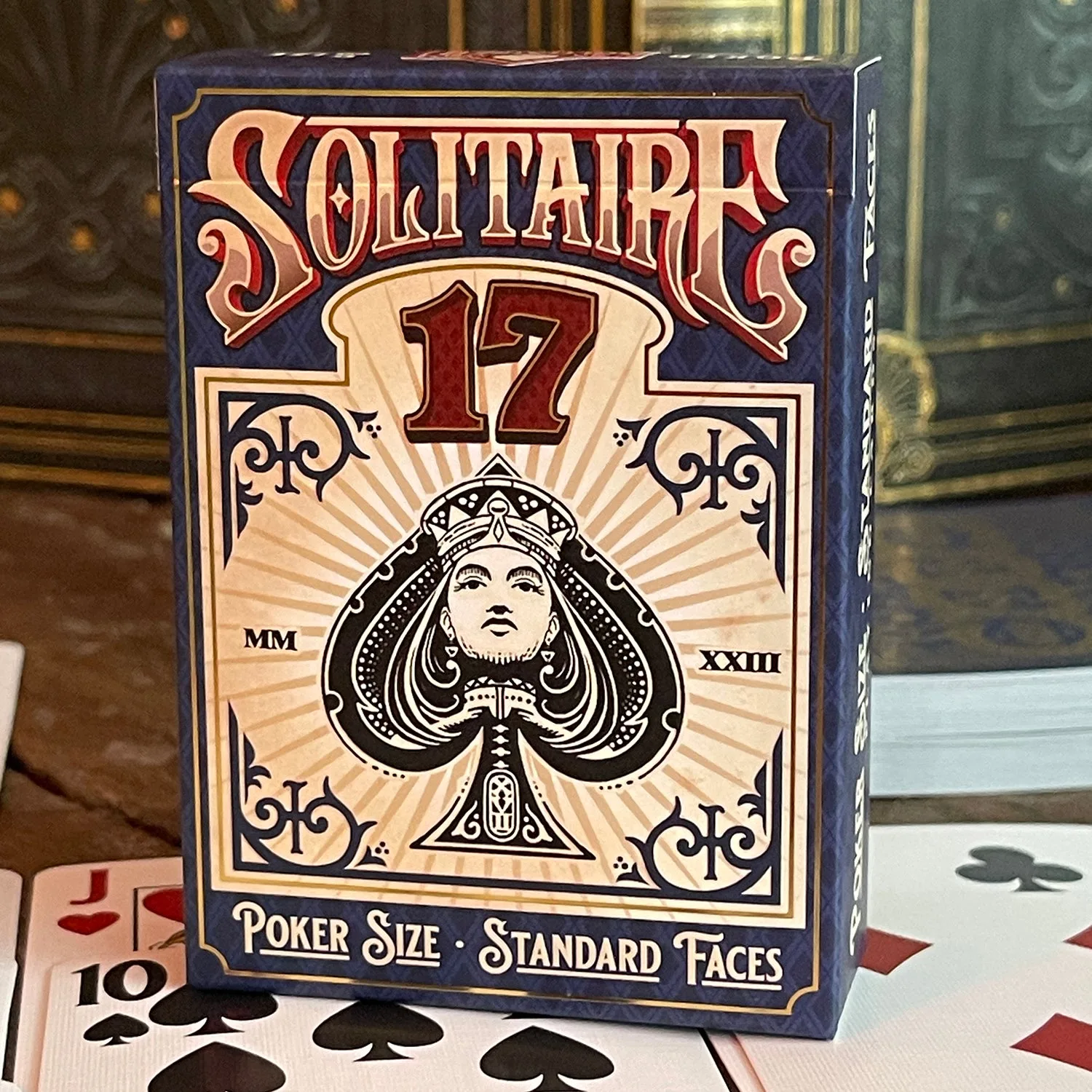
Solitaire17 Standard - Blue
-
Solitaire17 - Red - Gilded LTD700: Solitaire17 XXL One Way Horizontal Index - Gilded edges. Numbered seal and gilded edges in gold. Printed by WJPC (700 units). Paper stock: Art Paper white core with linen finish. The Red Gilded deck is a limited edition with gold gilded edges and a numbered seal, appealing to collectors who value exclusive finishes and the digital-to-physical transition story.

Solitaire17 - Red - Gilded LTD700
Solitaire17 Blue vs Red Gilded: Key Differences
- Edition and Rarity: The Blue deck is a standard edition (700 units) with no gilding. The Red Gilded is a limited edition of 700 units, has gold gilded edges, and a numbered seal, making it more collectible.
- Price: The Blue deck is priced at USD 8.76 (catalog comparison price USD 12.00). The Red Gilded deck is USD 21.70 (catalog comparison price USD 35.00). The Red Gilded costs significantly more due to the gilding and limited nature.
- Design and Finish: Both decks feature standard faces and a bold index. The Red Gilded has a one-way layout and oversized horizontal index. The Blue deck has a standard layout. The Red Gilded also has gold gilded edges and a full-bleed back design with hot foil, while the Blue deck has hot foil on the back but no gilding.
- Paper Stock and Handling: Both use Art Paper white core with linen finish. The catalog notes the paper is thicker than standard and that the current quality falls short of expectations. The Blue deck's catalog mentions plans for a future improved paper stock. Neither deck is confirmed to have superior handling for cardistry or magic.
- Intended Use: The Blue deck is a more affordable option for casual play or as a functional deck. The Red Gilded is positioned as a collector's item, especially for those who appreciate the digital-to-physical transition and gilded edges.
Which One Should You Pick?
If you want a deck for regular solitaire or casual card games and prefer to spend less, the Solitaire17 Standard Blue is a practical choice. It offers the same core design and bold index at a lower price, though the paper stock may not satisfy those seeking premium handling.
If you value limited-edition details, gold gilded edges, and the story of a digital deck becoming a physical collectible, the Solitaire17 Red Gilded LTD700 is the more exclusive option. Its higher price reflects the gilding, numbered seal, and lower production run.
What the Catalog Does Not Confirm
Neither deck's supplied evidence includes specific measurements for card thickness, weight, or durability. The catalog notes that the current paper stock has room for improvement, but does not quantify performance for cardistry or magic. Both decks are shipped from Texas with tracking, and customs fees may apply depending on destination.