Why Condensation Happens in Single-Wall Shelters
Condensation is a natural result of warm, moist air from your body meeting the cooler inner surface of a tent. In single-wall shelters like the PEAX Solitude 1, there is no separate fly to create an air gap, so moisture management depends on ventilation and site choice rather than fabric layers.
Because the Solitude 1 is made from silnylon, a lightweight coated fabric, it does not breathe like untreated nylon. The coating keeps rain out but also traps humidity inside if airflow is insufficient. Understanding this trade-off helps you reduce condensation without sacrificing weather protection.
Solitude 1 SilNylon Tent at a Glance
-
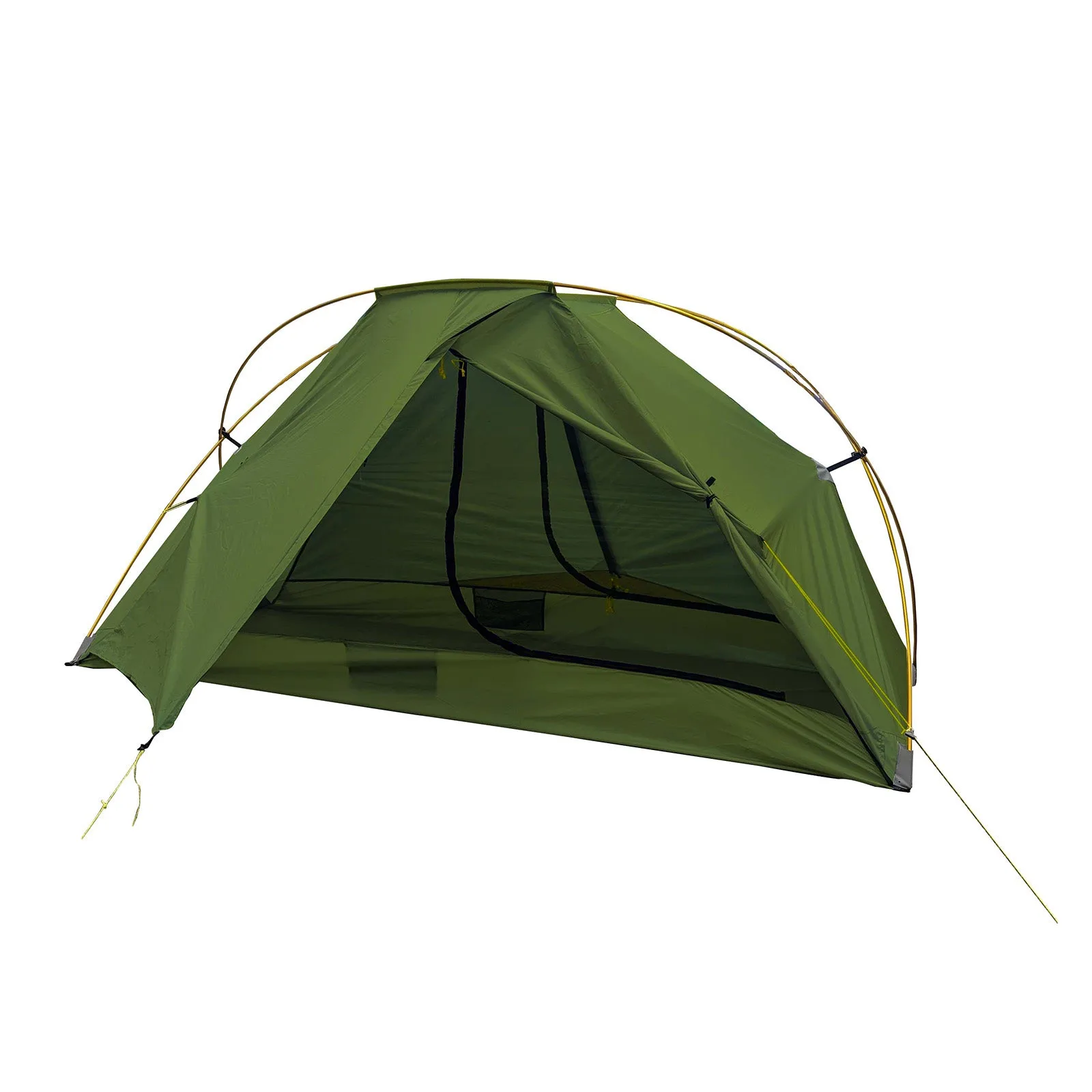
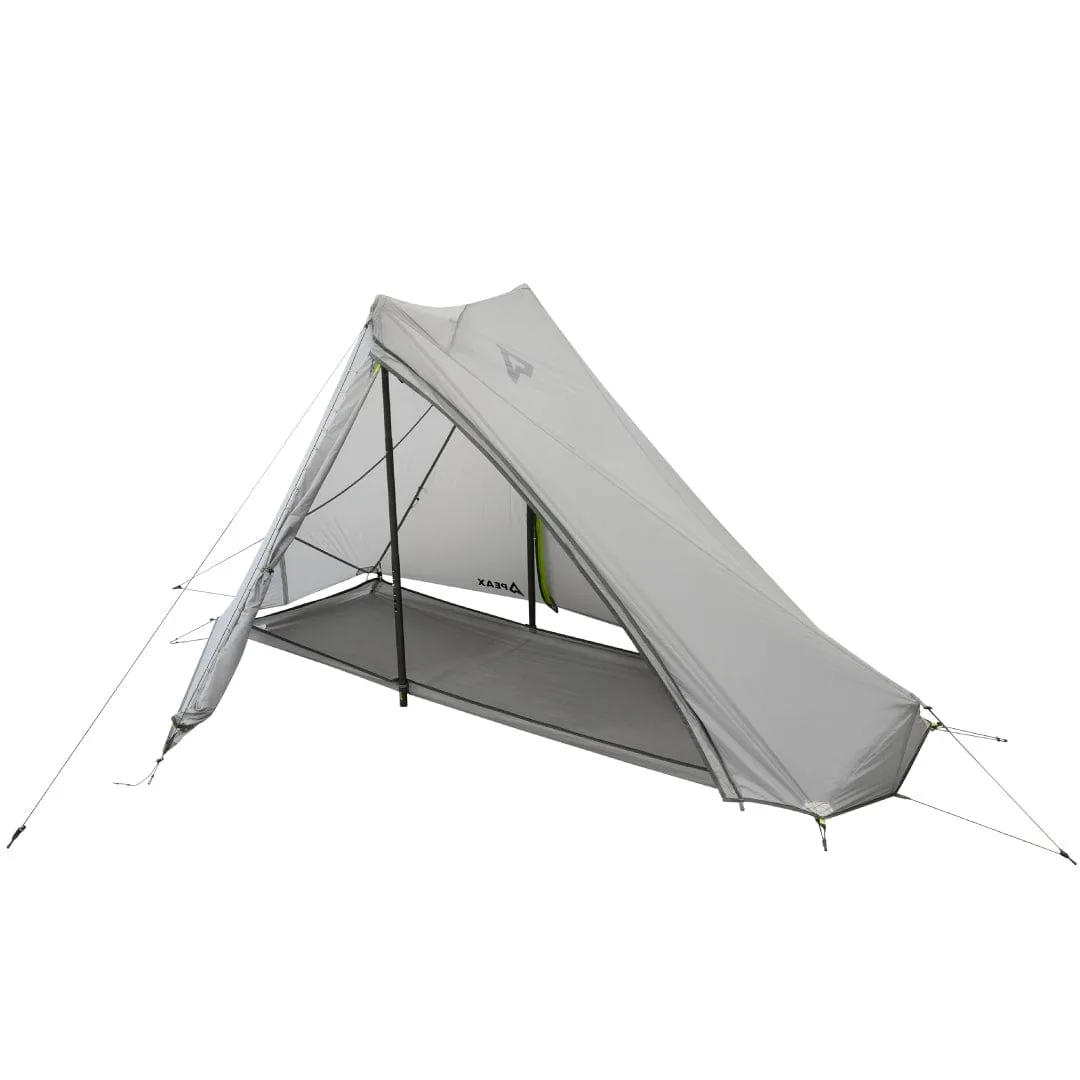
SOLITUDE 1 TENT [SILNYLON]: Ultralight shelters often force hunters to choose between packability and comfort. The PEAX Solitude 1 is an ultralight 1 person tent designed to maximize interior living space while maintaining the lightweight performance needed for demanding backcountry hunts. Its single-wall silnylon design saves weight but makes condensation management a key skill for comfortable nights.
SOLITUDE 1 TENT [SILNYLON]
-
SOLITUDE 1 TENT [SILNYLON]: With a compact footprint, weather-resistant construction, and room to recover after long days in the mountains, it delivers comfort without unnecessary bulk. The compact footprint limits floor area, so moisture from your sleeping bag and gear concentrates in a smaller volume. Good ventilation practices are essential.
Practical Tips for Managing Condensation
These suggestions are based on general single-wall tent care and the Solitude 1's design characteristics. Always follow the manufacturer's instructions for setup and care.
- Choose a well-ventilated campsite: Pitch in a location with some natural airflow, such as a ridge or open bench, rather than a sheltered hollow where moist air settles. Avoid low spots near water where humidity is higher overnight.
- Maximize vent openings: Open all available vents and the door partially if conditions allow. Even a small gap at the top or side helps warm, moist air escape before it condenses on the walls.
- Dry gear before packing: Shake off external moisture and air out your sleeping bag and clothing inside the tent during the day. Storing damp gear in a stuff sack inside the shelter adds to the moisture load.
- Wipe walls before striking camp: Use a small camp towel to remove condensation from the inner walls before packing. This prevents excess moisture from soaking into your gear and reduces mildew risk over time.
What the Supplied Information Doesn't Confirm
The catalog does not include specific numerical ventilation rates, recommended stake angles, or drying times for the Solitude 1. For detailed setup and care instructions, refer to the product manual that comes with your tent. The tips above reflect general practices for single-wall silnylon shelters and are not a substitute for manufacturer guidance.