Quick Answer
If your priority is cinematic image quality and lens flexibility, choose the Sony FX30. If you need a ready-to-shoot camcorder with a built-in lens and broadcast-style workflow, the PXW-Z150 is the better fit.
Sensor and Lens System: The Core Difference
The FX30 is a Cinema Line camera with a Super 35mm sensor, designed for interchangeable lenses. This gives you creative control over depth of field and the ability to adapt lenses from various systems. However, it also means you need to budget for lenses separately.
The PXW-Z150, on the other hand, features a 1-inch sensor with a built-in 12x optical zoom lens. It's a complete package out of the box, ideal for events, documentaries, and run-and-gun shooting where changing lenses isn't practical.
Form Factor and Workflow
The FX30's compact, mirrorless-style body is perfect for gimbal work, drones, or cage setups. It's a cinema camera that excels in controlled environments where you have time to rig it out.
The PXW-Z150 is a traditional camcorder with a shoulder-friendly form factor, XLR audio inputs, and built-in ND filters. It's built for fast-paced production where reliability and ergonomics matter more than cinematic aesthetics.
Trade-Offs at a Glance
- Image Quality vs. Convenience: The FX30 offers superior cinematic potential with its larger sensor and lens choice, but requires more setup. The PXW-Z150 delivers good 4K quality with zero lens hassle. Decide if you're willing to invest in lenses for the FX30 or prefer the all-in-one Z150.
- Audio and Ergonomics: The PXW-Z150 has built-in XLR inputs and a camcorder form factor, ideal for run-and-gun. The FX30 needs external audio gear and a cage for similar comfort. For event work, the Z150's audio and ergonomics save time; for cinema, the FX30's modularity wins.
- Budget and Accessories: The FX30's body price is lower, but you'll need lenses and accessories. The Z150 is a complete package, often costing more upfront but saving on extras. Calculate the total cost of ownership, not just the body price.
Key Product Facts
-
Sony FX30 Cinema Line Camera: The Sony FX30 Cinema Line Camera is in stock with a 1-year warranty and free UK delivery. You can start using it immediately, and the warranty adds peace of mind for professional work.
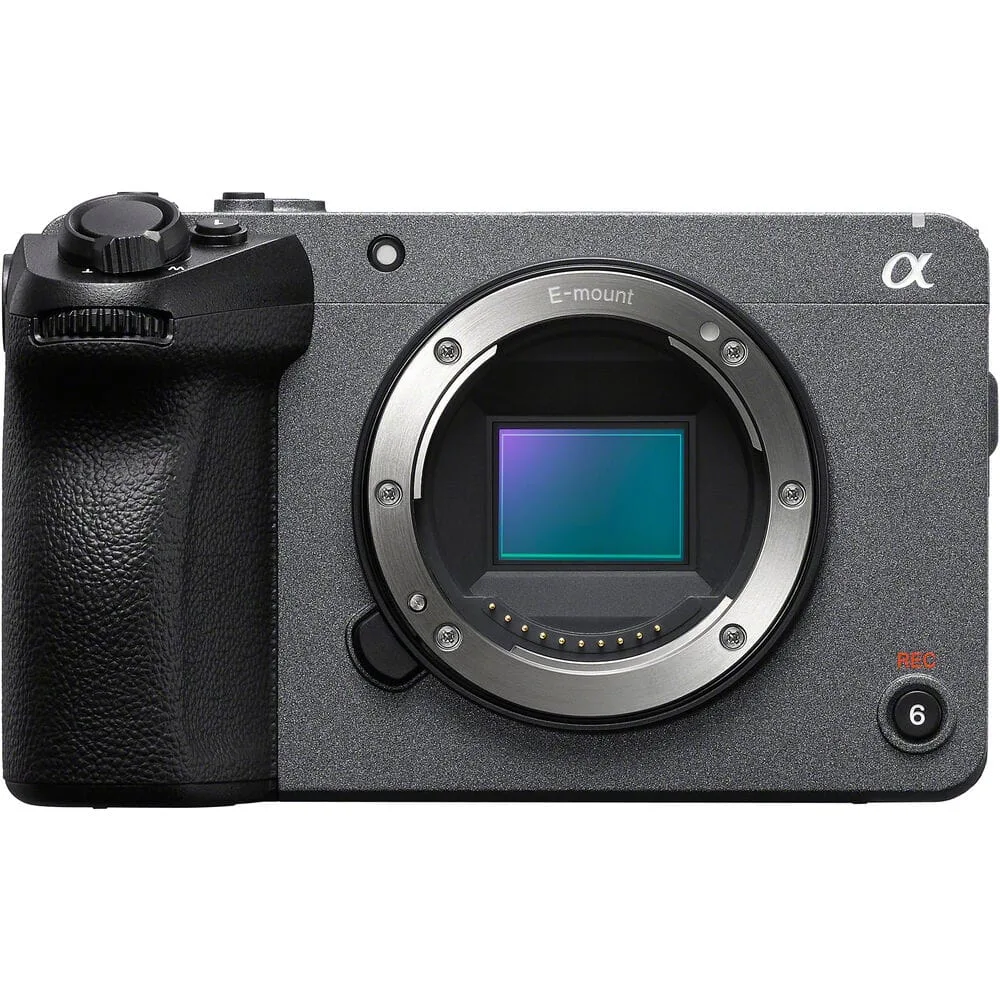
Sony FX30 Cinema Line Camera
-
Genuine Sony EU Power cord EU AC power cable For Sony Camera Battery Charger: The genuine Sony EU power cord is compatible with all chargers using a C7 (figure-8) socket and is 1.5 metres long. It's a practical spare for travel or studio use, ensuring your FX30 or other Sony gear stays powered.
Genuine Sony EU Power cord EU AC power cable For Sony Camera Battery Charger
Genuine Sony EU Power cord EU AC power cable For Sony Camera Battery Charger
Which Should You Choose?
Best for
- Filmmakers who want cinematic depth of field and lens flexibility
- Creators building a modular rig for gimbal or drone work
Not for
- Event videographers needing a ready-to-shoot camcorder with XLR audio
- Journalists who require a built-in zoom lens and broadcast-style workflow