Quick answer
Use the soy sauce when you want a rounder, slightly sweeter depth in cooked dishes, and reach for the tamari when you need a gluten-free swap or a cleaner, more savory dip. The 2-pack makes it easy to keep both on hand so you never have to guess.
Why the two bottles behave differently in the kitchen
Soy sauce and tamari are both fermented soybean seasonings, but they are not interchangeable in every situation. The key difference is that tamari is typically made with little or no wheat, while regular soy sauce usually includes wheat. That makes tamari the safer choice for gluten-free cooking. Flavor-wise, tamari tends to taste a bit richer and less sweet, with a more pronounced umami punch. Soy sauce is often slightly milder and rounder, which can be preferable in dishes where you don’t want the seasoning to dominate.
Because Momofuku’s versions are steeped with kombu, both have an extra layer of depth. That means you can use either one in many recipes, but the choice matters most when gluten is a concern or when you want a specific flavor profile. For a gluten free soy sauce swap, tamari is the direct substitute—no adjustments needed in most cases.
The exception: when the swap isn’t one-to-one
In delicate dishes like a light dipping sauce or a simple broth, the stronger flavor of tamari can overpower other ingredients if you use the same amount as soy sauce. Start with a little less tamari and add more to taste. Conversely, if you’re using soy sauce in a recipe that originally called for tamari, you may need a touch more to match the intensity. Also, remember that soy sauce contains wheat, so it is not a gluten-free swap—only tamari is.
Step-by-step: how to choose and use each bottle
- Check your diners’ dietary needs: If anyone at the table avoids gluten, plan to use tamari for their portion. Common mistake: assuming soy sauce is gluten-free—it usually contains wheat. When in doubt, set aside a serving with tamari before adding soy sauce to the main dish.
- Match the bottle to the cooking method: For marinades, stir-fries, and braises where the sauce cooks into the dish, either works—but soy sauce gives a rounder sweetness. For dipping sauces, dressings, and finishing drizzles, tamari’s sharper umami shines. Common mistake: using tamari in a long-simmered dish where its nuance gets lost. Save the tamari for raw or lightly cooked applications to appreciate its complexity.
- Adjust the amount when swapping: When using tamari instead of soy sauce, start with about three-quarters of the amount, taste, and add more if needed. Going the other way, you may need slightly more soy sauce. Common mistake: swapping one-for-one and finding the dish too salty or too flat. Always taste before serving and adjust gradually.
- Store both bottles properly: Keep both bottles in a cool, dark place until opened, then refrigerate after opening to preserve freshness. Common mistake: leaving them near the stove where heat degrades flavor. Label the date you opened each bottle if you don’t use them quickly.
Product facts
-
Soy Sauce & Tamari 2-Pack: Each pack contains an 8oz bottle of Momofuku Soy Sauce and an 8oz bottle of Momofuku Tamari, both steeped with kombu. Having both bottles means you can choose the right one for gluten-free needs or flavor without buying separate full-size bottles.
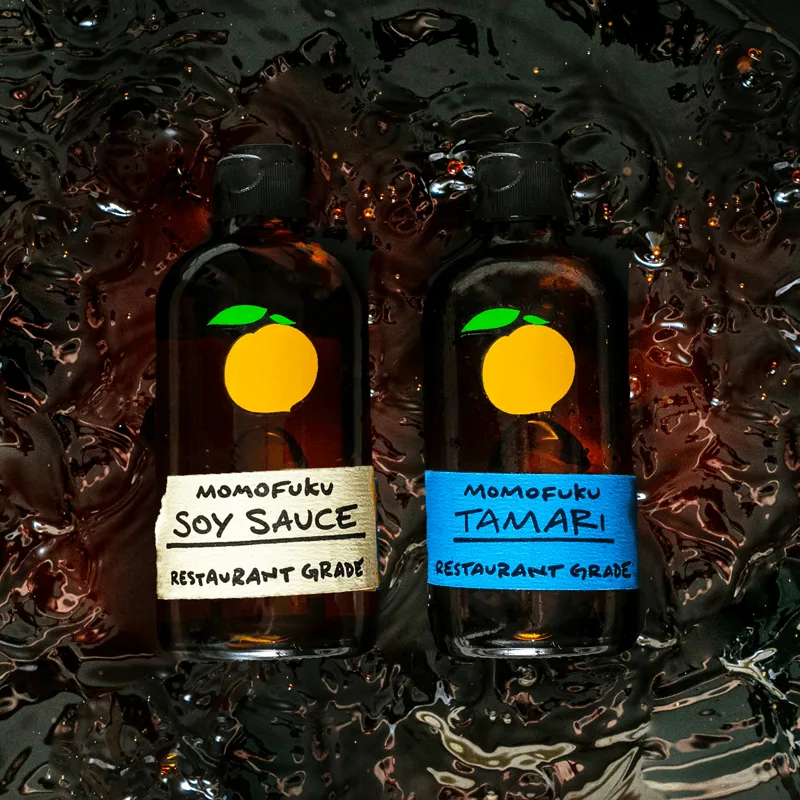
Soy Sauce & Tamari 2-Pack