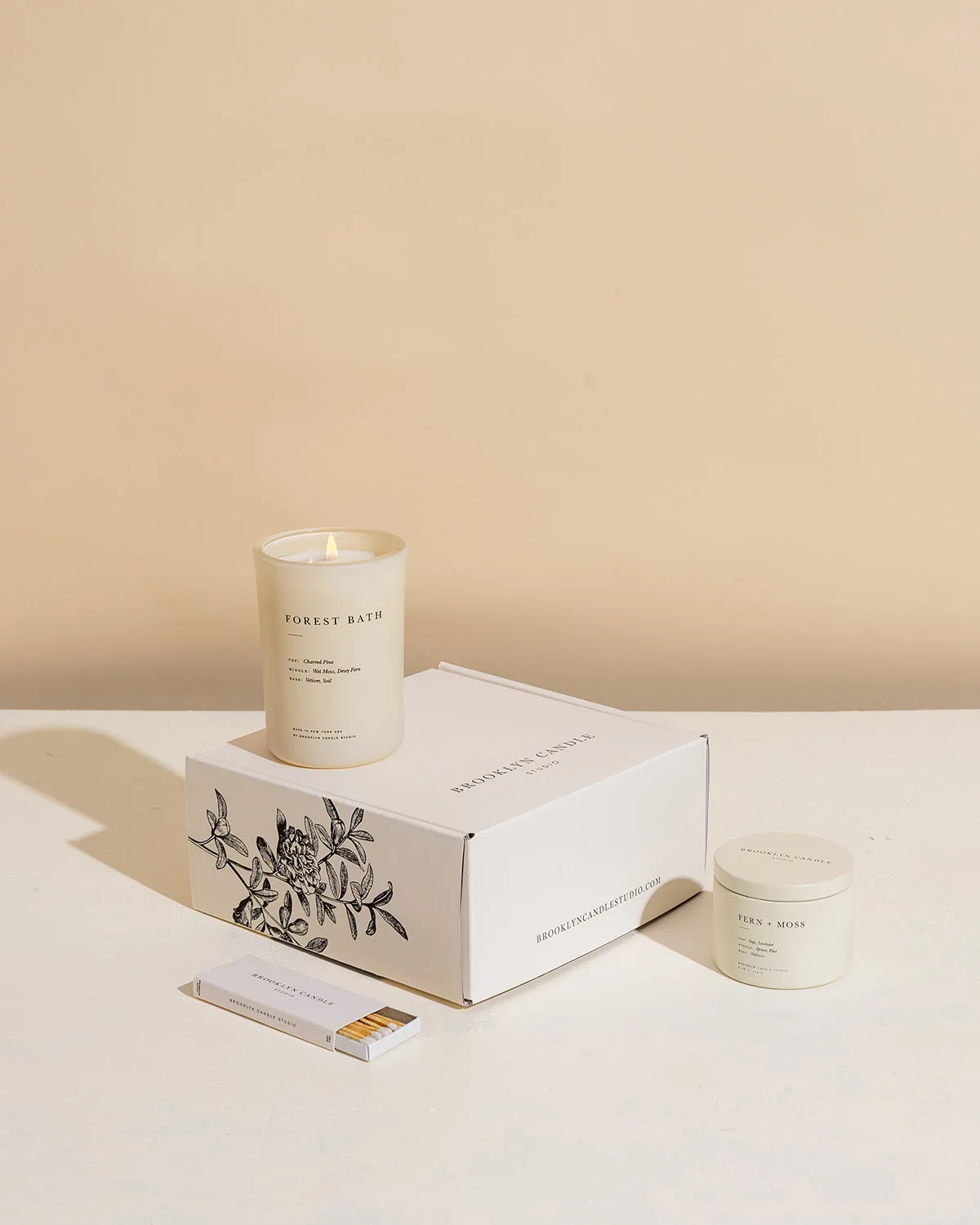
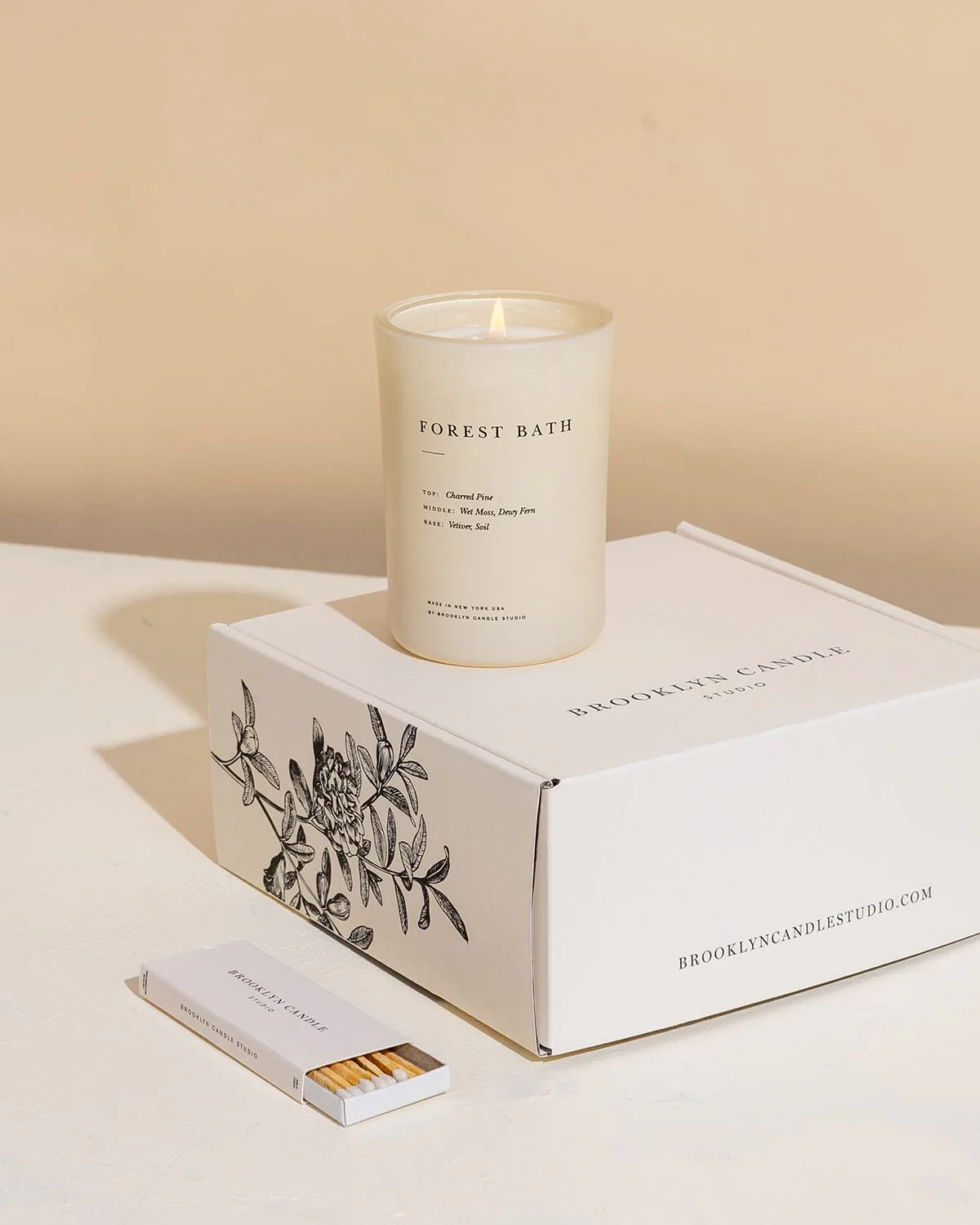
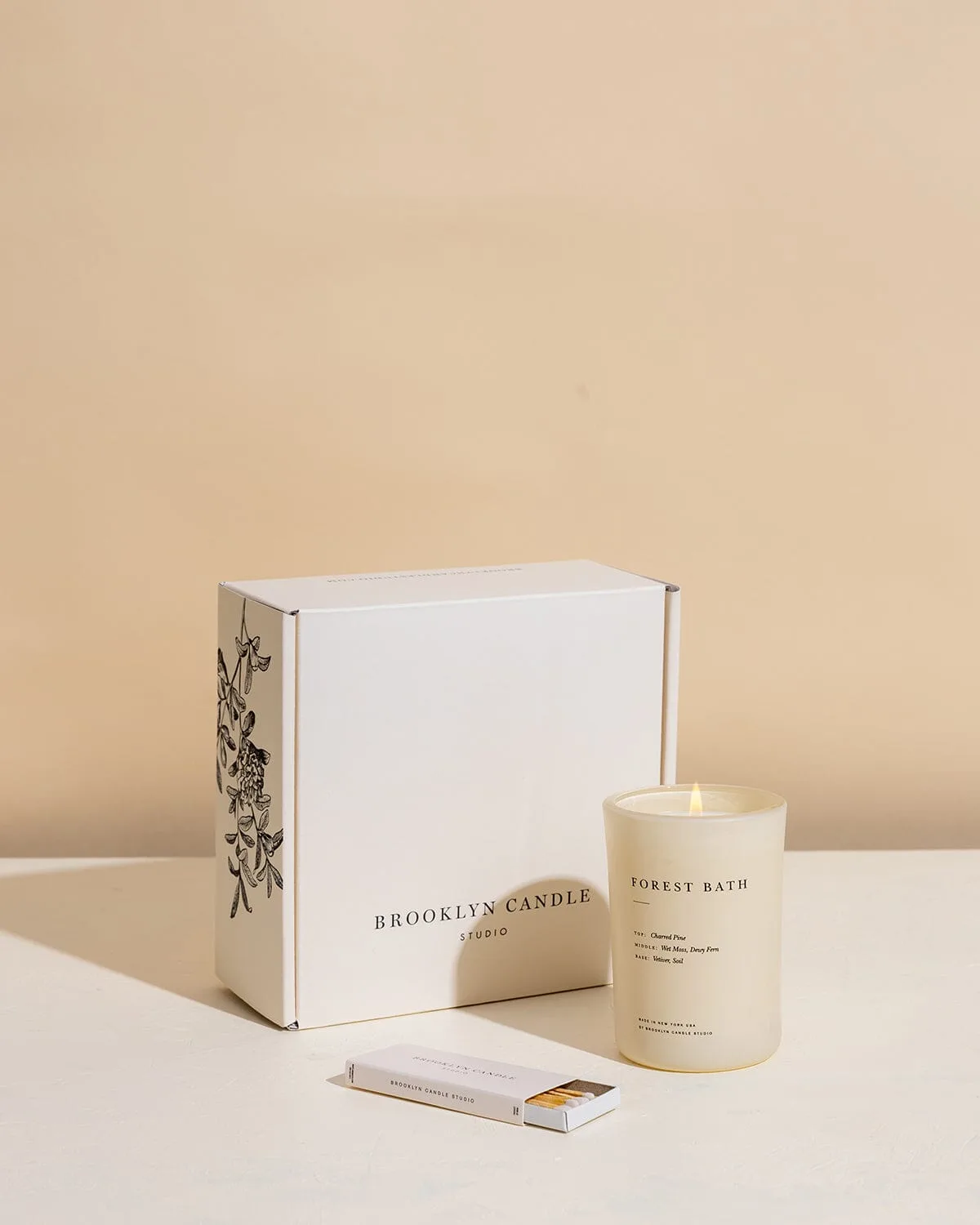
When it comes to choosing the perfect candle for your home, the type of wax used is one of the most important factors to consider. Two of the most common waxes on the market are soy wax and paraffin wax, each with its own set of benefits and drawbacks. Whether you're a candle enthusiast or a first-time buyer, understanding the differences between soy wax vs paraffin candles can help you make an informed decision that aligns with your values and preferences.
In this comprehensive candle wax comparison, we'll break down everything you need to know about burn time, scent throw, environmental impact, and more. We'll also highlight some of the best natural wax candles from Brooklyn Candle Studio to help you find the perfect match for your space.
What Is Soy Wax?
Soy wax is a vegetable-based wax made from hydrogenated soybean oil. It is a renewable, biodegradable resource that has become increasingly popular in the candle industry over the past two decades. Soy wax candles are often marketed as a natural, eco-friendly alternative to paraffin candles because they are derived from a sustainable crop and produce less soot when burned.
One of the standout features of soy wax is its slow, even burn. Soy wax has a lower melting point than paraffin, which means it burns cooler and lasts longer. Many soy wax candles, such as the Santal Noir Candle, offer a clean burn that allows the fragrance to be released gradually, creating a subtle yet lasting ambiance in your home.
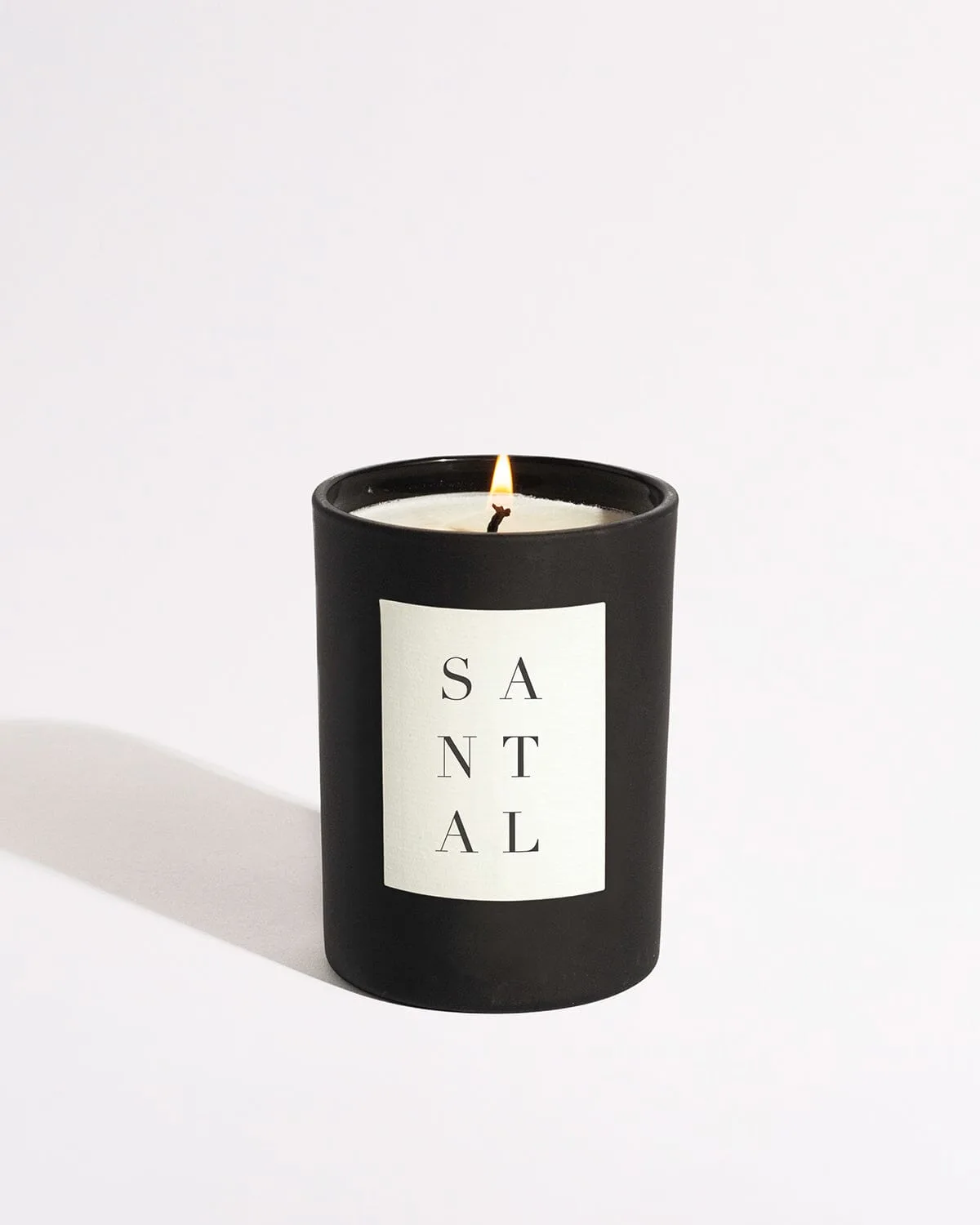
Santal Noir Candle
- Soy wax is 100% natural and renewable
- Burns slower and cooler than paraffin
- Produces very little soot
- Biodegradable and easy to clean up with soap and water
What Is Paraffin Wax?
Paraffin wax is a petroleum byproduct derived from the refining of crude oil. It has been the standard wax for candles for over a century due to its low cost and excellent scent throw. Paraffin wax can hold a high concentration of fragrance oils, which often results in a stronger, more immediate aroma when the candle is lit.
However, paraffin wax is not without its drawbacks. When burned, paraffin can release potentially harmful chemicals such as toluene and benzene into the air. It also tends to produce more soot than natural waxes, which can stain walls and furniture over time. Despite these concerns, many people still prefer paraffin candles for their powerful scent throw and affordability.
- Excellent scent throw, especially when cold
- Inexpensive and widely available
- Can produce black soot and indoor air pollutants
- Non-renewable, petroleum-based resource
Scent Throw: Which Wax Delivers Better Fragrance?
Scent throw refers to how well a candle releases its fragrance into the room. There are two types: cold throw (the scent you smell when the candle is unlit) and hot throw (the scent released when the candle is burning). Paraffin wax generally has a stronger hot throw because it can hold a higher fragrance load and its higher melting point allows for more rapid scent diffusion.
That said, high-quality soy wax candles can still deliver impressive scent throw, especially when blended with other natural oils or waxes. The Catskills Classic 2-Wick Candle, for example, uses a premium soy wax blend that provides a balanced, long-lasting fragrance without overwhelming the senses. For those who prefer a more subtle, clean aroma, soy is often the better choice.
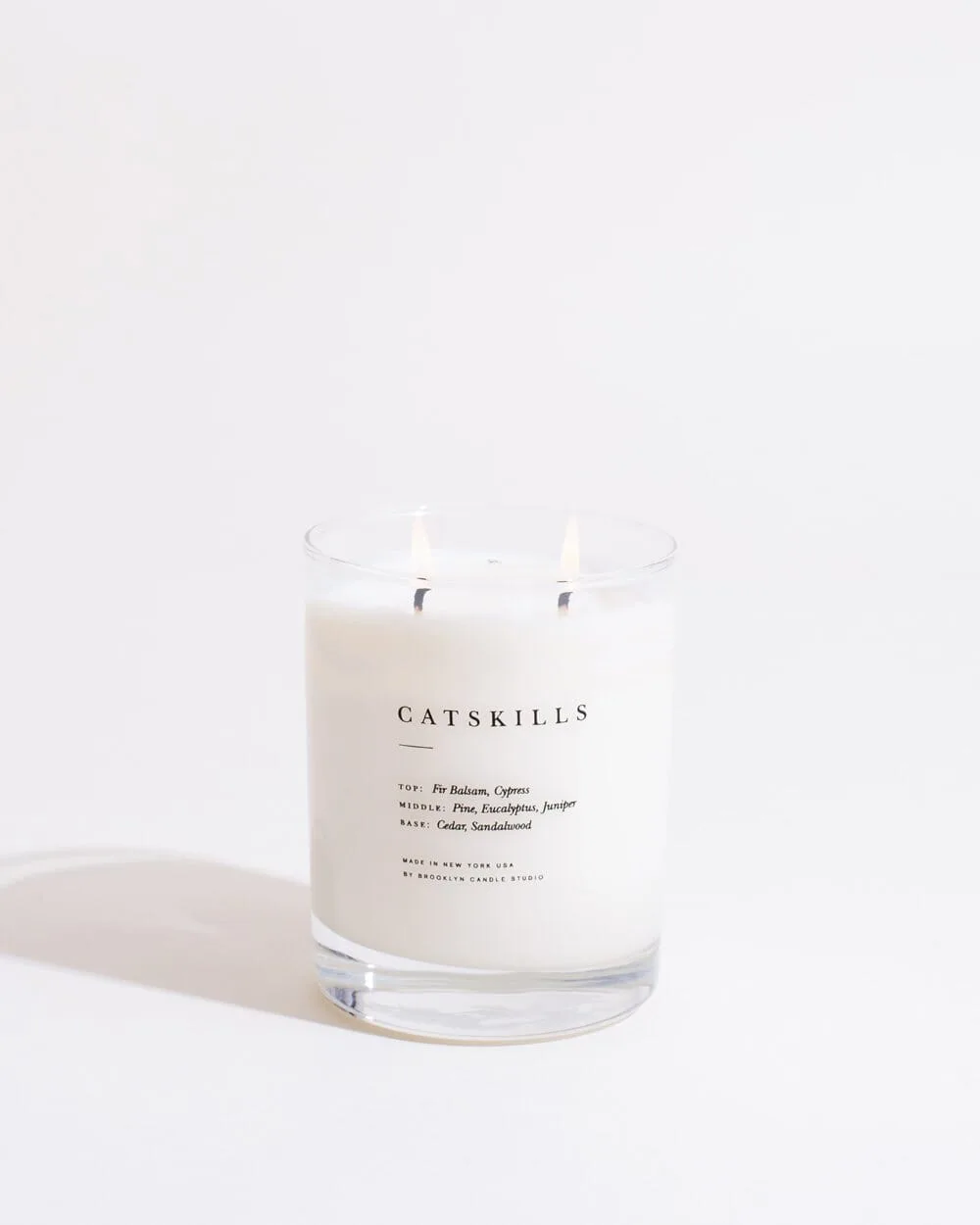
Catskills Classic 2-Wick Candle
- Paraffin: stronger hot throw, ideal for large rooms
- Soy: gentler, more consistent scent release
- Soy blends can rival paraffin's scent performance
Burn Time and Performance
One of the most practical considerations in the soy wax vs paraffin candles debate is burn time. Because soy wax has a lower melting point, it burns more slowly and evenly than paraffin. A soy wax candle can last up to 50% longer than a paraffin candle of the same size. This makes soy candles a more economical choice in the long run, even if their upfront cost is slightly higher.
Paraffin wax burns hotter and faster, which means you'll go through a paraffin candle more quickly. However, paraffin candles are often less expensive per unit, so the cost difference may balance out depending on your usage. For travelers or those who enjoy variety, the Maui Travel Candle offers a compact soy wax option that burns cleanly and lasts for hours, making it perfect for on-the-go relaxation.
- Soy wax burns 30-50% longer than paraffin
- Paraffin candles burn hotter and faster
- Soy candles are less likely to tunnel if properly wicked
Environmental and Health Impact
If eco-friendliness is a priority, soy wax is the clear winner. Soy is a renewable resource grown by farmers, whereas paraffin is a non-renewable fossil fuel byproduct. Soy wax is also biodegradable and produces significantly less soot, which means fewer airborne particles in your home. For health-conscious consumers, natural wax candles like soy or beeswax are generally recommended over paraffin.
That said, not all soy wax is created equal. Some soy candles may contain additives or synthetic fragrances that diminish their natural benefits. Always look for candles made with 100% natural soy wax and phthalate-free fragrance oils. The Palo Santo XL 3-Wick Candle uses a clean-burning soy wax blend that is free from harmful chemicals, offering both peace of mind and a beautiful scent profile.
- Soy wax is renewable, biodegradable, and non-toxic
- Paraffin wax is a petroleum product that may release VOCs
- Choose soy candles with natural fragrances for best results
Which Wax Is Right for You?
The choice between soy and paraffin ultimately depends on your priorities. If you value a strong, immediate scent throw and are on a tight budget, paraffin may suit your needs. However, if you prefer a longer-lasting, cleaner burn with a lower environmental footprint, soy wax is the superior option. Many candle lovers find that soy wax provides a more pleasant, consistent experience overall.
Brooklyn Candle Studio offers a wide selection of high-quality soy wax candles that combine the best of both worlds: excellent fragrance, long burn times, and eco-conscious ingredients. Whether you're drawn to the earthy notes of the Kyoto Woods Jar Candle or the fresh, tropical vibes of their travel-sized options, you can enjoy the benefits of natural wax without sacrificing performance.
- Choose paraffin for strong scent and low cost
- Choose soy for eco-friendliness and longer burn time
- Consider soy blends for a balanced experience
When comparing soy wax vs paraffin candles, the best choice for your home comes down to your personal values and preferences. Soy wax offers a cleaner, longer-lasting, and more environmentally friendly burn, while paraffin may appeal to those seeking maximum fragrance at a lower price point. We invite you to explore our collection of natural soy wax candles, including the Santal Noir Candle, and experience the difference for yourself. Your home—and the planet—will thank you.