Two Plant Proteins, Different Purposes
Both Soya 50,000mg and Pea Protein Powder come from plants, but they serve very different roles in a supplement routine. Soya 50,000mg is a concentrated isoflavone supplement, while Pea Protein Powder is a protein source for daily intake. Choosing between them depends on what you want to support: protein levels or phytoestrogen intake.
This comparison looks at what each product offers, who it suits, and where the supplied information draws the line.
What the Products Offer
-
Pea Protein Powder: Vegan pea protein powder provides a high-quality source of protein with essential amino acids to support muscle recovery and is easy to digest. If your goal is to increase daily protein intake, especially after exercise or as a plant-based alternative to whey, this product supplies 16g of protein per 20g serving.
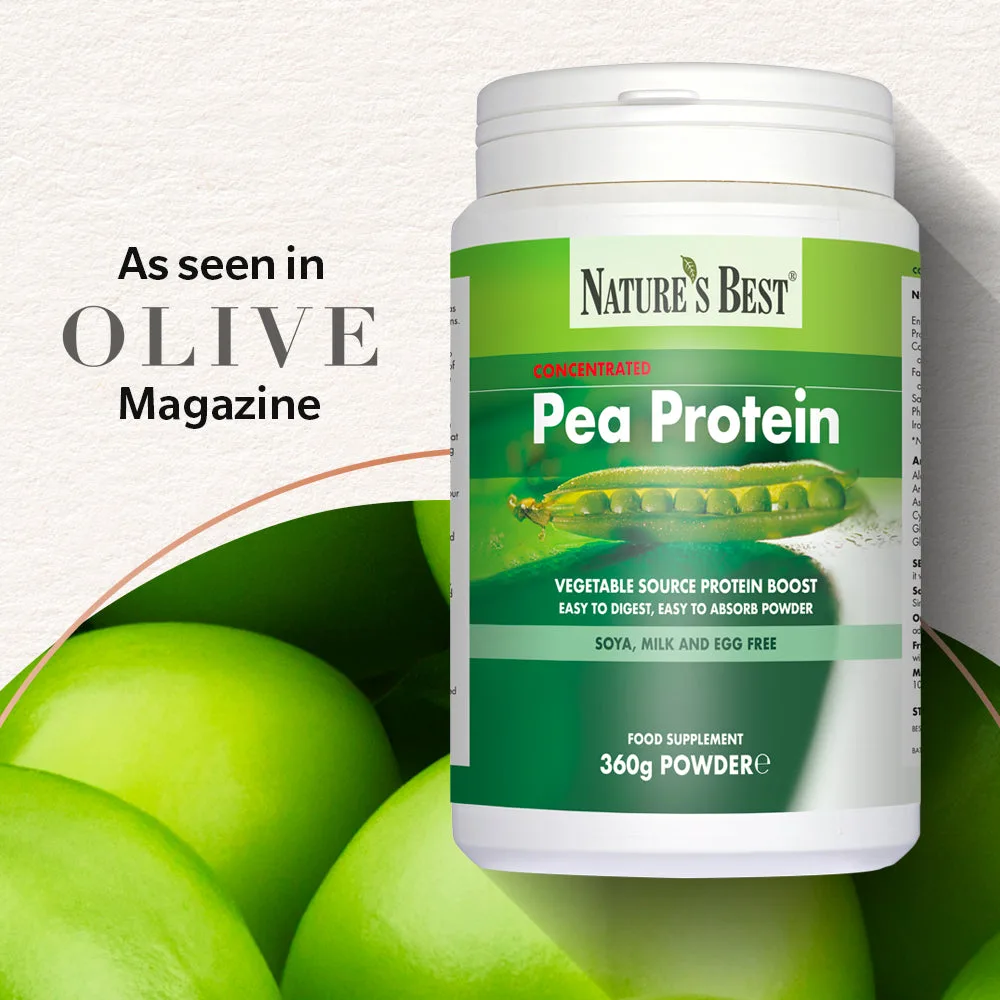
Pea Protein Powder
-
Soya 50,000mg: Natures' Best Soya Isoflavones is still one of the strongest products available reflecting the level and profile of isoflavones used by researchers in scientific investigations of note. This product is not a protein powder. It delivers 50mg of isoflavones per tablet and is designed for women over 50, particularly for bone health support.
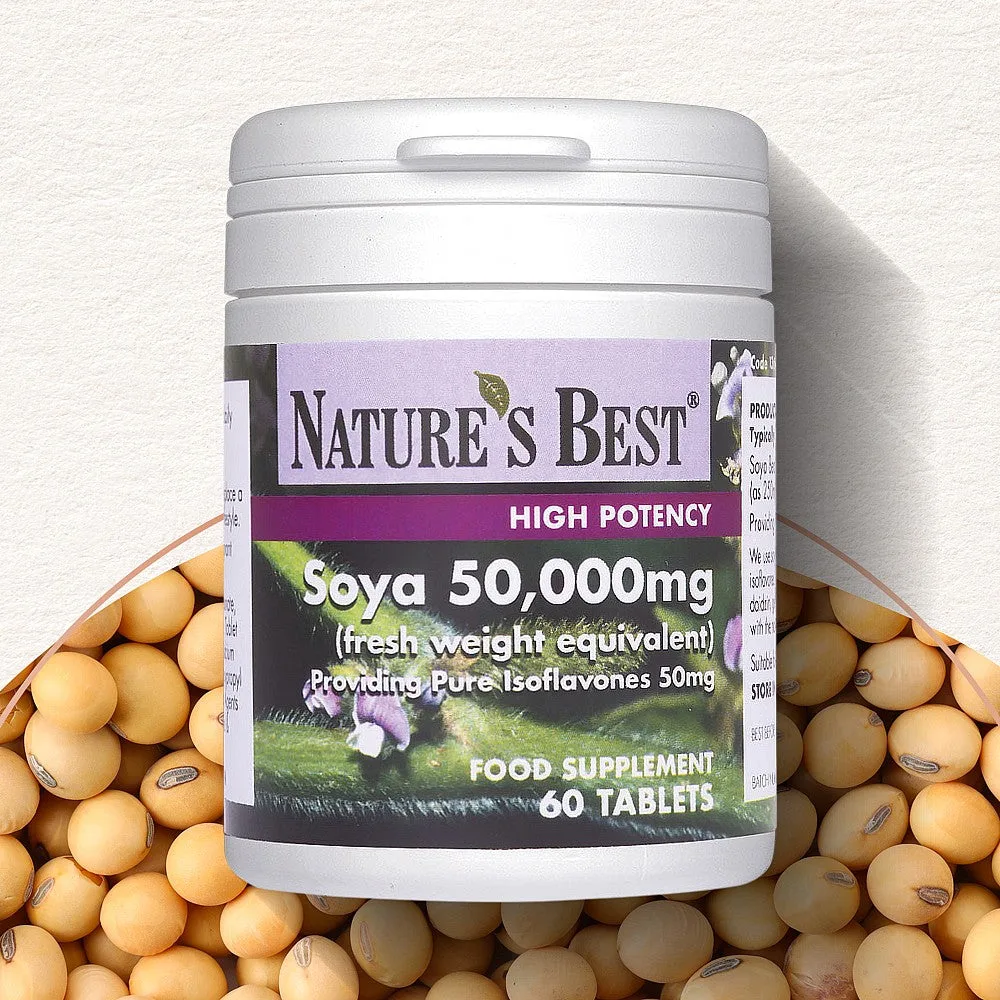
Soya 50,000mg
Key Differences at a Glance
The two products share a plant origin but differ in format, purpose, and target audience.
- Format and serving: Pea Protein Powder comes as a 360g powder (20g serving). Soya 50,000mg is a tablet supplement available in 60 or 120 tablet options.
- Primary purpose: Pea Protein Powder is a protein source for muscle recovery and daily protein intake. Soya 50,000mg is an isoflavone supplement, not a protein source.
- Who it's for: Pea Protein Powder suits vegans, vegetarians, athletes, seniors, and anyone avoiding soy or dairy. Soya 50,000mg is marketed toward women over 50 interested in phytoestrogen and bone health.
- Amino acid content: Pea Protein Powder contains 18 amino acids including BCAAs and arginine. The supplied information does not list amino acid content for Soya 50,000mg.
When to Choose Pea Protein Powder
If you need a straightforward, plant-based protein boost for muscle recovery or to meet daily protein needs, Pea Protein Powder is the clear choice. It mixes easily into smoothies, soups, and stews, and is free from soy, milk, and eggs. The supplied information confirms 16g of protein per 20g serving, with no added sugars.
This product has been awarded best vegan pea protein by OLIVE Magazine and is made in UK factories following GMP standards.
When to Choose Soya 50,000mg
Soya 50,000mg is not a protein powder. It is a high-strength isoflavone supplement (50mg per tablet) intended for women over 50. The supplied information notes it may be helpful to bone health and that it pairs with OsteoGuard Original for bone support.
The tablets use non-GM soybeans and are manufactured under GMP in the UK. If you are looking for a protein source, this product will not fulfill that role.
What the Supplied Information Does Not Settle
The supplied records do not include specific dosage instructions for either product. For Pea Protein Powder, the serving size is given as 20g, but no mixing ratios or timing advice is provided. For Soya 50,000mg, the number of tablets per day is not stated. If you need a precise protocol, consult a Nutrition Advisor or the product packaging.
There is also no supplied evidence comparing the two products directly in terms of efficacy or side effects. This comparison is based on their intended uses as described in the catalog.