Recovering from surgery places unique demands on your body. Your nutritional needs shift dramatically: protein requirements increase to repair tissues, energy intake must support healing without overwhelming a sluggish digestive system, and convenience becomes paramount when you have limited energy or mobility. For many patients, complete nutrition shakes offer a practical solution, but choosing between a meal replacement and a protein supplement can be confusing.
Soylent offers two popular options that are often considered for recovery: Soylent Complete Meal and Soylent Complete Protein. While both provide high-quality nutrition, they are formulated for different purposes. This article breaks down the key differences between these two products specifically in the context of post-surgery recovery, helping you decide which one—or which combination—best supports your healing journey.
Understanding Post-Surgery Nutritional Needs
After surgery, your body enters a hypermetabolic state. It burns more calories and requires additional protein to rebuild damaged tissues, support immune function, and prevent muscle loss. The American Society for Enhanced Recovery recommends a protein intake of 1.2 to 2.0 grams per kilogram of body weight per day during recovery, significantly higher than the standard recommendation of 0.8 g/kg. At the same time, your appetite may be reduced due to pain, medication, or anesthesia aftereffects, making it challenging to meet these needs through whole foods alone.
Beyond protein, micronutrients like vitamin C, zinc, and B vitamins play critical roles in wound healing and energy metabolism. Hydration is also essential, as even mild dehydration can slow recovery. This is where liquid nutrition shines: shakes are easy to swallow, require minimal preparation, and can be sipped slowly throughout the day. The right formula should deliver a balanced mix of macronutrients and micronutrients without causing digestive distress.
- Increased protein needs for tissue repair and muscle preservation
- Higher calorie requirements due to metabolic stress
- Easier digestion and absorption compared to solid foods
- Importance of vitamins and minerals for immune support and wound healing
Soylent Complete Meal: Balanced Nutrition for Sustained Recovery
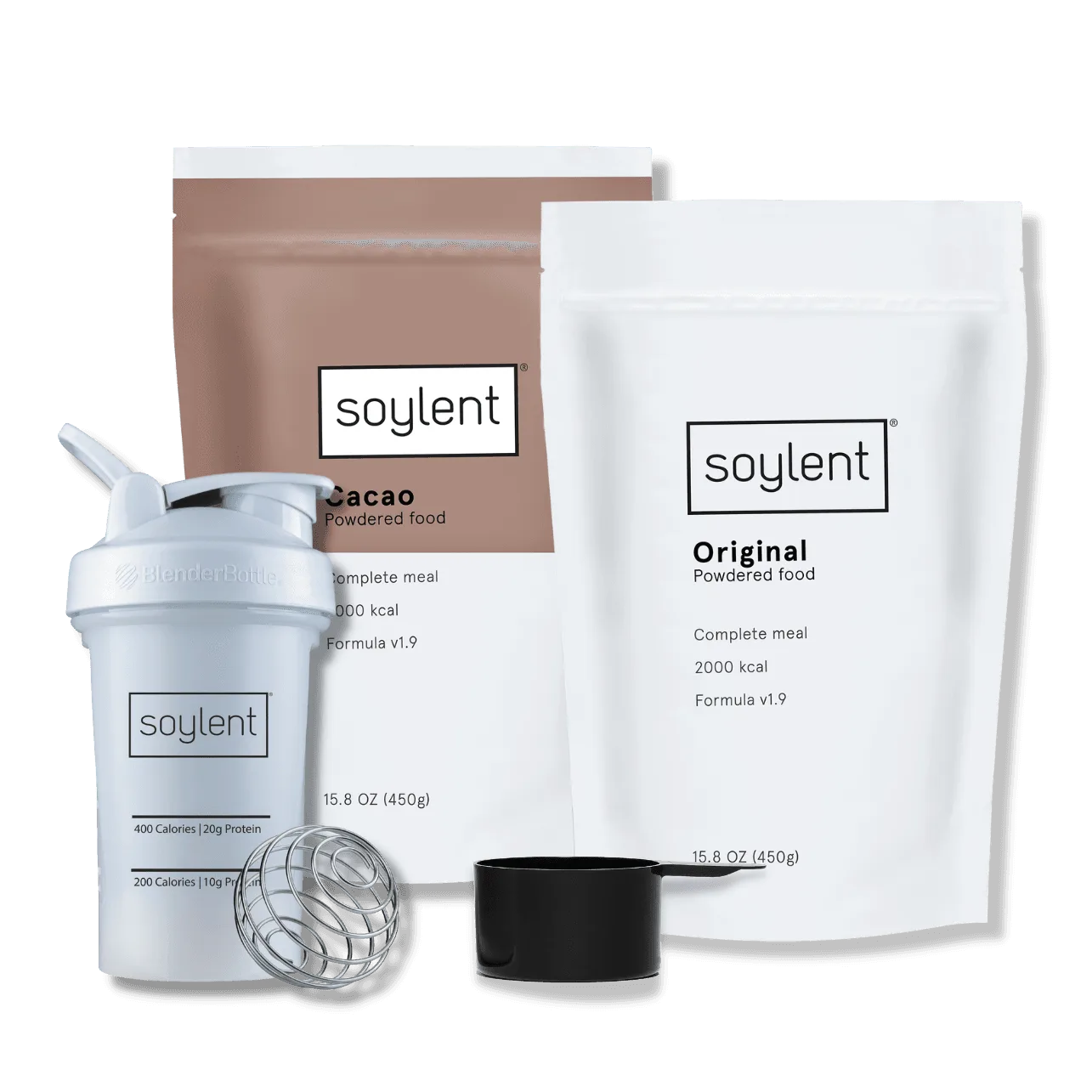
Soylent Complete Meal is designed as a nutritionally complete meal replacement. Each serving provides 400 calories, 20 grams of protein, 36 grams of carbohydrates (including 2 grams of fiber), and 21 grams of fat, along with 26 essential vitamins and minerals. This balanced profile makes it an excellent option for someone who needs a full meal substitute during recovery, especially when cooking or eating solid food is difficult.
For post-surgery patients, the complete micronutrient package—including vitamin C, zinc, and B vitamins—directly supports collagen formation, immune function, and energy production. The fiber content (from isomaltulose and acacia gum) is gentle on the stomach and helps maintain regular bowel movements, which can be a concern after surgery and pain medication use. The steady release of carbohydrates from isomaltulose also provides sustained energy without blood sugar spikes, which is beneficial for maintaining stable mood and energy levels during healing.
- 400 calories per serving provides sufficient energy for recovery
- 20g protein supports baseline tissue repair
- 26 vitamins and minerals cover key micronutrient needs
- Gentle fiber aids digestion and prevents constipation
Soylent Complete Protein: Targeted Muscle Repair and Satiety
Soylent Complete Protein is a higher-protein, lower-calorie option designed primarily for muscle repair and satiety. Each serving delivers 30 grams of protein (from soy and pea isolates), 170 calories, 8 grams of carbohydrates (3 grams of fiber), and 2.5 grams of fat. It also includes a multivitamin blend, though with a smaller micronutrient profile than the Complete Meal.
For patients with very high protein requirements—such as those recovering from major orthopedic surgery or with significant muscle wasting—the extra 10 grams of protein per serving can make a meaningful difference. The low calorie and carbohydrate content also make it a good choice for individuals who need to limit calorie intake (e.g., after bariatric surgery) or who are managing blood sugar levels. However, because it is not a complete meal replacement, you would need to pair it with other foods or supplements to meet total energy and micronutrient needs.
- 30g protein per serving supports intensive tissue repair
- Low calorie count (170) allows flexible energy management
- Soy and pea protein blend provides all essential amino acids
- Suitable for patients with restricted calorie or carbohydrate intake
How to Choose Between Them for Your Recovery
The decision between Soylent Complete Meal and Soylent Complete Protein depends on the type of surgery, your current nutritional status, and your recovery goals. If you have undergone a procedure that significantly limits your ability to eat solid food (e.g., jaw surgery, gastrointestinal surgery), or if you need to maintain or gain weight, Soylent Complete Meal is the better choice because it provides complete nutrition in one serving. It can serve as a full meal replacement for breakfast, lunch, or dinner.
If your primary concern is muscle preservation or repair—for example, after hip or knee replacement, spinal surgery, or any procedure that involves prolonged immobility—Soylent Complete Protein is ideal as a high-protein supplement between meals. You can use it as a snack or post-exercise recovery drink (once you are cleared for physical therapy). Many patients find that using both products in combination works best: using Complete Meal for meals and Complete Protein for snacks or before bed to maximize protein intake without overloading calories.
- Use Complete Meal as a full meal replacement when appetite or ability to eat is low
- Use Complete Protein as a high-protein supplement for muscle repair
- Combine both for a flexible, high-protein recovery plan
- Always consult your surgeon or dietitian before making dietary changes post-surgery
Practical Tips for Using Soylent During Recovery
Start slowly, especially if you have not used meal shakes before. Begin with half a serving of Soylent Complete Meal to see how your digestive system responds. You can gradually increase to a full serving over a few days. For Complete Protein, you can mix it with water or milk (if tolerated) and sip it over 30–60 minutes to avoid overwhelming your stomach.
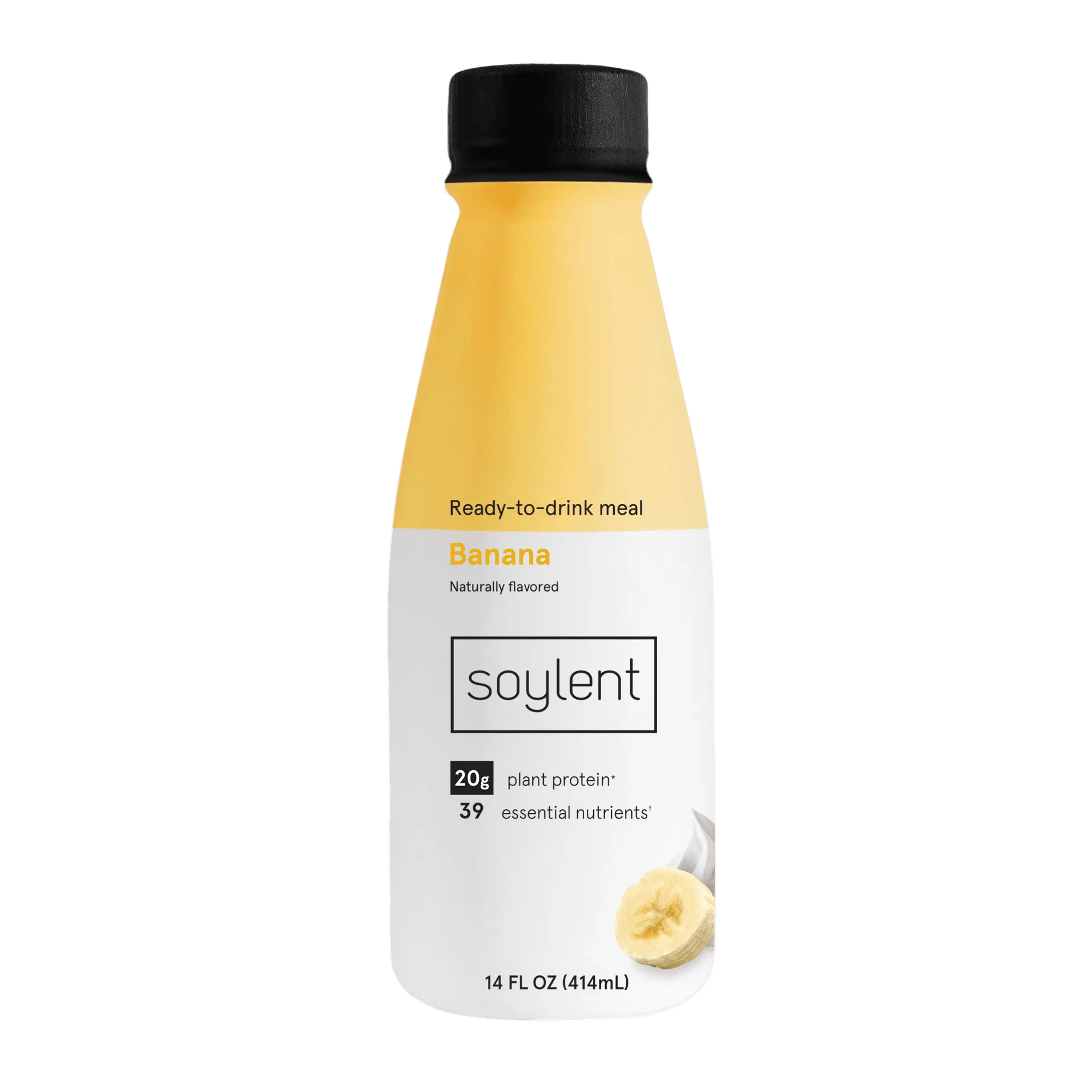
Consider flavor preferences as well. Soylent Complete Meal is available in Original, Cacao, and Vanilla, while Soylent Complete Protein comes in Chocolate and Vanilla. If you are using both, you can alternate flavors to prevent taste fatigue. Also, keep shakes refrigerated after mixing for the best taste and texture. For patients with limited hand strength, pre-mixed bottles or ready-to-drink versions may be more convenient than powder.
- Start with half servings to test tolerance
- Sip slowly over 30–60 minutes
- Refrigerate mixed shakes for better taste
- Prefer ready-to-drink if mixing is difficult
Ultimately, both Soylent Complete Meal and Soylent Complete Protein can play valuable roles in post-surgery recovery nutrition. For most patients, a combination approach—using Complete Meal for balanced meals and Complete Protein for targeted protein boosts—offers the best support for healing, muscle repair, and energy. Before starting any new nutritional regimen after surgery, always consult your healthcare provider to ensure it aligns with your specific medical needs. To explore your options, consider the Soylent Complete Meal Original - Prepaid 3 Month for a convenient, cost-effective supply of complete nutrition during recovery.
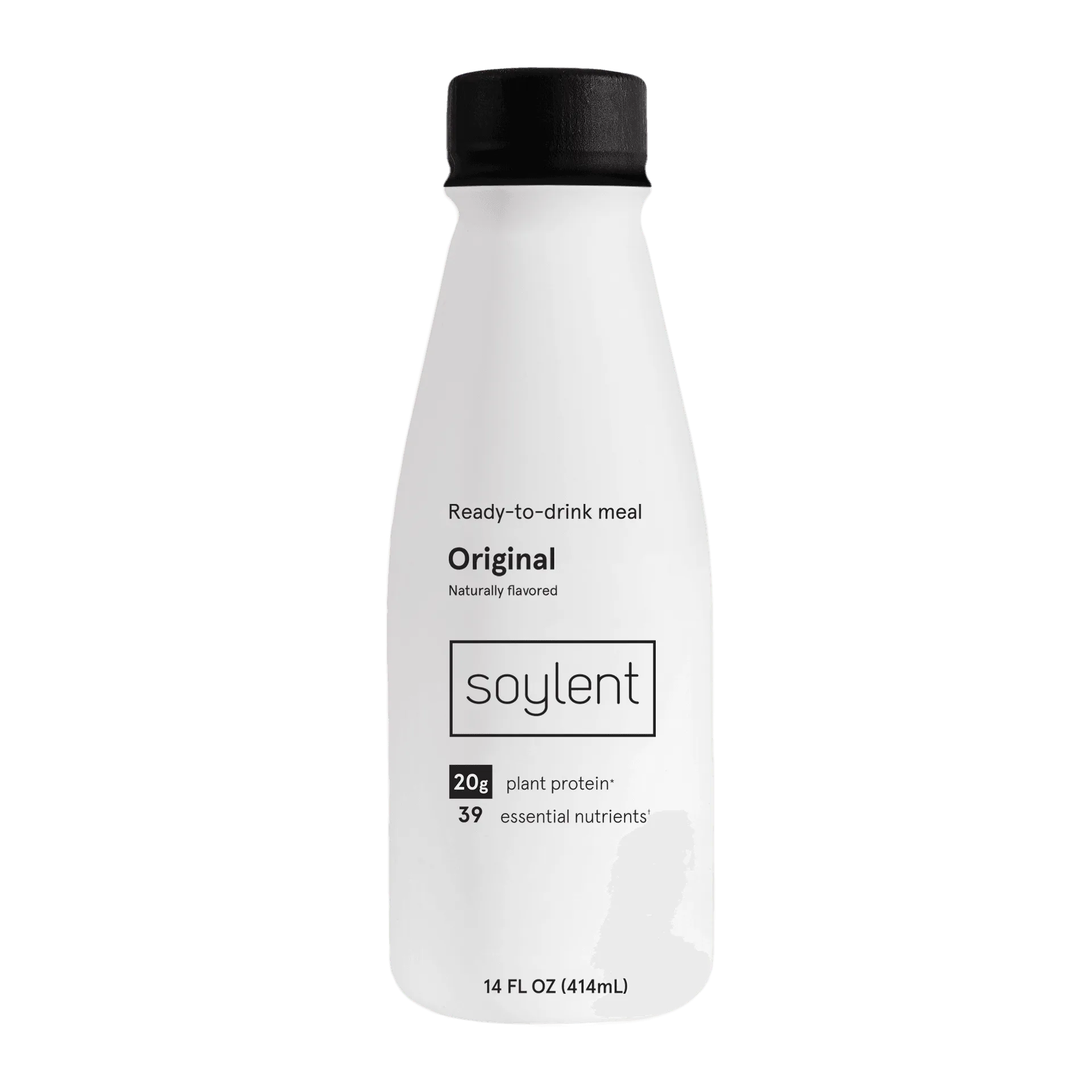
Soylent Complete Meal Original - Prepaid 3 Month