Quick answer
Most spaghetti squash failures come down to pollination, water stress or fruit left on the vine too long. Check flowers first: if female blooms open and close without fruit, hand-pollinate early in the morning. If fruit forms then drops or rots, look at watering, pests and disease before adding fertiliser. Fix the cause, not the symptom, and most plants recover within a couple of weeks.
Start with the flowers: male, female and the pollination window
Spaghetti squash plants produce separate male and female flowers on the same vine. Male flowers usually appear first and sit on thin stems; female flowers have a small swelling at the base that becomes the fruit. The window for pollination is short, often just one morning, so a flower that opens and closes without a visit from a bee or a brush will not set fruit.
If you see female flowers but no fruit, pollination is the first suspect. Hand-pollinate by picking a fresh male flower, peeling back the petals and dabbing pollen onto the centre of an open female flower. Do this before mid-morning, when flowers are fully open and pollen is dry. Repeat for several days during a flush of female blooms.
Heat, water and soil: the conditions that stall fruit set
Spaghetti squash not setting fruit is often a heat and water problem rather than a lack of nutrients. Extended temperatures above roughly 32°C can cause flowers to drop or pollen to become less viable, and inconsistent watering stresses the vine at the same time. Water deeply at the base two or three times a week rather than a light daily sprinkle, and mulch to keep moisture even.
Avoid heavy nitrogen feeds once flowering starts. Too much nitrogen pushes leaf growth at the expense of flowers and fruit. A balanced organic feed applied when the first female flowers appear is usually enough; if leaves are dark green and lush but flowers are scarce, hold off feeding altogether.
Pests and diseases that target squash vines
Spaghetti squash pests and diseases usually announce themselves before fruit set fails. Look for mottled or wilting leaves, sticky residue, fine webbing or holes in stems. Common culprits include aphids clustered on new growth, caterpillars chewing leaves and fruit, and powdery mildew spreading as white patches in humid weather.
Treat aphids with a strong jet of water or insecticidal soap, and hand-pick caterpillars where practical. For powdery mildew, improve airflow by spacing plants and removing the worst affected leaves; avoid overhead watering so foliage dries quickly. Check under leaves and along stems weekly, because early intervention is far easier than rescuing a collapsed vine.
Fruit that forms but fails to mature
Sometimes fruit sets but then yellows, splits or rots before ripening. Blossom-end rot shows as a dark sunken patch at the flower end and points to calcium uptake disrupted by irregular watering, not necessarily a calcium-poor soil. Keep moisture consistent and avoid over-fertilising with nitrogen.
Fruit splitting near harvest usually follows a heavy watering after a dry spell. Reduce the shock by watering steadily through dry periods and picking fruit once the skin is hard enough to resist a thumbnail. Spaghetti squash is ready when the stem turns corky and the fruit feels heavy for its size; leaving it on the vine too long invites rot.
Diagnosis: match the symptom to the fix
- Flowers open but no fruit forms: Female flowers are not receiving pollen. Hand-pollinate in the early morning and encourage bees by planting flowers nearby; avoid insecticides during flowering. If hand-pollination for a week still produces nothing, check for heat stress and hold nitrogen feed.
- Small fruit yellows and drops: The plant is aborting fruit, often from water stress, heat or poor pollination. Water deeply and consistently, mulch, and hand-pollinate to improve the odds. If drops continue after two weeks of even watering, inspect roots for rot or grubs.
- Leaves wilt or show sticky residue: Suspect aphids or caterpillars. Check leaf undersides and stems, then treat with water jets, soap or hand-picking before the infestation spreads. If wilting continues despite watering and no pests are found, the vine may have a root or stem problem; remove it rather than risk the rest of the patch.
- White powdery patches on leaves: Powdery mildew thrives in still, humid air. Remove affected leaves, space plants and water at the base so foliage stays dry. If more than half the foliage is affected and fruit is not maturing, cut losses and harvest what is usable.
- Fruit splits or rots near harvest: Irregular watering or leaving fruit too long. Steady the watering and pick when the skin is hard and the stem corky. Discard split fruit rather than storing it; rot spreads in storage.
Product facts
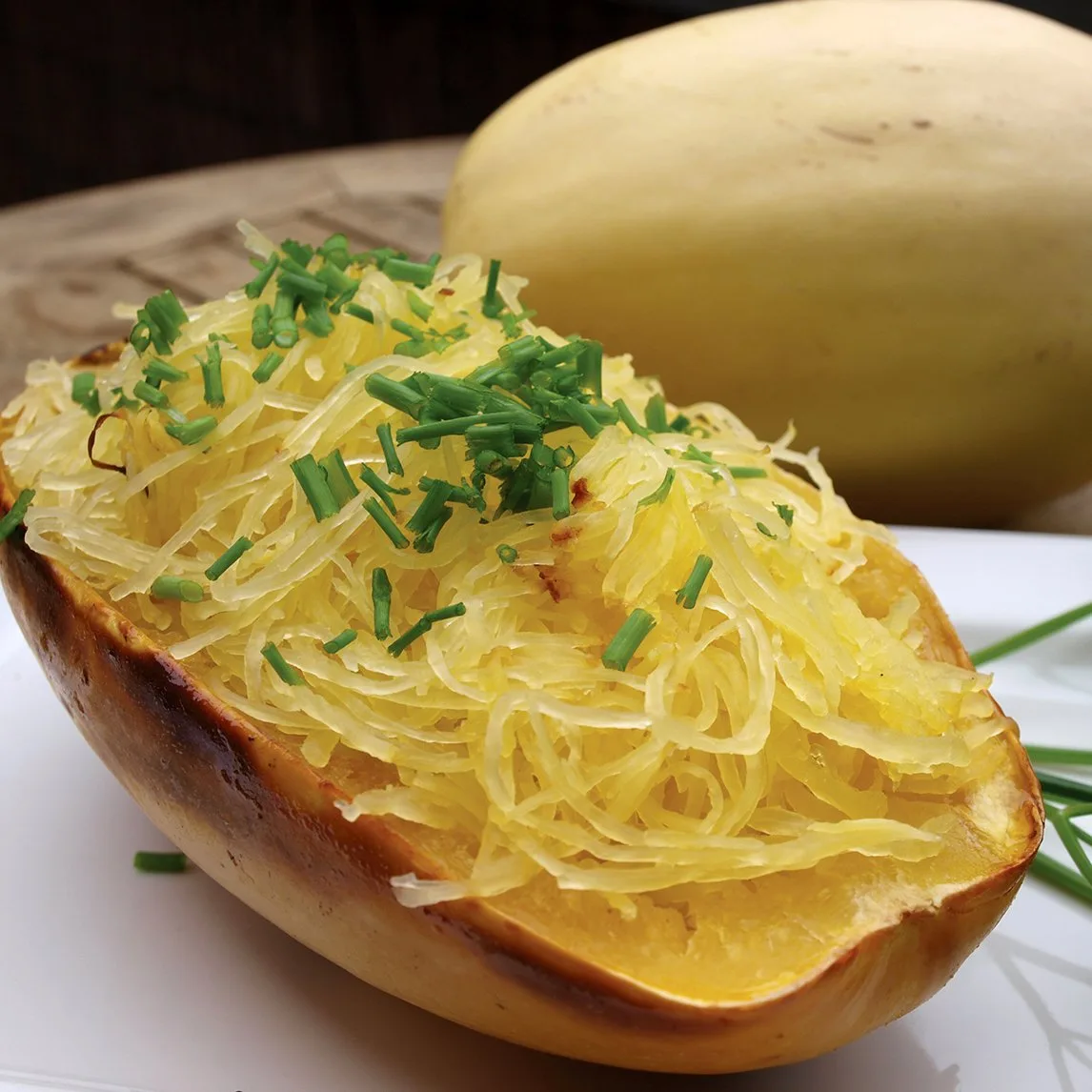
- Squash 'Spaghetti' (Organic): Squash 'Spaghetti' (Organic) is a spaghetti squash seed option; the catalog describes roasting halves flesh side down and separating the cooked flesh with a fork. Knowing the intended use helps you judge harvest timing: fruit grown for roasting should be picked when the skin is hard, not soft like a summer squash.
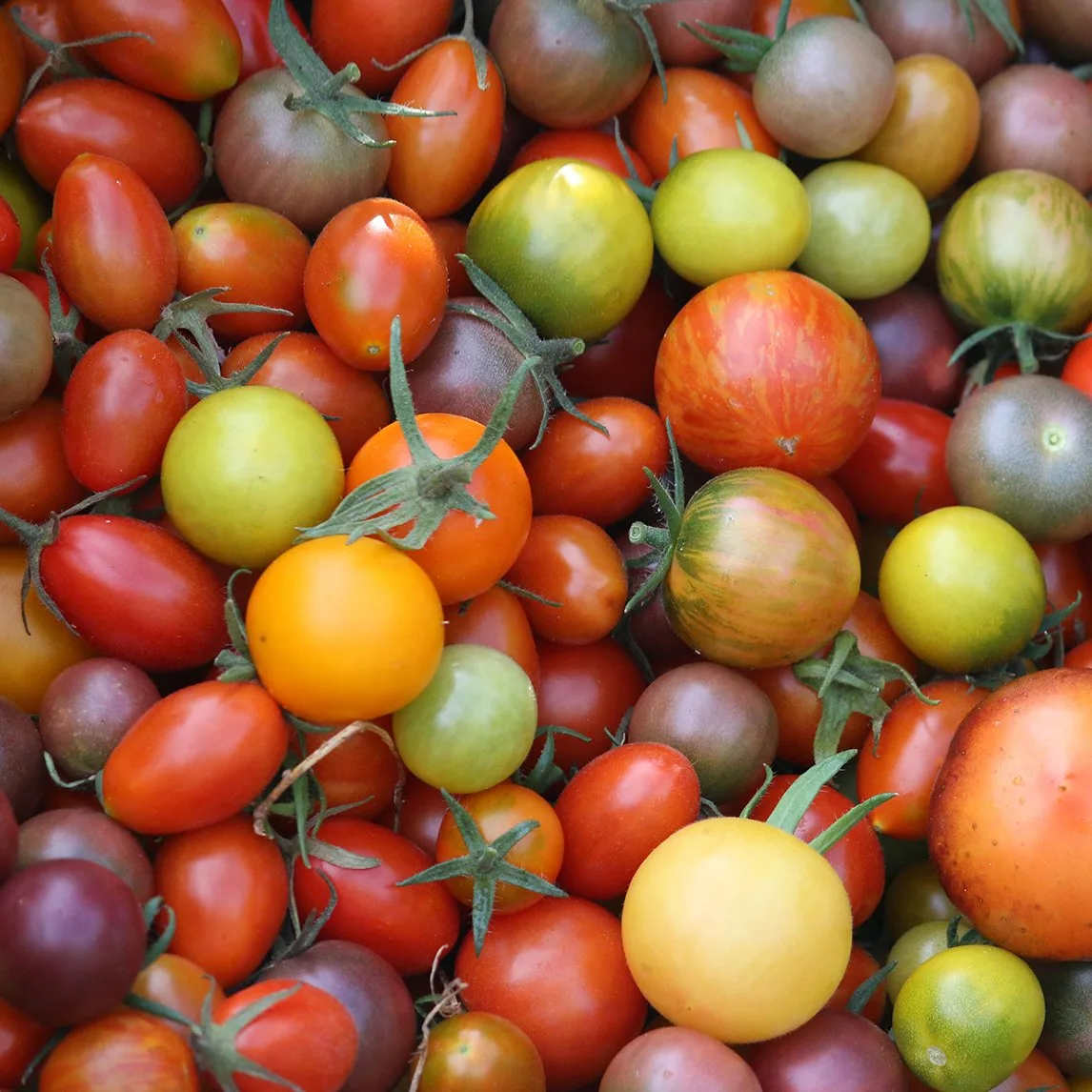
- Tomato Taste Test Winners Collection: The Tomato Taste Test Winners Collection includes five tomato varieties selected from Diggers' taste tests at the Melbourne International Flower and Garden Show. If squash pollination is poor because flowers are scarce, a separate tomato crop gives you a reliable harvest while you correct the squash patch.
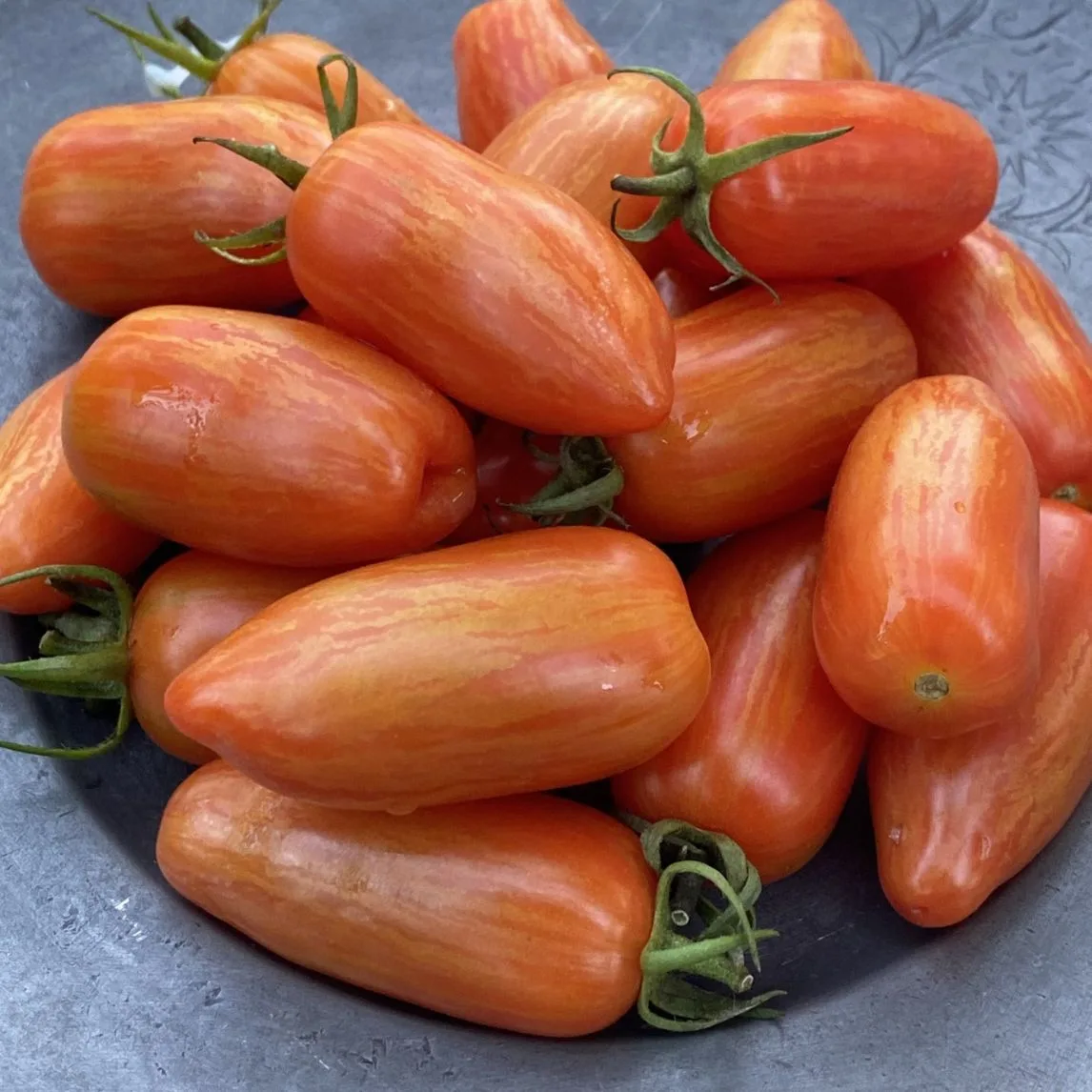
- Tomato 'Sweet Casaday' Organic: Tomato 'Sweet Casaday' Organic is an elongated plum tomato described as highly productive and suitable for fresh use, preserving and cooking. A productive plum tomato is a practical fallback when squash fruit fails, so the season still yields something to store or cook.