If you’ve ever stood in the beverage aisle wondering what sets sparkling water apart from seltzer or club soda, you’re not alone. These fizzy drinks look similar, but they have distinct characteristics that affect taste, mouthfeel, and even how they’re made. Understanding these differences can help you choose the perfect bubbly companion for your day—whether you’re hydrating after a workout or mixing a cocktail.
In this guide, we’ll break down the science and production methods behind each type of carbonated water. We’ll also explore how brands like Aura Bora craft their unique sparkling waters, from the naturally sourced flavors to the careful carbonation process. By the end, you’ll know exactly what to look for on the label and which bubbly drink deserves a spot in your fridge.
What Is Sparkling Water?
Sparkling water is a broad category that includes any water with dissolved carbon dioxide gas, creating bubbles. It can be naturally carbonated from a mineral spring or artificially carbonated by adding CO2. Most sparkling waters on the market today are made by infusing still water with carbonation, but some premium brands source water from natural springs where the earth’s pressure already creates fizz.
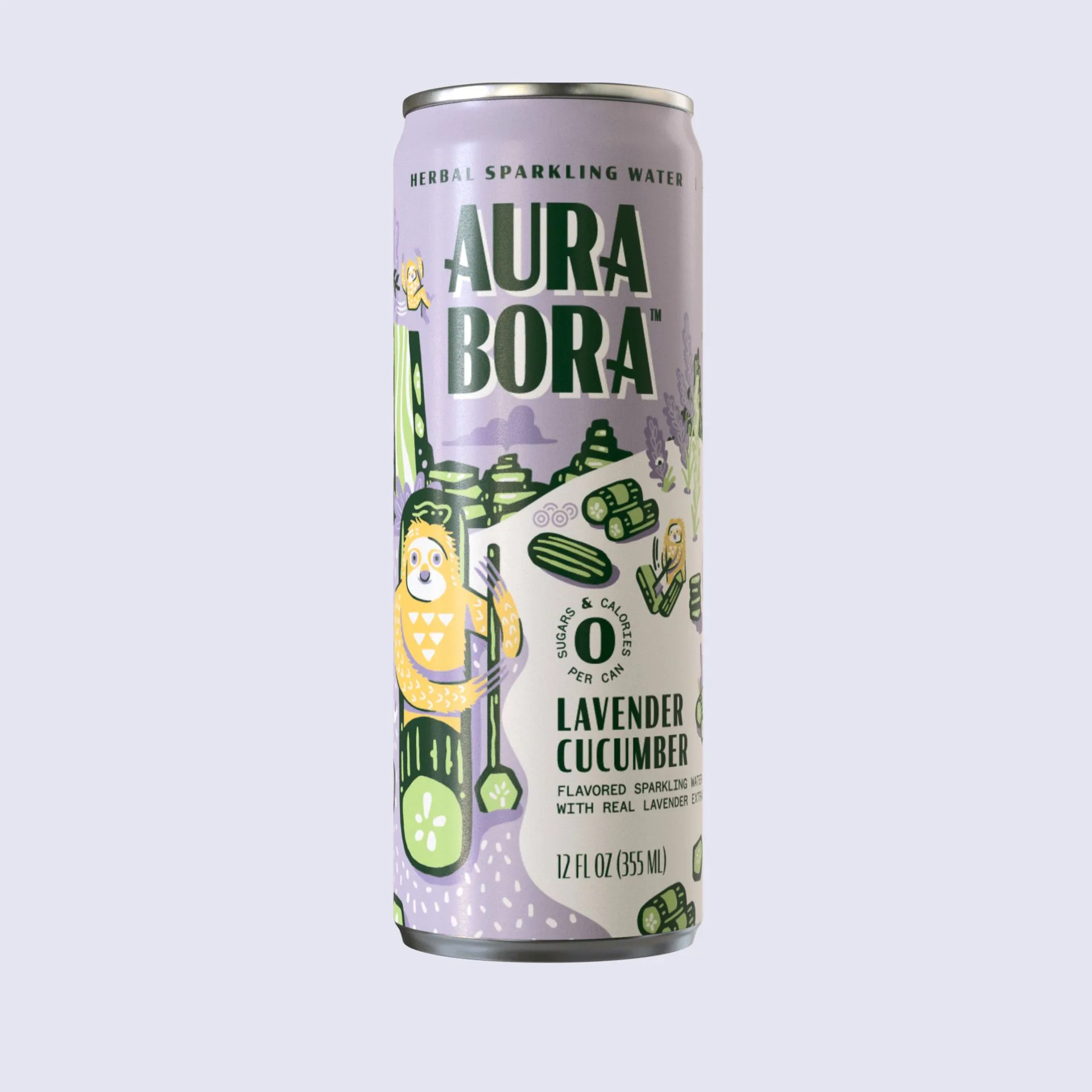
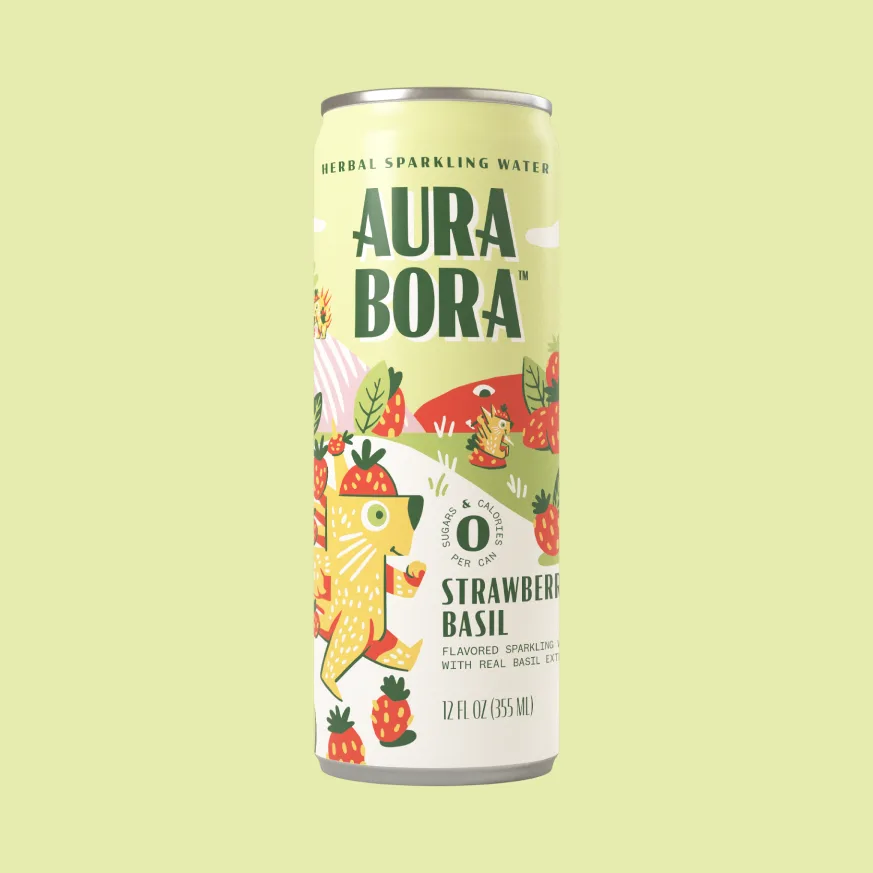
Aura Bora’s sparkling waters, such as Lavender Cucumber and Cactus Rose, fall into this category. They start with filtered water, then add a precise level of carbonation to create a crisp, refreshing effervescence. Unlike seltzer or club soda, sparkling water often contains subtle mineral notes from the source water or added natural flavors, giving it a more complex taste profile.
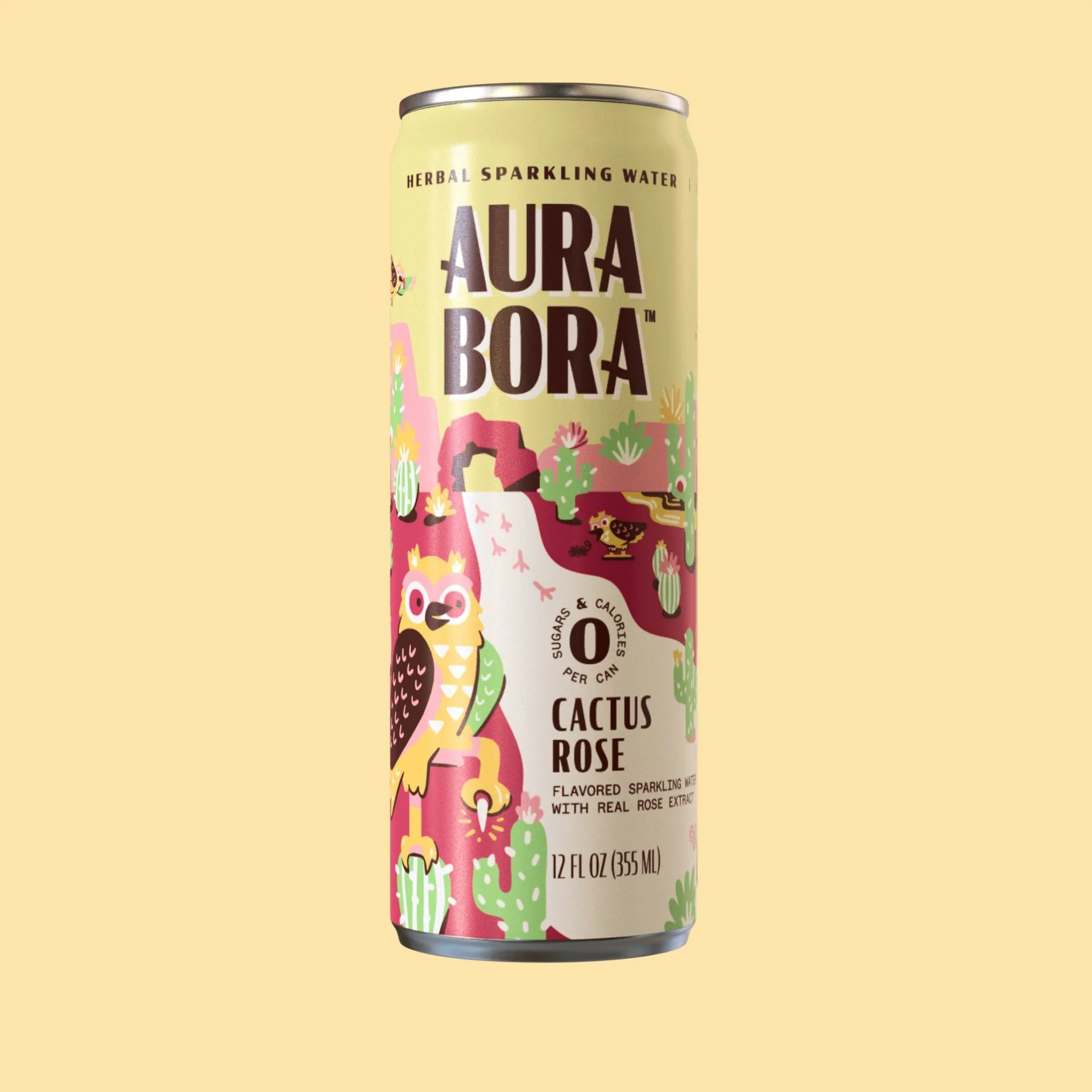
Cactus Rose
- Naturally or artificially carbonated
- May contain minerals or natural flavors
- Often lower in sodium than club soda
Seltzer: The Simple Fizz
Seltzer is essentially plain water that has been carbonated. It contains no added minerals or salts, which gives it a clean, neutral taste. Historically, seltzer originated from the German town of Selters, where naturally carbonated water was bottled. Today, most seltzer is made by injecting CO2 into filtered water, and it’s the base for many flavored sparkling beverages.
Because seltzer lacks mineral content, its bubbles are often larger and dissipate faster than those in club soda or mineral water. This makes it a popular choice for mixing cocktails or as a light, calorie-free drink. However, if you’re looking for a more robust mouthfeel or a hint of flavor, you might prefer sparkling water brands that add natural essences, like Aura Bora’s Grapefruit Elderflower.
- No added minerals or salts
- Clean, neutral taste
- Bubbles tend to be larger and shorter-lived
Club Soda: The Bartender’s Choice
Club soda is carbonated water that has been enhanced with minerals such as sodium bicarbonate, potassium sulfate, or sodium chloride. These minerals are added to mimic the taste of naturally carbonated mineral water and to create a smoother, more persistent fizz. The slight saltiness can balance flavors in cocktails, which is why club soda is a staple behind bars.
The mineral content also affects the pH level, making club soda slightly more alkaline than seltzer. This can influence how it interacts with other ingredients in mixed drinks. If you’re sipping it straight, the subtle mineral tang might be noticeable compared to the neutrality of seltzer. For a flavorful alternative without added sodium, consider Aura Bora’s Blueberry Wildflower, which gets its taste from real fruit extracts.
- Contains added minerals (sodium, potassium, etc.)
- Smoother, longer-lasting carbonation
- Slightly salty taste, ideal for cocktails
Tonic Water: A Sweet Exception
Tonic water is often grouped with sparkling waters, but it’s a different beast. It contains carbonated water plus quinine, which gives it a distinct bitter flavor, and usually a sweetener like sugar or high-fructose corn syrup. A standard tonic water can have as much sugar as a soft drink, making it a less healthy choice for everyday hydration.
If you’re watching your sugar intake or simply want a crisp, unsweetened beverage, stick with sparkling water, seltzer, or club soda. Aura Bora’s entire lineup is free from added sugars and artificial sweeteners, offering a guilt-free way to enjoy bubbles. Their Lime Cardamom variety brings a zesty, aromatic twist that pairs beautifully with gin or can be enjoyed on its own.
- Contains quinine (bitter compound) and sweetener
- Higher calorie and sugar content
- Best used in specific cocktails, not for daily hydration
How to Choose the Right Bubbly Drink for You
Your choice between sparkling water, seltzer, and club soda ultimately depends on your taste preferences and intended use. If you want a neutral, calorie-free base for cocktails or a simple thirst quencher, seltzer is a great option. For a slightly mineral-rich fizz that holds its bubbles longer, club soda is ideal. If you crave natural flavors without additives, sparkling water like Aura Bora’s is the way to go.
When reading labels, look for terms like “naturally carbonated,” “mineral water,” or “sparkling water” to understand what’s inside. Avoid products with added sugars, artificial flavors, or high sodium if you’re health-conscious. Aura Bora’s sparkling waters are crafted with real fruit and botanical extracts, offering a clean, vibrant taste that stands out from standard seltzers and club sodas.
- Seltzer: neutral, no minerals, best for cocktails
- Club soda: mineral-added, smooth fizz, bar staple
- Sparkling water: natural flavors, low sodium, great for sipping
Next time you reach for a fizzy drink, you’ll know exactly what sets sparkling water, seltzer, and club soda apart. Whether you’re mixing a gin and tonic or simply hydrating with a burst of flavor, Aura Bora’s sparkling waters offer a delicious, natural alternative. Explore their lineup and discover your new favorite bubbly companion.