The specialty coffee world never stands still. With each passing year, we see new innovations in brewing technology, sourcing practices, and consumer preferences. As we move through 2025, several distinct trends are emerging that promise to reshape how we buy, brew, and enjoy coffee. From cutting-edge precision tools to a renewed focus on education and sustainability, the industry is evolving rapidly.
One of the most exciting developments is the growing influence of Apax Lab, a brand that embodies the intersection of science and craft. Alongside this, we're seeing a surge in demand for precision brewing equipment and a deeper appreciation for single-origin, traceable coffees. Whether you're a seasoned barista or a home enthusiast, understanding these trends will help you stay ahead of the curve and elevate your daily cup.
Apax Lab: The New Frontier of Precision Brewing
Apax Lab has quickly become a buzzword in specialty coffee circles, and for good reason. This Korean-born brand focuses on precision and consistency, offering tools that allow baristas to control every variable of the brewing process. Their flagship product, the Apax Lab Brewing Scale, features a built-in flow rate sensor and a PID temperature controller, enabling users to replicate their favorite recipes with unparalleled accuracy.
What sets Apax Lab apart is its commitment to data-driven coffee. By integrating technology directly into the brewing workflow, they empower coffee lovers to understand how changes in grind size, water temperature, and pour rate affect extraction. This approach aligns perfectly with the broader trend of 'precision brewing,' where the goal is not just a good cup but a reproducible, optimized one. For those looking to dive deeper, pairing an Apax Lab scale with a high-quality dripper like the Kalita Wave Coffee Dripper can transform your morning routine into a laboratory of flavor.
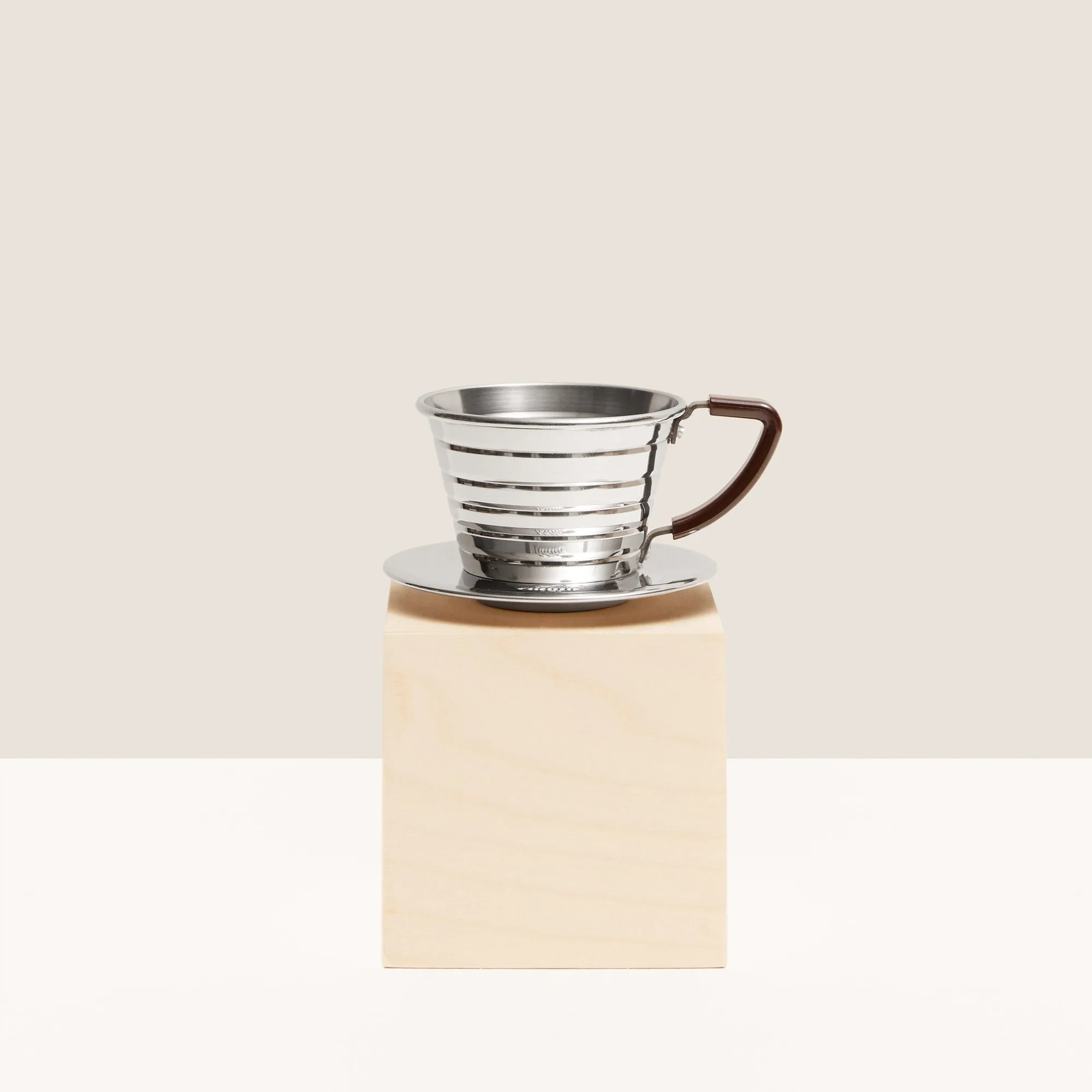
Kalita Wave Coffee Dripper
- Apax Lab's scale offers real-time flow rate monitoring, a feature rarely seen in consumer-grade gear.
- The PID temperature control ensures water stays within 0.5°C of your target, critical for light-roast coffees.
- Using a precision scale alongside a flat-bottom dripper like the Kalita Wave can enhance clarity and sweetness.
Why Precision Brewing Tools Are Taking Over Home Kitchens
The rise of precision brewing tools isn't limited to commercial cafes. Home baristas are increasingly investing in gear that offers control and repeatability. This trend is driven by a desire to understand the science behind extraction and to achieve café-quality results at home. Tools like gooseneck kettles, refractometers, and high-end drippers are becoming standard equipment for enthusiasts.
One standout example is the Kalita Wave Coffee Dripper, which has gained a loyal following for its flat-bottom design that promotes even extraction. Unlike conical drippers, the Wave's three small holes create a consistent flow rate, reducing the risk of channeling. Combined with a precision scale and a temperature-controlled kettle, it becomes a powerful tool for exploring the nuances of single-origin beans. For instance, brewing a light-roast coffee like the Tanzania — Edelweiss Estate Geisha with a Kalita Wave can highlight its floral and citrus notes in a way that other methods might miss.

Tanzania — Edelweiss Estate Geisha
- Flat-bottom drippers like the Kalita Wave offer more even extraction than conical designs.
- Investing in a precision scale with 0.1g accuracy is the single biggest upgrade for consistency.
- Temperature-controlled kettles allow you to adjust water temperature by degree, crucial for dialing in different roast levels.
The Return of Education: SCA Courses as a Trend Driver
Another significant trend in 2025 is the renewed emphasis on coffee education. As consumers become more curious about the origins and science of their coffee, structured learning programs like the SCA Barista Skills — Foundation course are seeing increased enrollment. This course covers the fundamentals of espresso extraction, milk texturing, and machine maintenance, providing a solid foundation for anyone serious about improving their skills.
Education is not just about technique; it's also about appreciation. Understanding the journey from cherry to cup deepens one's connection to the coffee. For example, learning about the meticulous processing methods behind a coffee like Colombia — Linarco Rodriguez Castillo can transform a simple morning brew into a moment of gratitude. Courses like the SCA Barista Skills — Foundation also introduce students to the importance of consistency, which ties directly back to the precision tools trend. By combining hands-on training with high-quality gear, coffee lovers can unlock new levels of enjoyment.
- SCA courses are now available both online and in-person, making education more accessible than ever.
- The Foundation level covers key topics like grind size, dose, and extraction time for espresso.
- Many students report that formal training helps them identify flavor notes and adjust recipes more intuitively.
Sustainability and Direct Trade: A Growing Priority
Sustainability continues to be a major force in specialty coffee, but in 2025, the conversation has shifted toward transparency and direct relationships. Consumers are no longer satisfied with vague claims of 'ethical sourcing'; they want to know the names of the farmers, the specific regions, and the impact of their purchase. This has led to a boom in direct-trade coffees, where roasters work closely with producers to ensure fair prices and quality.
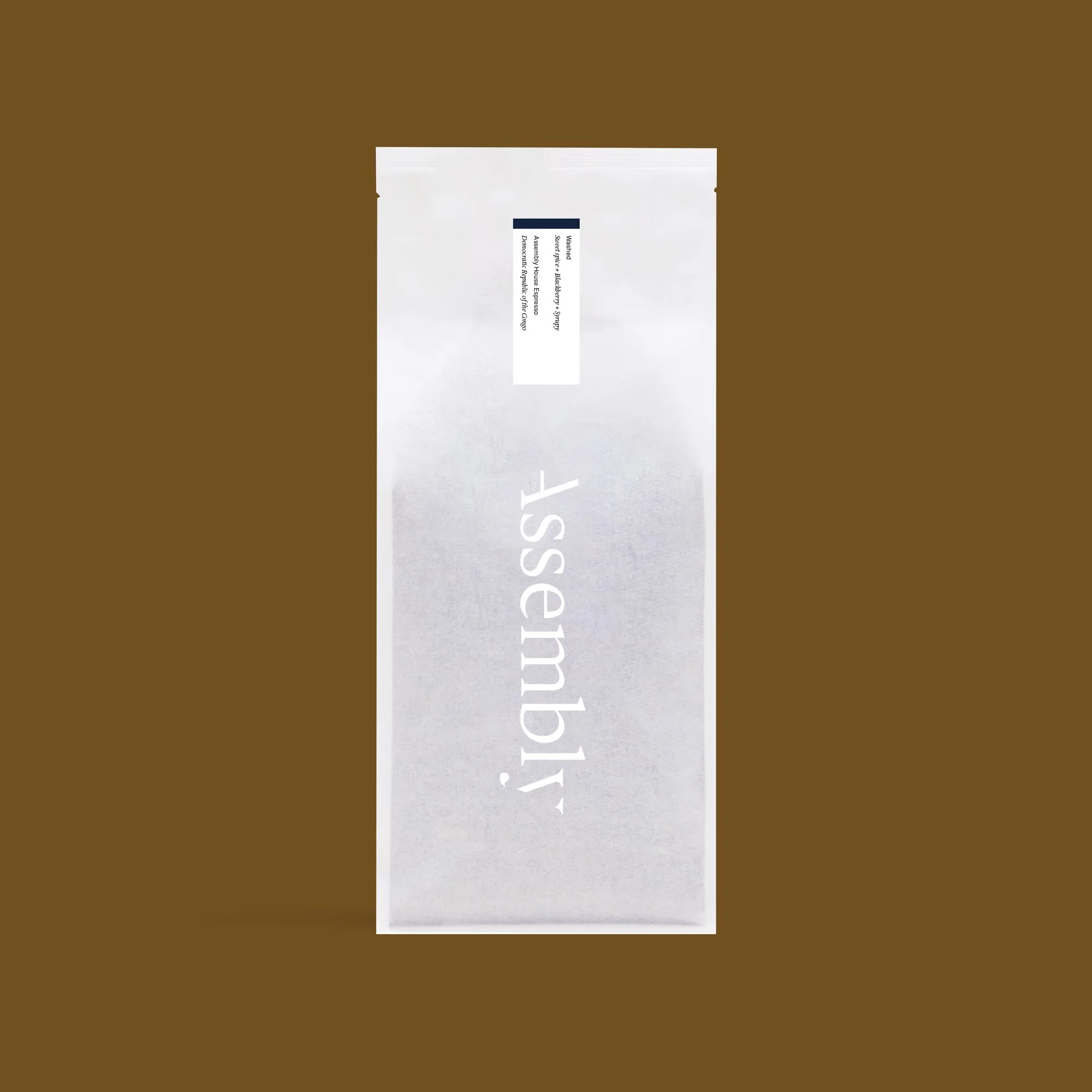
At Assembly Coffee, we celebrate this trend by offering traceable single-origin lots like the DR Congo — Sopade Best of Congo 104. This coffee comes from a cooperative that invests in community development and sustainable farming practices. By choosing such coffees, consumers directly support livelihoods and environmental stewardship. The trend also extends to packaging, with more roasters adopting compostable bags and reusable containers. For gift-giving, options like the Assembly Selected Filter Coffee (Gift) combine exceptional quality with eco-friendly presentation, making it a thoughtful choice for the conscious coffee lover.
- Look for roasters that provide detailed origin information, including farm name, altitude, and processing method.
- Direct-trade relationships often result in higher-quality beans because producers receive better compensation.
- Sustainable packaging is becoming the norm; many roasters now offer return-and-refill programs for their coffee bags.
As specialty coffee trends continue to evolve, one thing remains constant: the pursuit of a better cup. Whether you're intrigued by the data-driven approach of Apax Lab, the precision of a Kalita Wave, or the stories behind single-origin coffees, 2025 is the perfect time to explore. We invite you to discover the tools and beans that are shaping the future of coffee. Start your journey by exploring the Kalita Wave Coffee Dripper, a precision brewing tool that brings café-quality extraction to your home.