Quick Answer
For most people, a mineral (physical) sunscreen with SPF 25 offers a gentler, reef-safe option for daily wear, especially if you have sensitive skin. Chemical sunscreens absorb UV rays and feel lighter, but they may irritate sensitive skin and some contain ingredients that harm coral reefs. Choose mineral SPF 25 for everyday protection that's kind to your skin and the planet.
When choosing a daily sunscreen, the mineral vs chemical debate often comes down to how each type works and what your skin tolerates. Mineral sunscreens sit on the skin and reflect UV rays, while chemical sunscreens absorb them. Both can provide SPF 25 protection, but their textures, ingredients, and environmental impact differ.
If you're looking for a natural sunscreen that's gentle on sensitive skin and reef-safe, mineral SPF 25 is a strong contender. But chemical sunscreens have their own advantages, like a lighter feel and easier blending. Let's break down the trade-offs so you can pick the right one for your routine.
How Mineral and Chemical Sunscreens Differ
Mineral sunscreens, also called physical sunscreens, use zinc oxide or titanium dioxide to create a barrier on the skin that reflects UV rays. They work immediately after application and are less likely to clog pores. Because they sit on top, they can feel heavier and leave a white cast, though newer formulas are improving.
Chemical sunscreens contain organic compounds like avobenzone or oxybenzone that absorb UV rays and convert them into heat. They're often thinner and easier to rub in, making them popular for daily wear. However, they need about 20 minutes to become effective and can cause irritation in sensitive skin. Some chemical filters have also been linked to coral reef damage.
- Mineral SPF 25: broad-spectrum protection, gentle on sensitive skin, reef-safe options available.
- Chemical SPF 25: lightweight, invisible finish, but may irritate sensitive skin and some are not reef-safe.
SPF 25 Benefits for Daily Use
SPF 25 blocks about 96% of UVB rays, which is sufficient for everyday activities like commuting or short outdoor errands. It's a practical choice for daily sunscreen because it offers solid protection without the heavy feel of higher SPFs. For extended sun exposure, you'd want SPF 50+, but for most days, SPF 25 is a balanced option.
Using SPF 25 daily helps prevent sunburn, premature aging, and skin discoloration. It's especially beneficial if you're using skincare products with active ingredients like vitamin C or peptides, as sunscreen protects your skin from UV damage that can undo their benefits.
- Apply SPF 25 every morning as the last step of your skincare routine.
- Reapply every two hours if you're outdoors for extended periods.
Sunscreen for Sensitive Skin: Which Type Wins?
If you have sensitive skin, mineral sunscreens are generally the safer choice. Physical blockers like zinc oxide are less likely to cause allergic reactions because they don't absorb into the skin. They also have anti-inflammatory properties, which can soothe redness.
Chemical sunscreens, on the other hand, can trigger stinging or breakouts in sensitive skin due to their absorption process. If you're prone to irritation, look for a mineral SPF 25 that's fragrance-free and formulated with soothing ingredients like chamomile or aloe vera.
- Patch test any new sunscreen on your inner arm before applying to your face.
- Choose a mineral sunscreen with minimal ingredients to reduce irritation risk.
Reef-Safe Sunscreen: A Key Difference
Chemical sunscreens containing oxybenzone or octinoxate have been shown to harm coral reefs, leading to bans in places like Hawaii. Mineral sunscreens using non-nano zinc oxide or titanium dioxide are considered reef-safe because they don't dissolve into the water.
If you care about ocean conservation, choosing a mineral SPF 25 is a simple way to reduce your environmental impact. Look for labels that say 'reef-safe' or 'non-nano' to ensure the particles are large enough not to be ingested by marine life.
- Opt for mineral sunscreens with non-nano ingredients for reef-safe protection.
- Avoid chemical sunscreens with oxybenzone or octinoxate if you swim in the ocean.
Trade-offs at a Glance
- Mineral SPF 25: Skin Sensitivity vs. Texture: Mineral sunscreens are gentler on sensitive skin and reef-safe, but they can feel heavier and leave a white cast. Newer formulas reduce this, but it's still a trade-off. If you have sensitive skin or prioritize eco-friendliness, mineral SPF 25 is worth the texture compromise.
- Chemical SPF 25: Lightweight Feel vs. Environmental Impact: Chemical sunscreens blend easily and feel invisible, but they may irritate sensitive skin and some contain reef-harming ingredients. Choose chemical SPF 25 only if you don't have sensitivity issues and you're not swimming in coral reef areas.
- Daily Use: SPF 25 Adequacy vs. Higher SPF: SPF 25 blocks 96% of UVB rays, which is enough for everyday activities. For prolonged sun exposure, you'd need SPF 50+, but that often means a heavier formula. For daily sunscreen, SPF 25 offers a balanced level of protection without the heaviness of higher SPFs.
Product Facts from UpCircle
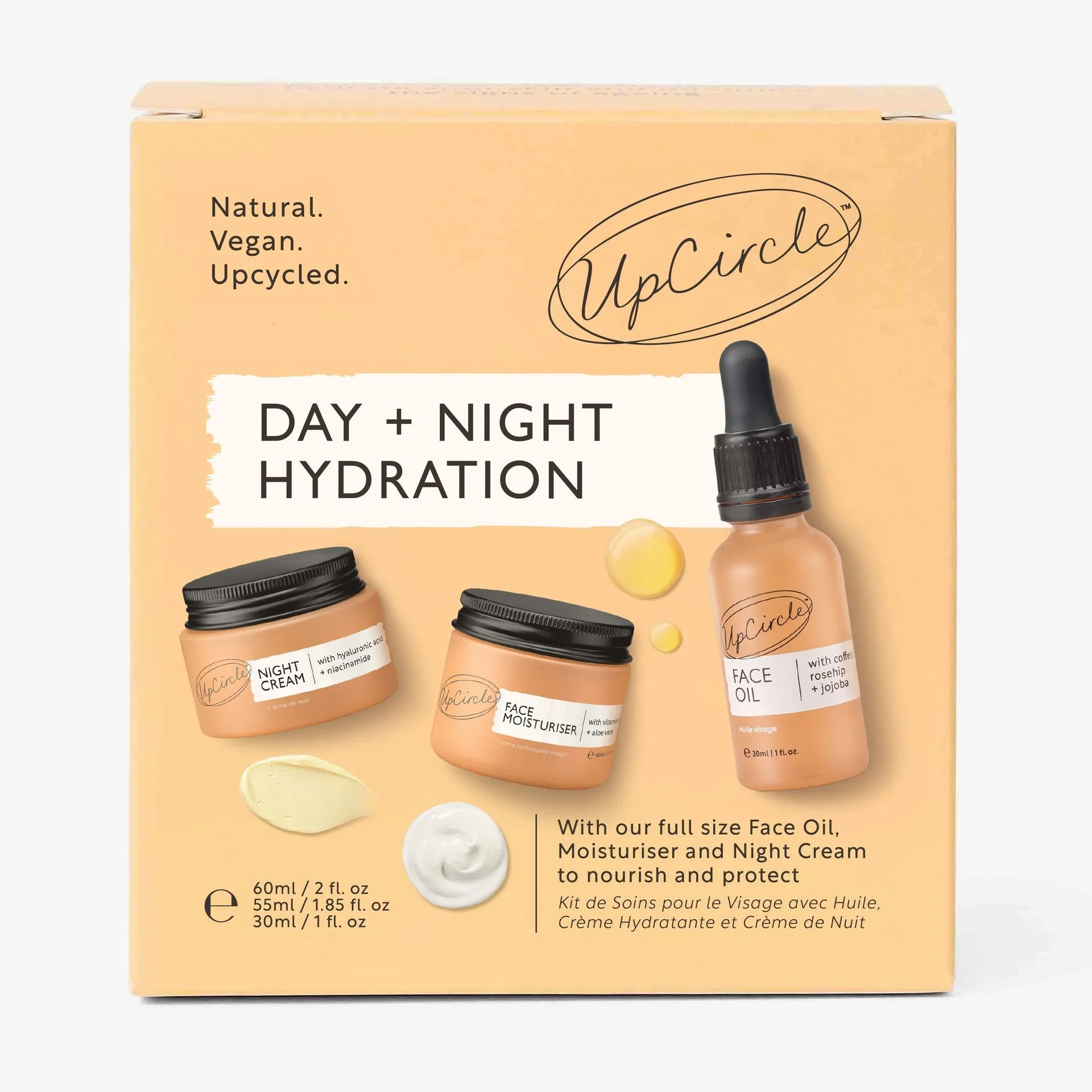
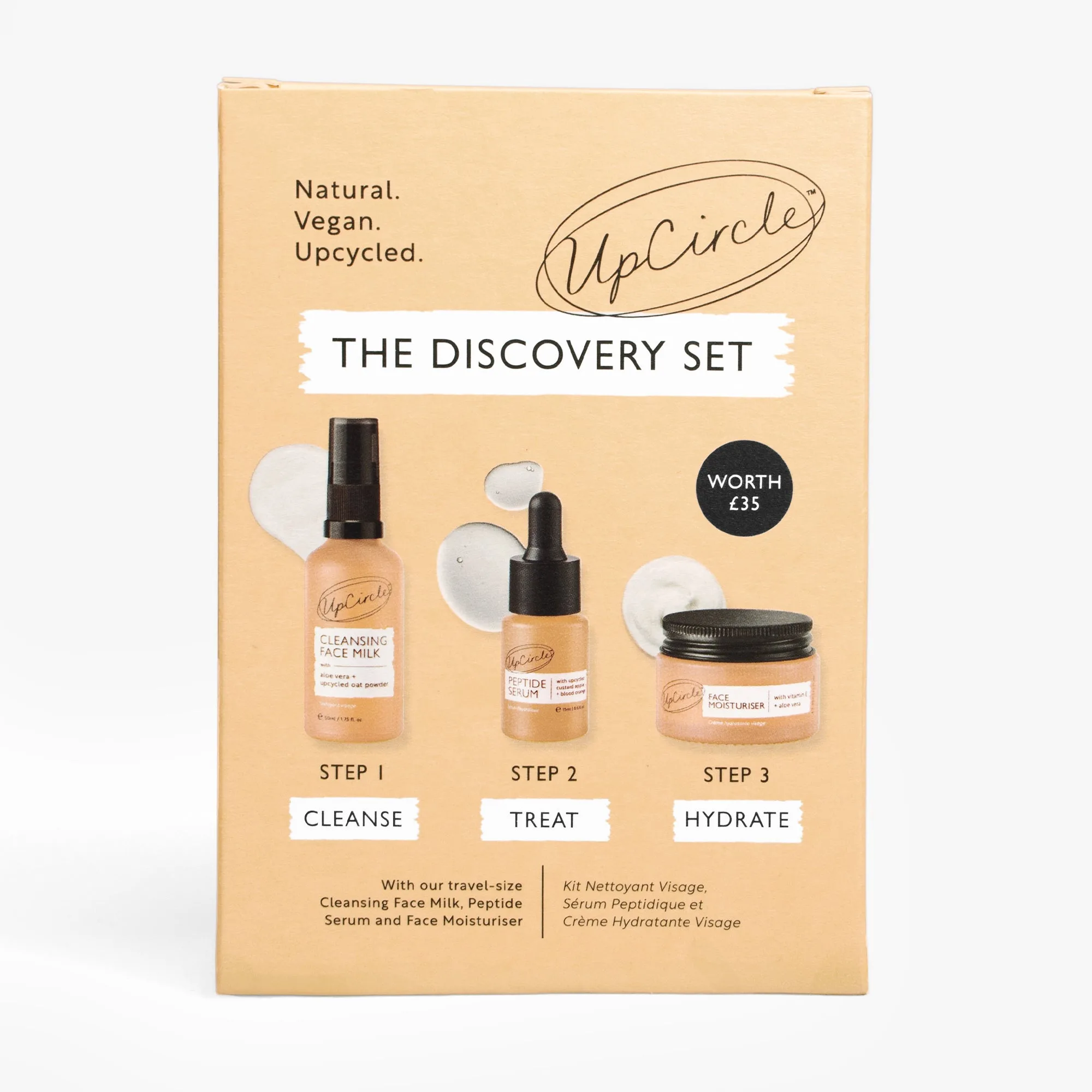
- Face Moisturiser with Vitamin E: This multi award-winning face moisturiser with Vitamin E is deeply hydrating, fast-absorbing, and dermatologically approved. It contains argan powder, cocoa butter, aloe vera, and blood orange. While not a sunscreen, this moisturiser provides a nourishing base that pairs well with a separate SPF 25 mineral sunscreen, ensuring your skin stays hydrated without interfering with sun protection.
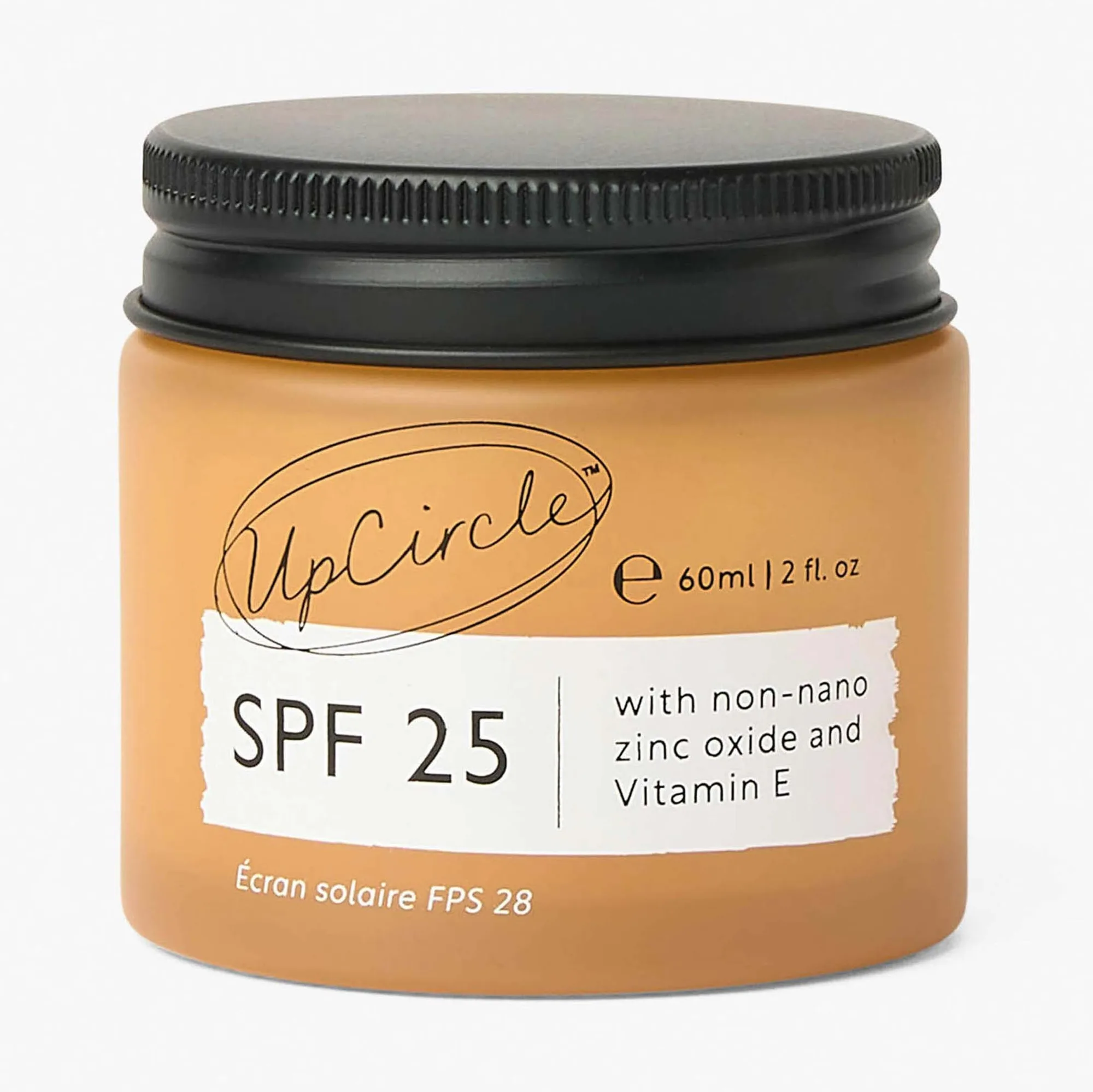
SPF 25 mineral sunscreen
- Face Toner with Hyaluronic Acid: A hydrating toner enriched with hyaluronic acid to plump the skin and chamomile to soothe. Made with residual water from green mandarin fruit. Using a hydrating toner before your sunscreen can help prep sensitive skin, making it more comfortable to apply a mineral SPF 25 that might otherwise feel dry or tight.
Which Sunscreen Should You Choose?
Best for
- People with sensitive skin who need gentle, non-irritating sun protection.
- Environmentally conscious users who want a reef-safe sunscreen for ocean activities.
- Those seeking a natural sunscreen with minimal ingredients for daily wear.
Not for
- People who prefer a completely invisible, lightweight sunscreen and don't have sensitive skin.
- Those planning extended outdoor activities who need higher SPF protection (SPF 50+).
When deciding between mineral and chemical sunscreen, consider your skin type, lifestyle, and environmental values. Mineral SPF 25 is a fantastic everyday choice for sensitive skin and reef safety, while chemical sunscreens offer convenience but come with potential drawbacks. Whichever you choose, make daily sunscreen a non-negotiable step in your routine to protect your skin from UV damage.