What to Look for in a Sport Sunscreen
When you're active outdoors, your sunscreen needs to stay put and still protect. A sport sunscreen should be water-resistant, non-greasy, and formulated for sweat and movement. Mineral sunscreens are a popular choice for active days because they sit on the skin's surface and reflect UV rays, rather than being absorbed.
For summer activities like hiking, swimming, or running, an SPF 40 mineral sunscreen offers broad-spectrum protection without heavy chemicals. The key is finding a formula that balances efficacy with skin comfort.
A Reef-Friendly Option for Active Days
-
SPF 40 Sport Mineral Sunscreen Cream: Made with just 4 simple ingredients, it’s the first formula ever to achieve the rigorous reef-friendly Protect Land + Sea Certification. If you swim in oceans or lakes, a certified reef-friendly sunscreen helps protect marine ecosystems while still providing dependable sun protection.
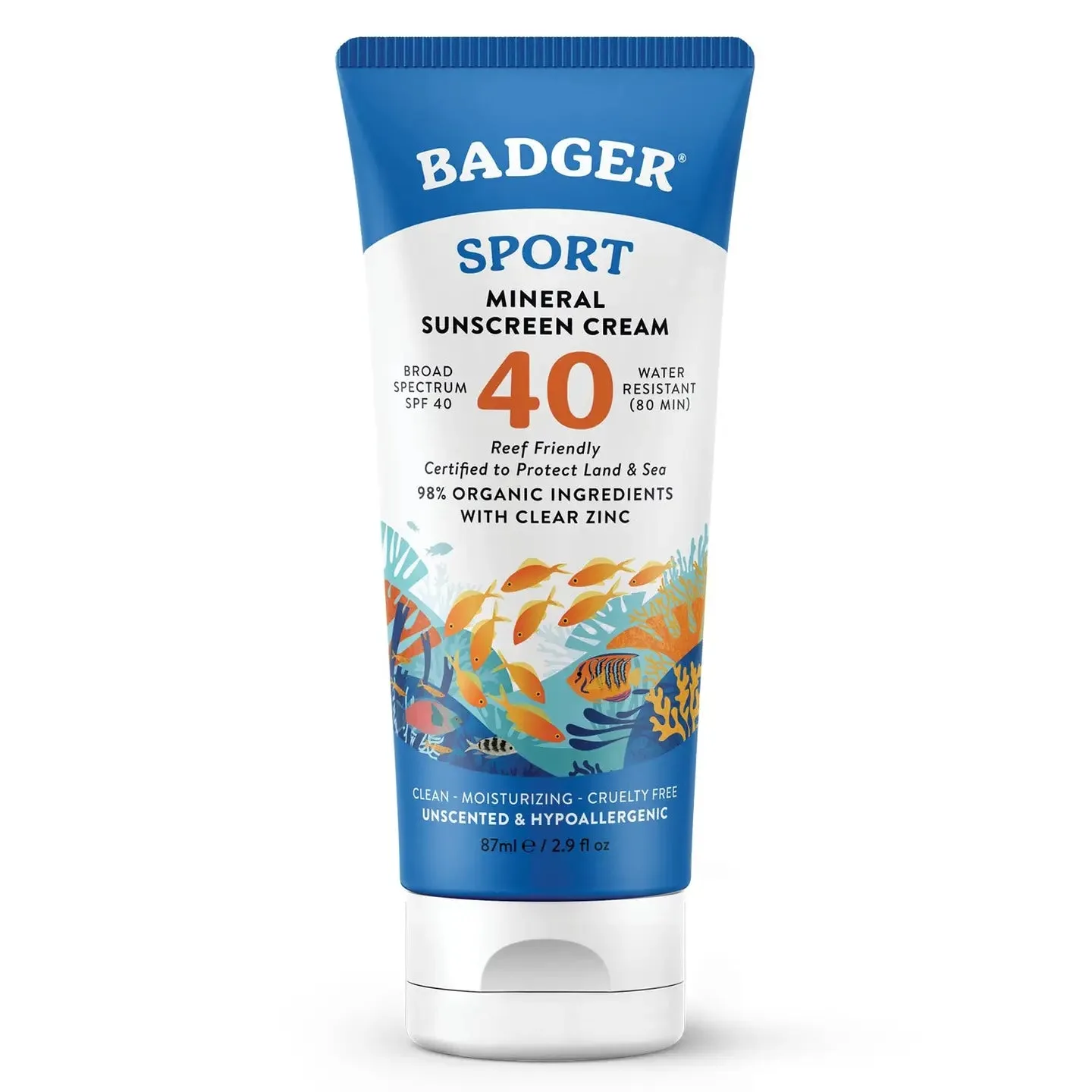
SPF 40 Sport Mineral Sunscreen Cream
-
SPF 40 Sport Mineral Sunscreen Cream: Expert-crafted, ocean-approved! Nourish and protect your skin with this mineral sunscreen cream, ideal for long days in the surf and sun. This description confirms the product is designed for extended outdoor use, making it a practical choice for active days where reapplication may be less frequent.
Mineral vs. Chemical Sunscreens for Activity
Mineral sunscreens use zinc oxide or titanium dioxide to create a physical barrier on the skin. They start working immediately after application and are less likely to irritate sensitive skin. Chemical sunscreens, on the other hand, absorb UV rays and convert them to heat, which can take some time to become effective. Follow the product instructions for application timing.
For active days, mineral formulas are often preferred because they don't require a waiting period and are less likely to sting if you sweat. The trade-off is that some mineral sunscreens can feel thicker or leave a white cast. Look for micronized formulas or those labeled "sheer" if that's a concern.
Choosing the Right SPF Level for Activity
SPF 40 blocks a high percentage of UVB rays, which is sufficient for most outdoor activities when applied correctly. Higher SPFs (50 or 70) offer marginal extra protection but may give a false sense of security, leading to less frequent reapplication.
For active use, reapplication every two hours (or after swimming/sweating heavily) is more important than the SPF number. A sport sunscreen with SPF 40 hits a good balance between protection and texture.
- SPF 30: Blocks a high percentage of UVB rays. Suitable for casual outdoor time, but may require more frequent reapplication during intense activity.
- SPF 40: Blocks a high percentage of UVB rays. A practical choice for active days, offering solid protection without excessive thickness.
- SPF 50+: Blocks a high percentage of UVB rays. Often thicker; can feel heavy on the skin during sports. Not necessary for most people if reapplied properly.
How to Use a Mineral Sport Sunscreen Effectively
Apply generously before sun exposure (mineral formulas work immediately, but this allows even coverage). Use about a shot glass amount for your body. Reapply every two hours, or immediately after swimming, sweating heavily, or towel drying. Follow the product instructions for specific timing.
For active days, consider a cream or lotion rather than a spray, as sprays can miss spots and may not provide uniform coverage. A mineral cream like the SPF 40 Sport Mineral Sunscreen Cream is easy to apply and see where you've covered.