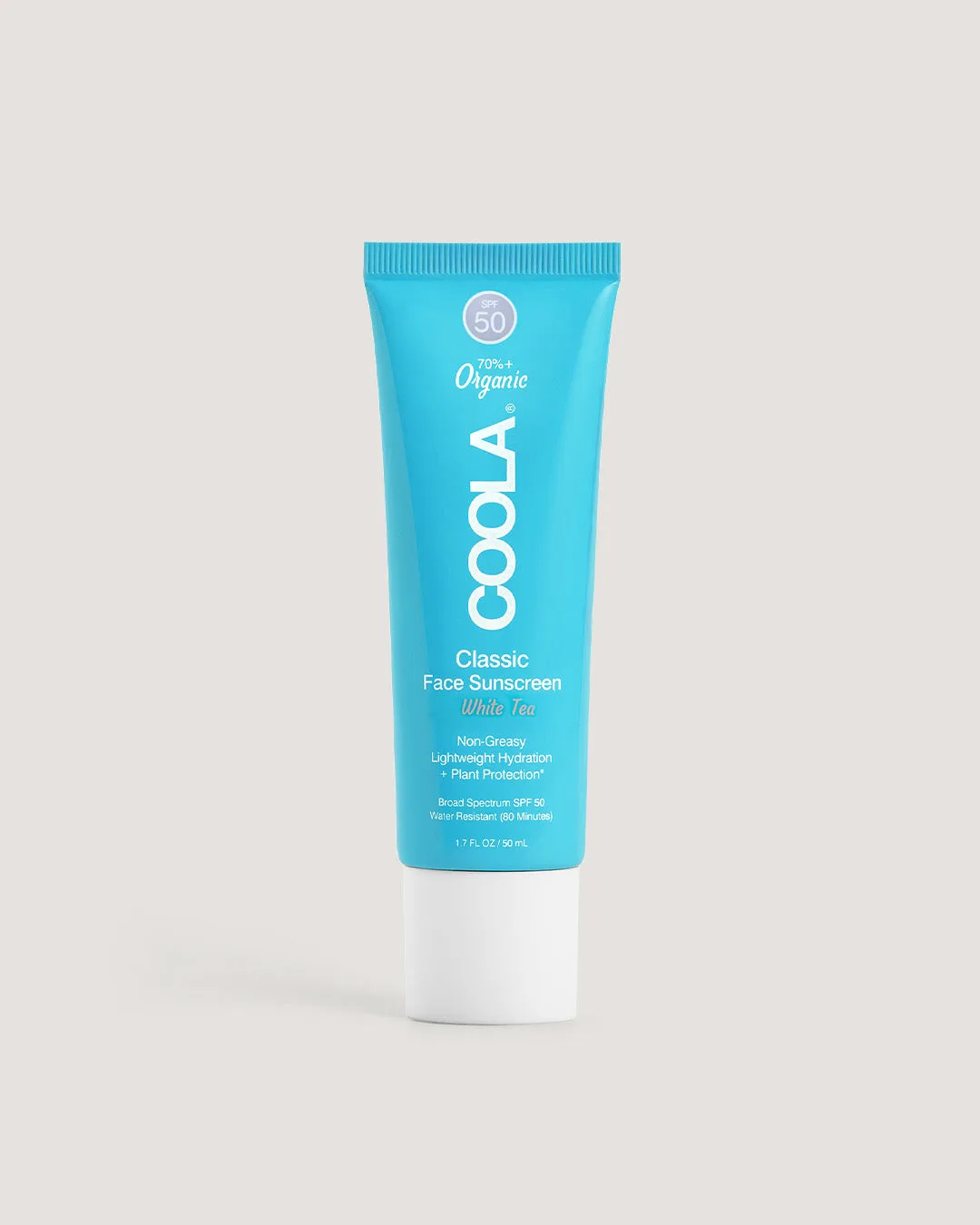
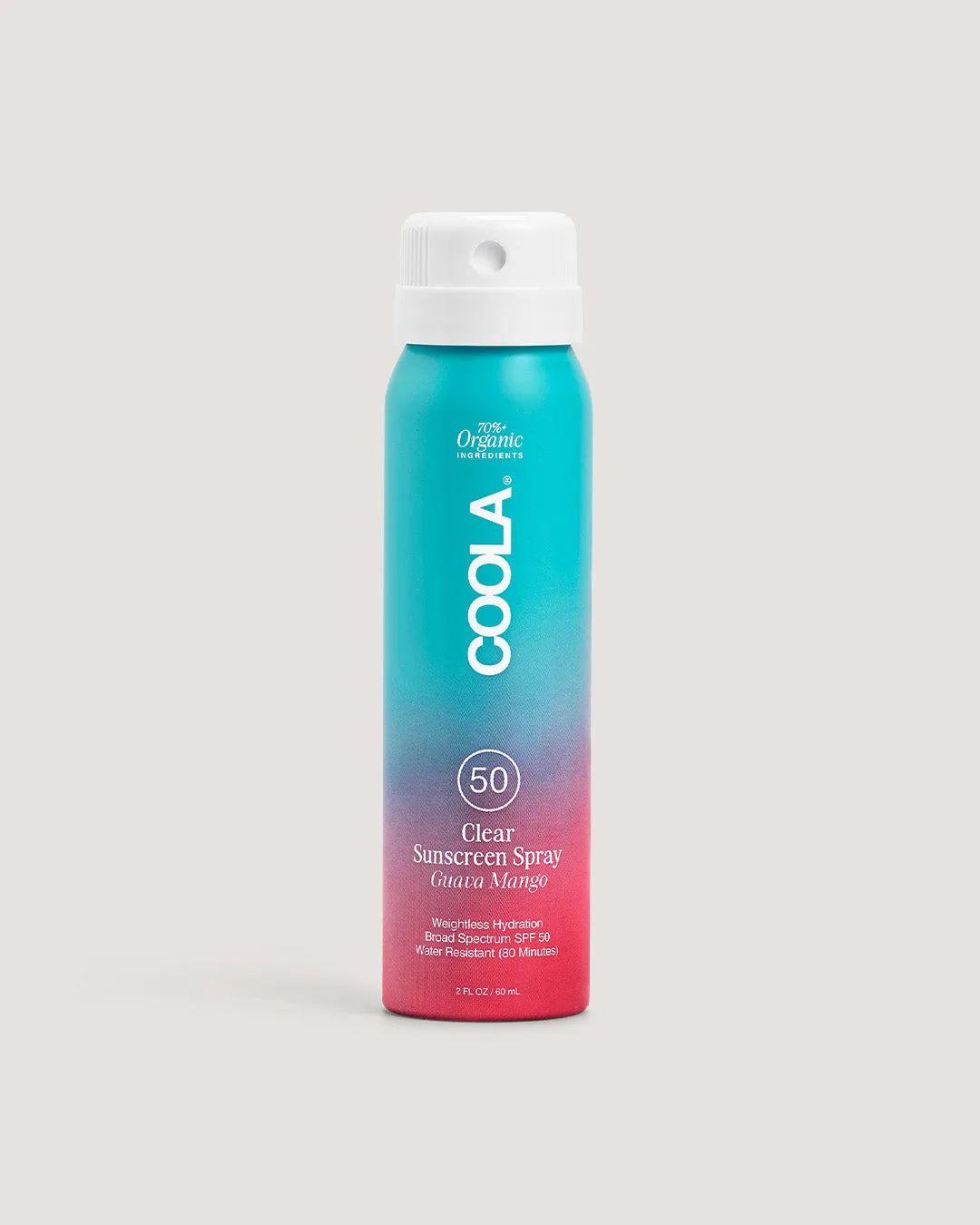
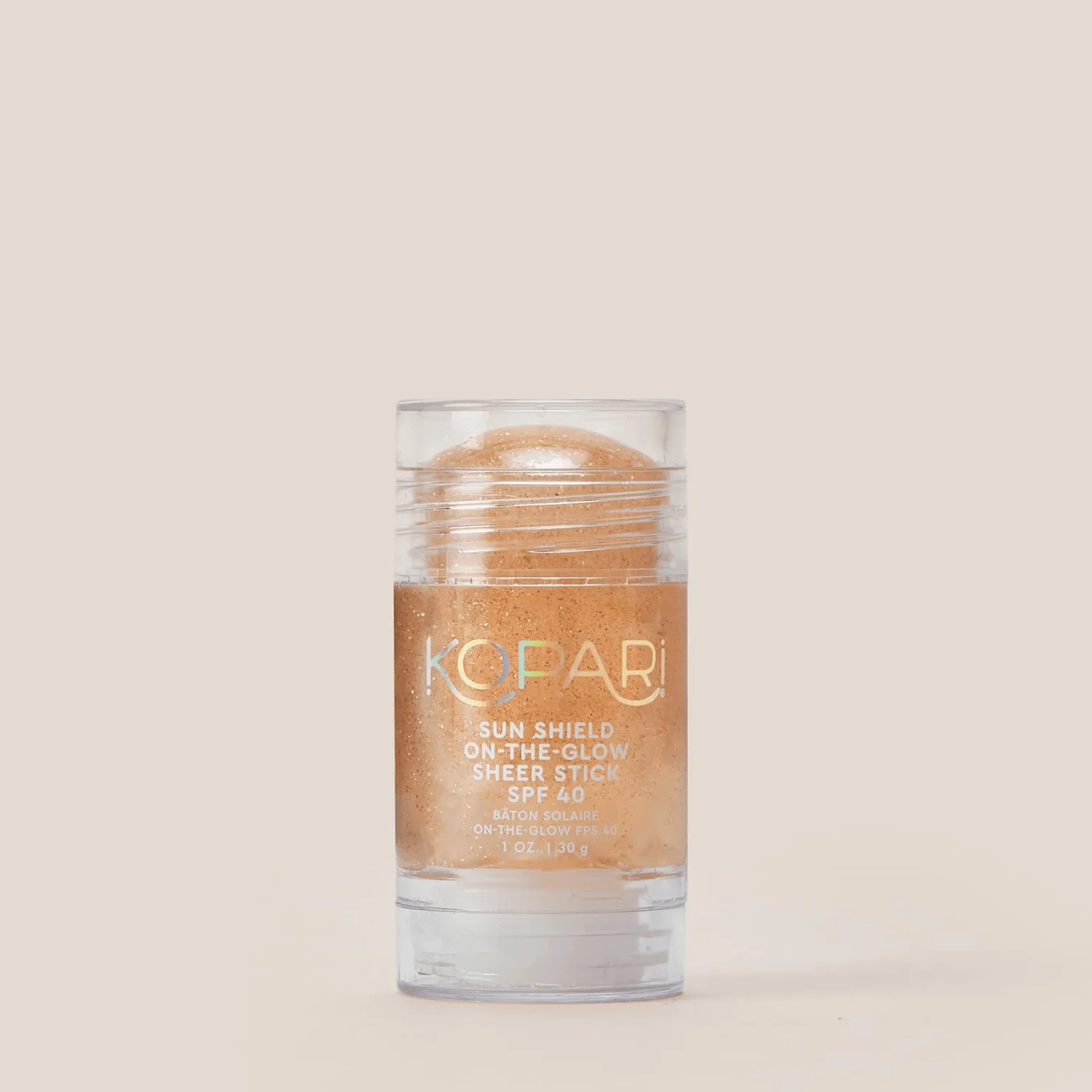
The format question comes down to where you apply
A stick and a spray solve different problems. A stick gives you a precise, hands-free way to cover small, delicate areas. A spray is built for speed over larger areas of the body. Neither is automatically better; the right choice depends on whether you are protecting the eye contour, nose, lips and tattoos, or arms, shoulders and legs.
The Taormina SPF 50+ stick is a compact 15 ml format designed for targeted application on the most sensitive parts of the face. Its transparent texture is described as invisible, with no white residue, and it is formulated to protect against UVA and UVB. That makes it a natural candidate for the face-and-lips side of the comparison. A spray, by contrast, is usually the more practical body format, though the exact spray product you compare should be checked against its own label.
Stick vs spray: where each format earns its place
- Precision on small areas: A stick lets you apply directly to the eye contour, nose-labial area, moles, scars and tattoos without spreading product over the whole face. A spray is harder to aim at these small zones.
- Face and lips: The Taormina stick is explicitly described as ideal for the eye contour, nose-labial area, moles, scars and tattoos. The supplied record does not list lips as a use area, so treat lip use as a personal decision rather than a confirmed instruction.
- Body coverage: A spray is generally the faster way to cover arms, shoulders and legs. The Taormina record is focused on the face and does not present itself as a body product, so do not assume the 15 ml stick is meant for full-body application.
- Travel and touch-ups: The 15 ml stick is compact and designed to be carried with you for quick, on-the-go protection. A spray bottle may be larger or subject to airline liquid rules; check the size and packaging of any spray you consider.
- Finish and layering: The Taormina stick is described as invisible, non-greasy and easy to apply over skincare or make-up. Spray finishes vary by product and are not covered by the supplied Taormina record.
What the Taormina stick actually offers
-
TAORMINA – STICK PROTETTIVO INVISIBILE SPF 50+ UVA UVB: SPF 50+ protection against UVA and UVB in a transparent, invisible stick. This is the core claim for anyone comparing it with a spray for high-protection face use.
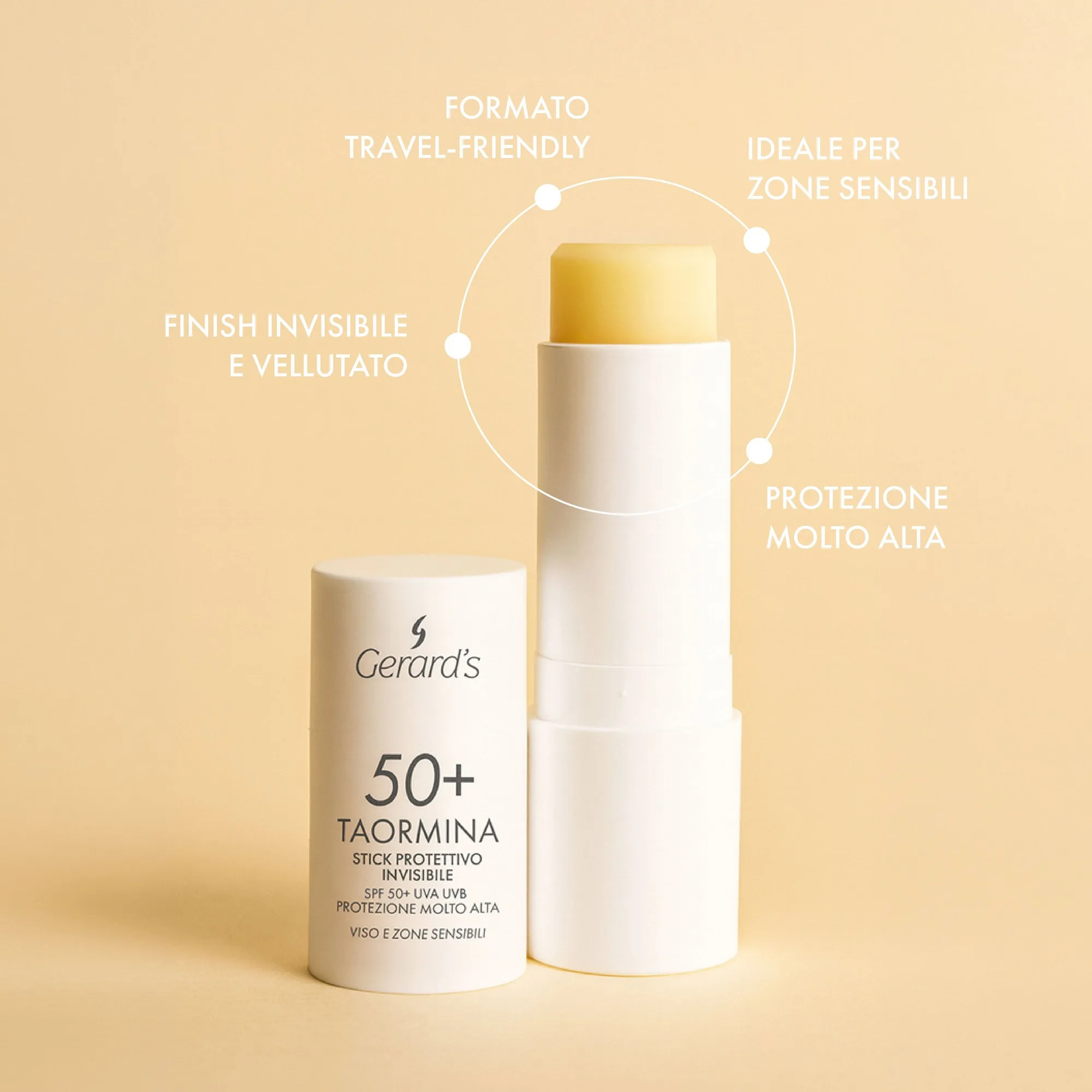
TAORMINA – STICK PROTETTIVO INVISIBILE SPF 50+ UVA UVB
-
TAORMINA – STICK PROTETTIVO INVISIBILE SPF 50+ UVA UVB: 15 ml compact stick designed for quick, portable protection. Size matters for travel and touch-ups; 15 ml is small enough to keep with you, but it is not a body-sized format.
-
TAORMINA – STICK PROTETTIVO INVISIBILE SPF 50+ UVA UVB: Waterproof formula with an invisible finish that does not leave residue or feel greasy, and can be applied over skincare or make-up. These are practical advantages for face application and reapplication during a day out.
-
TAORMINA – STICK PROTETTIVO INVISIBILE SPF 50+ UVA UVB: Designed for sensitive zones: eye contour, nose-labial area, moles, scars and tattoos. This is the clearest reason to choose a stick over a spray for targeted face protection.
Where a spray still makes sense
If your main need is covering a large area of the body quickly, a spray is usually the more efficient format. It can be applied over arms, shoulders and legs in less time than a stick, and many people find it easier to reach the back. The trade-off is precision: spray drift can miss small areas, and you may still want a stick for the face.
The supplied information for this article does not include a specific spray product record, so I cannot compare a named spray's protection level, finish or water resistance. Use the same checks you would for any sunscreen: look for broad-spectrum UVA and UVB protection, check the SPF, and confirm the format suits the area you plan to cover.
A simple way to decide for your day
- City day with make-up: Choose the stick if you want to top up protection over make-up without disturbing it. The Taormina stick is described as easy to apply over skincare or make-up.
- Beach or mountain day: Carry the stick for face touch-ups and a spray for the body. The Taormina stick is waterproof, but the record does not specify a reapplication interval, so follow the general sunscreen guidance on the product label.
- Minimal packing: If you want one product for face and lips, a stick is the more targeted choice. If you need one product for the body, a spray is more practical. Many travellers carry both.
- Sensitive or precise areas: The stick is the clearer fit for scars, tattoos, moles and the eye contour, because you can apply it exactly where you want it.
What the record does not confirm
The Taormina record does not state a reapplication time, a quantity to apply, or suitability for children. It also does not list lips as a confirmed use area. Those are not flaws; they are simply details the supplied information does not cover, and you should check the product packaging or ask the brand if they matter to you.
For any spray you compare, the same rule applies: do not assume water resistance, finish or compatibility with make-up unless the product label says so. A format comparison is a starting point, not a substitute for reading the label of the specific product you buy.