Understanding SPF can feel overwhelming, especially when you’re trying to protect your child’s delicate skin. With so many numbers, labels, and claims on sunscreen bottles, it’s easy to get confused. But knowing the facts about SPF is one of the most important steps you can take to keep your little ones safe from harmful UV rays.
This guide breaks down what SPF actually means, how it works, and what parents should look for when choosing a sunscreen for kids. Whether you’re headed to the beach, the park, or just the backyard, you’ll feel confident making the right choice for your family.
What Does SPF Stand For?
SPF stands for Sun Protection Factor. It’s a measure of how well a sunscreen protects your skin from UVB rays—the kind that cause sunburn and contribute to skin cancer. For example, SPF 15 blocks about 93% of UVB rays, while SPF 30 blocks about 97%, and SPF 50 blocks about 98%. No sunscreen blocks 100% of UV rays, so reapplication is essential.
It’s important to note that SPF only measures UVB protection. To protect against UVA rays (which cause premature aging and also contribute to skin cancer), you need a “broad spectrum” sunscreen. Always choose a product labeled “broad spectrum” for complete protection.
- SPF 15: 93% UVB protection
- SPF 30: 97% UVB protection
- SPF 50: 98% UVB protection
- Always choose broad spectrum to shield against both UVA and UVB rays.
How Much Sunscreen Should You Apply?
Most people apply only 25-50% of the recommended amount of sunscreen. For children, you should use about a shot glass full (roughly 1 ounce) to cover their entire body. Don’t forget often-missed spots like the ears, back of the neck, tops of feet, and behind the knees.
Apply sunscreen 15-30 minutes before going outside to allow it to bind to the skin. Reapply every two hours, or immediately after swimming, sweating, or toweling off. Even water-resistant sunscreens lose effectiveness after 40-80 minutes in the water.
- Use about 1 ounce (a shot glass full) per full body application for a child.
- Apply 15-30 minutes before sun exposure.
- Reapply every 2 hours or after swimming/sweating.
Physical vs. Chemical Sunscreen: Which Is Better for Kids?
Physical (mineral) sunscreens use ingredients like zinc oxide or titanium dioxide to sit on top of the skin and reflect UV rays. They are generally considered safer for sensitive skin because they don’t absorb into the bloodstream. Chemical sunscreens, on the other hand, absorb UV rays and convert them into heat, which is then released from the skin.
For children—especially those with eczema or sensitive skin—pediatricians often recommend mineral sunscreens. They are less likely to cause irritation or allergic reactions. Look for products with non-nano zinc oxide for safe, effective protection.
- Physical sunscreens (zinc oxide, titanium dioxide) are best for sensitive skin.
- Avoid chemical sunscreens with oxybenzone or octinoxate, which can irritate young skin.
- Non-nano zinc oxide provides safe, broad-spectrum protection.
Top Sunscreen Picks for Kids with Sensitive Skin
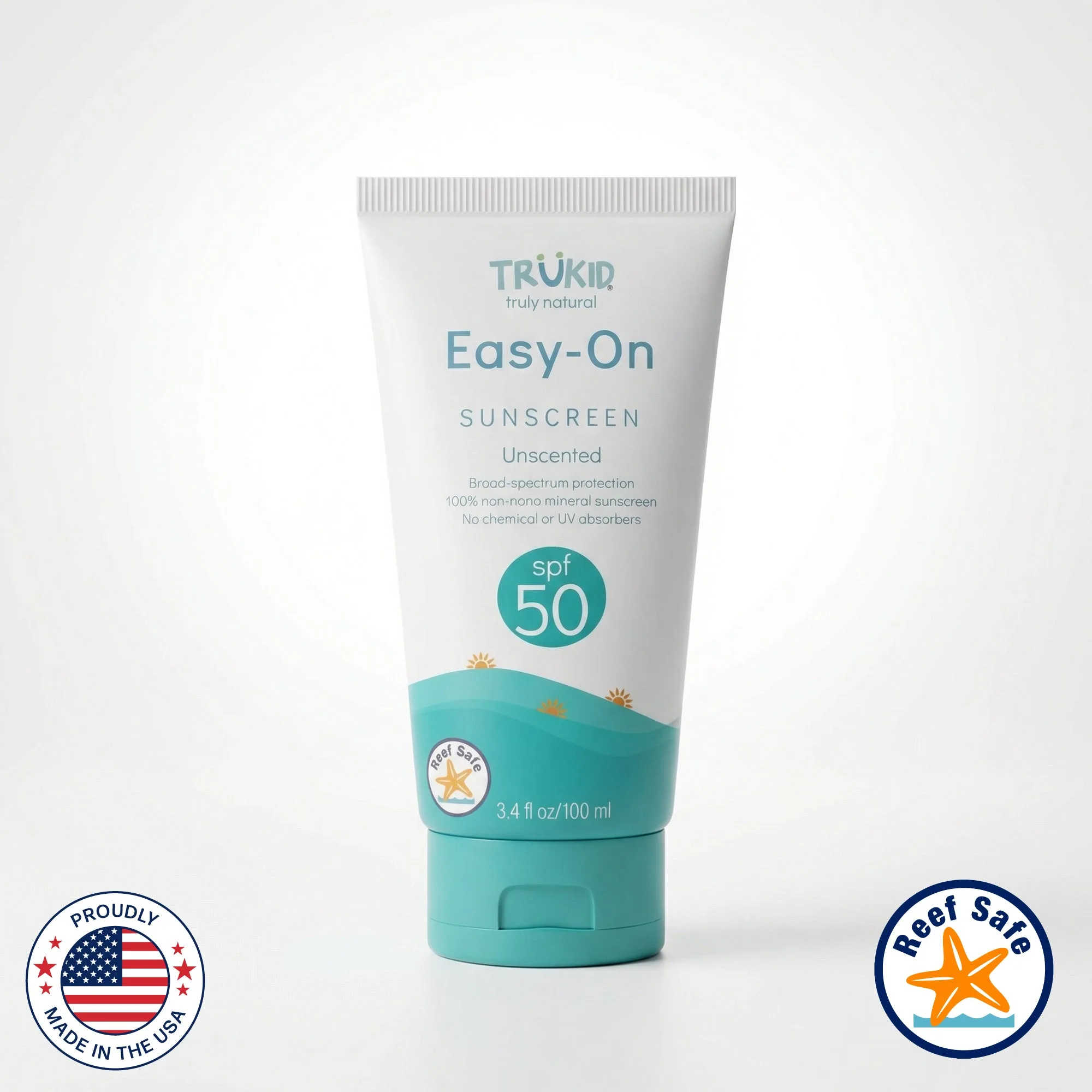
When shopping for a child-friendly sunscreen, look for mineral-based formulas that are free from fragrances, parabens, and harsh chemicals. Two excellent options from TruKid are the TruKid Easy On SPF50 Sunscreen 3.4oz and the TruKid Daily Mineral SPF 50 Sunscreen 0.7oz. Both are made with non-nano zinc oxide, hypoallergenic, and water-resistant for up to 80 minutes.
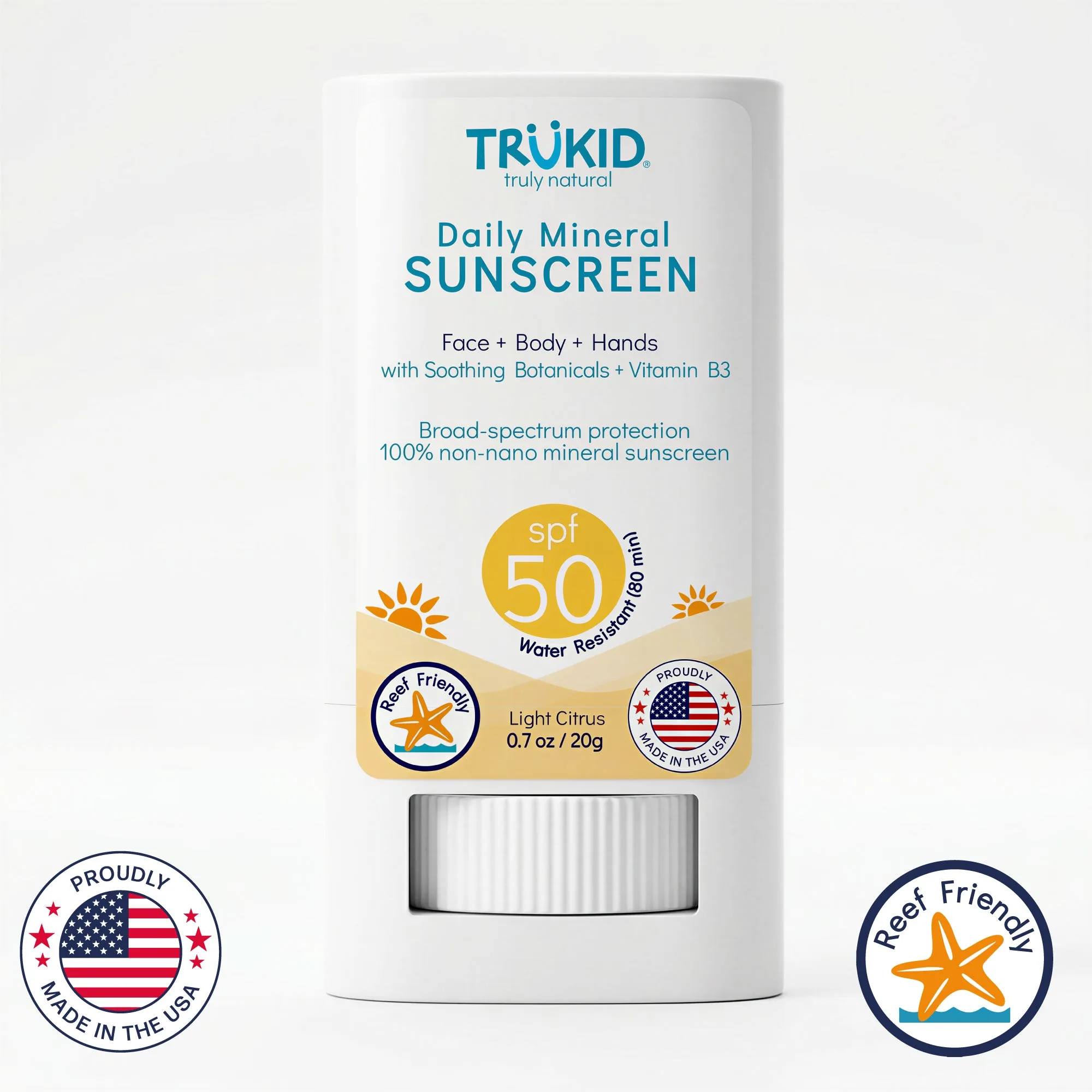
TruKid Daily Mineral SPF 50 Sunscreen 0.7oz
The TruKid Easy On SPF50 Sunscreen 3.4oz is perfect for full-body coverage, while the TruKid Daily Mineral SPF 50 Sunscreen 0.7oz is a convenient, travel-friendly size for quick touch-ups on the go. Both are gentle enough for daily use and won’t leave a chalky white residue.
- TruKid Easy On SPF50 Sunscreen 3.4oz: ideal for full-body, everyday use.
- TruKid Daily Mineral SPF 50 Sunscreen 0.7oz: perfect for on-the-go reapplication.
- Both are fragrance-free, hypoallergenic, and water-resistant.
Common Sunscreen Myths Parents Should Know
Myth #1: “I only need sunscreen on sunny days.” UV rays penetrate clouds and can reflect off surfaces like water, sand, and snow, causing sunburn even on overcast days. Myth #2: “Higher SPF means I can stay out longer.” No sunscreen lasts all day—you must reapply every two hours regardless of SPF number. Myth #3: “My child has dark skin, so they don’t need sunscreen.” Everyone, regardless of skin tone, can get sunburned and develop skin cancer from UV exposure.
Myth #4: “Sunscreen is enough.” Sunscreen is just one part of sun safety. Also seek shade during peak hours (10 a.m. to 4 p.m.), wear protective clothing, hats, and sunglasses, and avoid tanning beds entirely.
- Apply sunscreen even on cloudy days.
- Reapply every 2 hours—SPF 100 does not last longer.
- All skin tones need sun protection.
- Combine sunscreen with shade, hats, and clothing for best protection.
How to Make Sunscreen Part of Your Daily Routine
Building a habit of daily sunscreen use can be simple. Keep a bottle in the diaper bag, car, and by the front door as a reminder. For toddlers, make application fun by singing a song or letting them “help” rub it in. Use a gentle, moisturizing formula that feels good on their skin to avoid resistance.
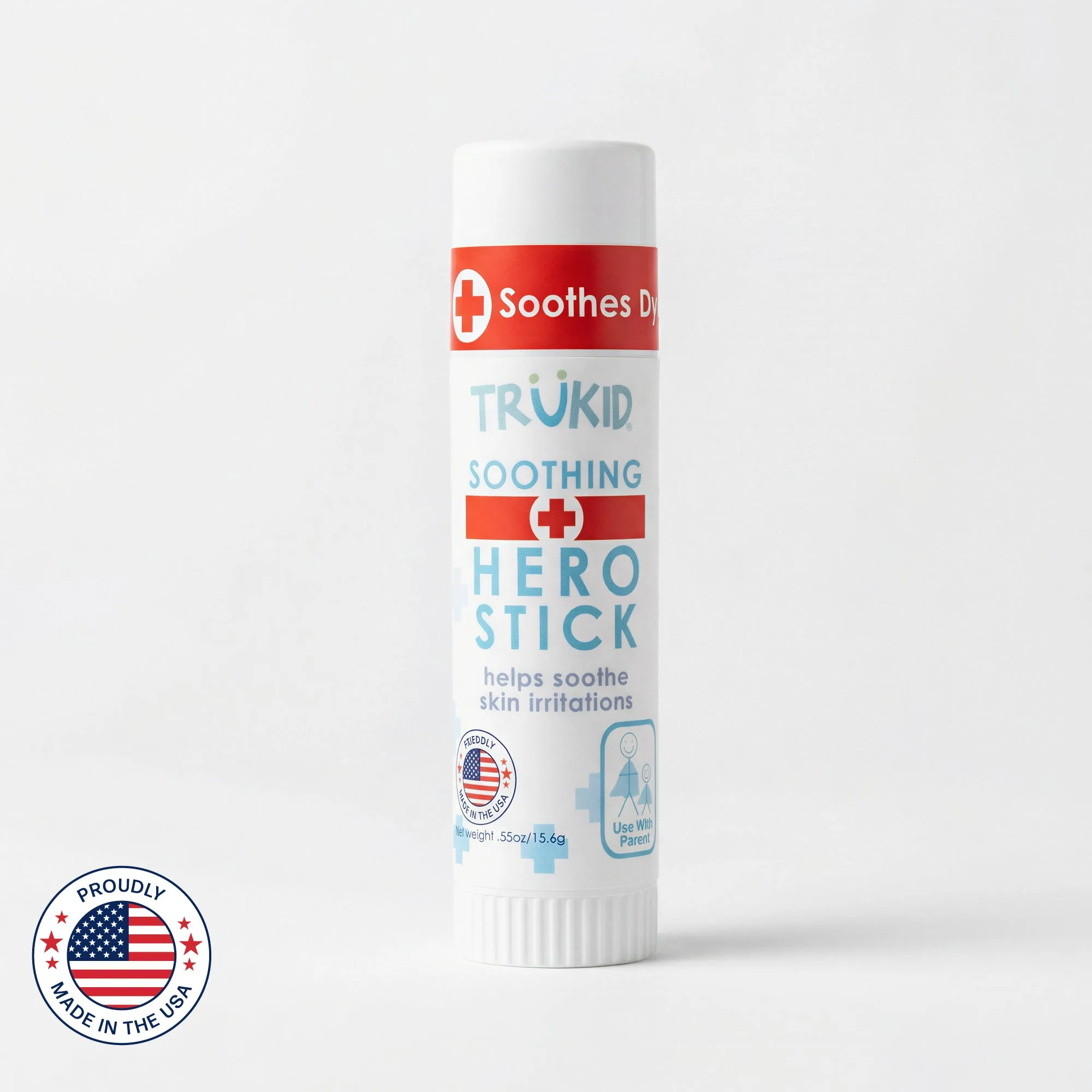
If your child has eczema or very sensitive skin, pair sunscreen with a soothing moisturizer. TruKid’s Soothing Hero Stick is excellent for calming any redness or irritation that may occur after sun exposure. Apply it after cleansing and before sunscreen for best results.
- Store sunscreen in visible places to remember daily application.
- Make application a fun, positive experience for young children.
- For eczema-prone skin, use a soothing balm like TruKid Soothing Hero Stick before sunscreen.
Choosing the right sunscreen for your child doesn’t have to be complicated. By understanding SPF, opting for mineral formulas, and making sun protection a daily habit, you can keep your little one’s skin safe and healthy all year long. For a gentle, effective option that’s perfect for sensitive skin, check out the TruKid Easy On SPF50 Sunscreen 3.4oz and make it your go-to for family adventures.