Two teas, two very different cups
Spiced Rose Chai and Winter Forest Green Tea sit at opposite ends of the tea shelf. One is a spiced black tea blend built on cardamom, ginger, clove and black pepper with rose petals; the other is a green tea from the Nilgiri winter flush with an earthy, honeyed finish. The choice comes down to whether you want warmth and spice or a lighter, quieter cup.
Both are loose-leaf teas sold in pouches, and both list brewing instructions on the pack. The catalog gives enough detail to compare ingredients, tasting notes and water temperature, but it does not confirm caffeine content or whether either tea is suitable for a specific diet. Treat those as open questions rather than deciding factors.
What each blend actually contains
-
Spiced Rose Chai: Ingredients: Cardamom, Ginger, Rose Petals, Clove, Black Pepper, CTC Tea The spice list explains the chai's warmth and its spicy finish; CTC tea gives it a bold base.
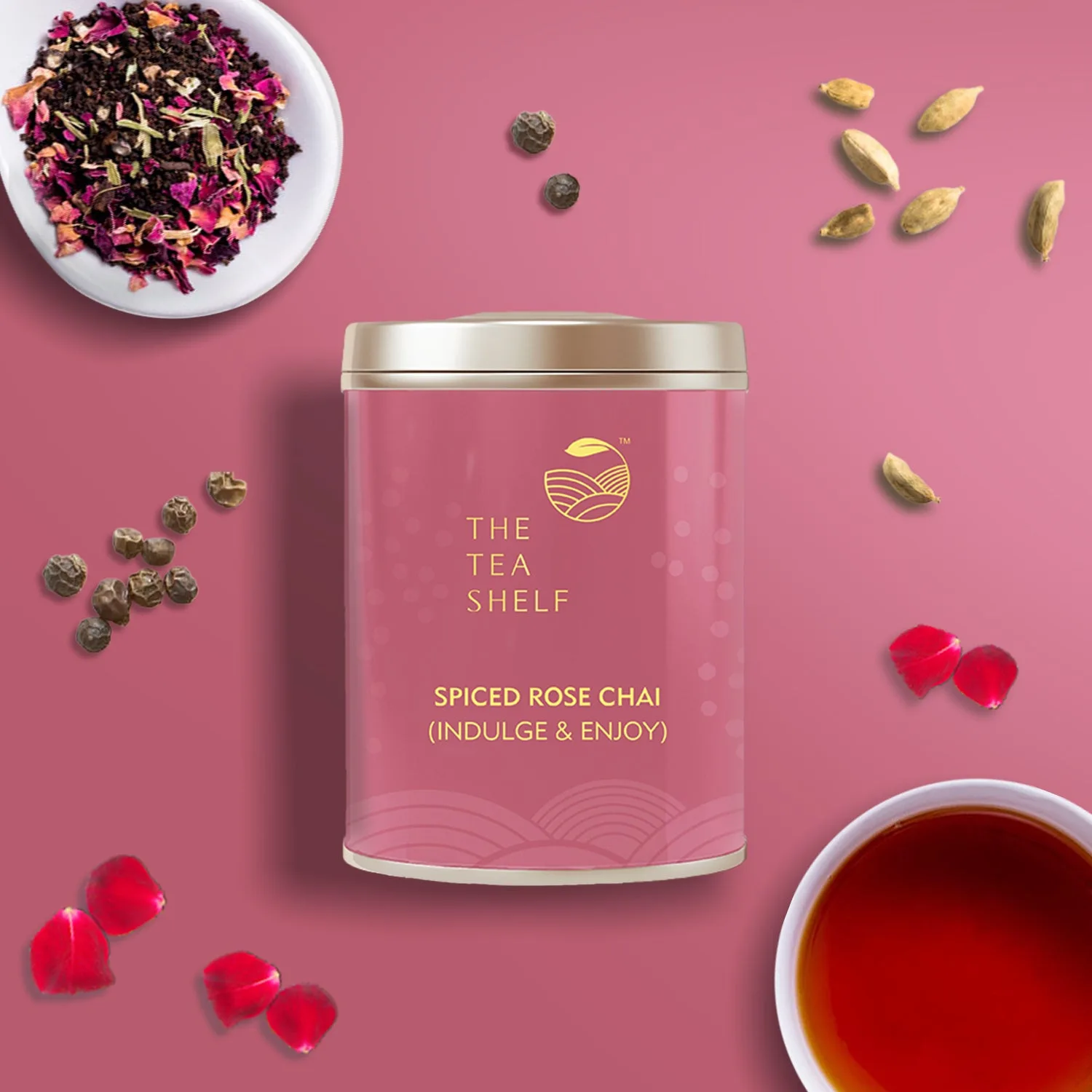
Spiced Rose Chai
-
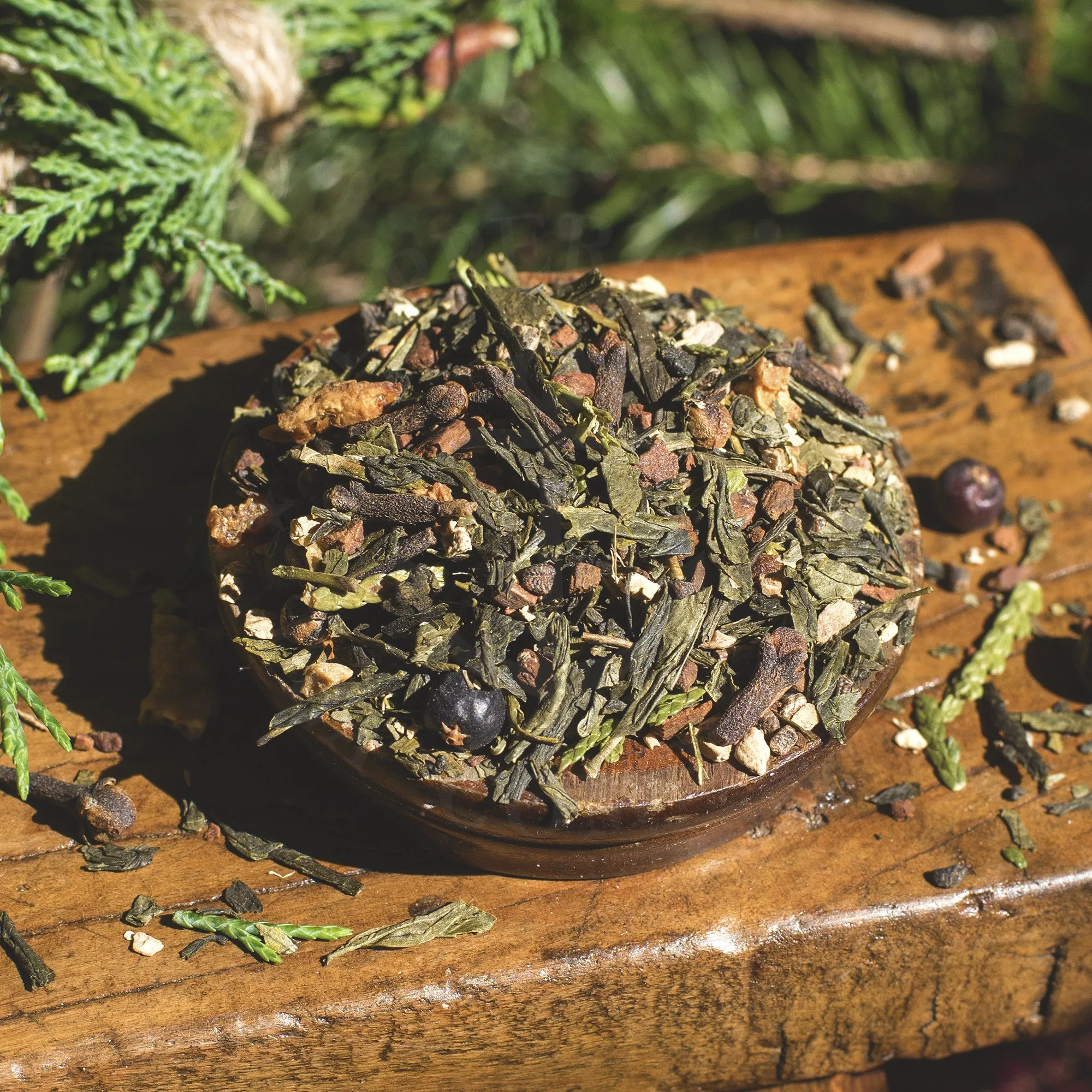
Winter Forest Green Tea: Ingredients: Green Tea A single-ingredient tea, so the flavour comes from the leaf itself rather than added spices.
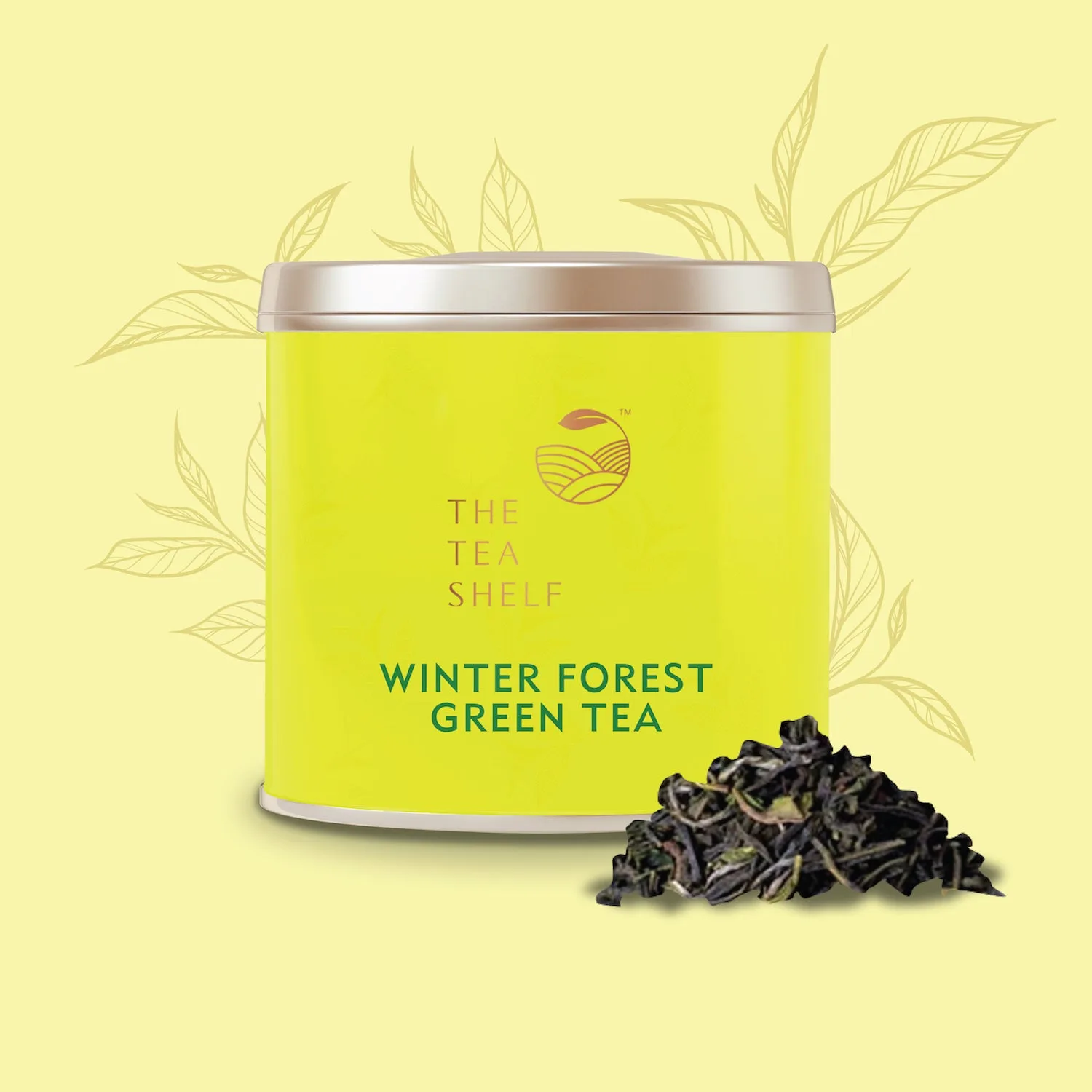
Winter Forest Green Tea
Rose chai taste: spice first, rose second
The catalog describes Spiced Rose Chai as a flavourful masala chai blend with a sprinkle of rose petals, tasting of pink rose petals over grainy tea with a spicy finish. Expect the cardamom, ginger, clove and black pepper to lead, with the rose adding a soft floral note rather than turning the cup into a perfume. The CTC tea base is robust enough to carry those spices.
If you usually drink masala chai and want a gentler, more aromatic version, this is the closer match. If you dislike clove or black pepper, the spice list is a warning sign.
Winter Forest Green Tea flavor: light, earthy, honeyed
Winter Forest Green Tea is described as a quintessential winter flush Nilgiri green tea with a distinct earthy flavour. The tasting notes call it very light green, subtle, earthy, with a honey finish. That means a cup with less projection than a spiced chai: the pleasure is in the aroma and the clean finish rather than in bold spice.
Because the ingredient list is just green tea, the flavour depends entirely on the leaf. The catalog does not specify the exact garden or harvest date beyond the winter flush description, so the best guide is the tasting note itself.
Brewing temperature and serving size side by side
The two teas are brewed differently, and the water temperature matters more than the steep time for getting a good cup.
- Water temperature: Spiced Rose Chai lists 90–100°C; Winter Forest Green Tea lists 60–85°C. Green tea generally prefers cooler water, so use a thermometer or let the kettle rest before pouring.
- Leaf ratio: Both list 1 TSP/CUP, so a standard teaspoon per cup is the starting point for either.
- Steep time: Both list 3 MINS on the pack. Start there and adjust to taste rather than assuming a longer steep improves either tea.
- Pouch sizes: Spiced Rose Chai comes in 50gm (25 servings) and 100gm (50 servings). Winter Forest Green Tea comes in a 100gm pouch (50 servings).
Catalog details that affect your decision
- Spiced Rose Chai: Available sizes: 50gm Loose Tea (25 Servings) and 100gm Loose Tea Pouch (50 Servings) A smaller pouch lets you try the chai before committing to a larger one.
- Winter Forest Green Tea: Available size: 100gm Loose Tea Pouch (50 Servings) Only one size is listed, so the green tea suits a household that already knows it likes light green tea.
Which one fits your evening tea choice?
The catalog does not state caffeine content for either tea, so it cannot tell you which is better before bed. What it does show is character: Spiced Rose Chai is warming, spicy and aromatic, while Winter Forest Green Tea is subtle, earthy and honeyed. If you want a cup that feels like a treat after dinner, the chai is the more obvious pick. If you want something quiet and light, the green tea is the better fit.
Consider how you take your tea, too. The chai's spice profile stands up to milk and sugar, though the catalog does not give a specific milk ratio. The green tea is described as very light, so added milk would mask the honey finish.
What the catalog does not settle
Neither product record confirms caffeine content, allergen status or suitability for a particular diet. The chai's health claims (boosts energy, helps relax, boosts immunity) and the green tea's claims (rich in antioxidants, improves metabolism, helps detox) are marketing language from the catalog, not verified medical advice. If you are choosing tea for a health reason, treat those claims as unproven and speak to a qualified professional.
The catalog also does not provide storage instructions beyond the pouch format. A sealed pouch kept cool and dry is a reasonable default, but check the pack for any specific guidance.
A simple way to decide
If you want spice, rose and a robust cup that can take milk, choose Spiced Rose Chai. If you want a light, earthy green tea with a honey finish and no added flavourings, choose Winter Forest Green Tea. If you are unsure, the 50gm chai pouch is the lower-commitment way to try the spicier option, while the green tea comes only in a 100gm pouch. Either way, follow the temperature on the pack: 90–100°C for the chai, 60–85°C for the green tea.