Acne breakouts can be frustrating, especially when you need a quick fix. Two popular over-the-counter treatments—spot patches and hydrocolloid bandages—often come to mind. But which one actually works faster and more effectively? In this comprehensive comparison, we break down the science, usage, and results of each to help you choose the best acne treatment for your skin type.
While both products share a common hydrocolloid base, their design, ingredients, and intended use differ significantly. Spot patches are thin, discreet, and often infused with active ingredients, while hydrocolloid bandages are larger, thicker, and primarily absorbent. Understanding these nuances can save you time, money, and frustration on your journey to clear skin.
What Are Hydrocolloid Bandages?
Hydrocolloid bandages were originally developed for wound care. They consist of a gel-forming agent that absorbs exudate (fluid) from wounds, creating a moist environment that promotes healing. When applied to a pimple, they draw out pus and oil, flattening the blemish overnight. These bandages are typically larger, thicker, and opaque, making them ideal for covering multiple small breakouts or a single large cyst.
However, hydrocolloid bandages lack active ingredients like salicylic acid, niacinamide, or tea tree oil. They rely solely on physical absorption and barrier protection. While effective for draining whiteheads and pustules, they do not address underlying inflammation or bacteria. For many users, they are a cost-effective solution for occasional breakouts.
- Best for: Open whiteheads, pustules, and small clusters of pimples.
- Limitations: No active ingredients; may not reduce redness or swelling quickly.
What Are Spot Patches?
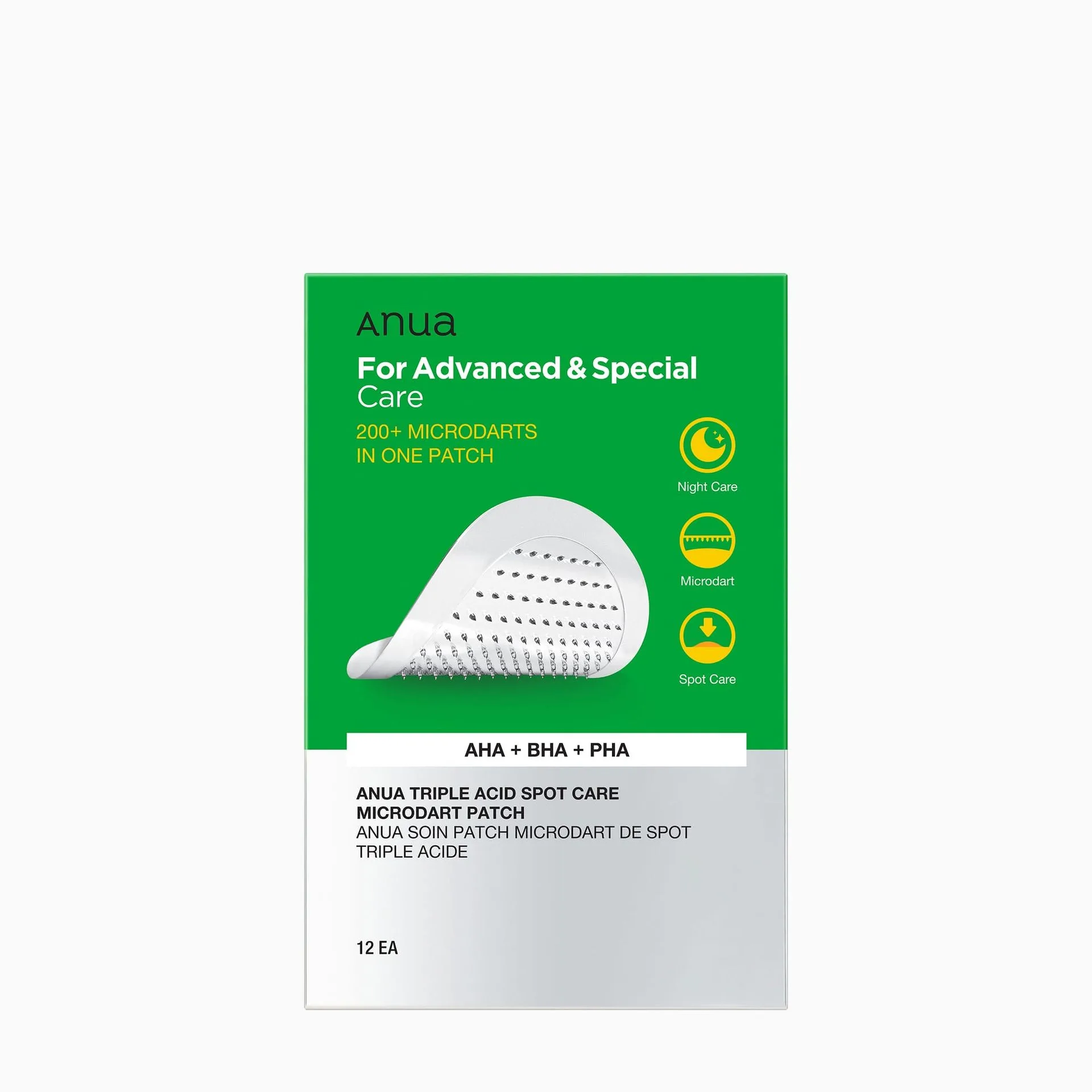
Spot patches are a modern evolution of hydrocolloid technology. They are thin, transparent, and designed to blend into the skin, making them suitable for daytime wear. Many spot patches are infused with acne-fighting ingredients such as salicylic acid, niacinamide, or tea tree oil, which target bacteria, reduce inflammation, and prevent future breakouts.
The key advantage of spot patches is their versatility. They can be used on both active breakouts and emerging pimples (before they come to a head). Some patches even contain microdarts that deliver ingredients deeper into the skin. For example, the https://purebeautytools.store/products/pdrn-collagen-melting-patch-for-glass-skin-4ea-51521PDRN Collagen Melting Patch For Glass Skin 4ea uses collagen and PDRN to soothe and repair while absorbing impurities. Similarly, the Redness Soothing Prep & Boost Duo includes calming ingredients that reduce redness and support barrier recovery.
Spot patches are also more hygienic, as they create a sealed environment that prevents picking and contamination. They are available in various sizes and shapes, allowing targeted treatment for individual pimples.
- Best for: Whiteheads, pustules, cystic acne, and emerging pimples.
- Limitations: More expensive per patch; may not cover large areas.
Spot Patches vs Hydrocolloid Bandages: Key Differences at a Glance
To help you decide quickly, here is a side-by-side comparison of the most important factors:
- Thickness: Spot patches are ultra-thin (0.2–0.5 mm); hydrocolloid bandages are thicker (1–3 mm).
- Ingredients: Spot patches often contain active ingredients; hydrocolloid bandages do not.
- Visibility: Spot patches are transparent or flesh-toned; hydrocolloid bandages are opaque.
- Absorption: Hydrocolloid bandages absorb more fluid due to their thickness; spot patches absorb less but are sufficient for small pimples.
- Healing time: Spot patches can reduce redness and inflammation faster due to active ingredients; hydrocolloid bandages take longer but effectively drain pus.
- Cost: Hydrocolloid bandages are cheaper per square inch; spot patches are more expensive per patch.
Which Acne Treatment Works Faster?
When it comes to speed, spot patches often have the edge. Because they deliver active ingredients directly to the blemish, they can reduce redness and swelling within a few hours. For example, a patch containing salicylic acid or niacinamide can calm inflammation and prevent the pimple from worsening. In contrast, hydrocolloid bandages rely on passive absorption, which may take 8–12 hours to show visible results.
However, for deep, painful cysts, a hydrocolloid bandage may be more effective at drawing out fluid over a longer period. The key is to match the treatment to the type of pimple. For whiteheads and pustules, spot patches work faster. For large, swollen cysts, a hydrocolloid bandage left on overnight can provide better drainage.
For those with sensitive or redness-prone skin, the Redness Soothing Duo offers a targeted solution that combines a calming toner and a soothing serum to prep the skin before applying a patch. This two-step approach can enhance the effectiveness of spot patches by reducing overall inflammation.
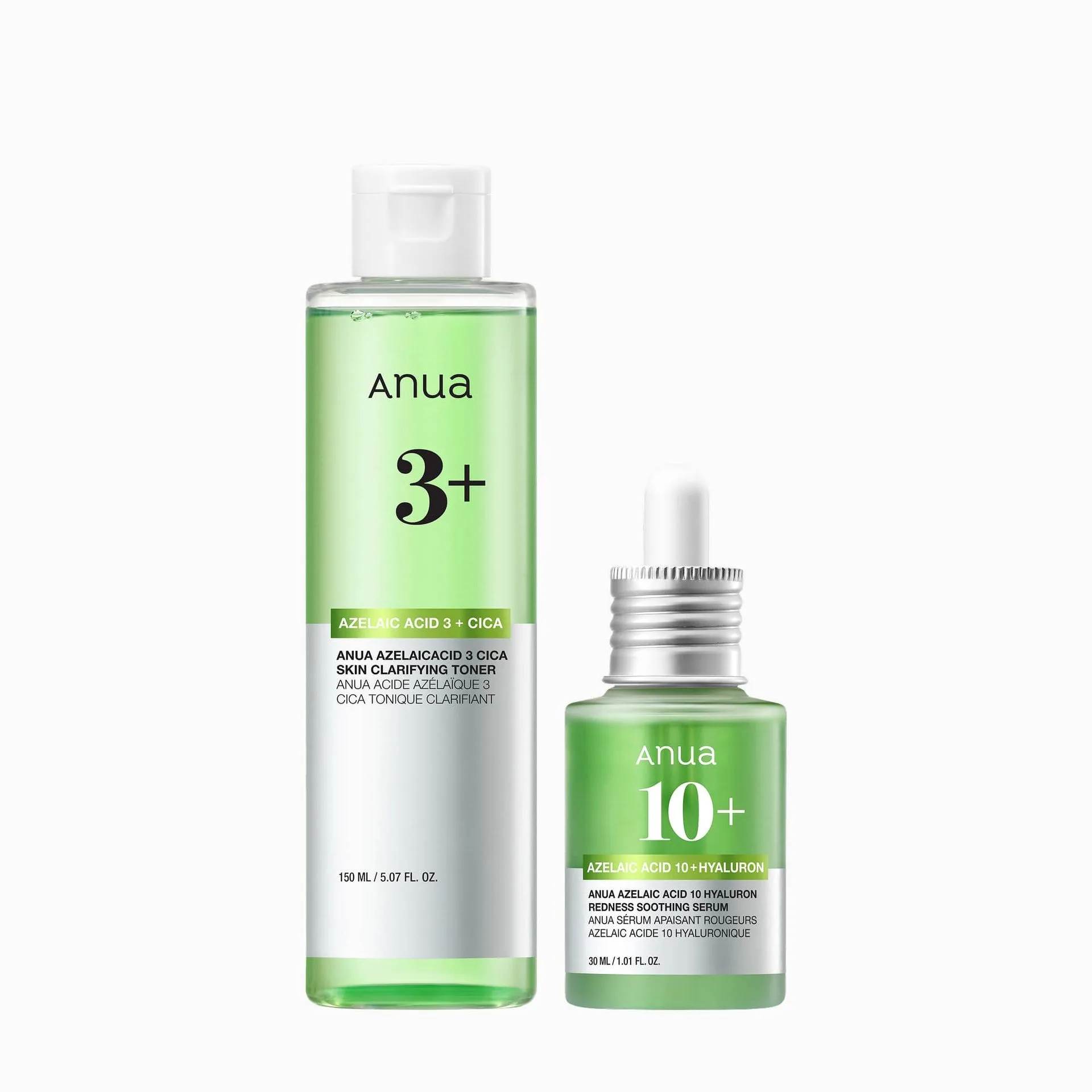
Redness Soothing Duo
- Speed winner: Spot patches for most whiteheads and pustules (4–6 hours).
- Long-term winner: Hydrocolloid bandages for large cysts (12+ hours).
How to Use Each for Best Results
Proper application is crucial for both treatments. For spot patches, start with clean, dry skin. Apply the patch directly over the pimple, pressing gently to seal the edges. Leave it on for 6–8 hours or overnight. Remove it slowly, and follow with a soothing moisturizer. For hydrocolloid bandages, cut a piece slightly larger than the blemish, apply to clean skin, and leave on for up to 12 hours. Change if the bandage becomes saturated.
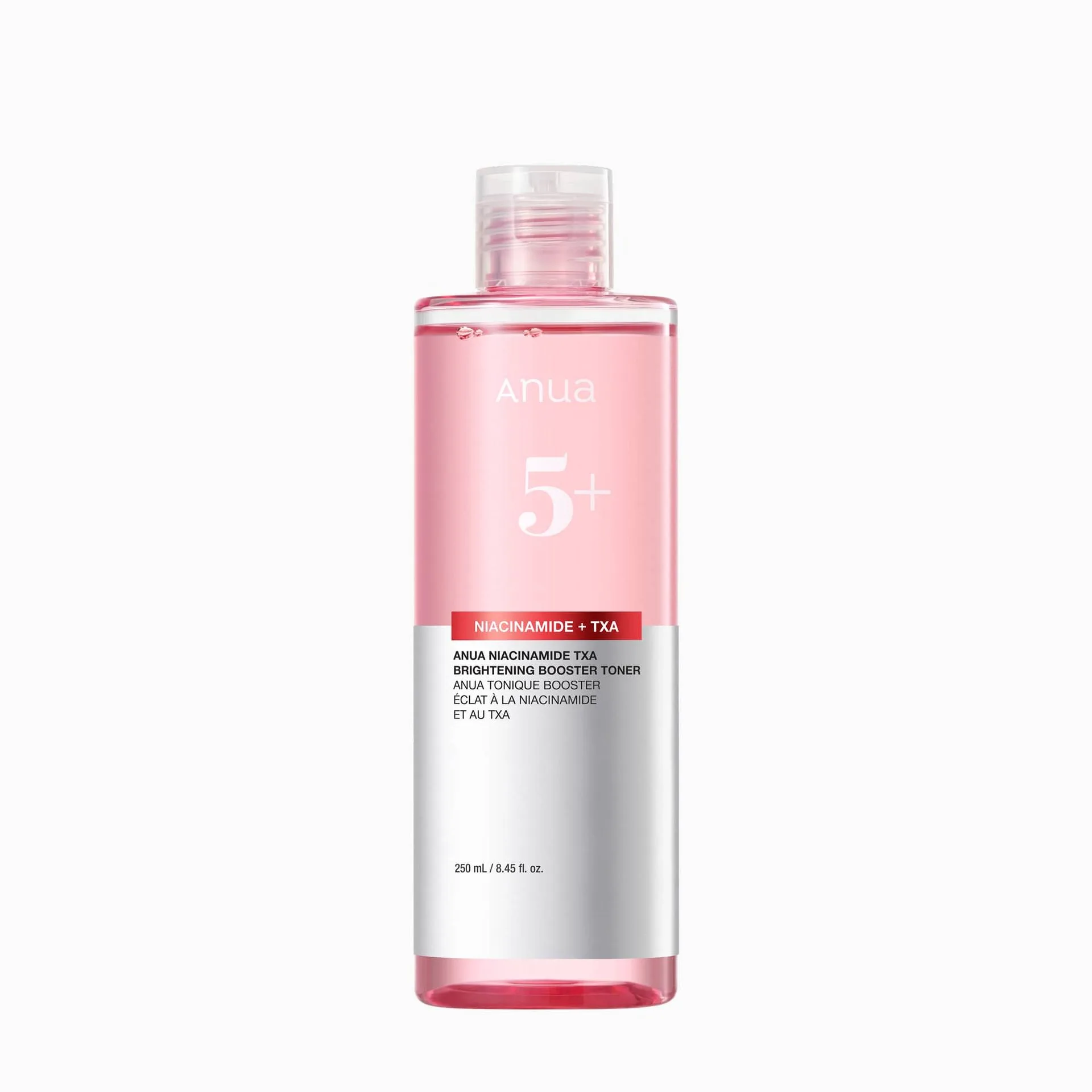
A common mistake is using either product on unpopped pimples. Both work best on open blemishes or those with a visible whitehead. For emerging pimples, choose a spot patch with active ingredients like niacinamide or tea tree oil to prevent them from forming a head. The https://purebeautytools.store/products/niacinamide-tranexamic-acid-brightening-booster-toner-51532Niacinamide Tranexamic Acid Brightening Booster Toner can be used beforehand to brighten the area and reduce post-inflammatory hyperpigmentation.
- Tip: Never reuse a patch or bandage—discard after one use to avoid bacterial spread.
- Tip: Pair with a gentle cleanser and non-comedogenic moisturizer for best results.
Which One Should You Choose?
Your choice depends on your skin type, acne severity, and lifestyle. If you have occasional whiteheads and want a discreet, fast-acting solution, spot patches are ideal. They are perfect for daytime wear under makeup and can be used preventively. If you have large, painful cysts or multiple breakouts, hydrocolloid bandages offer better absorption and are more cost-effective for covering larger areas.
For those with sensitive or redness-prone skin, look for patches or bandages with soothing ingredients. The Redness Soothing Duo and Redness Soothing Prep & Boost Duo are excellent companions to any acne treatment, as they calm the skin and support barrier repair. Ultimately, both options are effective, but spot patches provide the added benefit of active ingredients that target the root causes of acne.
- Choose spot patches for: Speed, discretion, active ingredients, and prevention.
- Choose hydrocolloid bandages for: Large cysts, multiple breakouts, and budget-friendly coverage.
In the battle of spot patches vs hydrocolloid bandages, there is no one-size-fits-all answer. Both have their place in an effective acne treatment routine. For faster results and added skincare benefits, spot patches are the clear winner. Explore the PDRN Collagen Melting Patch For Glass Skin 4ea to experience how advanced spot patch technology can transform your acne healing process and leave your skin looking smoother and more radiant.