Quick answer
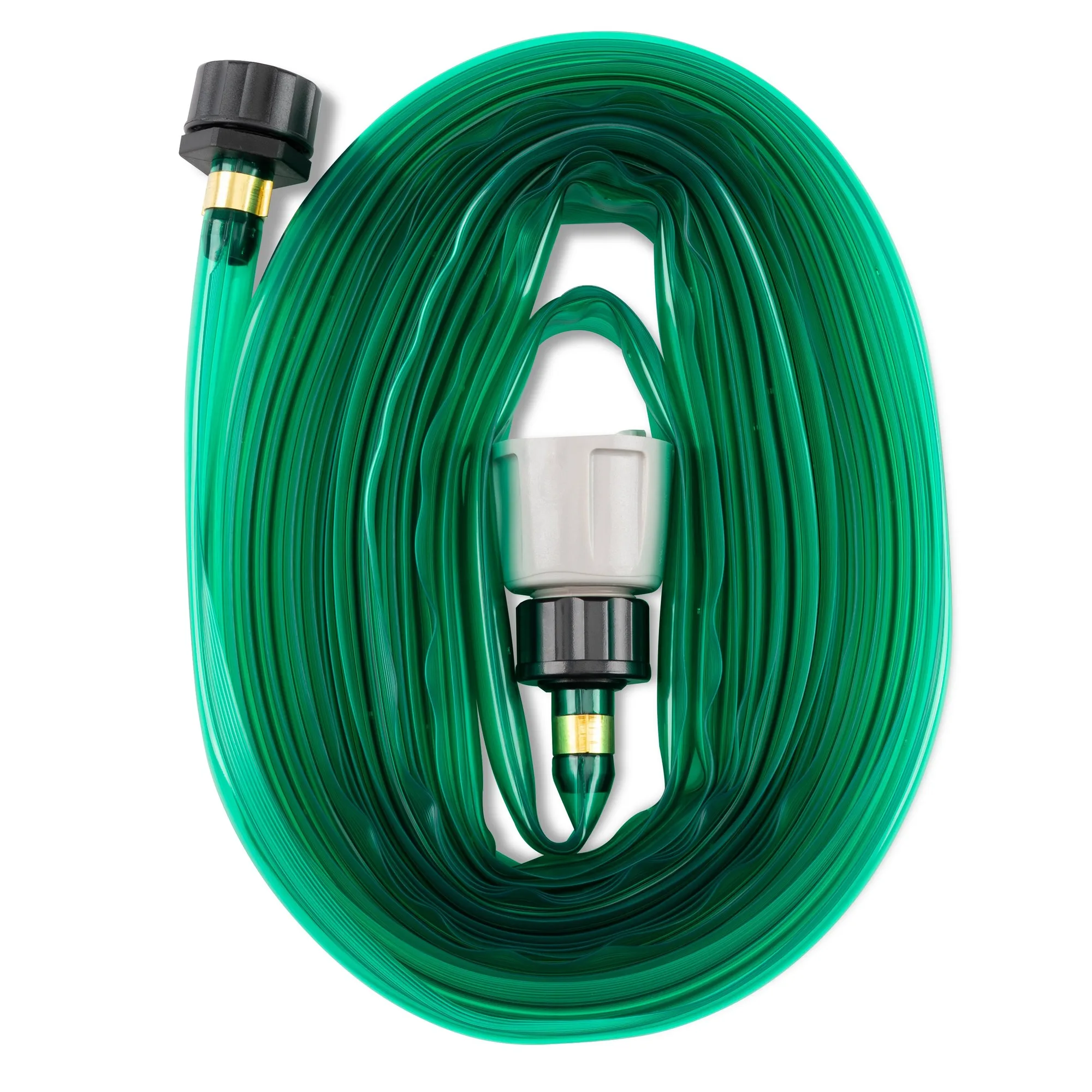
For most garden beds, a soaker hose wins on water efficiency and root-level delivery, while a sprinkler covers a wider area faster and suits established lawns or dense beds. If your priority is keeping foliage dry and using less water, choose a soaker hose like the Hoselink 7.5m Soaker Hose. If you need broad, quick coverage for a raised bed or mixed planting, a sprinkler is the practical pick.
Coverage and placement: where each option fits
A soaker hose delivers water along its length through small holes, so it waters a strip rather than a circle. The Hoselink 7.5m Soaker Hose is rated for areas up to 4 metres wide (2 metres either side), which means you can snake it between rows or loop it around larger plants. You can also flip it so the jets face up and use it as a sprinkler, though that changes the delivery pattern and loses some of the targeted watering benefit.
A sprinkler, by contrast, throws water over a radius. That makes it faster to cover a broad bed or a patch of lawn, but it also hits foliage, paths, and anything else in range. In a raised bed with tall plants, a sprinkler can be blocked by the canopy, leaving dry spots. A soaker hose laid at soil level avoids that problem because it waters directly where the roots are.
Water usage and cost: what you actually pay for
Soaker hoses generally use less water than sprinklers because they apply water slowly and directly to the soil, reducing evaporation and runoff. That slower delivery also means you may need to run them longer to reach the same depth, so the water-saving claim depends on how you schedule them. A sprinkler applies water faster, which can be an advantage on a hot day when you need to cool a bed quickly, but more of that water lands on leaves and surrounding surfaces.
On cost, the Hoselink 7.5m Soaker Hose is listed at USD 11.94 (catalog comparison price USD 19.90), which makes it a low-cost entry point for targeted watering. A sprinkler's price varies widely by type and coverage, and the catalog does not list a specific sprinkler model here, so compare like-for-like coverage before assuming one is cheaper overall. If you already own a hose and tap, adding a soaker hose is usually the smaller purchase; a sprinkler may need a stake or base to stay in position.
Setup and maintenance in real garden beds
Soaker hoses are simple to deploy: place the hose, connect it to your garden hose, and let it run. The main maintenance task is checking that the small holes are not blocked by soil or grit, and repositioning the hose as plants grow. Because the hose sits on the soil, it is also easy to accidentally cover with mulch or step on it, so mark its path if you work the bed often.
Sprinklers need a stable base or stake and a clear throw path. In a bed with tall vegetables, you may need to raise the sprinkler or choose a different position to avoid shadowing. Sprinklers also wet foliage, which can encourage fungal problems in humid conditions, so water earlier in the day when leaves can dry. Neither option eliminates the need to check soil moisture by hand, especially in raised beds that dry out faster.
Trade-offs: sprinkler vs soaker hose at a glance
- Water efficiency: Soaker hoses apply water slowly at soil level, reducing evaporation and runoff. Sprinklers spread water over a wider area, including foliage and paths. Choose soaker if saving water is the priority; choose sprinkler if you need fast, broad coverage.
- Coverage shape: A soaker hose waters a strip along its length, while a sprinkler waters a radius. The Hoselink 7.5m Soaker Hose covers up to 4 metres wide when laid out. Match the shape to your bed: rows and borders suit soaker; open, round beds suit sprinkler.
- Plant health and disease risk: Sprinklers wet leaves, which can encourage fungal issues in humid weather. Soaker hoses keep foliage dry and deliver water to the root zone. For vegetables and disease-prone plants, soaker is the lower-risk choice.
- Cost and setup: The Hoselink 7.5m Soaker Hose is listed at USD 11.94 (catalog comparison price USD 19.90). Sprinkler pricing depends on the model and coverage, which is not specified in this catalog. Compare total cost for the area you need to cover, not just the unit price.
Product facts that matter for this comparison
- 7.5m Soaker Hose: The Hoselink 7.5m Soaker Hose is ideal for watering areas up to 4 metres wide (2 metres either side). This tells you the practical footprint of one soaker hose, so you can judge how many lengths you need for a bed rather than guessing.
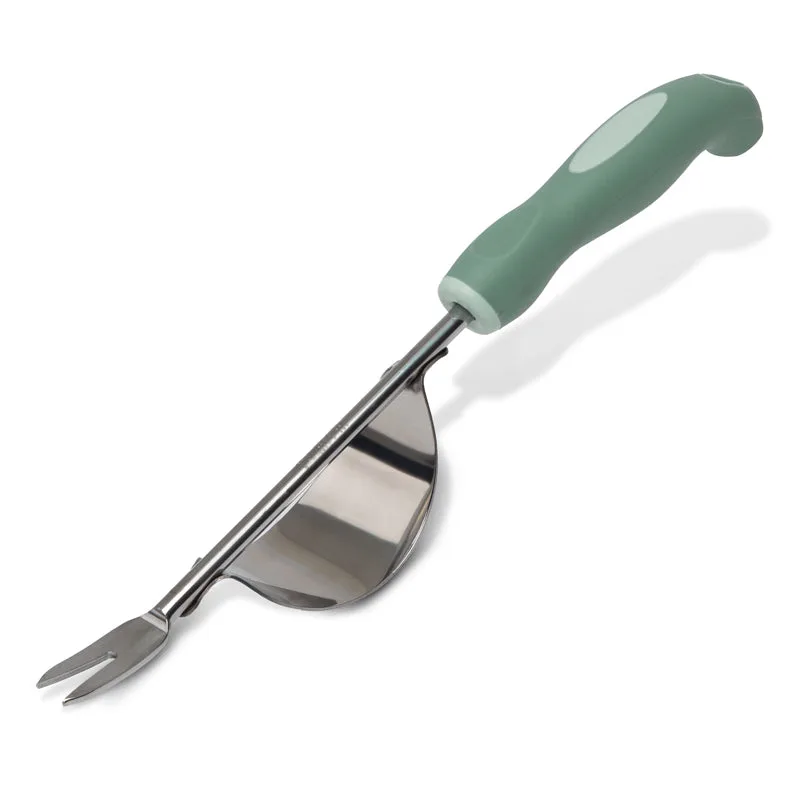
- Garden Weeder: Hoselink's Garden Weeder has a stainless steel split tip fork and an ergonomically designed soft grip handle. If you choose soaker watering, you will still need to remove weeds that compete for moisture; this tool is designed for small plants and weeds in beds, pots, and lawns.
Which should you choose for your garden beds?
Best for
- Vegetable and herb beds where you want to keep foliage dry and water the roots
- Raised beds and rows that suit a strip-style soaker hose
- Gardeners focused on soaker hose water usage and lower evaporation
Not for
- Large, open lawns or beds where you need fast, wide coverage
- Situations where you cannot lay a hose along the bed or check it regularly
- Gardeners who prefer a single sprinkler to cover mixed plantings in one pass