Quick answer
Cedar posts generally last longer than spruce boards in raised beds because cedar has natural rot resistance, while spruce requires treatment or more frequent replacement. Choose cedar for longevity, spruce for budget-friendly projects.
Why cedar outlasts spruce in ground contact
Cedar is naturally resistant to moisture and decay, making it a top choice for raised beds that sit directly on soil. Spruce, while strong and affordable, lacks that inherent protection and will break down faster when exposed to constant dampness.
If you plan to keep your garden bed in place for many years, cedar posts are the better investment. For a temporary or budget-conscious build, spruce boards can work—just expect to replace them sooner.
Cost vs. longevity: the real trade-off
Spruce boards are cheaper upfront, which is attractive for large projects or first-time gardeners. But the savings can disappear if you need to rebuild in a few years. Cedar posts cost more initially but often pay off over time by avoiding early replacement.
Consider how long you plan to use the bed. A short-term garden may not justify the extra cost of cedar, while a permanent structure likely will.
Spruce vs. cedar: your decision checklist
- Budget-friendly build: Choose spruce boards if upfront cost is your main concern and you're okay with replacing the wood in a few years. Factor in potential replacement costs before committing.
- Long-term garden: Opt for cedar posts if you want a raised bed that lasts many seasons without rotting, especially in wet climates. Cedar's upfront cost is offset by fewer replacements over time.
- Ground contact: Use cedar for boards that touch soil directly; spruce is better for above-ground or lined beds. Consider a liner to extend the life of either wood.
Product facts at a glance
-
Spruce Board 4 ft x 2.75 in RCPLB48: This spruce board is 1.5 in. thick and 4 ft. long, and it is reversible with a rounded or flat side. The reversible design adds versatility, but spruce's lack of natural rot resistance means it's best for above-ground or drier applications.
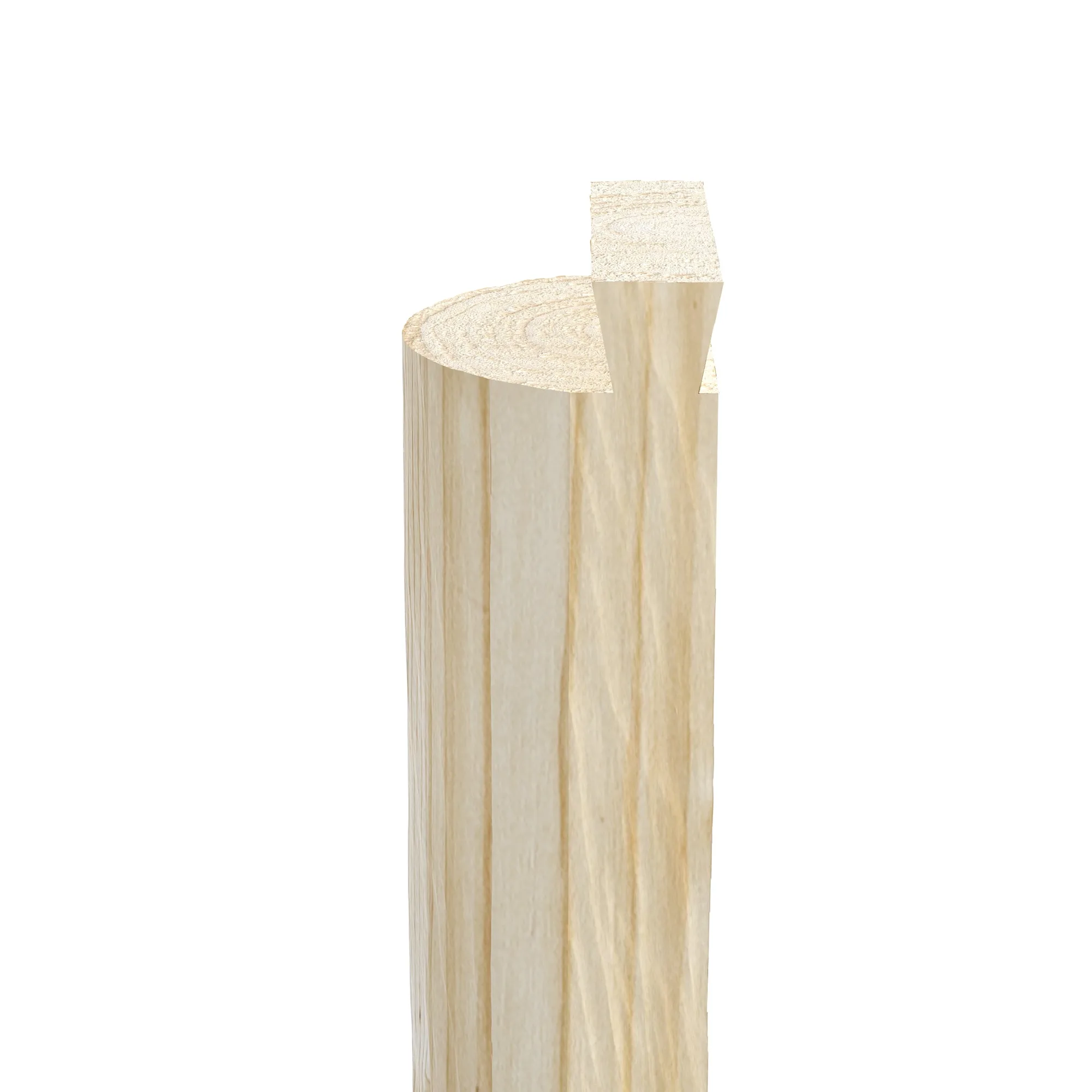
Spruce Board 4 ft x 2.75 in RCPLB48
-
Classic Cedar Short Post 7.5 in x 2 in x 2 in RCSEC: Classic cedar short posts hold two Classic boards high, adding seven inches of height per layer, and they stack on tall posts for easy expansion. Cedar's natural durability makes these posts a long-lasting foundation for raised beds, and the stacking feature lets you adjust height without replacing wood.
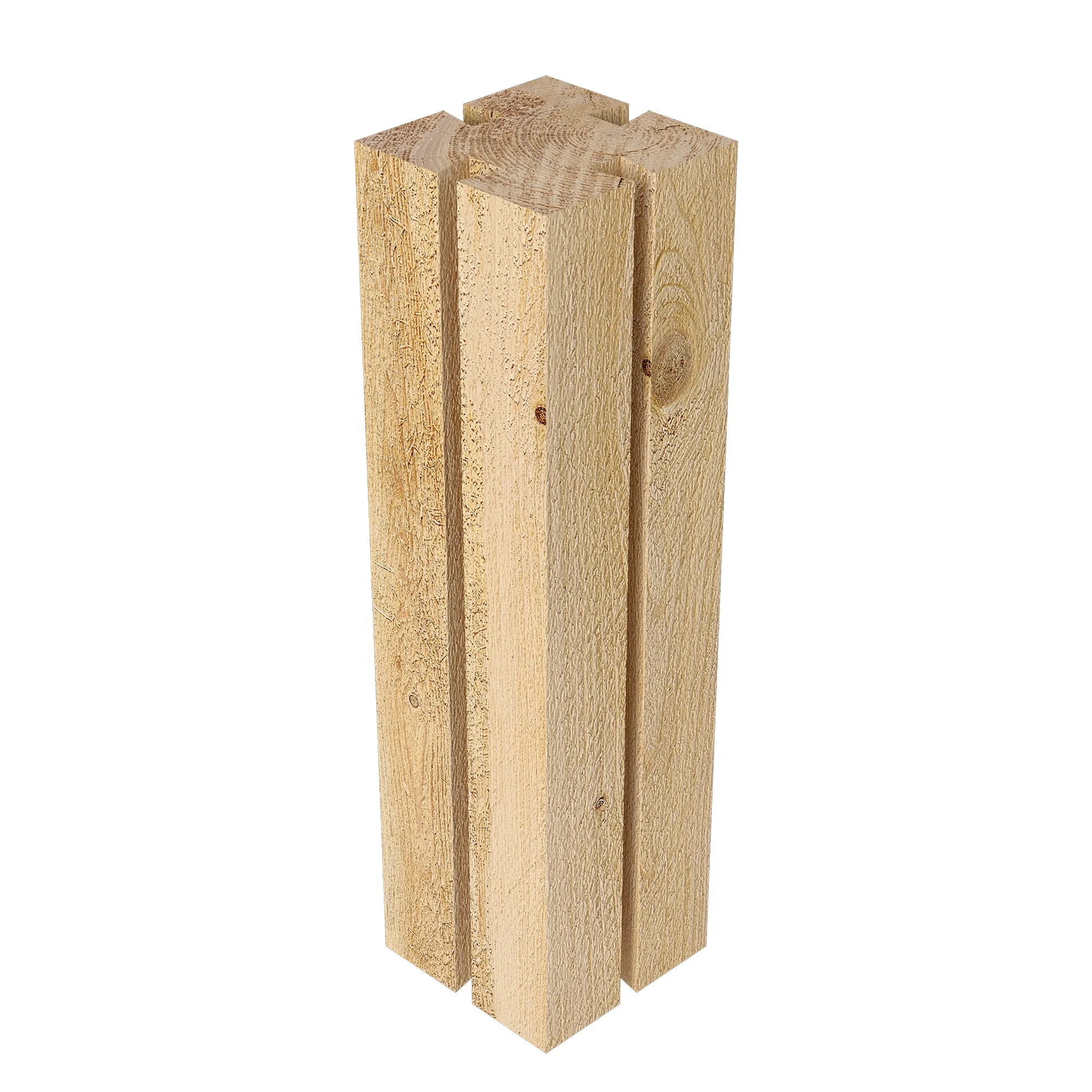
Classic Cedar Short Post 7.5 in x 2 in x 2 in RCSEC
Who should choose which
Best for
- Gardeners building a permanent raised bed who want decades of use without replacing wood
- Those in humid or rainy regions where rot is a common issue
Not for
- Budget shoppers who need a quick, inexpensive bed and don't mind replacing it sooner
- Projects where the bed will be moved or disassembled frequently