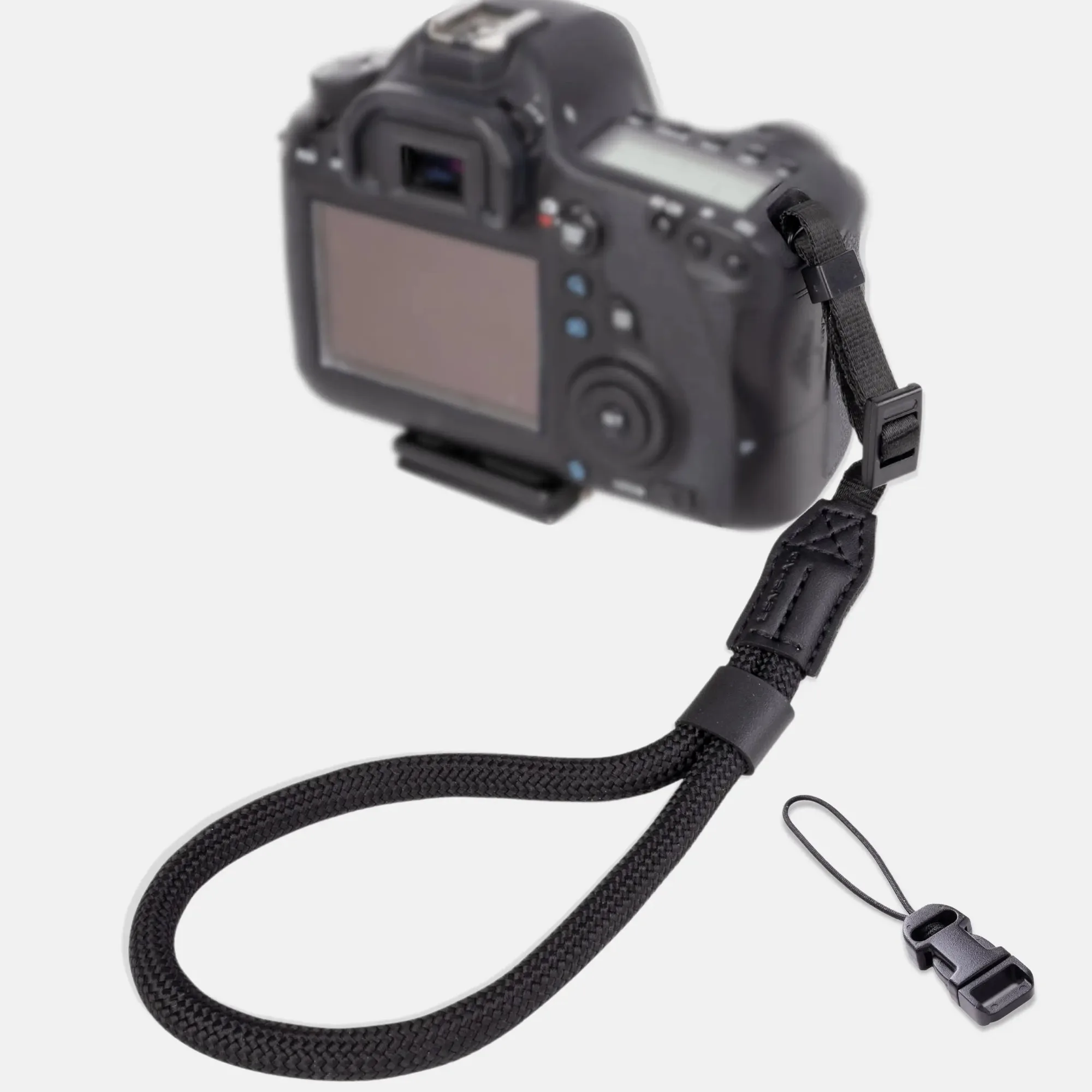
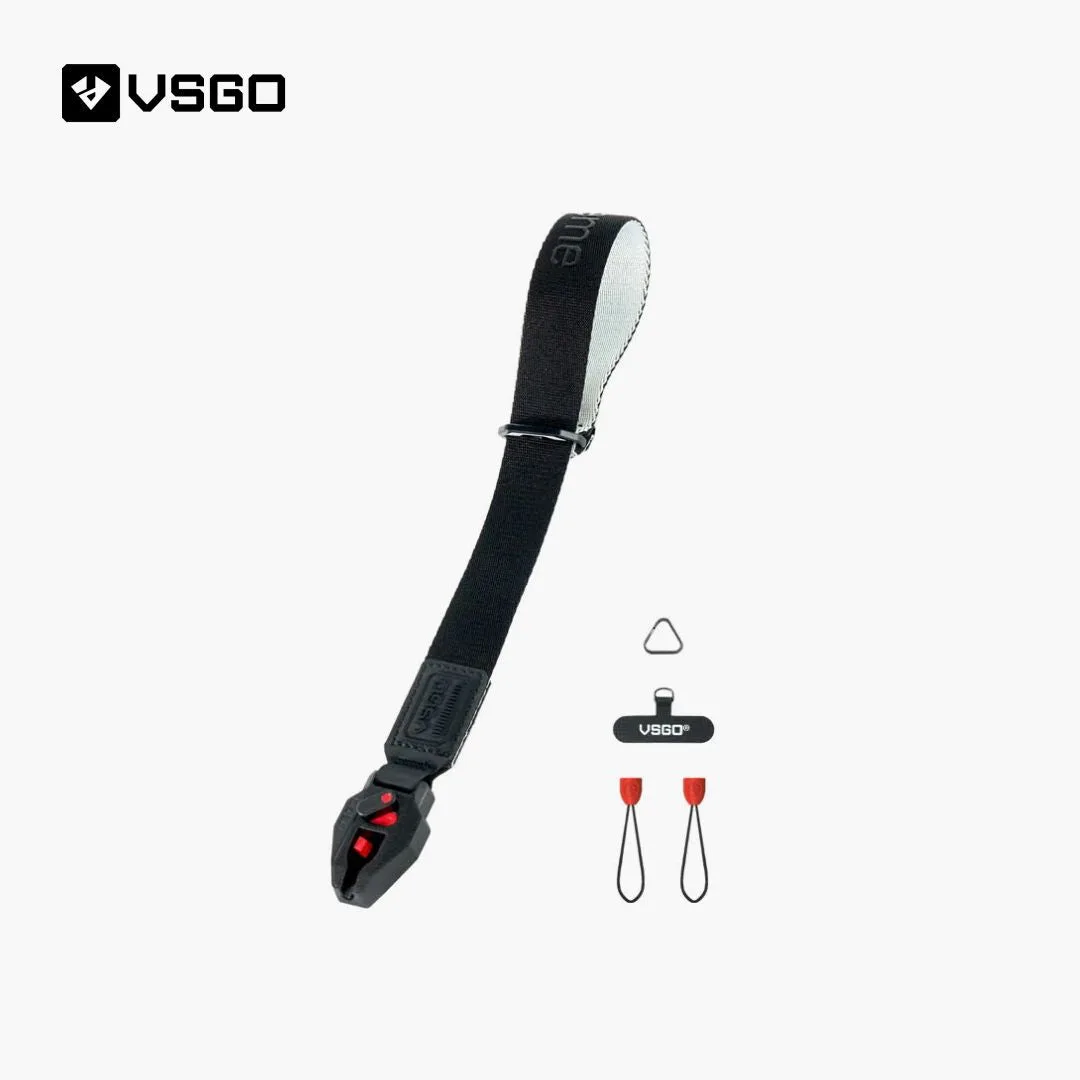
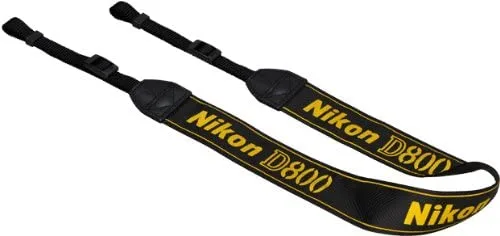
Two different carry styles, one decision
Choosing between a paracord strap and a traditional neck strap isn't about which is better overall—it's about how you carry your camera day to day. The SquareHood Paracord Camera Strap is a handmade, woven paracord strap with leather ends and a keyring camera attachment. A standard neck strap (like those often bundled with cameras) is wider, padded, and designed to hang the camera at chest or hip level. Each suits a different shooting rhythm, and the right choice depends on your typical carry setup.
What the SquareHood Paracord Strap offers
-
SquareHood Paracord Camera Strap: A stylish camera strap featuring a woven paracord design. Each strap is handmade and finished with leather ends and a keyring camera attachment. The woven paracord is lighter and less bulky than a padded neck strap, and the keyring attachment lets you swap straps quickly or attach the camera to a bag. The leather ends add a refined look that a standard nylon neck strap doesn't match.
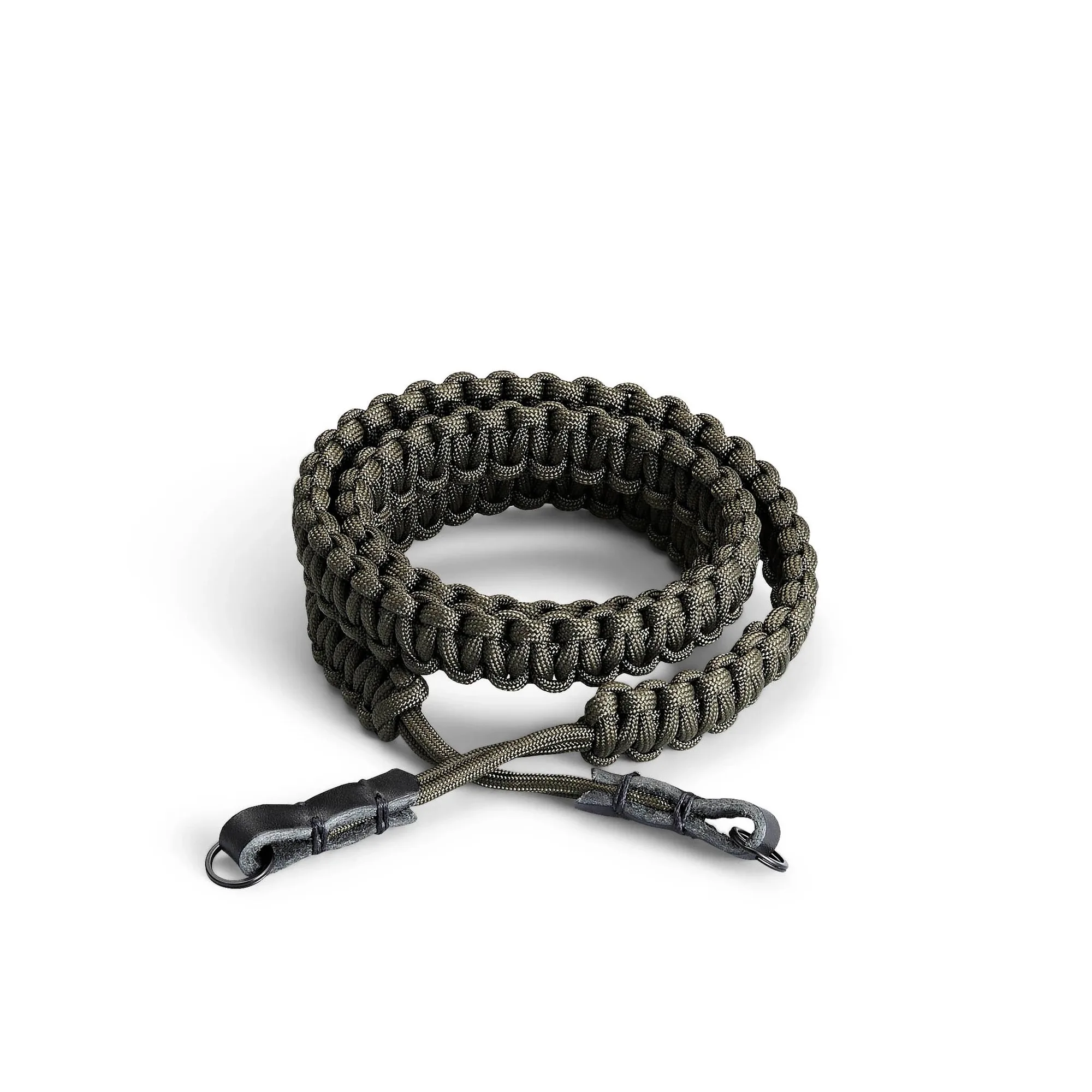
SquareHood Paracord Camera Strap
Paracord strap vs neck strap: key differences
- Carry style: A neck strap keeps the camera hanging from your neck or across your chest, always accessible but swinging as you walk. The SquareHood Paracord Strap is better for wrapping around your wrist or attaching to a bag strap, keeping the camera secure and close when you're moving through crowds.
- Comfort for all-day wear: Neck straps distribute weight across your shoulders and neck, which can be more comfortable with heavier camera bodies. The paracord strap is thinner and lighter, so it's less noticeable when worn around the wrist or used as a carry handle, but the narrow cord may dig in if you hang a heavy camera from your neck for hours.
- Quick detachment: The SquareHood Strap's keyring attachment lets you detach the camera in seconds—useful when switching to a tripod or stowing the camera in a bag. Most neck straps use fixed loops or slide-on connectors that require more effort to remove.
- Durability and material feel: Paracord is abrasion-resistant and can be unbraided for emergency use (though the strap is designed for carrying, not survival). A neck strap's nylon webbing is also tough, but the SquareHood's leather ends give it a more tactile, premium feel that ages well.
When the SquareHood Paracord Strap makes more sense
If you carry your camera on a sling bag, in a backpack, or clipped to a belt, the SquareHood Paracord Camera Strap is a natural fit. Its keyring attachment lets you hook the camera to a bag strap or D-ring, keeping it from swinging while you walk. The paracord weave also doubles as a wrist strap for quick one-handed shots, which is harder to do with a neck strap that dangles and gets in the way. For everyday carry where you want the camera secure but accessible, the paracord design is more versatile.
When a neck strap still wins
A traditional neck strap is the better choice if you need to keep the camera ready at chest level for long periods—think event photography, street shooting, or any situation where you're raising the camera dozens of times an hour. The wider padding spreads the weight, and the camera hangs in a predictable spot. The SquareHood Strap lacks this padding and is not designed for neck-hanging with a heavy DSLR or mirrorless body. If your primary use is neck carry with a heavier kit, a standard neck strap is more practical.
The honest trade-offs
The SquareHood Paracord Camera Strap (USD 65.97, catalog comparison price USD 99.95) is handmade and available in Black, Dark Grey, and Spearmint. It's a deliberate choice for style and versatility, not for all-day neck comfort. A basic neck strap costs less and does one job well, but lacks the adaptability and look of the paracord strap. There's no wrong answer—it's about matching the strap to how you actually carry your camera.