Quick answer
Choose stackable seedling trays like the Vego 76-Cell Stackable Seedling Tray if you start more than a couple dozen seedlings indoors and want to reclaim shelf space. Stick with standard open flats if you only grow a few plants, prefer the lowest upfront cost, or already have a watering routine that works. The trade-off is simple: stackable trays buy you space and gentler watering at a higher price, while standard trays stay cheap and basic.
How the two tray styles actually differ
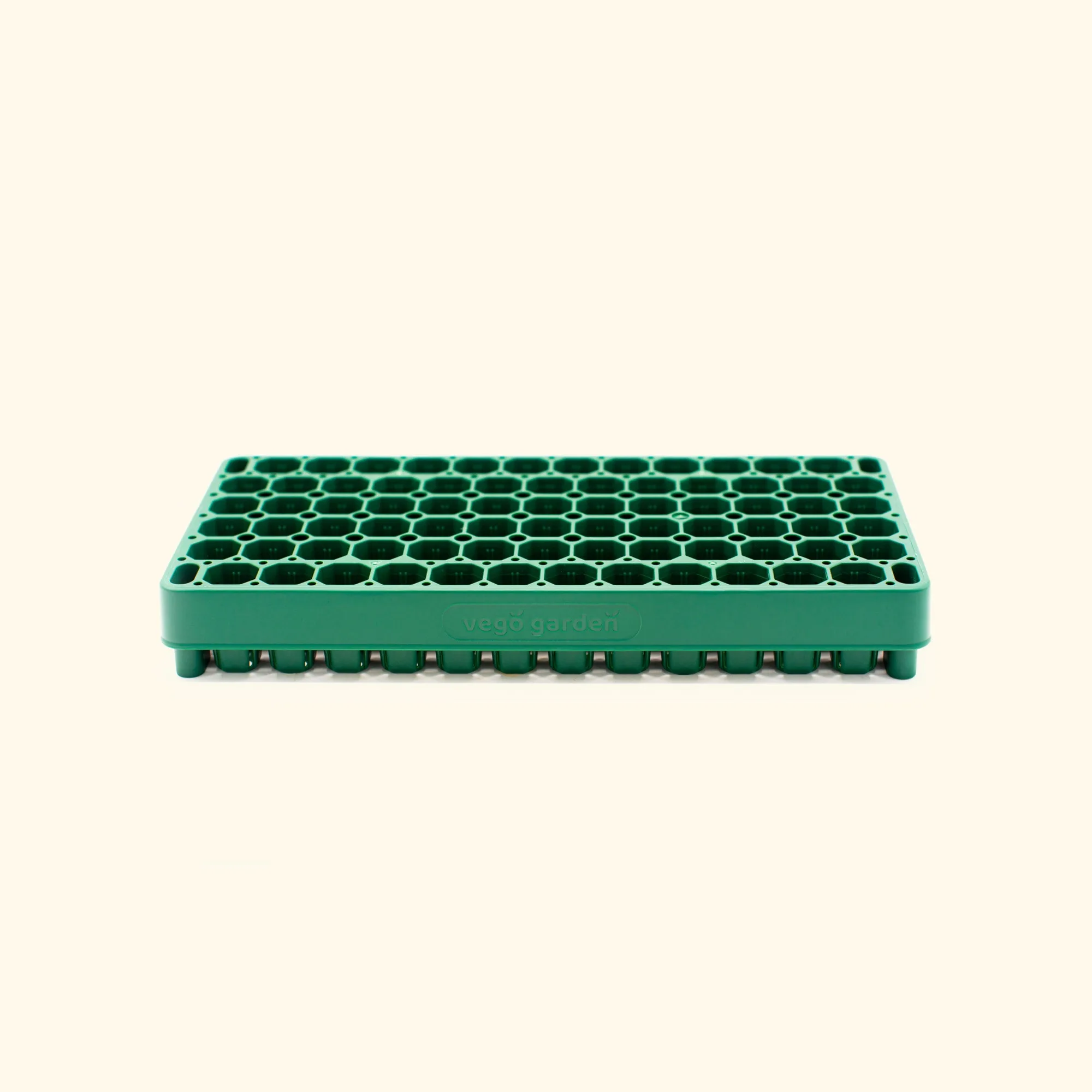
A standard seedling tray is an open flat, usually with small cells or no cells at all, that you fill with mix and water from above. A stackable tray adds structural columns so one tray sits securely on top of another, plus design features that manage water and airflow inside each cell. The Vego 76-Cell Stackable Seedling Tray shows both ideas clearly: 76 cells per tray, support columns for stacking, air-pruning strips along the cell sides, and drip-watering channels that provide gentle hydration. Standard trays rarely include any of those features because their job is to be inexpensive and disposable.
Space: the biggest practical gap
If you start seeds on a windowsill, a single shelf, or a small heat mat, floor and shelf space is your real limit. Stackable trays let you multiply your plant count without multiplying your footprint, because the support columns carry the weight of the tray above. Standard trays force you to spread out, which means more shelves, more lights, or fewer seedlings. Before buying, measure your shelf height and count how many trays you can realistically stack without blocking light to the lower tray.
Watering and airflow: where design earns its price
Standard trays tend to pool water at the bottom, which can drown roots or encourage damping-off. The Vego tray's drip-watering channels are designed to hydrate gently, and the air-pruning strips along each cell side expose root tips to air so they branch instead of circling. Those two features matter most for slow-germinating or finicky seeds. If you grow mostly fast, forgiving crops like radishes or marigolds, a standard tray is often good enough.
Cost, storage, and lifespan
Standard trays win on upfront price and on storage between seasons, since they nest flat and take almost no room. Stackable trays cost more per tray but usually last multiple seasons, so the cost per seedling drops if you start seeds every year. The Vego 76-Cell Stackable Seedling Tray is sold as a set, which is worth noting if you only need one tray. Think about how many seasons you will actually use it before deciding the higher price is justified.
Accessories that change the comparison
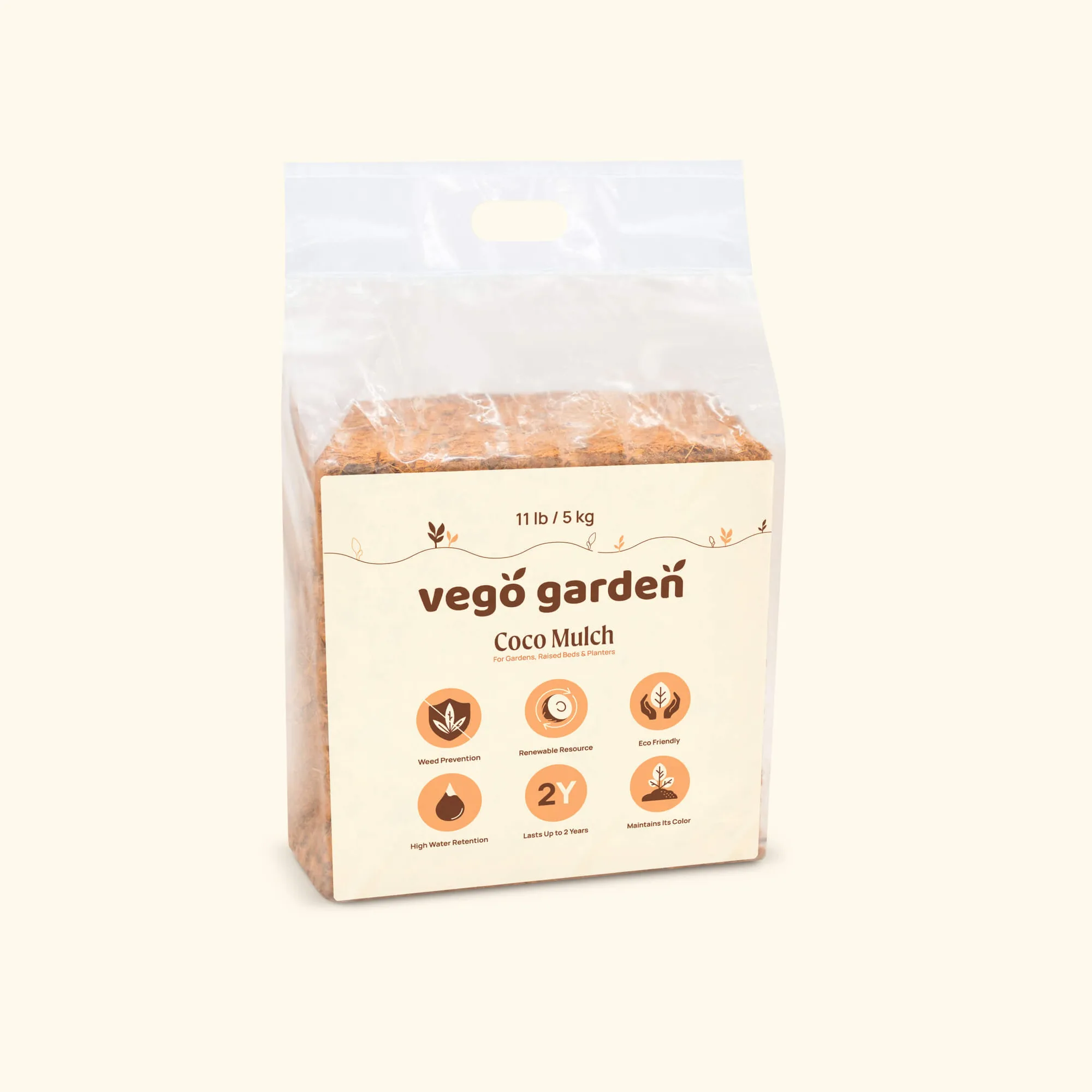
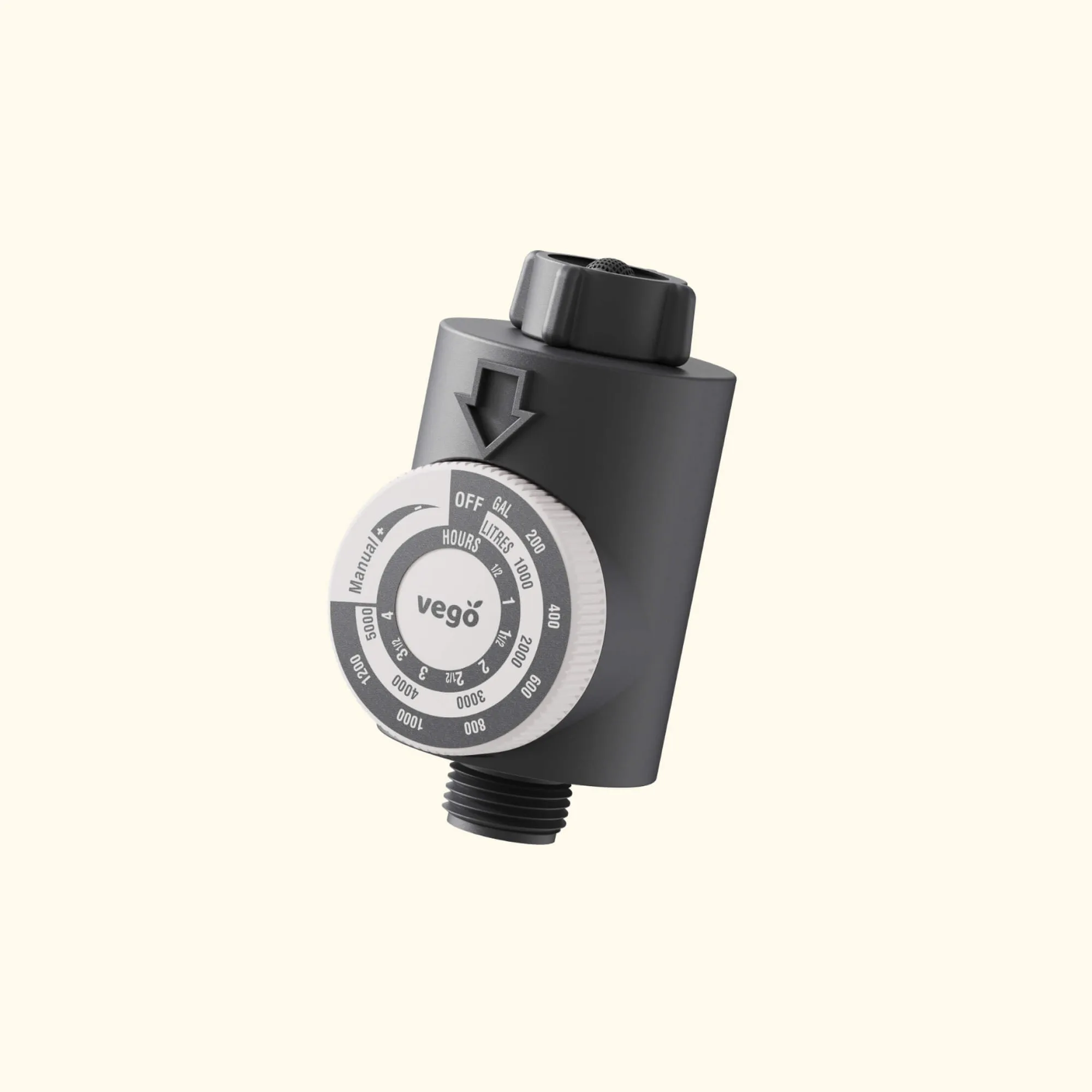
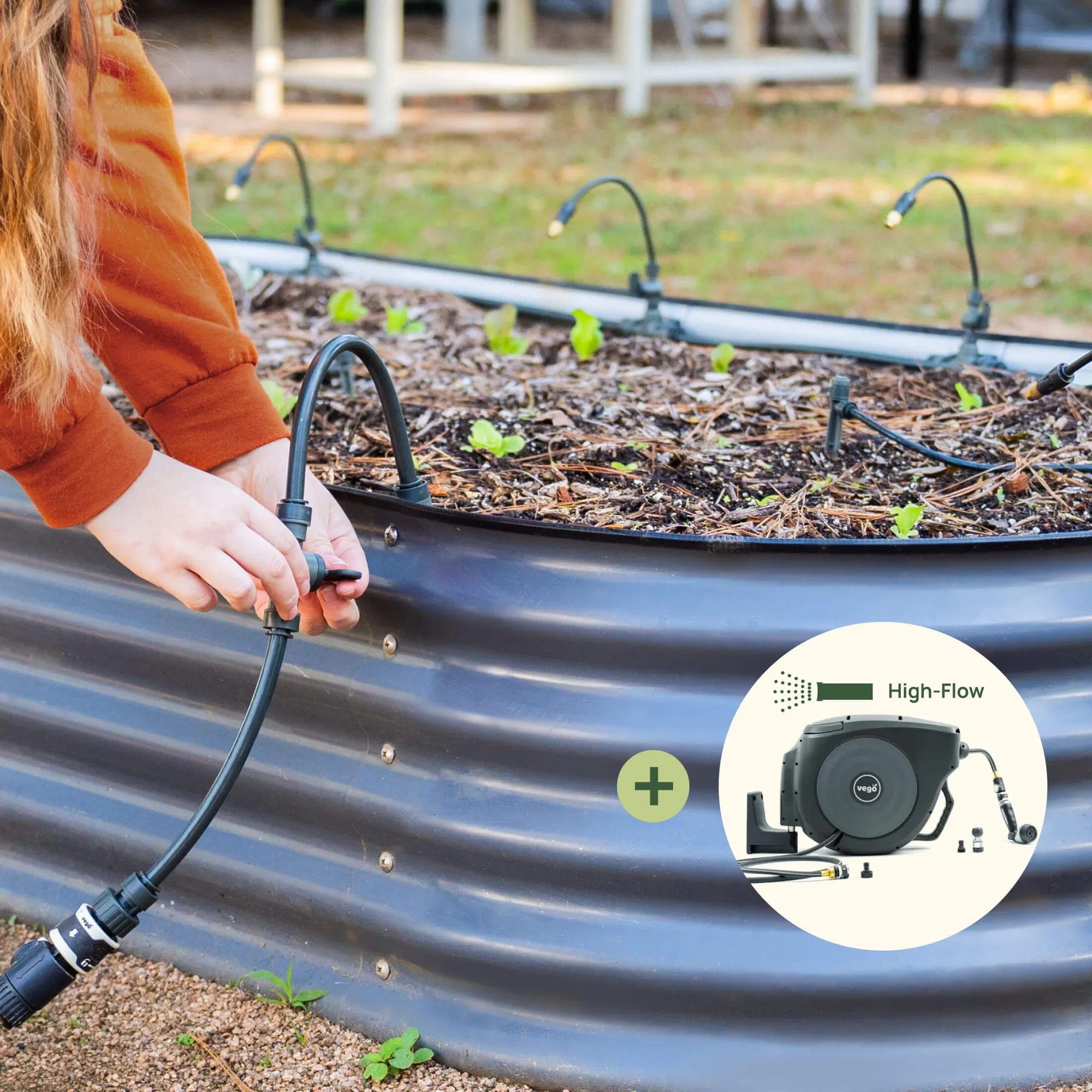
Trays do not work alone. If you water with a hose, the Vego Flow Meter helps you monitor water usage and manage flow rates so you do not blast seedlings out of their cells, which is a common failure with standard trays. Coco mulch is a separate tool for later stages: it keeps soil moist, suppresses weeds, and helps with temperature control, so it is more useful after transplanting than during germination. Neither accessory fixes a bad tray choice, but each removes a common source of seedling loss.
Trade-offs at a glance
- Space saved vs. upfront cost: Stackable trays multiply plant count in the same footprint but cost more per tray than standard flats. If shelf space is your bottleneck, the higher price pays for itself in usable growing area.
- Gentle watering vs. simplicity: Drip-watering channels and air-pruning strips reduce root problems but add design you need to understand and maintain. Beginners with a few trays may not notice the benefit; heavy seed starters will.
- Reusability vs. storage ease: Stackable trays usually last multiple seasons, while standard trays nest flat and store in almost no space. Choose based on whether you value durability or off-season storage more.
- Tray alone vs. tray plus accessories: A flow meter improves watering control for any tray, and coco mulch improves soil after transplanting. Budget for accessories only if you have already solved the tray decision.
Product facts
- 76-Cell Stackable Seedling Tray - 10" x 20": 76 spacious growing cells per tray, support columns for stacking, air-pruning strips along the sides of each cell, and specialized drip-watering channels that provide gentle hydration. The cell count and stacking columns directly determine how many seedlings you can raise per square foot, while the air-pruning strips and drip channels reduce the two most common causes of seedling failure: circling roots and uneven moisture.
- Vego Flow Meter: A watering tool designed to help you manage water usage and flow rates efficiently for your specific needs. Pairing a flow meter with any seedling tray lets you dial in a gentle flow, which protects young stems and keeps the drip channels from overflowing.
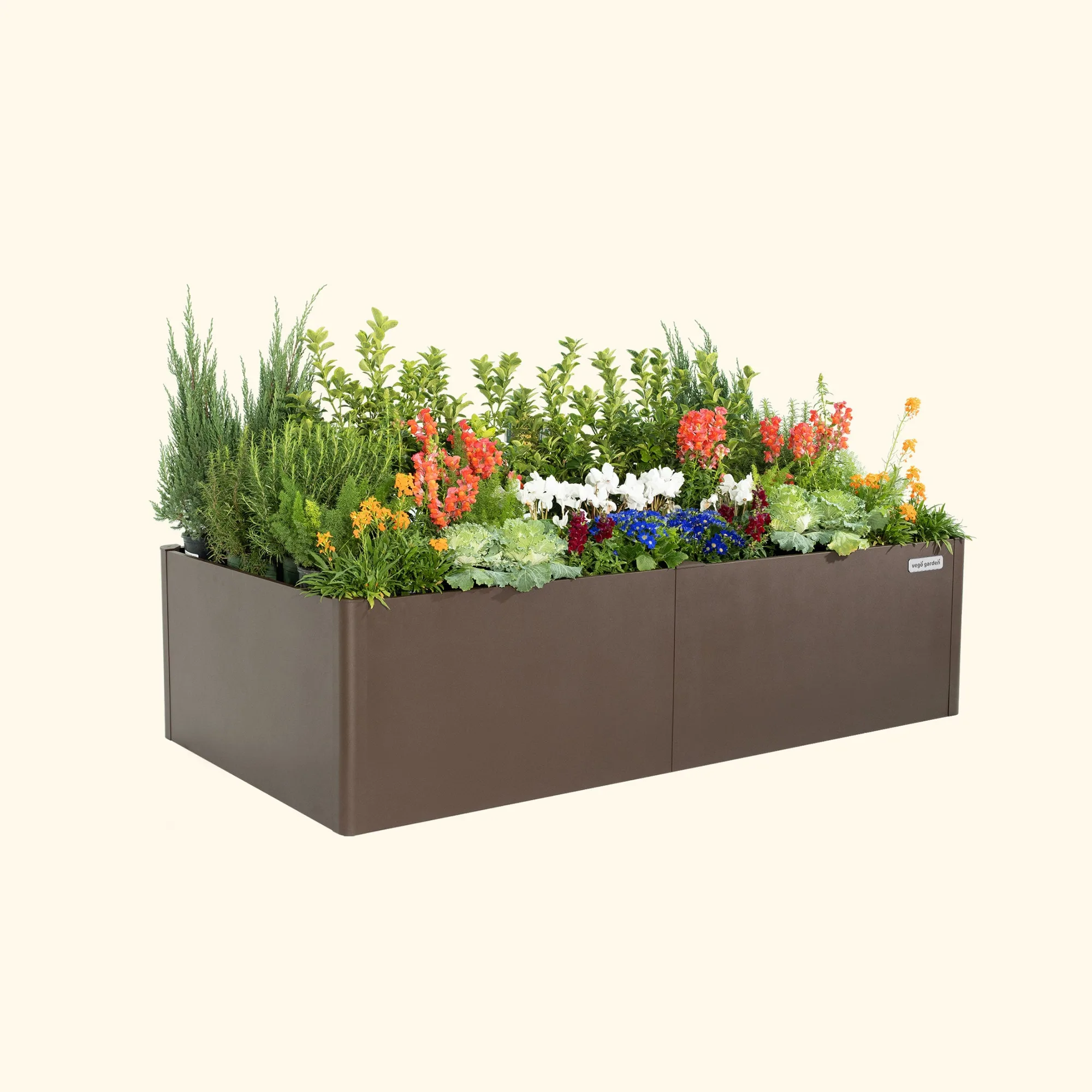
- Vego Garden Coco Mulch 11 lb Block: Coco mulch keeps soil moist, stops weeds, helps with temperature control, and breaks down naturally to boost soil health over time. This is a post-transplant accessory, not a germination tool, so budget for it separately if your goal is healthier soil in the bed rather than better seed starting.
Who should buy which
Best for stackable trays
- Gardeners starting more than 50 seedlings indoors each season
- Anyone with limited shelf, windowsill, or heat-mat space
- Growers who want gentler watering and air-pruned roots without extra DIY
Best for standard trays
- Beginners starting a handful of plants who want the lowest cost
- Gardeners who already have a watering system and tray routine that works
- Anyone who needs trays to store completely flat between seasons