The real difference is the stage, not the cut
Thinkbaby's Stage A and Stage B cross cut nipples look almost identical in the catalog. Both use the same cross cut design, the same one-piece silicone build, and the same built-in venting. The difference the records actually confirm is the intended stage: Stage A is listed for 0–6 months, and Stage B is listed for 6–12 months.
That makes the switch less about a dramatic change in nipple shape and more about matching the stage to your baby's age and feeding behavior. The catalog also notes that flow rates are determined by averages, so the stage range is a starting point, not a guarantee.
What each nipple record confirms
-
Thinkbaby 2 Pack Cross Cut Stage A Nipples: Comes with Stage A nipple (for 0 - 6 months). This is the clearest, most objective marker for choosing between the two nipples: Stage A is the newborn-to-6-month option in the Thinkbaby stage chart.
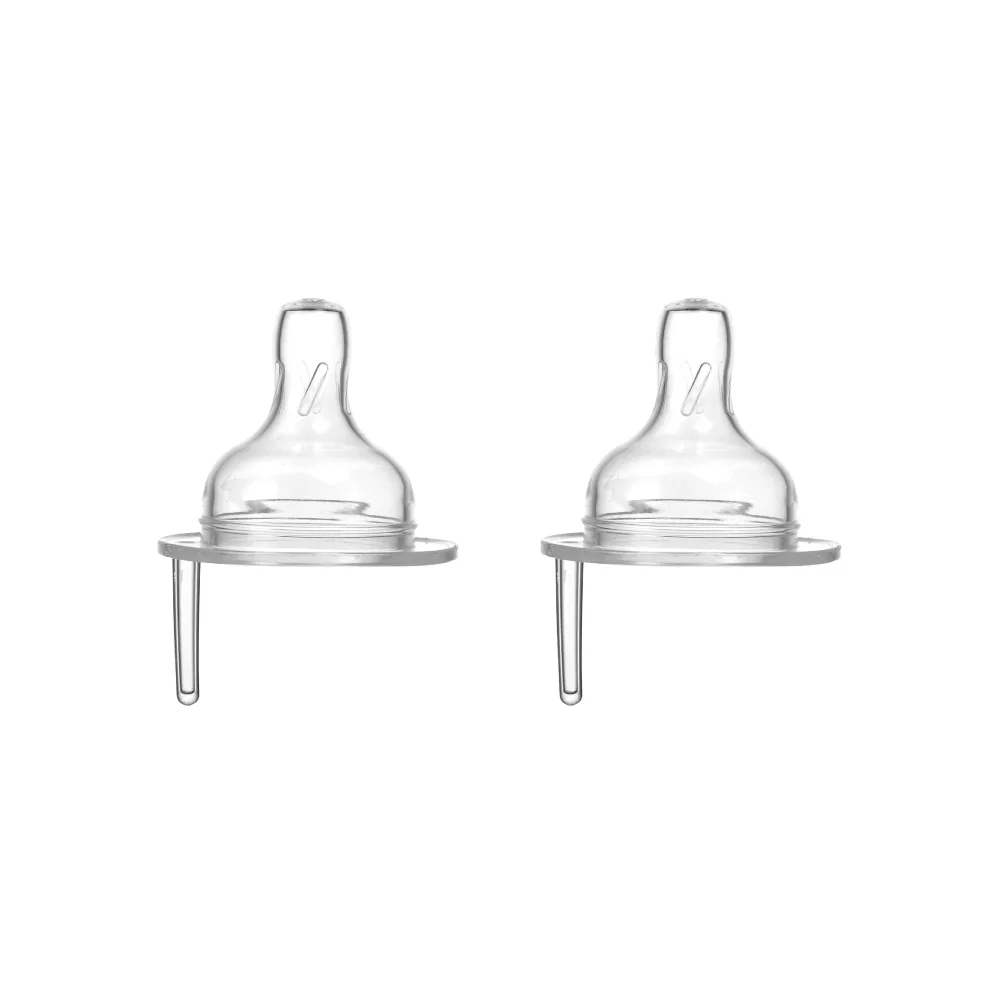
Thinkbaby 2 Pack Cross Cut Stage A Nipples
-
Thinkbaby 2 Pack Cross Cut Stage B Nipples: Comes with Stage B nipple (for 6 - 12 months). Stage B is the next step in the same chart, so it is the right comparison point once your baby approaches the 6-month mark.
Thinkbaby 2 Pack Cross Cut Stage B Nipples
-
Thinkbaby 2 Pack Cross Cut Stage A Nipples: No spill nipple featuring our cross cut design. The cross cut is shared by both stages, so it is not a reason to choose one over the other. It is a reason to understand how the nipple works before you buy either.
-
Thinkbaby 2 Pack Cross Cut Stage B Nipples: The design mimics natural breastfeeding as it requires your little one to nurse to receive fluid. This describes the feeding mechanic for both stages. The switch to Stage B does not change that mechanic, so parents should not expect a different sucking style.
Stage A vs Stage B side by side
The comparison below uses only what the supplied records confirm. Where a detail is not stated, treat it as an open question rather than a product flaw.
- Intended age range: Stage A: 0–6 months. Stage B: 6–12 months. These are the catalog's stage labels, not a prediction of your individual baby's readiness.
- Cross cut design: Both nipples use the same cross cut design, which requires nursing to receive fluid. The records do not describe a different cut geometry between stages.
- Venting and anti-colic feature: Both records describe an anti-colic nipple and a venting system built into the nipple. The venting explanation is the same for both stages.
- Materials and free-from claims: Both records list the same free-from claims: BPA, phthalates, nitrosamines, lead, PVC, PET, and biologically harmful chemicals. Both are described as medical grade silicone.
- Cleaning and assembly: Both use a one-piece design with no extra parts to lose. Both are described as dishwasher safe, top rack recommended.
- Replacement window: The records state that silicone nipples and spouts typically last 2 to 3 months before needing replacement. This applies to both stages.
Why the cross cut changes the flow question
A cross cut nipple is not a standard hole-style nipple. The Thinkbaby records say the design requires your little one to nurse to receive fluid, which means flow depends on how your baby sucks rather than on a fixed drip rate. That is why the stage label matters more than a visual comparison of the opening.
The records also state that flow rates are determined by averages. In practice, that means the 0–6 and 6–12 month ranges are population averages, and your baby may be ready for Stage B earlier or later than the calendar suggests. The catalog explicitly says you may need to adjust the flow rate you purchase depending on your little one.
A practical checklist for deciding when to move to Stage B
Use the stage chart as your default, then watch your baby's feeding behavior for signs that the current stage is no longer a good fit. The steps below stay within what the records support.
- Start with the age range: If your baby is between 0 and 6 months, Stage A is the catalog's intended match. At 6 months and up, Stage B is the next listed stage.
- Check the nipple before each use: The records say to discontinue use and replace if you notice tears or breakage. A worn nipple can affect feeding regardless of stage.
- Prepare the nipple correctly: To prepare the nipple for first use, squeeze the top of the nipple and the venting tube. This step is listed for the nipple itself, not for a specific stage.
- Do not overtighten the collar: The records warn that over tightening the collar reduces airflow into the bottle. That can make feeding harder no matter which stage you use.
- Replace on the silicone schedule: Because silicone nipples typically last 2 to 3 months, a baby who starts Stage A at birth may need a replacement around the same time they approach the Stage B range. Plan the purchase with that overlap in mind.
Care details that apply to both stages
- Thinkbaby 2 Pack Cross Cut Stage A Nipples: We do not recommend utilizing sterilizers, as we cannot guarantee that the ones on the market were made with safe materials. This is a care instruction from the nipple record. It applies to the nipple you are using now, and it does not change when you move from Stage A to Stage B.
- Thinkbaby 2 Pack Cross Cut Stage B Nipples: Dishwasher safe (Top rack recommended). This gives a practical cleaning option for both stages, but the top-rack recommendation is worth following to avoid unnecessary heat exposure.
- Thinkbaby 2 Pack Cross Cut Stage A Nipples: Before first use, we recommend sterilizing the bottles in boiling water for 2 to 5 minutes. Note that this instruction refers to the bottles, not the nipples. The records do not give a separate boiling instruction for the nipples themselves.
What the records do not settle
The supplied records do not include a measured flow rate, a hole size, or a comparison of how fast Stage A and Stage B deliver milk. They also do not state whether the cross cut opening itself changes between stages. If you are choosing between the two based on a specific feeding concern, those details are not confirmed here.
The records also do not provide a patch test result, a medical recommendation, or a rule for exactly when an individual baby should switch. The stage ranges and the note that flow rates are averages are the strongest guidance available in the catalog. Use them as a starting point and adjust with your baby's cues.