Choosing between a https://kindaero.store/products/stainless-clad-frying-pan-97145https://kindaero.store/products/stainless-clad-frying-pan-97212https://kindaero.store/products/stainless-clad-frying-pan-97213stainless clad frying pan and a ProCoat non stick pan can feel like picking between two very different kitchen philosophies. Both have passionate fans, and both excel in specific tasks. The right choice depends on what you cook most often and how much maintenance you're willing to do.
In this frying pan comparison, we'll break down the key differences in heat performance, durability, ease of cleaning, and versatility. Whether you're searing steaks or flipping eggs, this guide will help you decide which pan deserves a spot on your stovetop.
Heat Performance and Cooking Versatility
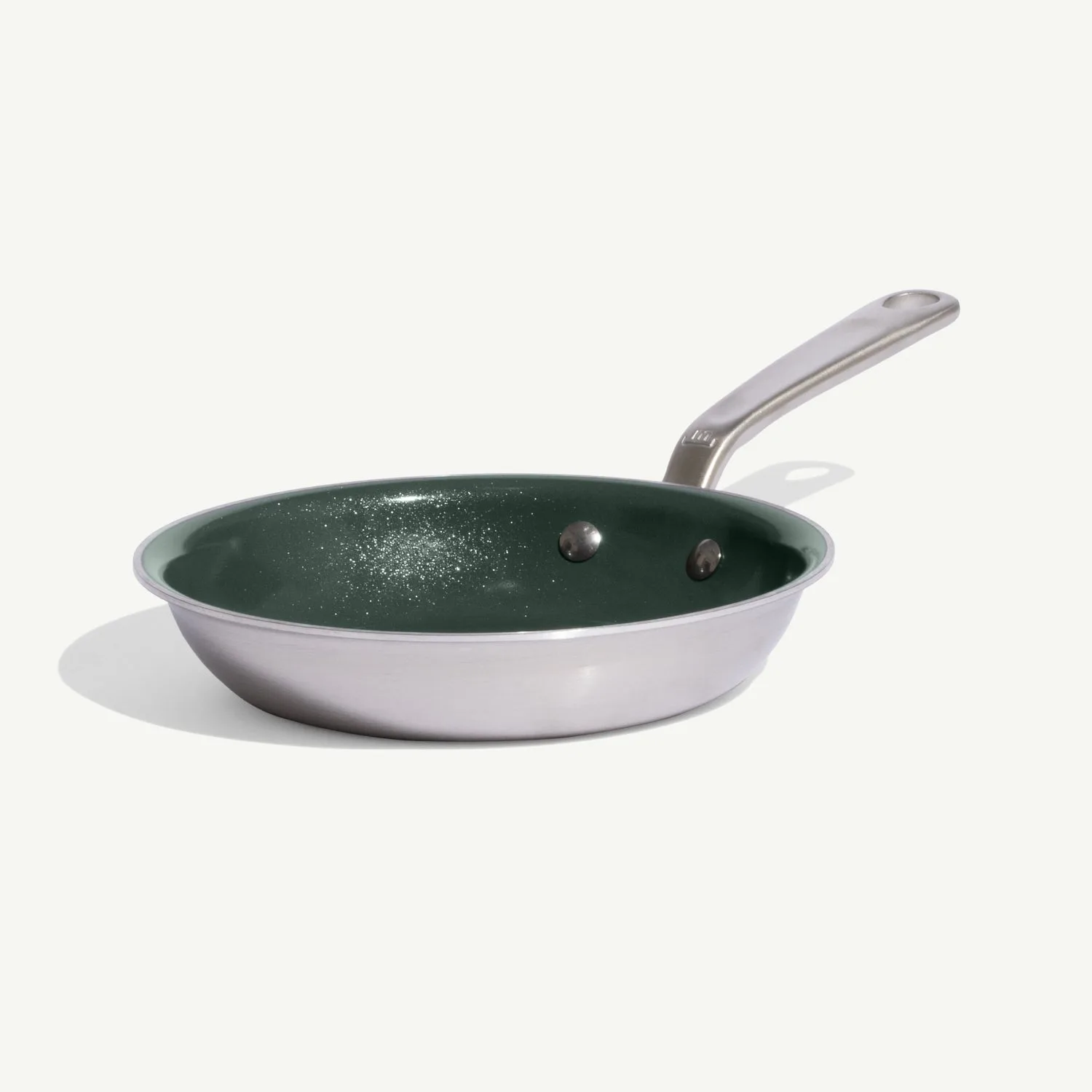
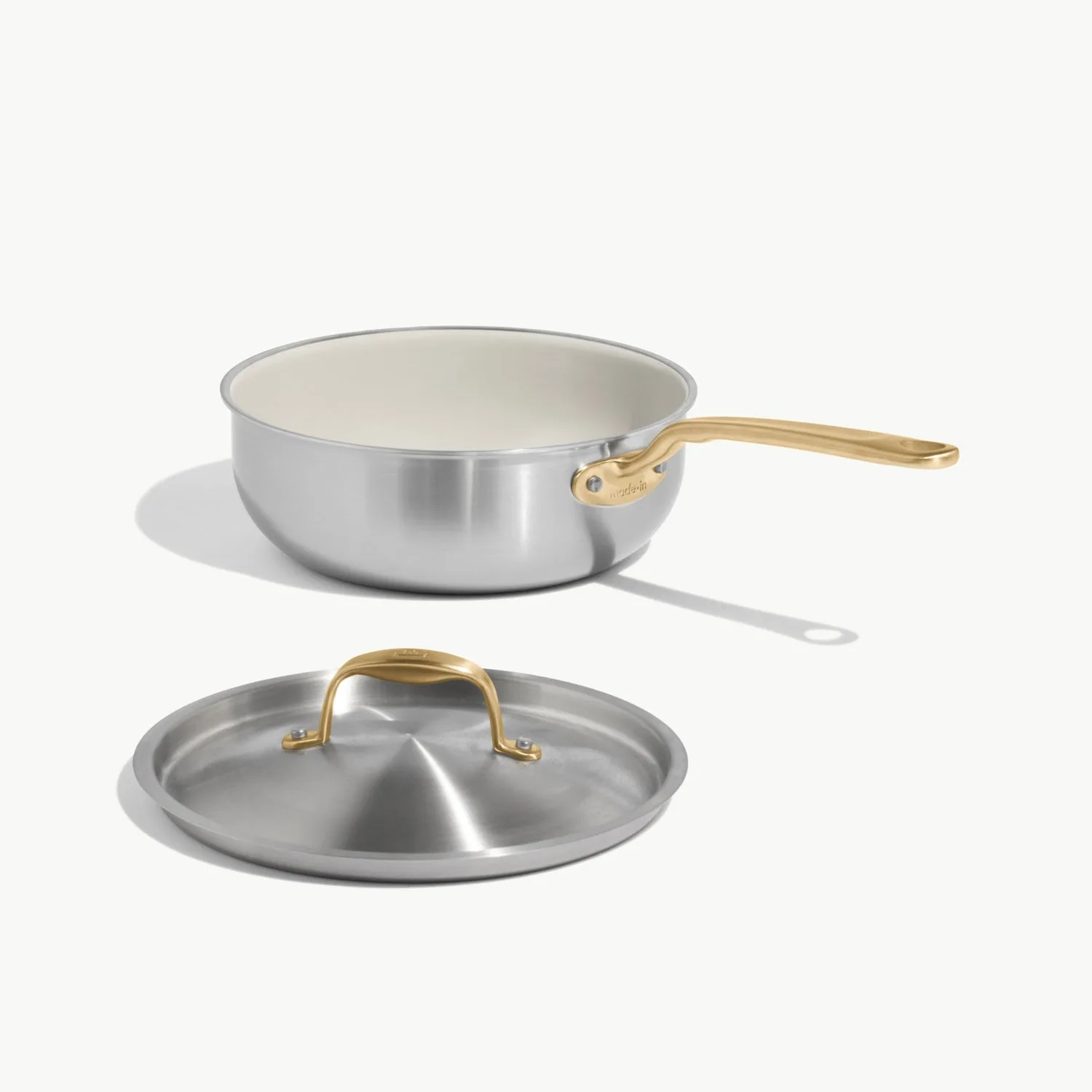
A stainless clad frying pan, like the ones found in the Stainless Set, is built for high-heat searing and even heat distribution. The aluminum core spreads heat quickly, while the stainless steel surface allows you to develop deep, golden-brown crusts on meats and vegetables. You can also deglaze the pan to make a quick pan sauce—something non stick surfaces can't handle well.
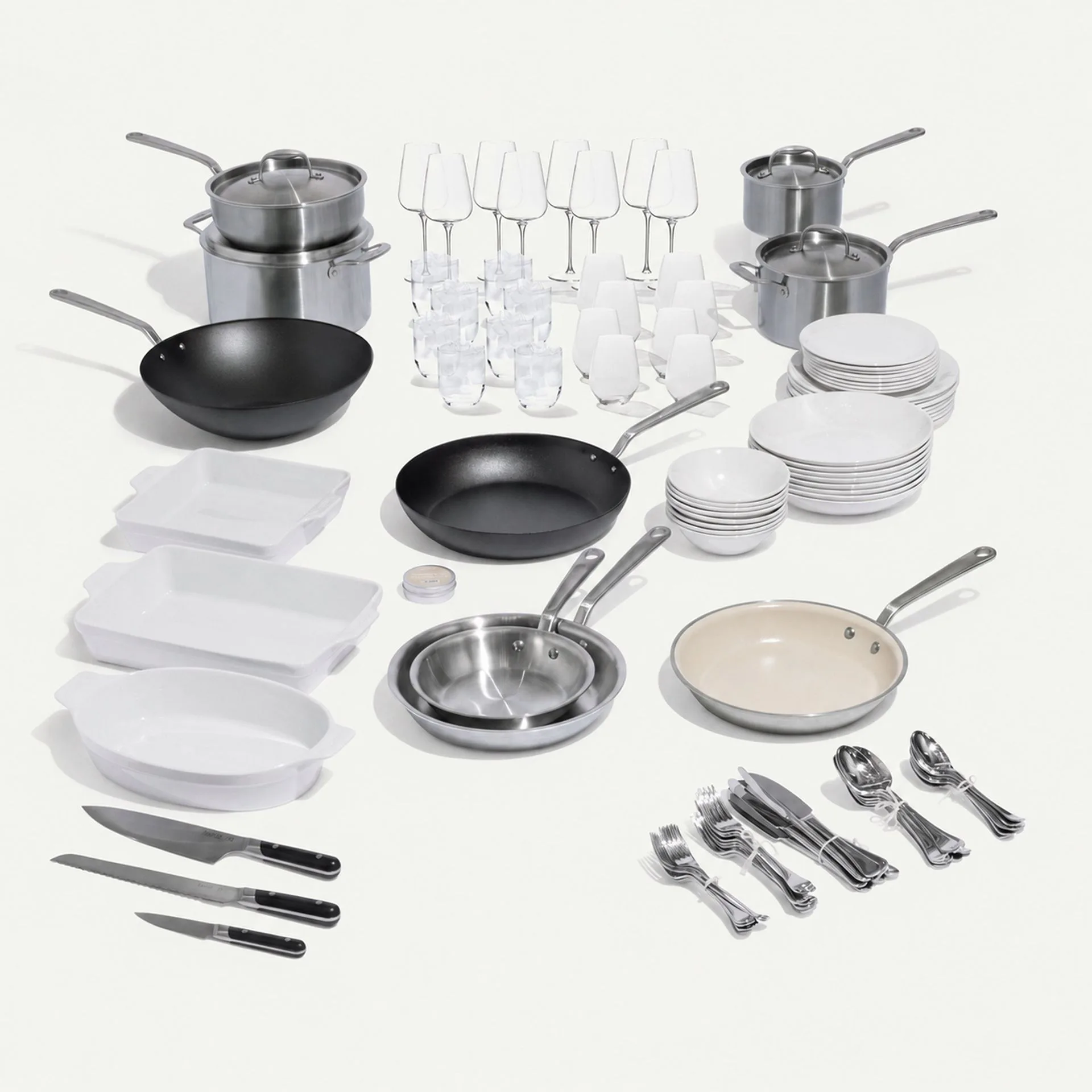
Stainless Set
ProCoat non stick pans, by contrast, are designed for low to medium heat cooking. They excel at delicate foods like eggs, fish, and pancakes that tend to stick. But they aren't ideal for high-heat searing because the coating can degrade over time. If you frequently cook at high temperatures, a stainless clad pan is the better workhorse.
- Use stainless clad for searing, browning, and deglazing.
- Use ProCoat non stick for eggs, fish, and low-fat cooking.
- Avoid heating a non stick pan empty or above medium heat.
Durability and Maintenance
Stainless clad frying pans are nearly indestructible. They can handle metal utensils, high heat, and dishwasher cleaning without losing performance. Scratches and discoloration are cosmetic, not functional. With proper care, a stainless clad pan can last decades.
ProCoat non stick pans offer easier cleanup—food slides right off—but the coating is a consumable layer. Even with gentle hand washing and silicone utensils, it will eventually wear out after a few years. If you prefer low-maintenance cleanup and don't mind replacing pans occasionally, non stick is convenient. If you want a lifetime pan, go stainless.
- Stainless clad: oven-safe, metal-utensil safe, dishwasher safe.
- ProCoat non stick: hand wash only, use wood or silicone utensils.
- Replace non stick pans when food starts sticking or coating flakes.
Which Pan Fits Your Cooking Style?
Think about your daily menu. If you're a home cook who sears chicken, sautés vegetables, and makes pan sauces, a stainless clad frying pan is your best frying pan for flavor development. It also works beautifully for batching meals because you can use it on any cooktop, including induction.
If you cook eggs, crepes, or delicate fish most mornings, a ProCoat non stick pan is a game-changer. Pair it with a stainless clad pan for heavy-duty tasks. Many cooks keep both types in rotation. For example, a CeramiClad 2.0 Non Stick Frying Pan handles eggs flawlessly, while a stainless clad pan tackles steaks and stir-fries.
- Stainless clad: best for browning, searing, and high-heat cooking.
- ProCoat non stick: best for low-fat, delicate, and quick-clean meals.
- Owning one of each gives you the most versatility in the kitchen.
Price and Long-Term Value
Stainless clad frying pans typically cost more upfront, but they're a long-term investment. The Stainless Set offers multiple pieces at a better value than buying individually. With care, you'll never need to replace them.
ProCoat non stick pans are more affordable initially, but because the coating eventually wears out, you'll likely replace them every 2–4 years. Over a decade, the total cost can be similar or even higher than a single stainless pan. If you're on a tight budget now, a non stick pan is fine, but plan to upgrade to stainless when you can.
- Stainless clad: higher upfront cost, lower lifetime cost.
- ProCoat non stick: lower upfront, higher lifetime cost due to replacement.
- Consider a stainless clad pan as a 'buy it for life' option.
Both stainless clad frying pans and ProCoat non stick pans have a place in a well-equipped kitchen. If you can only buy one, think about your most common cooking tasks. For high-heat searing and versatility, go stainless clad. For easy eggs and cleanup, choose non stick. Many home cooks find that owning one of each gives them the best of both worlds without compromise.