If you’re shopping for a multi-purpose pan that can handle everything from simmering dal to searing vegetables, you’ve likely come across two contenders: the stainless clad kadai and the classic stainless saucepan. Both are workhorses in the kitchen, but they’re built for different styles of cooking. Understanding the trade-offs can help you pick the one that truly earns a spot on your stovetop.
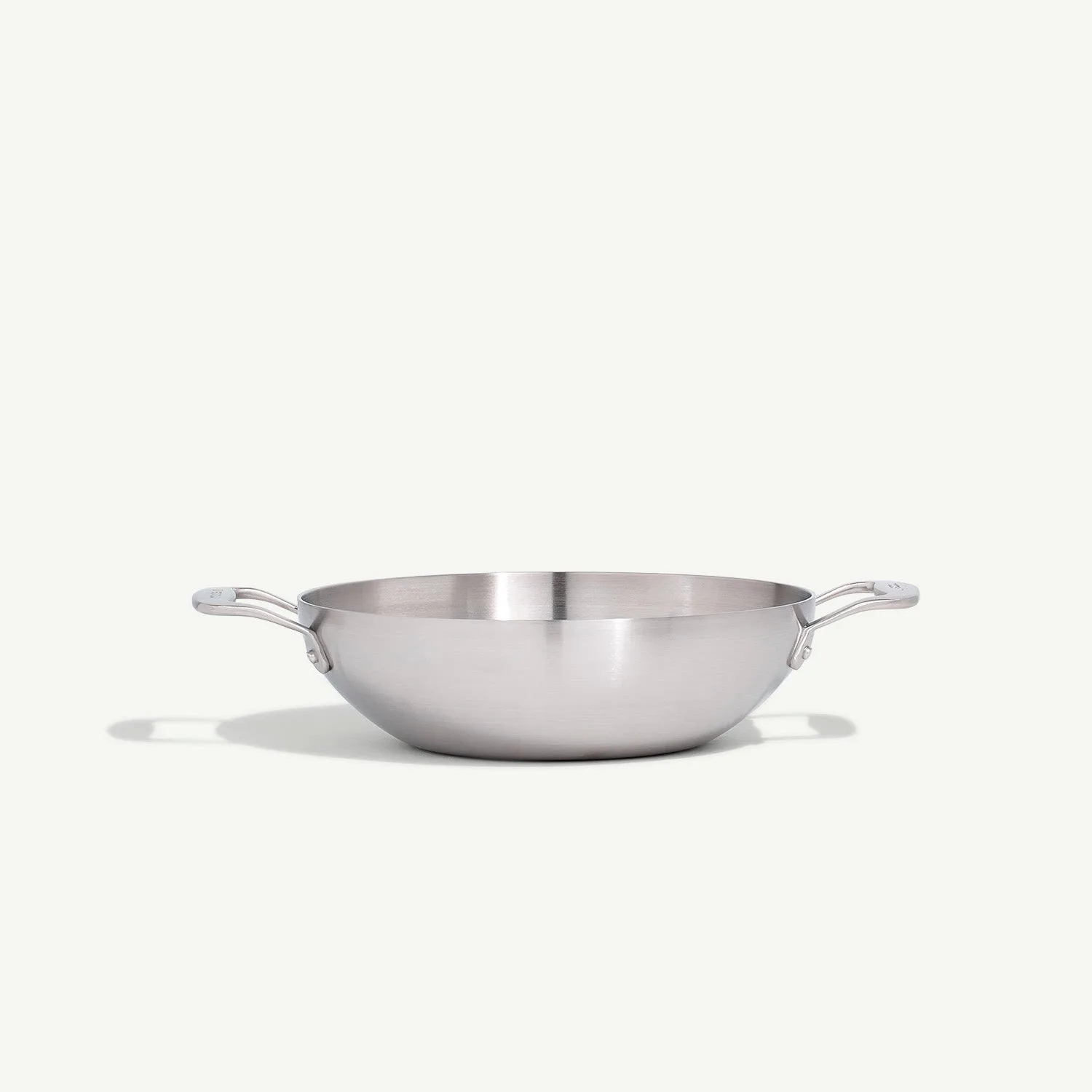
stainless clad kadai
In this comparison, we’ll look at shape, heat distribution, versatility, and how each fits into Indian cooking and everyday meal prep. Whether you’re outfitting a small apartment or expanding your collection of best stainless cookware, this guide will help you decide.
Shape and Capacity: How Design Affects Cooking
A stainless clad kadai typically has a wide, deep bowl shape with sloped sides and two loop handles. This design is ideal for stir-frying, deep-frying, and reducing sauces because the wide opening allows steam to escape quickly. The curved bottom also makes it easy to toss ingredients without spilling. Most kadhais hold 3 to 5 quarts, giving you room for larger batches of curry or fried snacks.
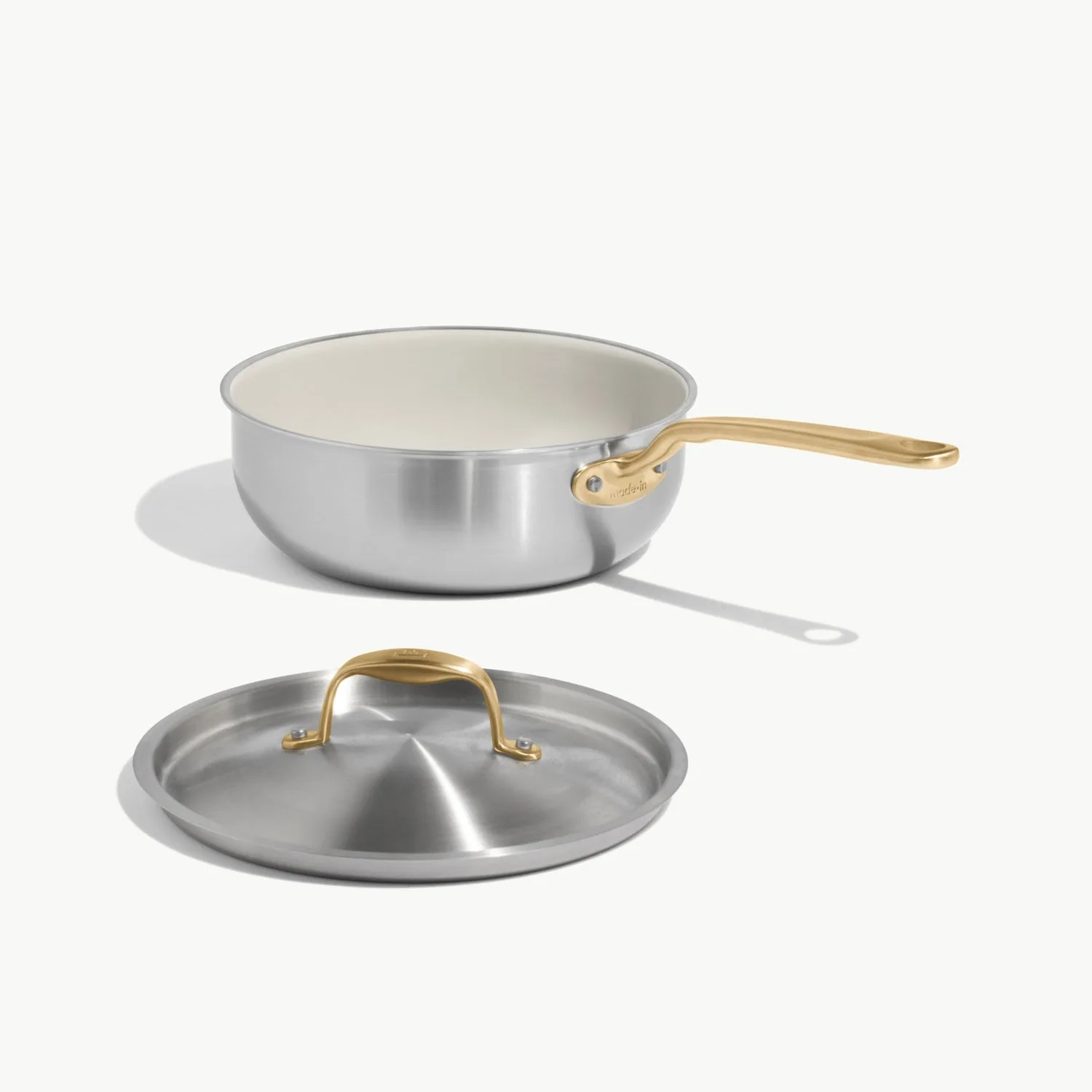
A stainless saucepan, on the other hand, has straight or slightly flared sides and a single long handle. Its narrower base and taller walls are perfect for simmering soups, boiling grains, and making sauces that need gentle, even heat. Saucepans usually range from 2 to 4 quarts, which is great for smaller portions but can feel cramped when you need to stir-fry or sear in batches.
- If you frequently make stir-fries or deep-fry, the kadai’s wide mouth and rounded base give you more freedom to move food around.
Heat Distribution and Cooking Performance
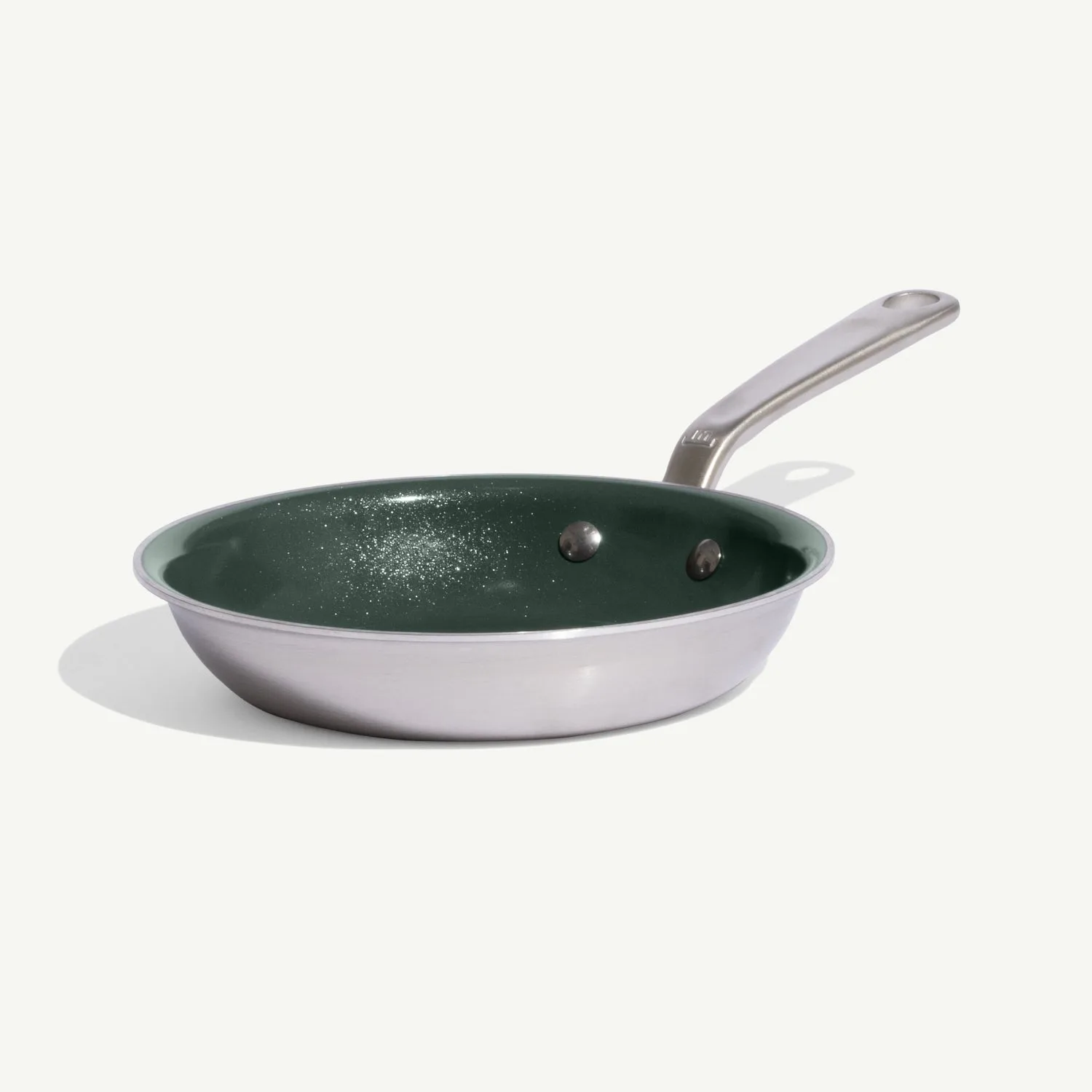
Both the stainless clad kadai and the stainless saucepan can be made with multi-layer cladding, which sandwiches an aluminum or copper core between stainless steel layers. This construction delivers even heating across the pan and eliminates hot spots. The difference lies in how that heat is applied to the food. In a kadai, the sloped sides mean the oil or liquid pools in the center, concentrating heat for faster searing or frying. That’s especially useful for tadka (tempering spices) or making crispy pakoras.
In a saucepan, the vertical walls keep heat more uniform from bottom to top, which is better for gentle simmering. If you’re making a delicate sauce or cooking rice, the saucepan’s shape prevents rapid evaporation and gives you more control. For Indian cooking cookware, the kadai’s design is traditional for a reason—it excels at high-heat techniques. But if you’re also making oatmeal, quinoa, or tomato sauce, the saucepan’s versatility might win out.
- For multi-purpose pan use, consider what you cook most: quick stir-fries favor the kadai, while slow simmers favor the saucepan.
Ease of Cleaning and Maintenance
Stainless steel is naturally non-reactive and dishwasher-safe, so both pans are easy to maintain. However, the kadai’s wide, open shape makes hand-wiping a breeze—you can reach every corner without a brush. The saucepan’s taller sides can trap food residue at the bottom rim, especially if you boil over. Both benefit from a good all-purpose cleaner to remove stubborn stains or oil buildup, but the kadai generally requires less scrubbing.
One trade-off: the kadai’s two handles can feel bulky when you’re pouring out oil or transferring a sauce to a storage container. The saucepan’s single long handle with a helper handle gives you more control for pouring. If you plan to deglaze or make pan sauces, the saucepan’s straight sides make whisking easier without splashing.
- Soak either pan in warm, soapy water for 10 minutes before scrubbing to lift stuck-on food without scratching the surface.
Best Use Cases: When Each Pan Shines
The stainless clad kadai is the star for Indian cooking: tadka, deep-frying samosas, biryani layering, and stir-fried vegetables. Its wide surface also works for shallow-frying fish or making one-pot pasta. If you own the https://kindaero.store/products/stainless-clad-frying-pan-set-97143https://kindaero.store/products/stainless-clad-frying-pan-set-97158https://kindaero.store/products/stainless-clad-frying-pan-set-97167Stainless Clad Frying Pan Set, adding a kadai gives you a deep, curved option that complements your flat skillets. For small kitchens, the Small Spaces Set might include a saucepan, but a standalone kadai can replace both a wok and a small pot.
The stainless saucepan is your go-to for soups, stews, rice, quinoa, oatmeal, and sauces. It’s also better for melting chocolate or butter because the tall sides prevent splatter. If you already have a non-stick option like the CeramiClad® 2.0 Non Stick Frying Pan Set for eggs and delicate foods, a stainless saucepan fills the gap for acidic dishes (tomato sauce, lemon-based curries) that can damage non-stick coatings over time.
- For a balanced kitchen, own one kadai for high-heat Indian dishes and one saucepan for everyday grains and sauces.
Stainless Clad vs Saucepan: Which One Should You Buy?
Your choice comes down to your cooking style and space. If you cook Indian food regularly or love stir-fries and deep-frying, the stainless clad kadai is the more versatile multi-purpose pan. Its shape handles high heat and large batches better than any saucepan. On the other hand, if you’re a soup-and-grain cook who values precise simmering and easy pouring, the stainless saucepan is the practical daily driver.
For most home cooks, owning both is ideal—but if you can only buy one, think about what you cook three times a week. If it’s dal and sabzi, go with the kadai. If it’s oatmeal and pasta, go with the saucepan. Either way, choosing a fully clad stainless model from the best stainless cookware ensures even heating and long-term durability. The Made In Cookware comparison between these two shapes shows that there’s no wrong answer—just the right tool for your routine.
- Check your cabinet height: a kadai’s two handles may need more storage space than a single-handled saucepan.
Both the stainless clad kadai and the stainless saucepan are excellent multi-purpose pans, but they serve different primary roles. The kadai excels at high-heat, open-cooking techniques common in Indian cuisine, while the saucepan is better for gentle simmering and precise liquid cooking. Match your purchase to your weekly menu, and you’ll get years of reliable performance from either choice.