Quick answer
Choose a flat inverted cage if you want maximum restriction and no visible bulge, a micro cage if you want to block erections but keep a short shaft tube, and a standard cage if you want a more familiar fit with room for the shaft. In every case, ring fit and lock style matter more than the cage length.
Coverage is the real difference between flat, micro and standard
Flat, micro and standard cages differ mainly in how much of the shaft they cover. A flat inverted cage presses the penis flat against the body, so there is no tube for the shaft to expand into. A micro cage uses a very short tube that still contains the shaft but leaves little room for growth. A standard cage, such as a 3.5-inch side-lock model, gives the shaft a longer tube and therefore more room to partially fill.
That coverage changes the experience in predictable ways. More coverage means more restriction and a smoother profile under clothing, but it also leaves less room for hygiene and for the shaft to settle when flaccid. Less coverage is easier to clean and more forgiving for beginners, but it may allow a partial erection that defeats the purpose of the cage.
Ring size and lock style decide whether the cage stays wearable
A cage only works if the ring fits. Too tight, and you risk chafing or restricted circulation; too loose, and the cage can slip or rotate. Measure the base of the penis snugly, then choose the closest ring option the cage offers. If the product page lists several rings, treat that as a fit range, not a suggestion to pick the smallest.
Lock style affects daily use as much as size. A side lock sits on the side of the cage and is easy to operate one-handed, which helps for quick checks and cleaning. A hex-screw or internal lock can sit flatter and be harder to tamper with, but it may need a tool for every adjustment. Decide whether convenience or tamper resistance matters more before you buy.
Stainless steel is secure but heavier than plastic
Stainless steel resists odor, cleans thoroughly and feels rigid, so it does not flex or crack like some plastic cages. That rigidity is why metal cages are popular for longer wear. The trade-off is weight: a steel cage pulls more on the ring, especially during movement, so a correct ring fit matters even more than with a lightweight cage.
Metal also shows every sizing mistake. If the ring is too small, the weight makes pressure points more noticeable. If the cage is too long, the shaft can pull back and pinch. Buy a steel cage only when you are ready to measure carefully and check the fit within the first hour of wear.
When a shorter cage is the wrong choice
Shorter is not automatically better. A flat inverted cage leaves almost no room for the shaft, so it suits people who want strict restriction and a discreet profile, not someone who is still learning how the ring feels. A micro cage can be uncomfortable if the shaft does not settle fully into the short tube, and it offers less surface area for cleaning.
If you are new to chastity, start with a standard-length cage and a ring you can wear comfortably for an hour. Once you know your ring size and how your body responds, moving to a micro or flat design is a sizing decision rather than a guess.
Decision rules for choosing your cage
- If you want no visible bulge and strict restriction: Choose a flat inverted cage. It presses the shaft flat against the body and leaves no tube for expansion, so it suits date nights and short-term wear where discretion matters. Check that you can operate the hex screw comfortably before committing to longer wear.
- If you want to block erections but keep a short tube: Choose a micro cage. The very short tube still contains the shaft but leaves little room for growth, making it a middle ground between flat and standard. Confirm the tube length suits your flaccid size so the shaft does not pull back and pinch.
- If you are new to chastity or want easier cleaning: Choose a standard-length cage such as a 3.5-inch side-lock model. The longer tube is more forgiving and easier to clean, and the side lock is simple to operate. Pick the ring closest to your measured base size, not the smallest ring offered.
- If tamper resistance matters more than convenience: Choose a hex-screw or internal lock over a side lock. It sits flatter and is harder to open without the tool, but every adjustment takes longer. Keep the tool or spare key accessible in case of discomfort.
Product facts
-
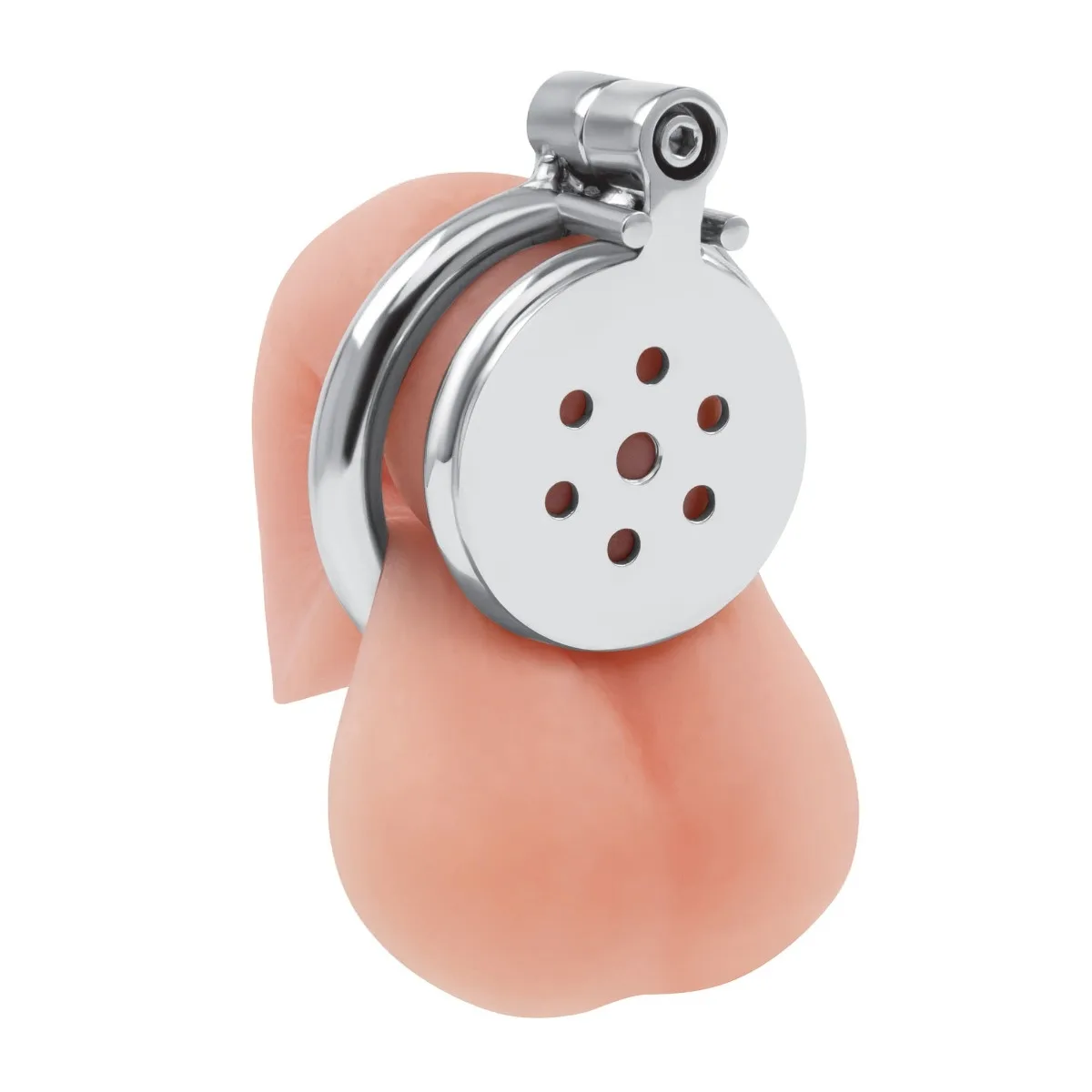
stainless steel flat inverted chastity cage: Uses a specially designed hex screw and a flat inverted shape. The flat shape gives maximum restriction and a low profile, while the hex screw means you need the right tool for adjustments.
stainless steel flat inverted chastity cage
-
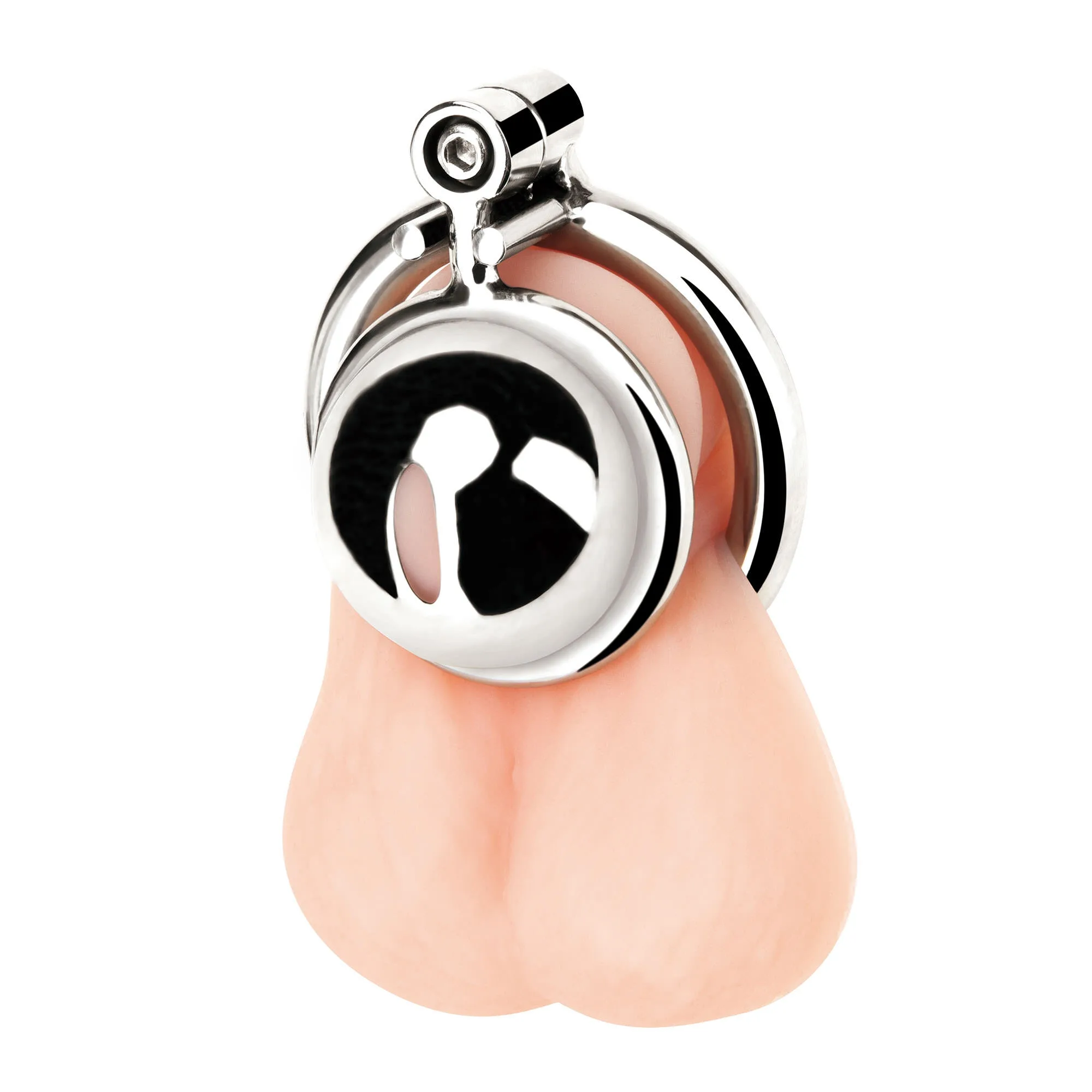
mini cock stainless steel micro chastity cage: Made with body-safe stainless steel and supplied as an easy-to-attach 3-piece set. The short micro tube blocks erection growth, and the multi-piece design lets you assemble the cage around the ring instead of forcing it on.
mini cock stainless steel micro chastity cage
-
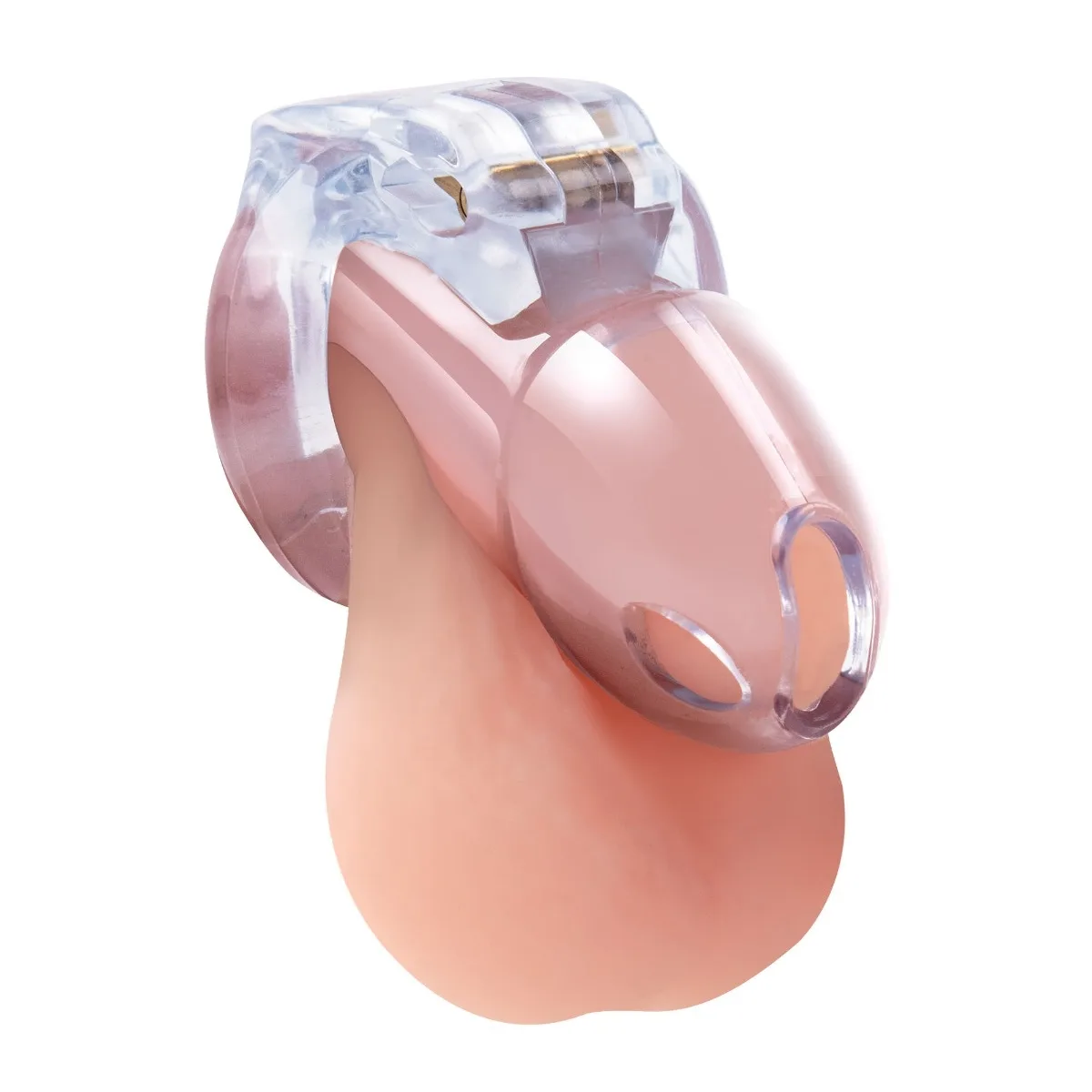
3.5 inch side lock see thru chastity cage: Available with four different rings and includes two keys. The ring options give you a real fit range, and the two keys let a partner keep one while you keep the other for safety.
Who each cage suits
Best for
- Experienced users who want maximum restriction and a discreet profile with a flat inverted cage
- Couples who want a short, secure tube for erection control with a micro cage
- Beginners or anyone who wants easier cleaning and a familiar fit with a standard side-lock cage
Not for
- First-time users who have not yet confirmed their ring size
- Anyone who needs to remove the cage frequently without tools
- People who prefer the lighter weight of a plastic cage