Quick Answer
For most home cooks, stainless steel offers superior durability and even heating, while ceramic provides a non-stick, eco-friendly surface. Choose stainless steel for longevity and high-heat searing, or ceramic for low-fat cooking and easy cleanup.
Choosing between stainless steel and ceramic cookware often comes down to your cooking habits and priorities. Both materials have passionate advocates, but they serve different needs in the kitchen.
In this comparison, we'll break down the key differences in health, durability, and performance to help you make an informed choice.
Health and Safety Considerations
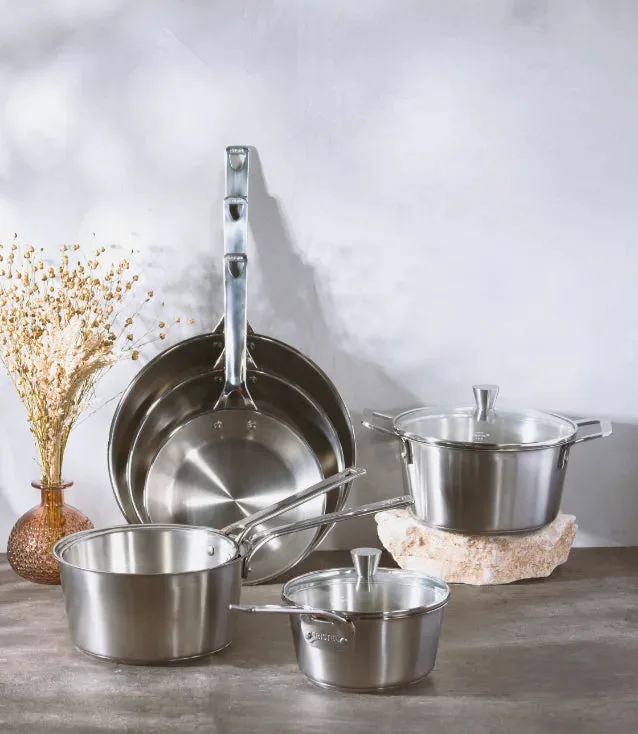
When it comes to health, stainless steel is often praised for being non-reactive and free of chemical coatings. Premium stainless steel lines, like the Castelpro series, are made from high-quality materials that don't leach into food, making them a safe choice for daily cooking.
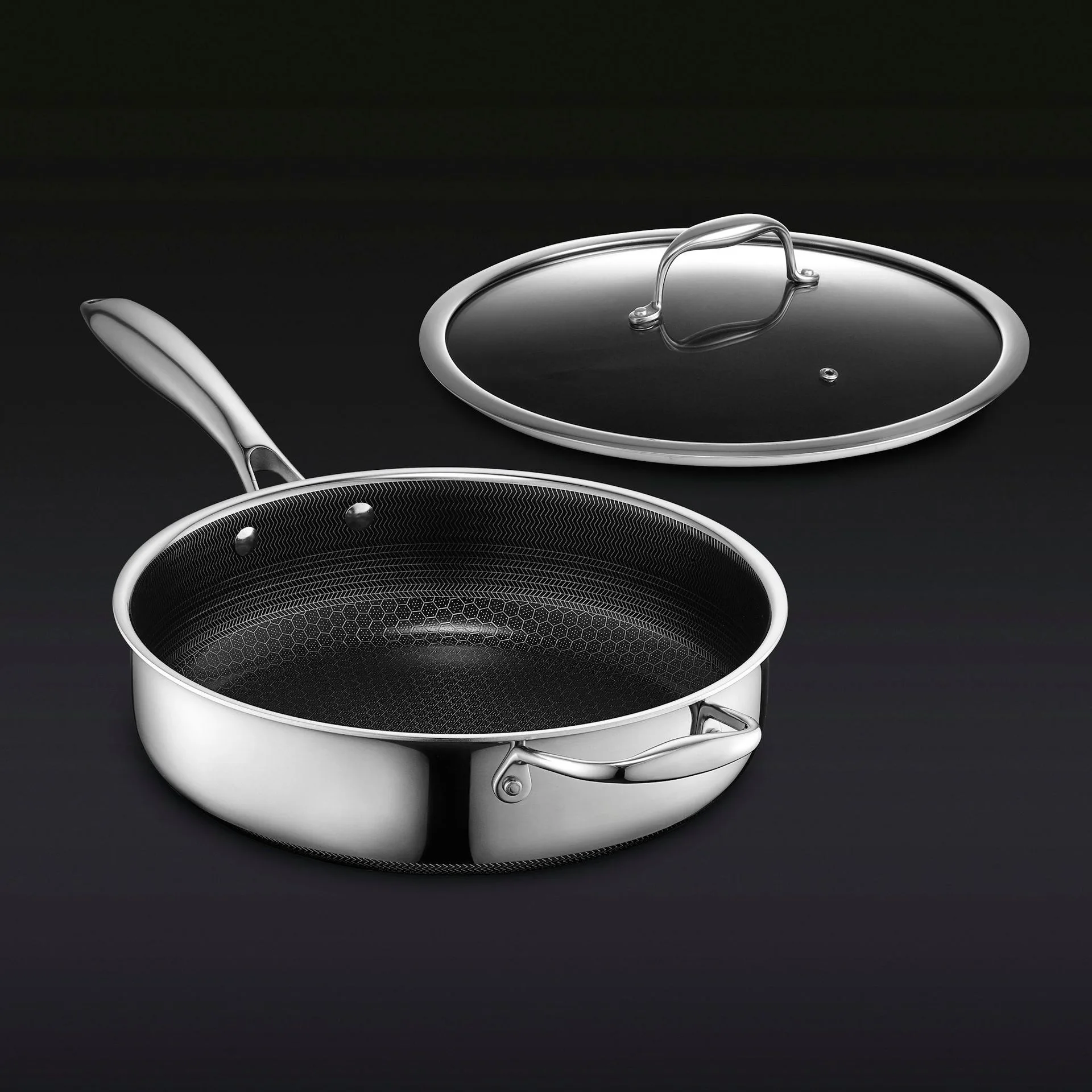
Ceramic cookware typically features a ceramic-based non-stick coating that is free of PTFE and PFOA. This appeals to those who want to minimize chemical exposure while still enjoying the convenience of non-stick. However, ceramic coatings can wear down over time, potentially exposing the underlying material.
- Stainless steel is non-reactive and safe for acidic foods.
- Ceramic coatings are free of PTFE and PFOA but may degrade with high heat.
Durability and Maintenance
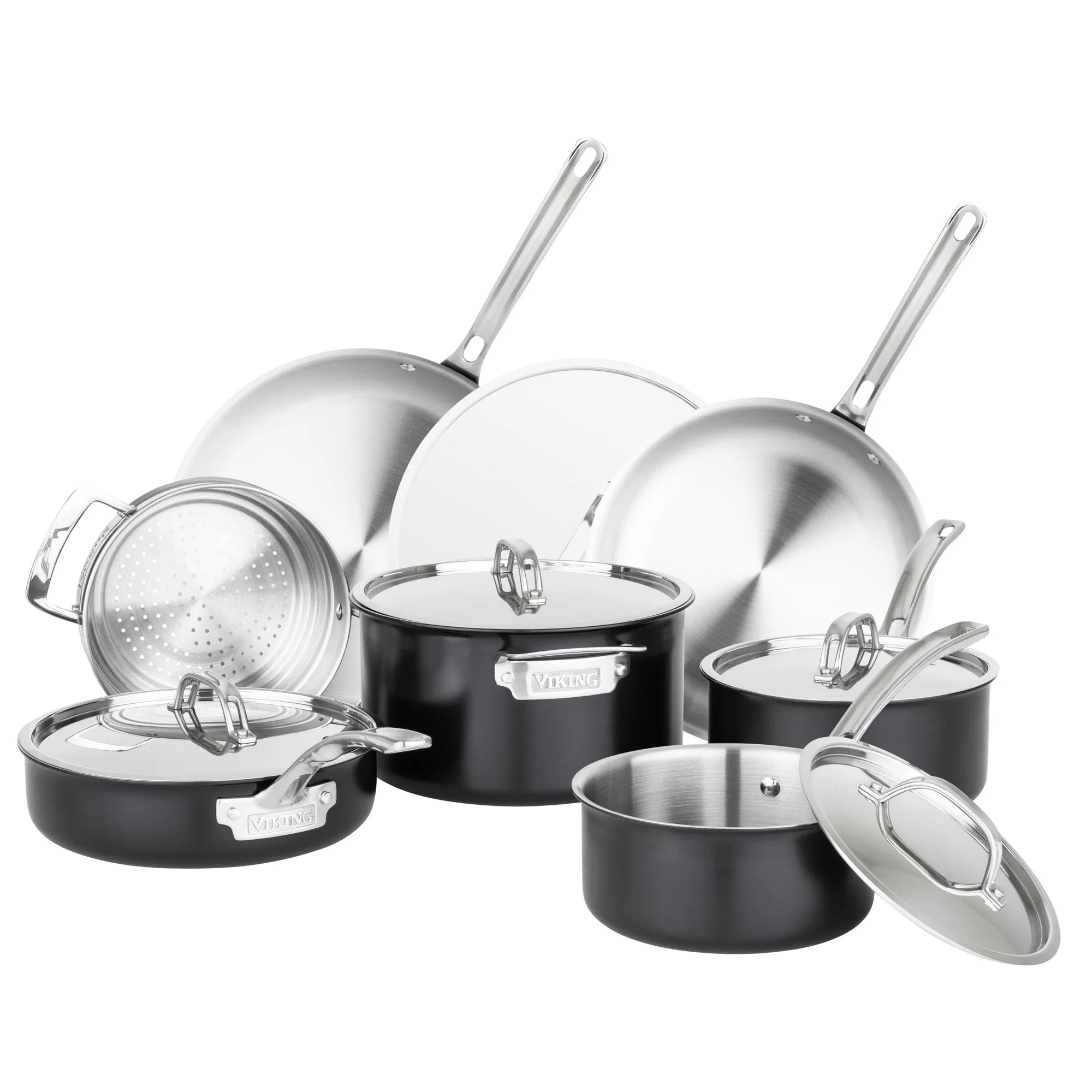
Stainless steel is renowned for its durability. It resists scratching, denting, and warping, and can last for decades with proper care. The Castelpro stainless steel collection, for example, is designed for professional-grade performance and lasting shine, making it a long-term investment.
Ceramic cookware, while initially non-stick, is more prone to chipping and scratching. The coating can wear off within a few years, especially if used with metal utensils or high heat. However, ceramic is generally easier to clean without special treatments, as it doesn't require seasoning.
- Stainless steel may require more effort to clean stuck-on food.
- Ceramic offers easy cleanup but requires gentle handling.
Cooking Performance
Stainless steel excels at high-heat cooking, such as searing and browning, because it can withstand high temperatures without damaging the surface. It also provides even heat distribution when constructed with an aluminum or copper core, which is common in premium lines like Castelpro.
Ceramic cookware heats quickly but may not distribute heat as evenly. It's best for low-to-medium heat cooking, such as simmering sauces or cooking delicate foods, where its non-stick surface shines.
- Use stainless steel for high-heat searing and oven-safe cooking.
- Reserve ceramic for low-fat cooking and delicate dishes.
Trade-offs to Consider
- Health vs. Convenience: Stainless steel is free of coatings, making it a pure choice, but it requires more oil to prevent sticking. Ceramic offers non-stick convenience with less oil, but the coating may contain trace materials. If you prioritize minimal chemical exposure and don't mind using oil, choose stainless steel.
- Durability vs. Ease of Use: Stainless steel is nearly indestructible but demands more care to clean. Ceramic is easier to clean but less durable and may need replacement sooner. For long-term investment, stainless steel wins; for quick everyday cooking, ceramic is more practical.
- Performance vs. Maintenance: Stainless steel handles high heat and oven use, but requires technique to prevent sticking. Ceramic is limited to lower temperatures but offers effortless release. If you love searing and roasting, choose stainless steel; if you cook gentle meals, ceramic is sufficient.
Featured Products
Products
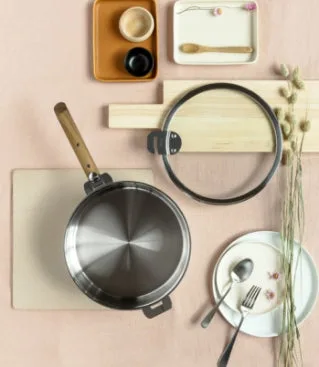
- https://cristelusaec.com/products/welcome-to-cristel-usa-309456https://cristelusaec.com/products/welcome-to-cristel-usa-309457https://cristelusaec.com/products/welcome-to-cristel-usa-309458Welcome To Cristel USA™: Part of the Castelpro stainless steel line, known for its sleek and modern appearance. This line offers professional-grade stainless steel that combines style with durability, ideal for cooks who want long-lasting performance.
- Close teaser: Part of the Cristelusa Best Sellers category, highlighting its popularity among our customers. As a best seller, this item is a trusted choice for those seeking quality and appeal in their cookware.
Which Cookware Fits You?
Best For
- Home cooks who want durable, versatile cookware for high-heat cooking and oven use.
- Those looking for a long-term investment with minimal chemical exposure.
Not For
- Cooks who prefer easy cleanup without extra oil and are ready to replace pans more frequently.
- Those who prioritize lightweight, easy-to-handle cookware over durability.
In the end, the best choice depends on your cooking style and priorities. Stainless steel offers unmatched durability and performance, while ceramic provides convenience and health-conscious non-stick cooking. Assess your needs and choose the material that aligns with your kitchen routine.